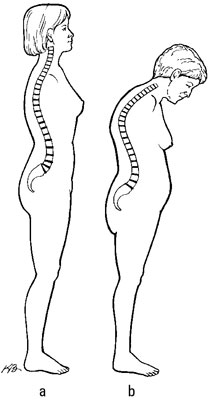
Have you ever caught yourself looking at your own silhouette in a window and wondered, “How did I end up with that slouch?” It can start subtly—an extra roundedness in the upper back, a neck that seems to creep forward, a posture that gradually hardens into a new shape. Now here’s a playful challenge: picture standing tall for ten seconds—really tall—like a marionette being gently lifted from above. If that feels oddly difficult, your body may be whispering about an underlying vulnerability. One contender in that conversation is vitamin D, a nutrient more influential than many people expect, especially when the spine is trying to stay resilient against kyphosis, sometimes nicknamed dowager’s hump.
Kyphosis and Dowager’s Hump: What’s Actually Happening?
Kyphosis is an excessive outward curve in the thoracic (upper) spine. Sometimes it’s flexible and posture-related; other times it becomes structural, fixed by long-term changes in the vertebrae. Dowager’s hump refers to a more pronounced upper-back rounding often associated with age-related spinal compression and bone fragility.
Think of the spine like a stack of careful plates. When those plates lose strength or alignment shifts, the stack can bow forward. Pain may or may not be present, but the silhouette often changes first—followed by tightness, fatigue, and a feeling that your chest can’t quite “open” like it used to. The challenge becomes not just appearance, but biomechanics: breathing mechanics, shoulder mobility, and even balance can be affected.
The Spine’s Building Blocks: Why Bone Strength Matters
Your vertebrae aren’t inert blocks; they are living tissue that constantly remodels. Healthy bone depends on a steady workflow: osteoblasts build, osteoclasts break down, and the whole system coordinates strength maintenance.
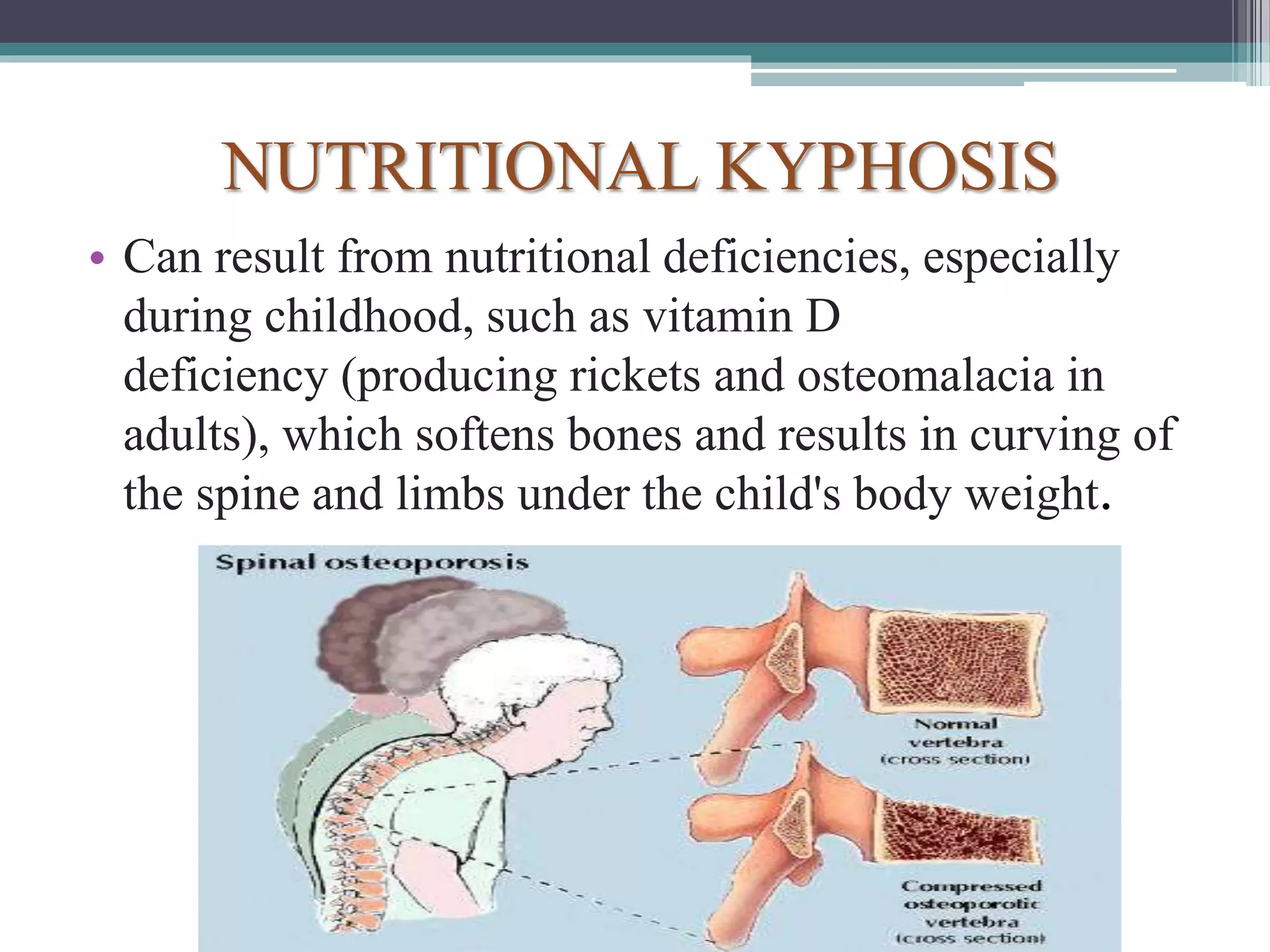
When bone integrity weakens, vertebrae may compress over time—particularly in the presence of osteoporosis. Microfractures and gradual collapse can contribute to an exaggerated kyphotic curve. In other words, vitamin D enters the story not as a magic posture potion, but as a regulator that supports the “structural paperwork” of bone health.
Vitamin D: The Nutrient That Helps the Body Use Calcium
Vitamin D functions like a backstage manager for mineralization. Its most famous role is helping the body absorb calcium in the gut and maintain adequate calcium and phosphorus levels. Calcium, meanwhile, is essential for mineral deposition—how bone achieves its firmness rather than remaining chalky or weak.
When vitamin D levels are insufficient, calcium absorption can drop. Over time, the body may compensate by borrowing from bone stores to keep blood calcium stable. That compensation is not free. It can leave the skeleton less robust, setting the stage for compression fractures that may accelerate kyphosis progression.
Beyond Calcium: Muscle Function and the Posture Advantage
Vitamin D isn’t only about bones; it’s also intertwined with muscle performance. People with low vitamin D levels often experience reduced muscle strength and function. Weaker postural muscles—especially the deep stabilizers of the trunk—can struggle to counteract gravity’s pull.
Here’s the interesting part: posture is a team sport. The thoracic spine doesn’t curve because one muscle “fails” alone; it curates a balance between extensors, scapular stabilizers, and core control. When vitamin D deficiency contributes to generalized muscle inefficiency, the body may default toward slumped mechanics. The silhouette changes, and the curve may become more entrenched.
Fall Risk, Fear of Movement, and the Kyphosis Spiral
Kyphosis can be a catalyst for a cascade. Reduced mobility can increase fall risk. Falls can lead to injuries or fractures that further alter spinal alignment. Then comes a psychological component: fear of movement can reduce activity, and reduced activity can weaken both bone and muscle.
Vitamin D’s role in muscle function and neuromuscular coordination may help interrupt that spiral. Even small improvements in strength and balance can matter—because preventing a single fracture can preserve spinal structure over years.
Osteoporosis, Vertebral Compression, and the Hidden Connection
Dowager’s hump often overlaps with vertebral compression fractures. Osteoporosis—bone thinning—raises the odds that vertebrae will tolerate less mechanical stress. Vitamin D insufficiency can contribute to this vulnerability by undermining mineral homeostasis.
Imagine your spine like a sturdy arch. If the materials lose integrity, the arch sinks. Over time, the curvature increases, and the body may struggle to “stand against” the altered geometry. That’s when the hump becomes more than a posture habit—it becomes an anatomical reality.
Who’s Most Likely to Be Low on Vitamin D?
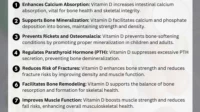
Vitamin D deficiency is common, and certain groups face higher risk. Limited sun exposure is a major factor—especially for people who stay indoors or live in higher latitudes. Skin pigmentation, older age (with diminished skin synthesis), darker seasons, and use of sunscreen without adequate dietary compensation can all influence vitamin D status.
Additionally, conditions that affect absorption—such as certain gastrointestinal disorders or medications—can further reduce vitamin D availability. If there’s an age-related shift in bone remodeling capacity, vitamin D becomes even more critical as a supporting nutrient.
Testing and Targeting: Making Vitamin D Practical
Instead of guessing, clinicians often use blood tests to measure 25-hydroxyvitamin D, the best indicator of vitamin D status. Testing helps avoid two extremes: underdosing (insufficient support) and overdosing (unnecessary risk).
If vitamin D is low, supplementation may be recommended alongside dietary calcium. But the exact dose and timeline should be individualized. The goal is steady adequacy, not frantic supplementation. Your body prefers consistency.
Vitamin D Isn’t a Lone Hero: Pair It with Posture-Forward Habits
Even with optimal vitamin D, kyphosis prevention still benefits from active strategies. Strengthening exercises for spinal extensors, scapular stabilizers, and core musculature can improve alignment. Mobility work may help reduce stiffness in the thoracic region. Breathing-focused exercises can encourage chest expansion and rib cage mobility.
Here’s a gentle challenge: practice “tall without strain.” Stand with ribs stacked over hips, gently lengthen through the crown of the head, and breathe into the sides of the rib cage. Short practice sessions often beat rare heroic workouts. Vitamin D helps the foundation; targeted movement helps the architecture.
When to Seek Medical Guidance
If kyphosis is rapidly worsening, associated with significant pain, or accompanied by symptoms like numbness, weakness, or balance changes, professional evaluation matters. Structural changes may require imaging or assessment for vertebral fractures, osteoporosis risk, and neurological involvement.
Also consider discussing a bone health plan if there’s a history of falls, prior fractures, long-term steroid use, or known osteoporosis. Vitamin D can be part of a comprehensive prevention strategy rather than an isolated fix.
Sunlight, Food, and the Daily Logistics of Resilience
Vitamin D comes from multiple avenues: sunlight exposure, dietary sources, and supplements. Sunlight can trigger skin production, but the “right” amount varies by season, location, skin type, and personal safety practices. Food sources include fatty fish, fortified dairy or plant alternatives, and fortified cereals.
Even the best nutrition strategy benefits from routine. Think of vitamin D as a rhythm. When you sustain it, bones and muscles are more likely to respond with steadiness—reducing the odds that kyphosis becomes an inevitable destination.
A Thoughtful Closing: Can Vitamin D Help You Stand Taller?
The next time you glance at your posture—maybe with a hint of humor, maybe with curiosity—consider the possibility that vitamin D is quietly supporting your body’s ability to maintain structure. Kyphosis isn’t driven by one factor. It’s influenced by bone remodeling, muscle function, activity patterns, and age-related changes. Vitamin D intersects with several of these pathways, offering a scientifically plausible advantage.
So, take that ten-second tallness challenge again. Not as a test of perfection. As a reminder that your body is always updating its blueprint. And vitamin D may be one of the key ingredients helping that blueprint resist collapse.