Sometimes mood doesn’t feel like a feeling. It feels like weather—gray skies that won’t lift, a damp fog settling in the chest. And just like weather, mood can be influenced by forces you don’t see. Vitamin D is one of them: a nutrient-hormone duet that helps regulate brain signaling, immune rhythm, and the body’s internal sense of “enoughness.” When your days feel heavier than they should, testing vitamin D can be an illuminating step—less about chasing a single cause, more about turning on a light in a room you assumed was already familiar.
Recognize the “dimming” clues before you test
Testing starts with noticing patterns. Mood struggles often present with a subtle choreography: low motivation that becomes inertia, a quiet irritability that shows up uninvited, or a lingering exhaustion that sleep fails to fully erase. Vitamin D deficiency doesn’t announce itself like a siren; it behaves like a slow dimmer switch.
Look for accompanying signals that may travel with the low-vitamin story. People sometimes report musculoskeletal aches, generalized fatigue, reduced resilience during stress, or feeling “off” during seasons with limited sunlight. None of these symptoms prove anything alone. Yet together, they form a constellation that makes testing feel less like guesswork and more like navigation.
Consider also lifestyle shadows: limited outdoor time, diligent sun avoidance, darker skin pigmentation (which reduces vitamin D synthesis), body mass index changes that can affect storage, and diets low in vitamin D-rich foods. If your routine keeps you indoors—workdays behind glass, evenings on screens—your internal clock may be starved of light-driven chemistry.
Choose the right test: the blood marker that matters
The most informative way to evaluate vitamin D status is a blood test measuring 25-hydroxyvitamin D, often written as 25(OH)D. Think of it as a public ledger: it reflects vitamin D that has been circulating and stored, giving a clearer portrait than casual guesses.
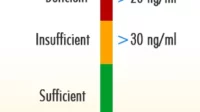
When clinicians order this test, it’s usually straightforward—one blood draw, a lab result, and a number that can be interpreted within clinical context. Typical categories vary slightly between labs and guidelines, but the common framing is that lower levels suggest deficiency or insufficiency, while adequate ranges suggest you’ve crossed the threshold where vitamin D-related processes can function more normally.
Before testing, ask a few practical questions. Will you need fasting? (Often, no.) Are you testing as baseline assessment or follow-up after supplementation? Are any current supplements being taken inconsistently? These details matter because vitamin D is a long-game molecule; it doesn’t respond like caffeine.
Time your test for clarity, not coincidence
Vitamin D levels can shift with seasons, travel, and supplementation. Testing right after a sunny vacation may flatter your status. Testing right before peak winter may reveal what’s been building during months of limited exposure. Neither is “wrong.” The goal is to choose timing that matches your intention.
If the primary question is: “Could my mood struggles connect to low vitamin D?” a baseline test during a representative period can be more revealing than a post-sun spike. If the question is: “Did my supplementation plan work?” then testing after an interval—often several weeks to a few months—makes the result more meaningful.
Don’t treat timing like superstition. Treat it like instrumentation. The mind is a sensitive instrument. Vitamin D is a slow signal. Align them, and your data becomes sharper, not noisier.
Account for factors that can distort results
A vitamin D test is powerful, yet it can be affected by biological and practical variables. Some medications may influence vitamin D metabolism. Certain medical conditions can alter absorption or storage. Kidney and liver function can also play roles, since the body processes vitamin D through hepatic and renal pathways before it becomes usable in its various forms.
Even the “simple” factor of adherence—taking supplements as intended—can affect results. Missed doses, inconsistent timing, or doubling up intermittently may create uneven blood levels. Think of vitamin D like a slow-moving tide; scattered stepping stones don’t build a reliable shoreline.
If you have conditions that affect gut absorption (or if you suspect them), mention this before testing. Clinicians may consider additional labs or tailored interpretation. The aim is not to overcomplicate. It’s to keep the interpretation honest.
Interpret results with nuance, not verdicts
A number on a lab report can feel like a verdict. But it’s more accurately a map contour, not the terrain itself. Vitamin D status should be interpreted alongside symptoms, overall health, and other labs when relevant. Mood struggles are multifactorial; genetics, sleep quality, stress hormones, inflammation markers, thyroid health, iron status, vitamin B12, and lifestyle rhythms can all contribute.
If your 25(OH)D level is low, it doesn’t mean vitamin D is the sole culprit. It means vitamin D may be a contributing chapter in the story. If your level is within a typical range yet mood remains unstable, vitamin D might not be the lever—but that doesn’t invalidate your experience. It simply shifts the searchlight elsewhere.
Use the result to guide next steps: dietary adjustments, safe supplementation discussions, sun exposure strategies (when appropriate), and a broader mental-health evaluation if symptoms are persistent or severe.
Link testing to a plan: supplement, sunlight, and food—carefully
Testing should lead somewhere. Once you know your vitamin D status, you can talk with a healthcare professional about options. Supplementation is often used because it can be consistent. Dose selection is individualized; too little may do little, while too much can create concerns. Professional guidance keeps the process grounded.
Sunlight can help the body manufacture vitamin D, but it requires a balanced approach. Overexposure risks skin damage, so a pragmatic strategy matters. Even short, regular outdoor time can be meaningful for many people, particularly during months when the sun is strong enough.
Food sources can support levels but typically aren’t enough on their own for deficiency correction. Fatty fish, fortified dairy or plant milks, egg yolks, and certain mushrooms contribute. Think of diet as the steady scaffolding; supplementation can be the structural reinforcement when needed.
Watch mood changes as a timeline, not a mood-swing
One of the most intriguing aspects of vitamin D testing is what happens afterward—or doesn’t. Mood improvements, if they occur, often take time. The body needs time to adjust neurotransmitter-related processes, inflammatory signaling pathways, and energy regulation patterns. Short-term fluctuations are common; patience is part of the experiment.
Track your symptoms with a gentle method. Note sleep hours, sunlight exposure, stress intensity, and mood variability. Short notes are enough: “Energy feels lighter,” or “I’m less irritable after noon,” or “My focus returned slightly.” Long sentences aren’t required; clarity is.
If mood symptoms are severe, include suicidal thoughts, or disrupt daily function, do not rely on vitamin D alone. Testing is a supportive diagnostic step, not a substitute for timely mental health care.
Integrate vitamin D testing into a broader “mood audit”
Vitamin D is one key in a larger ensemble. A mood audit might include checking for anemia (iron studies), thyroid function, B12 and folate status, and sleep disorders. Sometimes vitamin D deficiency travels with other deficiencies because dietary patterns and outdoor activity patterns overlap.
Consider also lifestyle metrics: consistent wake times, hydration, protein adequacy, regular movement, and reduced late-night screen exposure. These don’t negate testing; they complement it. Together, they create a more complete picture of why your internal climate feels unsettled.
In this framework, vitamin D testing becomes a detective with good instincts, but it still needs the rest of the investigative team.
When to retest and how to evaluate progress
Retesting can confirm whether interventions were effective. If supplementation was started, clinicians often schedule follow-up testing after an appropriate interval to assess response. This helps avoid the emotional trap of “I think it’s working” without evidence.
Use follow-up results alongside symptom tracking. If vitamin D rises but mood does not, the next step is broadening the search. If both improve, you’ve learned something valuable: a biological variable that aligned with your lived experience.
Progress can be subtle. A small lift in motivation. A calmer baseline. A less heavy morning. These are not dramatic fireworks; they’re the quiet proof of adjustment.
Visualize the process: from light to numbers
Vitamin D testing is like translating sunlight into language your body can measure. One blood draw becomes a bridge between outdoor light exposure, internal chemistry, and your day-to-day emotional weather.

That bridge matters because mood is not imaginary—it’s embodied. When you test vitamin D, you’re not merely collecting a number. You’re asking an evidence-based question: could a correctable deficiency be tugging at the margins of your mental well-being?

Like any careful recalibration, the process is iterative. Test. Interpret. Plan. Reassess. With each step, the fog may thin, not because life becomes simpler, but because your body’s signals become clearer.