Imagine Vitamin D as a lantern searching for a dark room. It can’t do its work unless it reaches the far corners of the body—past stubborn barriers and through a maze of lipid-rich pathways. That’s where MCT oil enters the story: a quiet courier with a talent for speed, helping the Vitamin D journey arrive more efficiently. In this article, the role of MCT oil in Vitamin D absorption becomes less like a technical footnote and more like a vivid narrative—one about transportation, bioavailability, and the small biochemical decisions that can change outcomes.
What MCT Oil Really Is: The “Express Lane” for Fat-Soluble Helpers
MCT oil—short for medium-chain triglycerides—isn’t simply another fat. Its molecular architecture resembles a set of neatly folded travel coats rather than a heavy wardrobe. While long-chain fats tend to travel through longer, more complex routes, medium-chain fats behave differently. They’re generally absorbed with less logistical friction, then routed toward metabolic use more quickly.
This distinction matters because Vitamin D is fat-soluble. Fat-soluble nutrients prefer to hitch a ride on lipid transport systems. When MCT oil is present, it can act like an express lane for these nutrients, supporting the absorption process that might otherwise be slower or less efficient.
Vitamin D Absorption: A Journey Through Lipid Geography
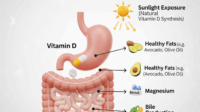
Vitamin D’s absorption isn’t just “take it and it works.” It’s an expedition. After ingestion, digestion and absorption depend on bile emulsification, intestinal transport, and the ability to move through lipid-centric systems. Think of the gut as a bustling port—ships need the right harbor conditions, tugboats, and docking lanes.
When you introduce MCT oil, you’re effectively changing the harbor traffic pattern. MCTs are known for their capacity to integrate into digestive processes relatively smoothly. This can make it easier for Vitamin D to be carried, absorbed, and utilized. The result isn’t necessarily instantaneous fireworks. It’s more like improving the odds that the lantern reaches its intended room.
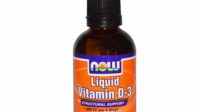
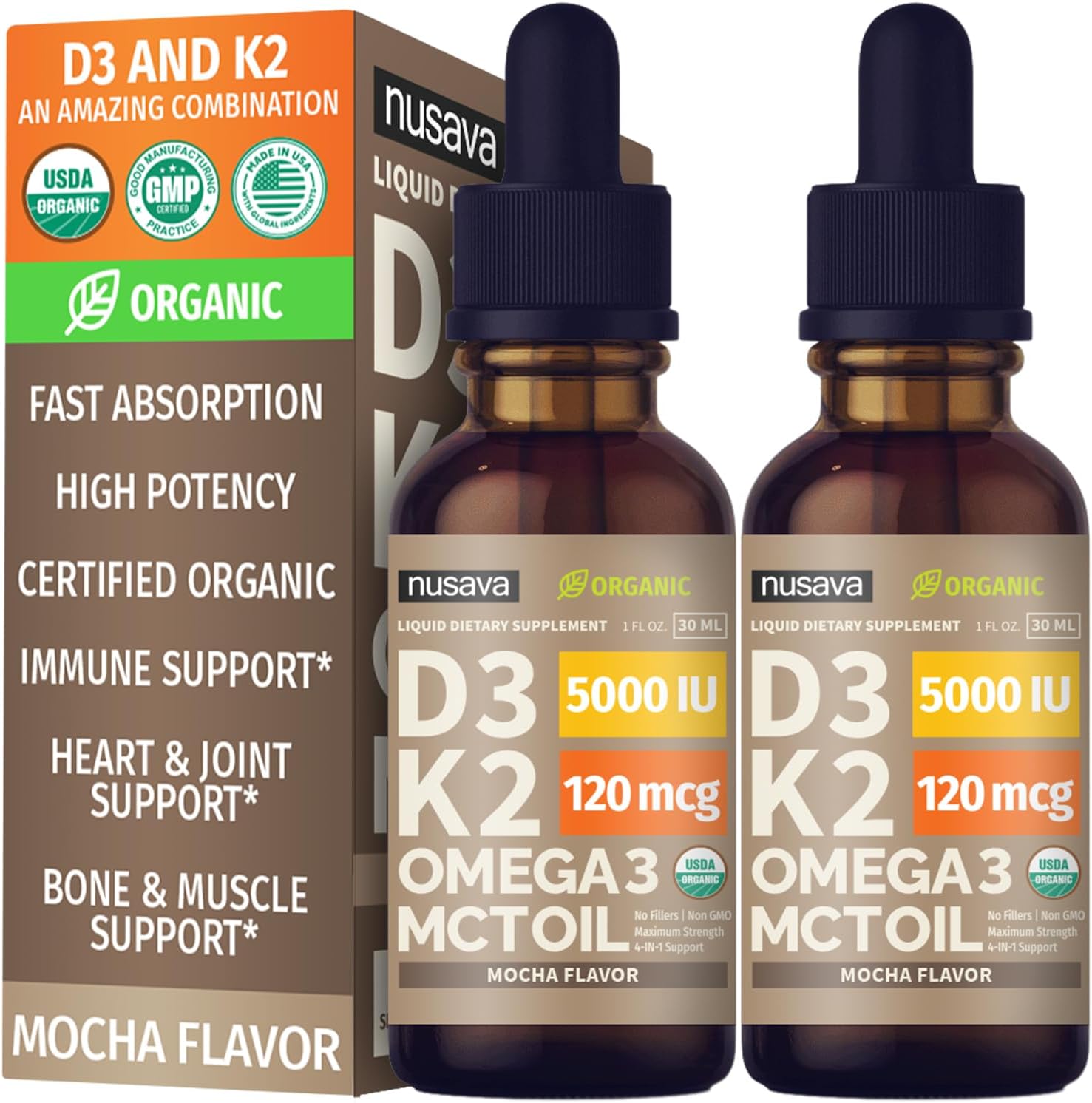
There’s also a practical elegance here. MCT oil tends to be easier to formulate into supplements, providing a consistent vehicle for fat-soluble vitamins such as Vitamin D3.
Why “Vehicle Matters”: The Unique Appeal of MCT-Backed Drops
Many people overlook a crucial concept: absorption depends not only on the nutrient, but also on the delivery format. Drops formulated with MCT oil can be appealing because they create a more cooperative environment for Vitamin D.
Here’s the metaphor: if Vitamin D is the package, MCT oil is the bubble wrap and forklift. It reduces fragility and supports handling—especially when the body needs to process a fat-soluble cargo.
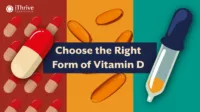
Liquid formats also offer dosing flexibility. You can tailor intake more precisely, and the experience often feels gentler than swallowing large capsules. Short sentences, long benefits: easier administration can improve consistency, and consistency can amplify results over time.
Bioavailability and Timing: Making Absorption More “Available”
The term bioavailability refers to how much of a substance is actually absorbed and becomes available for use. MCT oil may support this by influencing the digestion-to-transport transition. In particular, medium-chain fats may be processed more rapidly, which can help create a more favorable absorption context for Vitamin D.
Timing is also worth considering. Taking Vitamin D with meals can support absorption in general, because food stimulates digestive pathways and bile release. MCT oil can complement that effect by providing a lipid vehicle that fits more easily into the digestive pipeline.
In other words: not only does the nutrient matter—the timing of entry into the digestive system matters too. MCT oil can help make that entry less cumbersome.
Synergy with Vitamin D3 and K2: A Team, Not a Solo Performer
Vitamin D3 is often the star, but it rarely acts alone. Many formulas pair Vitamin D3 with Vitamin K2. This is not random. Think of Vitamin D3 as the instruction code that signals calcium-related processes. Vitamin K2 can be part of the finishing work—helping direct where calcium is encouraged to go.
MCT oil, in turn, helps ensure Vitamin D3 is more likely to reach the bloodstream efficiently. When the delivery is improved, the partnership between vitamins becomes more meaningful. It’s like tuning an orchestra: you want the instruments to arrive together and in rhythm.
For those seeking a comprehensive approach, the appeal is clear—supporting absorption and complementing downstream utilization mechanisms.
Gut Comfort and Formulation Considerations
Supplement design is an art of trade-offs. Some people are sensitive to certain fats, and digestion varies widely. MCT oil is generally well-tolerated by many users, but dosage still matters. Too much too quickly can lead to gastrointestinal discomfort for some individuals.
That’s why thoughtful dosing and gradual adjustment can be helpful. With liquid drops, it’s often easier to start with a smaller dose and work upward based on individual response.
Also consider consistency. Vitamins don’t operate like emergency sirens. They work like seasonal maintenance for the body’s systems—steady, cumulative, and quietly transformative.
Who Benefits Most: The Intriguing Candidates for MCT-Assisted Vitamin D
While Vitamin D needs vary by person, certain situations can increase the value of improved absorption strategies. Individuals with limited sun exposure, those who live in regions with less UVB intensity, and people who want a more supportive absorption approach may find MCT-based formulations especially intriguing.
Additionally, some people have dietary patterns that offer fewer fat sources. Since Vitamin D is fat-soluble, a better “transport arrangement” can be particularly helpful when dietary fats are inconsistent.
Even so, absorption is personal biology. Lifestyle, body composition, gut health, and baseline nutrient status all influence outcomes.
How to Use: Practical Guidance Without Overcomplication
To make absorption more cooperative, consider taking Vitamin D3 (especially when paired with K2) with a meal. The meal provides digestive momentum. MCT oil can function as the supportive vehicle inside that momentum.
Follow dosing instructions on the product label and consider periodic re-evaluation of Vitamin D status through a healthcare professional when appropriate. Meticulous doesn’t mean complicated. It means aligned—nutrient intake matched to personal needs.
Consistency remains the quiet superpower. A well-designed formulation helps; habits keep the rhythm.
The Bottom Line: MCT Oil as a Courier of Light
MCT oil’s role in Vitamin D absorption is best understood as a logistical improvement. It supports the lipid-friendly journey Vitamin D requires, helping the body access and utilize what it needs. The unique appeal lies in the metaphorical transformation from “nutrient on its own” to “nutrient delivered with intention.”
Vitamin D doesn’t just ask to be taken. It asks to be transported. And when MCT oil is part of the formula, the journey becomes more efficient—less wandering, more arrival. In that sense, MCT oil is not merely an ingredient. It’s the courier that helps the lantern find the room.