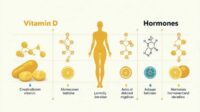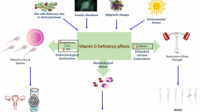
For years, “vitamin D” has been treated like a simple box to tick—take a supplement, aim for a number, move on. But what if the more interesting story is not the pill, but the physiology behind it? What if an optimal vitamin D level is less a fixed target and more a quiet conductor, orchestrating the conversations between calcium, bone remodeling, arterial health, and immune nuance? For women—especially across the shifting hormonal landscapes of young adulthood, midlife, and beyond—this perspective can change everything.
Consider this: the sunlight you chase in summer is not merely warmth. It is a biochemical prelude. The vitamin D status that follows can influence how confidently your skeleton holds firm, and how gently (or aggressively) your cardiovascular system responds as years accumulate.
Why Vitamin D Feels Like a “Missing Link” for Women
Vitamin D is often introduced as the “sunshine vitamin,” yet it behaves more like a hormone precursor. In women, its relevance becomes especially resonant because bone integrity is already shaped by estrogen’s protective effects. When estrogen declines, the bone remodeling cycle can tip toward resorption. Vitamin D helps rebalance that cycle by supporting intestinal calcium absorption and enabling proper mineralization.
It’s easy to assume bones are built only from structural protein and calcium alone. But vitamin D is the backstage technician: without it, calcium may be present in theory yet less available in practice. That subtle mismatch can matter over time. A low-to-marginal vitamin D status can feel invisible early on—no dramatic symptoms, just a slow erosion of physiological efficiency.
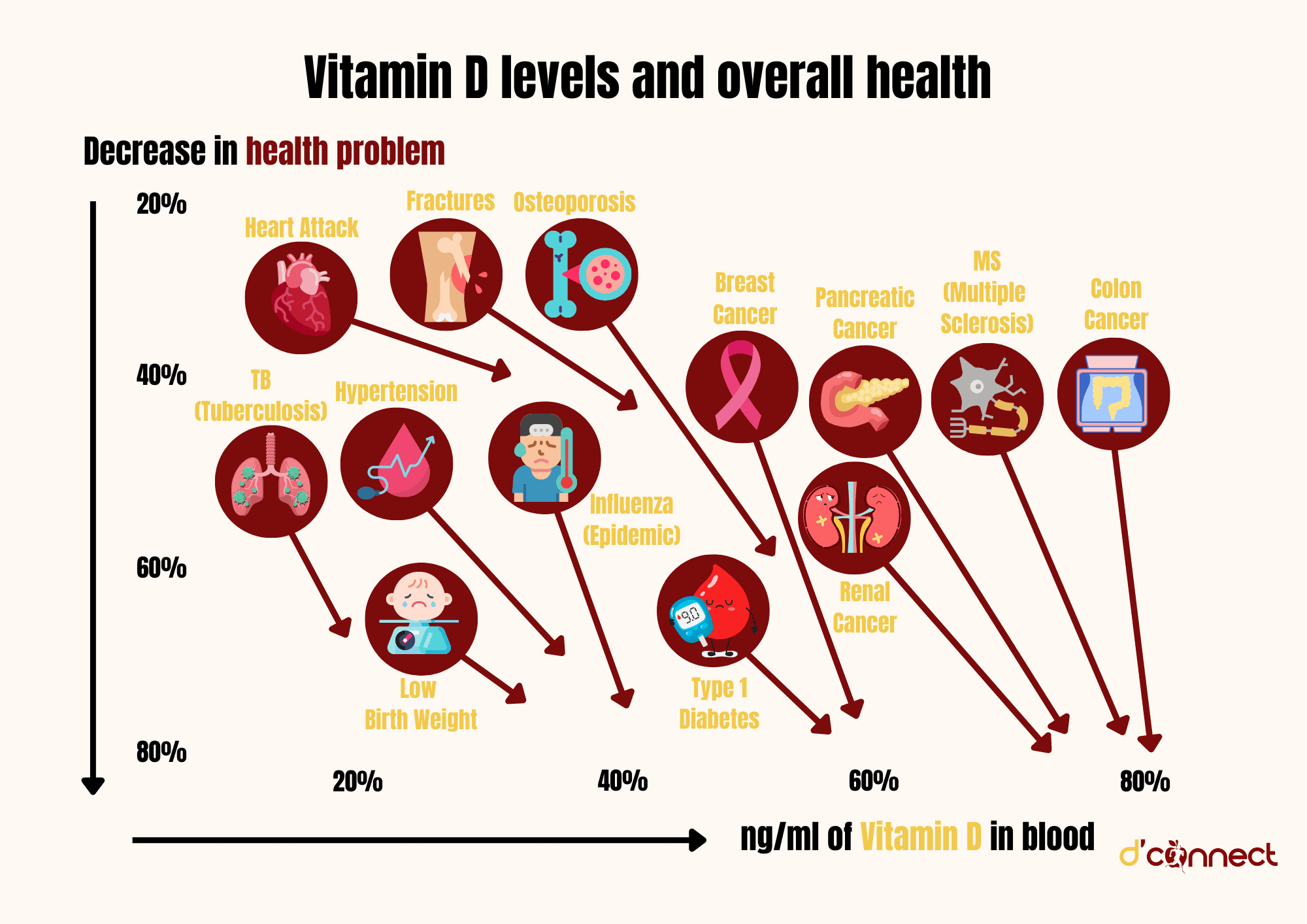
And then there’s the heart. Vitamin D’s influence on cardiovascular health is increasingly discussed through pathways involving vascular smooth muscle behavior, inflammation modulation, and endothelial function. The result is not a guarantee of protection. It’s a possibility: a more favorable internal environment that makes healthier outcomes easier to achieve.
The “Optimal” Range: Think in Terms of Function, Not Mystique
When people ask about “the optimal vitamin D level,” they often search for a single number like it’s a magic key. Reality is more nuanced. The most meaningful “optimal” is the level that supports physiological function—bone mineralization, calcium handling, and a calmer inflammatory tone—without pushing into unnecessary excess.
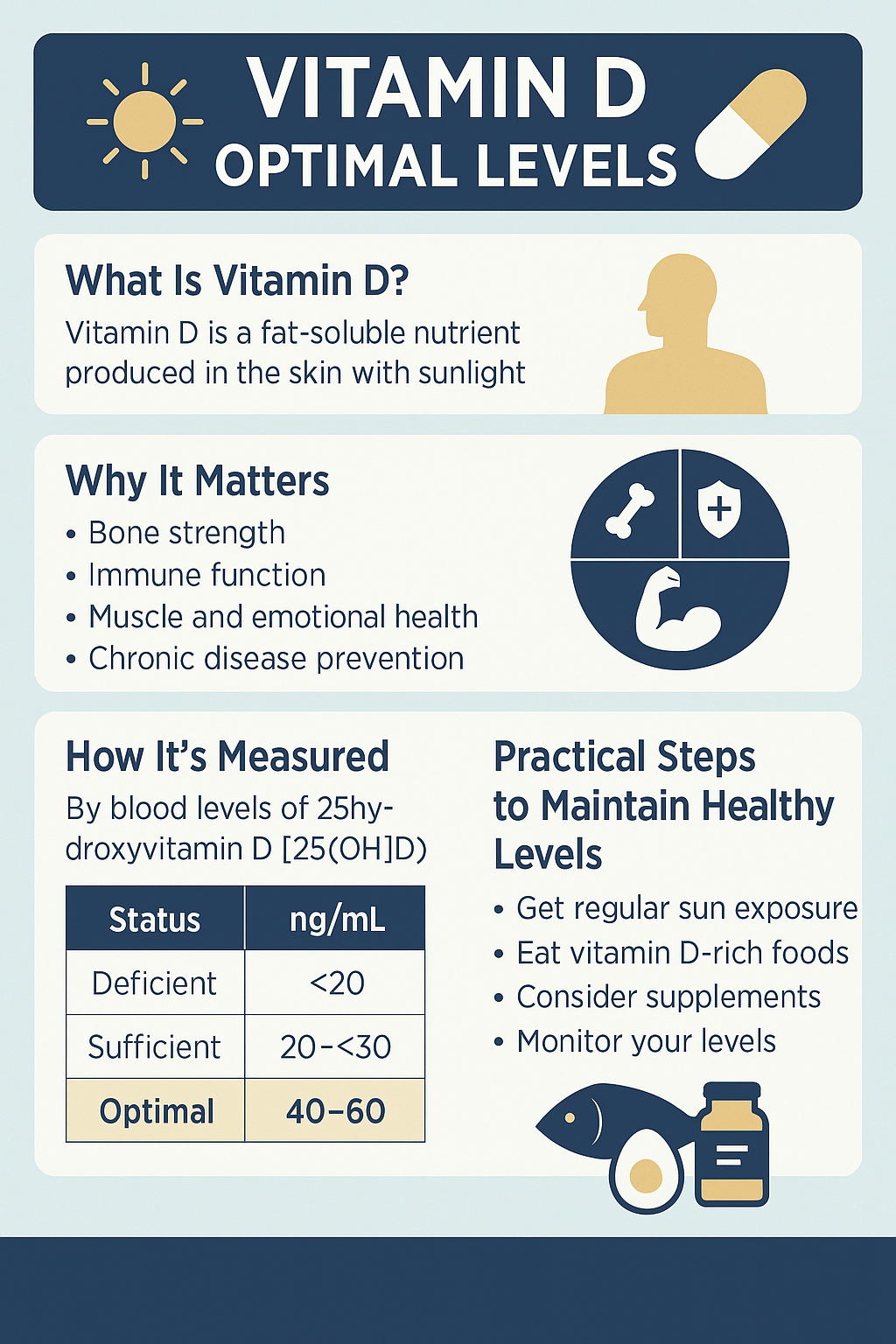
In clinical practice, the common marker is 25-hydroxyvitamin D, often abbreviated as 25(OH)D. Many women aim for a status that is sufficient to support bone health and reduce the likelihood of secondary issues such as impaired mineralization. But the best target can vary with baseline health, sun exposure, skin pigmentation, latitude, dietary intake, supplement form, and body composition.
Rather than treating the number as an abstract badge, approach it like a tuning dial. If your vitamin D level is low, bones may mineralize less efficiently. If it’s adequate, the body can run its calcium “logistics” smoothly. If it’s too high for prolonged periods, the body’s calcium regulation can become stressed. Optimization is balance—precision rather than intensity.
Bone Health: Remodeling, Mineralization, and the Quiet Strength of Adequacy
Bone is not inert. It is a living tissue, constantly remodeled. Osteoblasts build; osteoclasts remove. In a healthy system, remodeling resembles choreography—timed, coordinated, and responsive. Vitamin D supports the mineralization step by improving calcium absorption from the gut. That means more usable calcium for bone formation and maintenance.
Women are particularly attentive to this because bone mass peaks earlier than many other health metrics and then gradually declines with age. Add the hormonal transition around menopause, and the risk of accelerated bone loss becomes more pronounced. Low vitamin D status can amplify vulnerability by weakening the mineralization process and potentially encouraging secondary hyperparathyroidism, a hormonal response that can pull calcium from bone.
One perspective shift worth embracing: vitamin D doesn’t only “prevent osteoporosis” in a broad, promotional sense. It strengthens the machinery that keeps bones resilient—especially when other factors, like adequate dietary protein and weight-bearing activity, are also present.
Heart Health: Where Vitamin D Meets Inflammation and Vascular Tone
Cardiovascular disease is rarely a single-cause story. It is a tapestry woven from inflammation, oxidative stress, metabolic health, blood pressure patterns, and vascular function. Vitamin D enters the conversation through several pathways that are biologically plausible: it may influence inflammatory signaling, modulate immune responses, and affect how blood vessels behave.
Think of the endothelium—the vessel lining—as a finely tuned interface. When it functions well, it supports healthy blood flow regulation. When chronically stressed, it becomes more reactive and less balanced. Some researchers hypothesize that vitamin D adequacy could promote an internal milieu less prone to inflammatory overdrive.
Still, it’s important to avoid simplistic conclusions. Vitamin D is not a stand-alone “heart supplement.” But when deficiency exists, correcting it may remove a friction point—like repairing a partially blocked valve—allowing the body’s broader cardiovascular systems to operate more gracefully.
Who Is Most Likely to Need Optimization?
Vitamin D status is shaped by exposure and absorption. Many women may produce less vitamin D due to limited sun exposure, indoor lifestyles, sunscreen use without sufficient total exposure time, or living in higher latitudes. Skin pigmentation also plays a role; melanin can reduce vitamin D synthesis. Diet matters too—few foods naturally contain meaningful vitamin D, though fortified products can help.
Beyond lifestyle, certain health patterns can complicate vitamin D status: gastrointestinal malabsorption syndromes, chronic kidney issues, liver disease, and the use of some medications. Body composition matters as well; vitamin D is fat-soluble, and distribution can differ in ways that affect blood levels.
These factors don’t mean anyone is “doomed.” They mean optimization may require intentionality. The same way physical training is not one-size-fits-all, vitamin D dosing and targets often benefit from personalization.
Testing and Interpretation: Turning a Lab Result into a Plan
A blood test can convert uncertainty into direction. Measuring 25(OH)D provides a snapshot of status from recent weeks to months—more reflective than direct sunlight exposure on a single day.
Interpretation should be contextual. Vitamin D is one variable in a broader system. If vitamin D is low, a clinician may consider supplementation and check related markers such as calcium, parathyroid hormone (PTH), and sometimes magnesium or phosphate. The goal is to ensure your body is not compensating in ways that could influence bone and metabolic pathways.
Be wary of “guessing” without testing. Some women assume they’re fine because they feel well. Yet vitamin D deficiency can be stealthy. Feeling energetic does not necessarily correlate with optimal mineralization support.
Supplementation Strategies: A Gentle Approach with Measurable Outcomes
Vitamin D can be supplemented in different forms, and dosing is best treated like a tailored instrument. Some women need temporary correction followed by maintenance. Others benefit from steady daily intake paired with lifestyle adjustments.
Adherence matters. Short bursts can fail to correct long-term insufficiency unless carefully planned. A better mindset is continuity: consistent intake aligned with your measured blood level and risk factors.
Also consider timing and absorption. Taking vitamin D with a meal containing some dietary fat can improve uptake for many people. If you are on medications or have conditions affecting absorption, guidance becomes essential. The objective is not maximal dosing; it’s sufficient stability.
Sunlight Reframed: The Art of Safe, Strategic Exposure
Sunlight is an elegant input, but safety is non-negotiable. Sunburn is not a wellness achievement. The aim is to build vitamin D status without courting skin damage.
Women often toggle between two extremes—avoidance due to fear, or aggressive sun seeking. A more balanced approach is nuanced exposure: small, regular opportunities when feasible, alongside protective behaviors like avoiding peak intensity and prioritizing skin-sparing schedules.
Remember, seasonal variation is real. Winter months can reduce synthesis. That is why testing and maintenance planning can be useful year-round rather than only when symptoms appear.
Signs You Might Be Low (and Why They Can Mislead)
Low vitamin D can correlate with muscle aches, weakness, fatigue, or bone discomfort. Yet symptoms are notoriously nonspecific. Stress, sleep disruption, iron insufficiency, thyroid variability, and low magnesium can also mimic similar patterns.
Here is the shift that protects clarity: symptoms are not a reliable vitamin D compass. A lab result is. If you suspect deficiency—especially with risk factors—testing provides a more decisive pathway than interpretation by intuition alone.
A Practical Vision of “Optimal” for Women’s Whole-Body Resilience
The optimal vitamin D level for women’s bone and heart health is best understood as adequacy with intention. Adequacy supports calcium absorption and bone mineralization. With sufficient vitamin D status, the body can maintain a calmer endocrine rhythm, reducing the likelihood of compensatory stress on calcium balance.
For the heart, vitamin D sufficiency may help shape inflammatory and vascular conditions that influence long-term risk. It won’t replace healthy habits. But it can remove an avoidable biochemical disadvantage.
If you want a simple takeaway, it’s this: stop treating vitamin D as a trivia question. Treat it as a tuning measure—one that can help your bones stay architecturally sound and your cardiovascular system remain better regulated as life unfolds.