Insomnia can feel like a private meteorological event—one minute the night is ordinary, the next it’s stormy, sleepless, and stubbornly unyielding. Many people search for obvious culprits: stress, caffeine, errant bedtime routines. Yet an increasingly discussed biological variable is vitamin D status. When vitamin D runs low, sleep may become fragmented, quality may deteriorate, and the mind can linger in a hypervigilant loop. What do studies actually suggest? The evidence is still evolving, but a coherent pattern has begun to emerge: vitamin D deficiency and insomnia symptoms often travel together, and the relationship may involve inflammation, circadian signaling, mood circuitry, and metabolic strain.
Vitamin D: More Than Bone Chemistry
Vitamin D is often introduced as a nutrient for bones, but its reach is broader—almost synaptic in scope. Cells throughout the body can respond to vitamin D metabolites, including immune cells and regions associated with sleep regulation. Rather than functioning like a simple on/off switch, vitamin D appears to influence signaling cascades. These cascades can modulate neurotransmission, inflammatory tone, and hormonal balance.
When vitamin D is insufficient, the body may shift toward a higher inflammatory baseline. That matters, because inflammation can nudge the nervous system toward arousal. In practical terms, a person might notice they fall asleep later, wake more frequently, or feel unrefreshed even after a full night.
How Low Vitamin D Could Fuel Insomnia: The Biological Pathways
To understand insomnia in the context of vitamin D, it helps to think in mechanisms rather than slogans. Researchers propose several plausible routes—some direct, others indirect, and some likely interacting in a layered way.
Inflammatory signaling: Vitamin D helps regulate immune activity. Lower vitamin D may permit pro-inflammatory cytokines to rise, which can affect brain function and promote “sleep pressure” dysfunction—where the body doesn’t transition smoothly into restorative states.
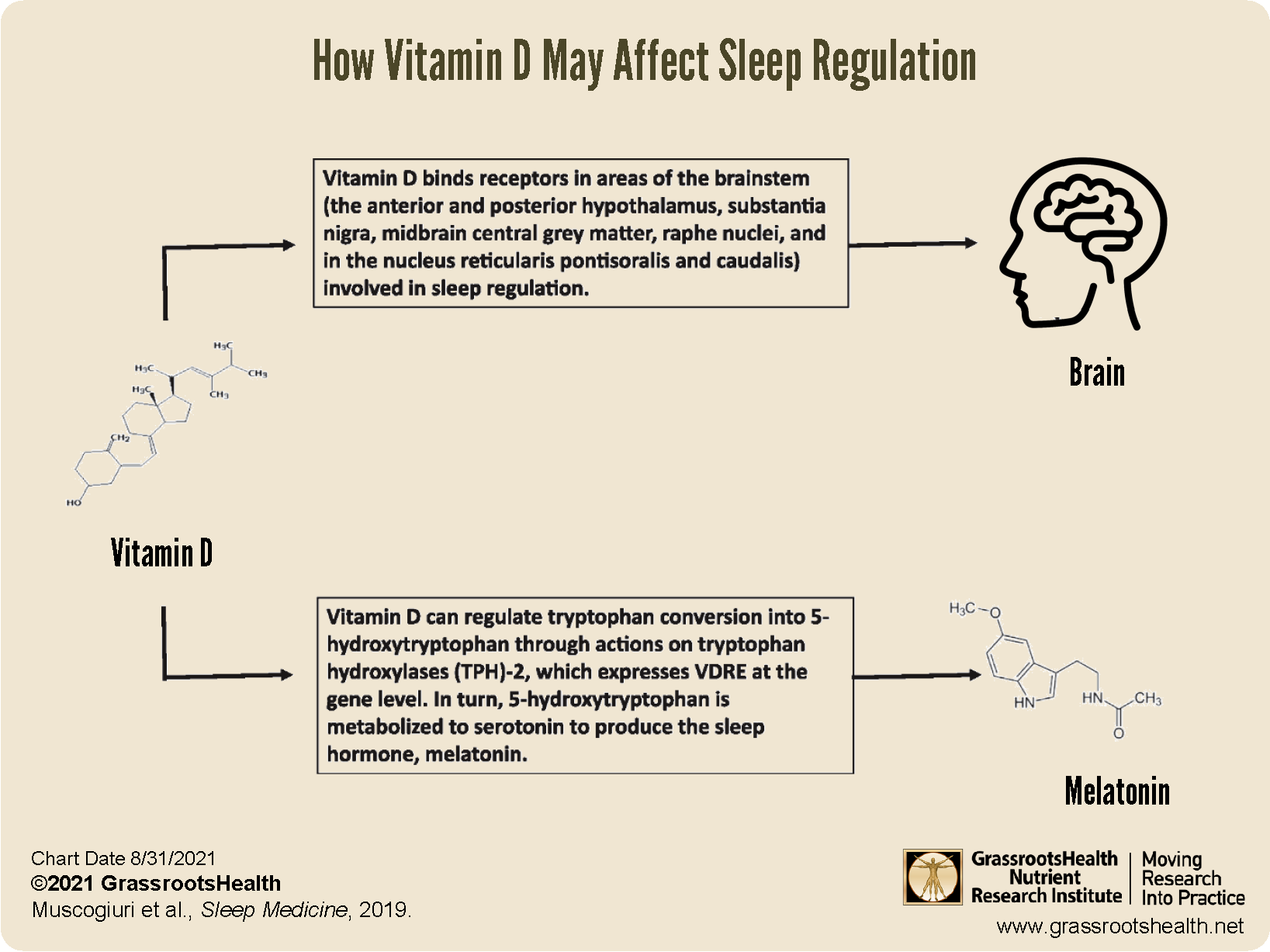
Neurotransmitter modulation: Sleep is not only mechanical; it is chemical and electrical. Vitamin D may influence pathways related to serotonin and other neurotransmitters that contribute to sleep onset and maintenance.
Circadian rhythms: The circadian system relies on gene expression timing and hormonal cues. Vitamin D receptors are present in many tissues involved in circadian regulation, suggesting deficiency could slightly shift the internal clock’s cadence.
Melatonin dynamics: While melatonin is famously tied to darkness and light exposure, downstream regulation may be affected by broader hormonal and immune signaling. If vitamin D deficiency disrupts those regulators, melatonin signaling can become less efficient.
What Observational Studies Reveal: Deficiency and Sleep Symptoms Often Co-occur
Many human studies start observationally—measuring vitamin D levels and comparing sleep patterns. Across these investigations, a repeated theme appears: people with lower vitamin D status are more likely to report insomnia symptoms. Sometimes that shows up as difficulty initiating sleep, other times as frequent awakenings or reduced perceived sleep quality.
It’s important to recognize what observational data can—and cannot—prove. These studies can establish patterns, but they can’t definitively confirm causation. Still, the consistency across populations strengthens the suspicion that vitamin D plays a meaningful role, not merely a coincidental one.
Another subtle but recurring observation is that vitamin D deficiency often clusters with factors that themselves affect sleep: limited sunlight exposure, sedentary lifestyle, higher stress load, and sometimes coexisting mood symptoms. The challenge for researchers is determining how much of the sleep impairment is mediated through vitamin D versus those accompanying variables.

Insomnia vs. Sleep-Disordered Breathing: Where Vitamin D Might Fit
Insomnia is a broad category, and it’s easy for conversations to blur distinct problems. Obstructive sleep apnea (OSA), for example, involves breathing interruptions and can fragment sleep profoundly. Some studies suggest vitamin D deficiency may correlate with sleep-disordered breathing metrics. The proposed link is not always straightforward, but inflammation and metabolic factors are common intermediaries.
If breathing events degrade sleep continuity, a person may perceive it as insomnia even if the root cause lies elsewhere. The brain then learns to brace for disturbance, which can heighten the difficulty of falling asleep or returning to sleep after awakenings.
Clinically, this matters: if someone suspects insomnia, it’s also worth considering whether symptoms of sleep apnea are present—loud snoring, witnessed pauses, morning headaches, or persistent daytime sleepiness. Vitamin D alone is unlikely to “solve” airway issues, but it may participate in the larger biological picture.
The Role of Mood, Pain, and Stress Physiology
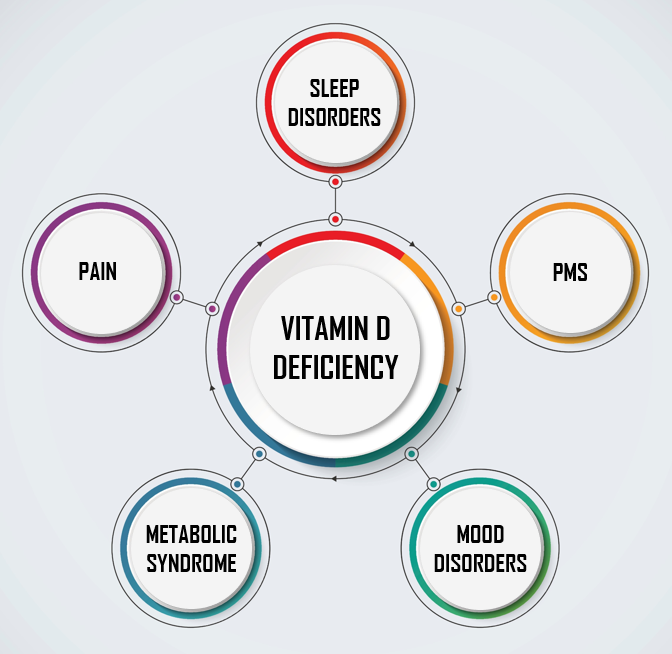
Insomnia rarely lives in isolation. Mood disorders and chronic discomfort often share the bed with sleeplessness, forming a feedback loop. Low vitamin D has been associated with dysregulated mood in multiple contexts. When mood circuitry shifts—especially toward anxiety or depressive symptoms—sleep architecture tends to suffer.
There’s also the question of pain. Pain can fragment sleep, and inflammation may amplify both pain perception and sleep disruption. Vitamin D’s potential immune-modulatory effect could therefore indirectly support sleep by damping inflammatory amplification.
In a person’s lived experience, this might look like the following: the night doesn’t just feel harder—it feels more emotionally charged. Thoughts race. The body feels restless. And even when sleep arrives, it doesn’t feel fully restorative.
Intervention Trials: Do Supplements Improve Sleep?
The next question is the most practical one: if vitamin D is low, will supplementing improve insomnia symptoms? Intervention studies—where participants take vitamin D and sleep outcomes are tracked—have produced mixed but promising signals. Some trials report improvements in sleep quality or reductions in insomnia severity, while others find little change.
Why the variability? A few reasons tend to surface. Baseline deficiency level matters: correcting a severe deficiency may yield more dramatic effects than adjusting a mildly low value. Dose and duration matter as well, as does whether participants also receive lifestyle guidance affecting circadian timing.
Another factor is the measurement method. Sleep can be assessed via questionnaires, diaries, actigraphy, or polysomnography. Different tools capture different dimensions of sleep, and insomnia is partly subjective—deeply connected to how rested someone feels.
In other words, supplementation may help some people, especially those who are truly deficient, but it’s not a universal solvent for insomnia.
Signs You Might Be Low: From Quiet Clues to Measurable Data
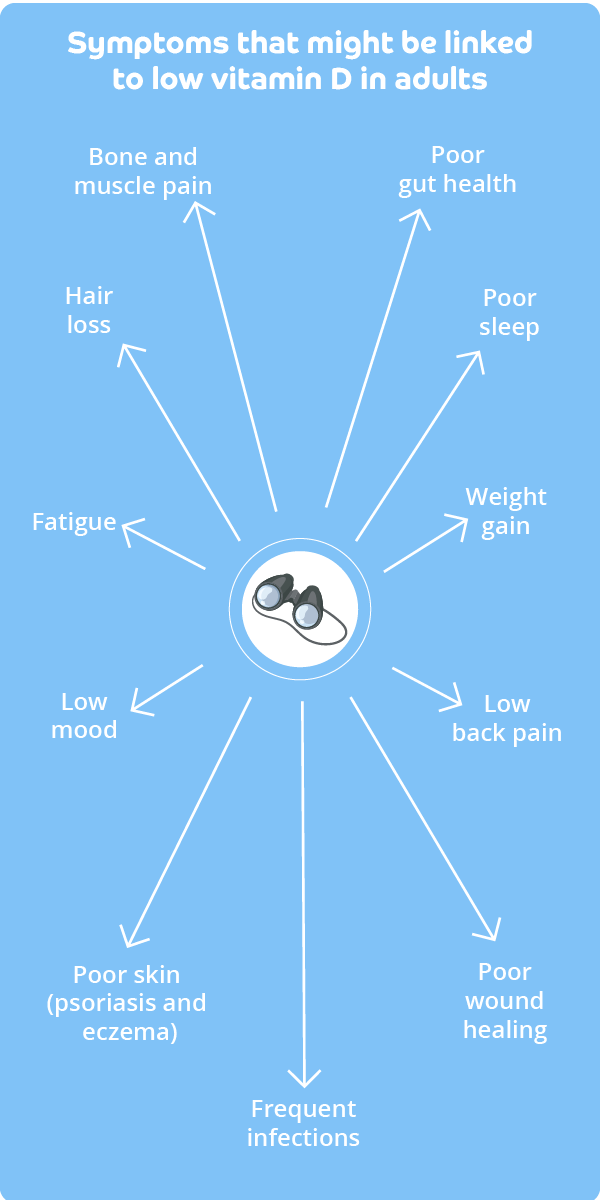
Vitamin D deficiency can be elusive. Some people experience fatigue, low mood, muscle aches, or increased vulnerability to illness, but these symptoms overlap with many other conditions. That overlap is precisely why testing is valuable.
A healthcare professional can order a blood test—typically measuring 25-hydroxyvitamin D—to clarify status. If results are low, targeted supplementation and safe follow-up can be designed to restore levels. Then sleep changes, if they occur, can be tracked as part of a broader plan rather than treated as an isolated experiment.
Still, an individual should avoid “guessing” dosing blindly. Vitamin D is fat-soluble, and excessive levels can be harmful.
How to Evaluate Your Sleep: Content Readers Can Expect
If you’re researching this topic, you’ll likely encounter several types of content—each helpful in a different way. Some articles focus on personal narratives and symptom patterns: difficulty falling asleep, restless nights, and waking repeatedly. Others present mechanistic explanations with diagrams of immune and circadian pathways. You may also see meta-analyses that summarize multiple studies, weighing effect sizes and identifying common trends.
Educational guides often include “what to do next” checklists: testing considerations, sleep hygiene foundations, and when to consult a clinician. Meanwhile, research-focused content might delve into study design quality, confounding variables, and subgroup outcomes—such as whether improvement is more likely in people with severe deficiency or specific comorbidities.
Collectively, these formats help readers move from curiosity to clarity: understanding the relationship, recognizing uncertainty, and deciding how to respond thoughtfully.
Practical Takeaways: Integrating Vitamin D into an Insomnia Strategy
If low vitamin D is part of your insomnia story, the most productive approach is integration rather than reductionism. Treat vitamin D status as one potential lever inside a multi-lever system.
Pair correction strategies with evidence-based sleep behaviors: consistent wake time, daylight exposure early in the day, limiting late-night caffeine, and reducing cognitive arousal before bed. If symptoms suggest sleep apnea or restless legs, pursue proper evaluation. And if insomnia is persistent or severe, professional guidance can help identify underlying causes and tailor treatment.
Vitamin D may not be the only key—but for some, it could be a quietly influential one. When deficiency is corrected, the body may regain a smoother inflammatory balance and more reliable neurochemical signaling—conditions that support sleep to come more easily, and stay.