What if your “dose” problem isn’t the Wegovy itself, but the missing piece that helps your body calibrate—Vitamin D? When you’re on a 2.4 mg Wegovy regimen, metabolism, appetite changes, and nutrient handling can shift in subtle ways. And that’s where Vitamin D dosage becomes more than a checkbox on a supplement label. It’s a strategic decision, one that can support immunity, skeletal integrity, and even mood regulation. Yet there’s a potential challenge: Vitamin D recommendations aren’t one-size-fits-all, and many people unknowingly underdose, overestimate their sun exposure, or skip follow-up labs. So, what’s the best Vitamin D dosage for patients on 2.4 mg Wegovy—and how do you approach it responsibly?
Why Vitamin D Matters When You’re on 2.4 mg Wegovy
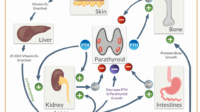
Vitamin D isn’t merely a “bone vitamin.” It behaves more like a hormone precursor, influencing a network of biological processes. It supports calcium absorption and helps maintain bone mineral density. It also plays a role in immune signaling—think of it as an administrator that helps the body interpret immune instructions correctly.
For patients on 2.4 mg Wegovy, weight loss can be gradual, but physiological changes can still occur quickly. When body composition shifts, vitamin storage dynamics may also change. Some individuals experience appetite suppression, reduced food variety, or gastrointestinal side effects that alter intake. Even if Vitamin D isn’t directly affected by Wegovy, the overall nutritional landscape may be.
That’s the crux: the “best dosage” depends on what your body needs right now, not what a generic guideline suggests.
The First Step: A Playful Question With a Serious Answer—Do You Actually Know Your Level?
Here’s a playful question: if Vitamin D were a mood ring for your physiology, would yours glow consistently—or would it flicker every time you step outside?
Most clinicians determine the starting point using a blood test, usually measuring 25-hydroxyvitamin D (25(OH)D). Without that marker, dosing becomes guesswork. And guesswork is risky because both deficiency and excessive intake can be problematic. Vitamin D deficiency is common, especially in people with limited sun exposure, darker skin pigmentation, higher latitude, or diets low in Vitamin D–rich foods.
For patients on Wegovy, the challenge is compounded by lifestyle variability: reduced calories can mean reduced nutrients, and reduced intake doesn’t always mean reduced demand.
Common Dosing Targets: What “Best” Often Means Clinically
In practice, “best Vitamin D dosage” typically means reaching and maintaining a target serum level. Many healthcare professionals aim for sufficiency—often around 30 ng/mL (75 nmol/L), though specific targets vary by guideline and patient context.
For patients who are deficient, clinicians may recommend a loading strategy—higher dosing for a period—followed by a maintenance dose. For those who are already sufficient, maintenance dosing is often lower.
Typical supplement ranges for adults are frequently in the ballpark of 800 to 2,000 IU daily for maintenance, but deficiency may warrant higher amounts under medical supervision. The “right” number depends on baseline level, body weight, medication interactions, kidney function, and risk factors for hypercalcemia.
Because Wegovy can coincide with changes in diet and weight, the dose that worked earlier in the year might become insufficient later.
Potential Challenges: Under-Dosing, Over-Supplementing, and “Quiet” Lab Drift
One challenge is under-dosing. People may take a token amount “just in case,” but the body may require more to correct a low baseline. Another challenge is over-supplementing—especially when users stack products (multivitamins + separate Vitamin D + occasional high-dose drops) without realizing the total daily intake.
There’s also “quiet lab drift.” A person may feel fine while vitamin stores slide downward. Vitamin D status can change due to seasonal sun exposure, altered dietary patterns, or consistent indoor living. The body doesn’t always announce deficiency with dramatic symptoms, which makes periodic reassessment valuable.
Patients on Wegovy should be particularly mindful of labs if they’ve had long-term dietary restriction, recurrent gastrointestinal effects, or rapid weight loss.
How to Choose a Dosage Plan: A Practical, Patient-Centered Approach
A sensible pathway often looks like this: test first, then tailor. If baseline 25(OH)D is low, clinicians may prescribe a temporary higher dose to restore stores. After a repletion window (often several weeks to a few months), dosage is adjusted to a maintenance level.
If baseline is borderline, a moderate maintenance plan may be used with repeat testing after an interval. If baseline is adequate, a standard maintenance dose may suffice.
Because patients on 2.4 mg Wegovy may experience eating pattern changes, it’s wise to review total nutrient intake. Some people do better with a structured supplement routine than with “as needed” dosing.
Ultimately, the best plan is the one that’s consistent, monitored, and aligned with lab results—not with assumptions.
Food Synergy: Pairing Vitamin D With Calcium, Protein, and Magnesium
Vitamin D works best with a supporting cast. Calcium absorption is its headline function, so calcium intake matters. Many individuals on weight-loss regimens may inadvertently reduce dairy or calcium-rich foods. Calcium doesn’t need to come exclusively from dairy—fortified plant milks and certain leafy greens can contribute, though absorption varies by source.
Magnesium is another unsung ally. It helps with Vitamin D metabolism, and low magnesium status can blunt efficiency. Protein intake also deserves attention. Skeletal remodeling is metabolically busy; without adequate protein, bone and muscle maintenance can be less resilient during weight change.
Short sentence, long impact: your supplement should fit into a nutrition pattern, not float alone.
Safety Notes: When Caution Becomes Non-Negotiable
High Vitamin D intake can cause toxicity in rare cases, typically through sustained excessive dosing leading to hypercalcemia. People with certain kidney disorders, a history of kidney stones, or conditions affecting calcium regulation may require more careful monitoring. Symptoms of excessive calcium can include nausea, constipation, increased thirst, and confusion—none of which should be ignored.
Another safety point involves medication interactions. Thiazide diuretics, certain anti-seizure medications, and some osteoporosis treatments can alter Vitamin D handling. If you’re taking any chronic medications, dosage selection should be coordinated with a clinician.
Rather than chasing megadoses, a measured plan with lab follow-up generally offers a better balance of efficacy and safety.
How Often to Recheck Labs While on 2.4 mg Wegovy
Think of Vitamin D testing like routine calibration. After starting or changing dosage, many clinicians recheck 25(OH)D after a suitable interval—often around 8 to 12 weeks—so the body has time to equilibrate. If levels normalize and remain stable, testing frequency may decrease.
For patients who are actively titrating doses, have inconsistent intake, or experience ongoing gastrointestinal issues, repeat testing may need to be more frequent. The goal is to keep levels in a healthy zone without overshooting.
Even if you feel well, labs offer the “ground truth” your body doesn’t always provide.
What About Vitamin D Form and Timing?
Vitamin D comes mainly in two forms: D2 and D3. Many clinicians prefer Vitamin D3 (cholecalciferol) for supplementation, though both can work depending on the context. Timing can also matter. Taking Vitamin D with a meal that contains fat can improve absorption because it’s fat-soluble.
For patients on Wegovy, meals may be smaller and more frequent. That can work in your favor if the supplement is taken alongside a meal rather than on an empty stomach. Consistency beats sporadic dosing—especially when appetite fluctuates.
Here’s a simple image in your mind: absorption is easier when Vitamin D rides with food, like a passenger on a well-timed commute.

A Clear Takeaway: The “Best” Dosage Is Personalized, Not Generic
The best Vitamin D dosage for patients on 2.4 mg Wegovy is the one that corrects deficiencies, maintains sufficiency, and stays safe for your specific health profile. Begin with a Vitamin D blood test when possible. Then select a dose—sometimes requiring short-term repletion, sometimes just maintenance—followed by rechecking labs to confirm your stores are stable.
If you’re wondering whether to start, adjust, or stop, treat it like a planned conversation with your clinician, especially if you have kidney issues, take interacting medications, or have a history of calcium-related problems.
And remember: Wegovy changes more than weight—it can reshape nutritional patterns. Vitamin D is your chance to support the body’s infrastructure while you navigate that change.