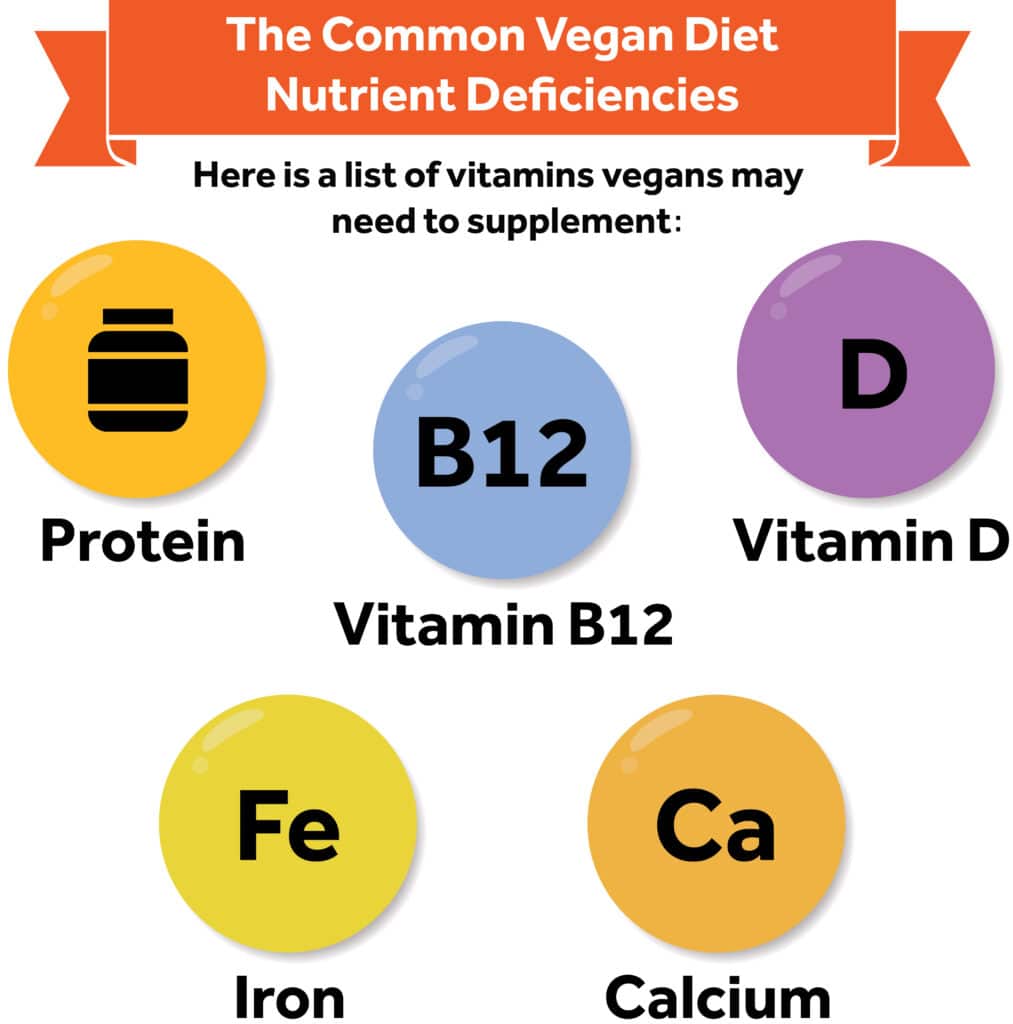
Have you ever wondered how a label as “vegan” can still lead to a vitamin D low? It sounds paradoxical—especially when the diet is built on careful choices. Yet vitamin D deficiency is not a myth, and it can happen even when people diligently consume vitamin D2. So here’s the playful challenge: imagine your body as a meticulous librarian. Vitamin D is the book you think you’ve checked out… but somehow it never makes it onto the shelf. Why?
Vitamin D: Not a single step, but a whole relay race
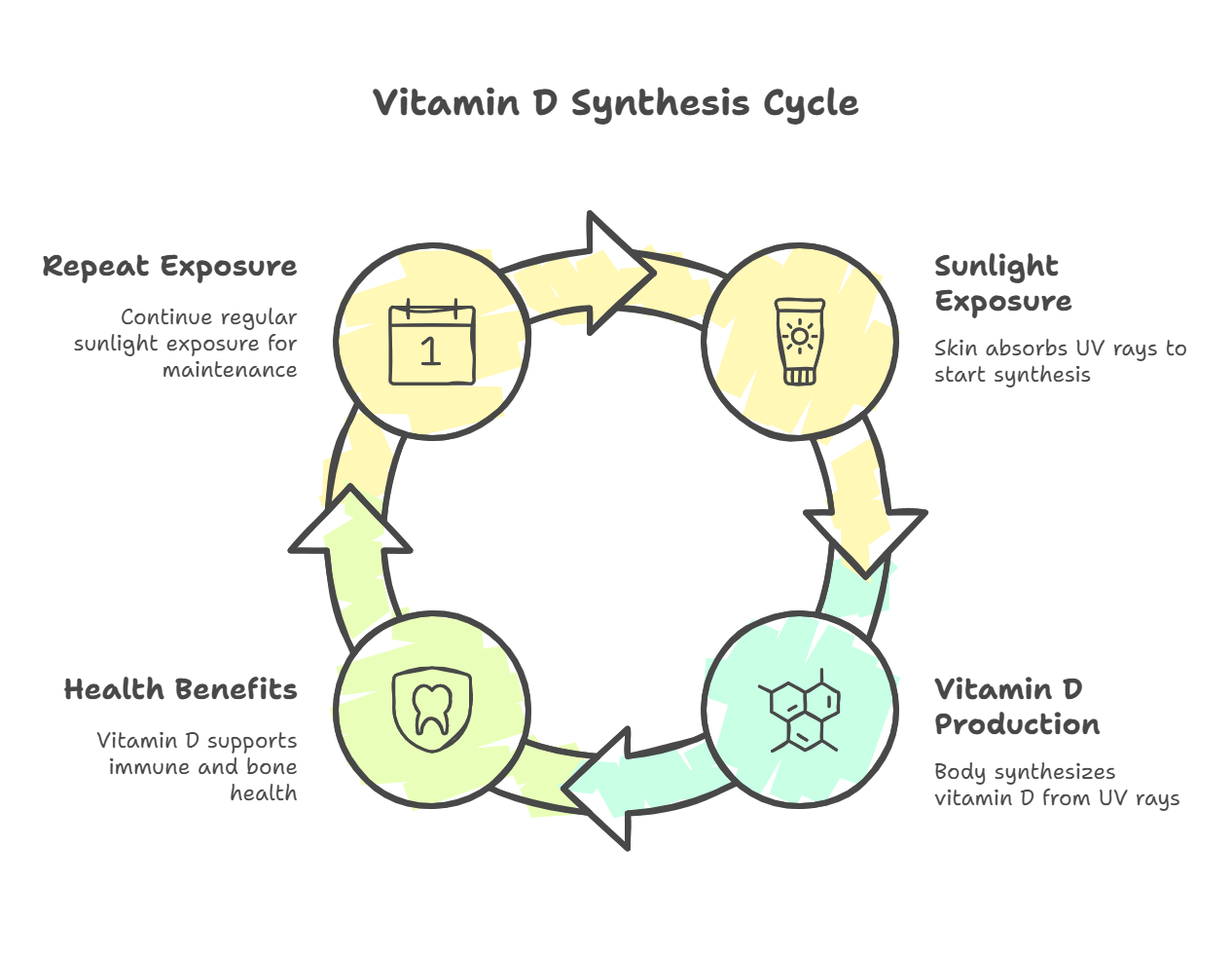
Vitamin D biology is less like a light switch and more like a relay baton. You can’t just add “vitamin D” and assume everything downstream will automatically click into place. First, vitamin D needs to be obtained (from sunlight or diet). Then it must be metabolized in the liver, followed by an activation step in the kidneys. After that, it can participate in bone health, immune signaling, and muscle function.
This matters because “getting D2” doesn’t guarantee “usable D in the bloodstream” at the levels your body requires. In some people, conversion efficiency varies. In others, losses accumulate quietly over time. The result can look like a dietary mystery—when it’s actually physiology running on its own schedule.
Vitamin D2 vs. vitamin D3: the potency question
Vitamin D comes in different forms, and not all forms behave identically. Vitamin D2 (ergocalciferol) is the form commonly encountered in plant-based supplements and some foods, while vitamin D3 (cholecalciferol) is more typical in animal-derived sources and many conventional supplements.
Even when a vegan takes D2 consistently, the body’s response can be less robust than expected. Research and clinical observations often suggest that D3 may raise blood levels more effectively for many individuals. Meanwhile, D2 can still help, but outcomes may differ based on dose, baseline status, adherence, and individual metabolism.
That’s why someone can do “everything right” by vegan standards and still land in deficiency territory—like following a recipe perfectly while the oven runs cooler than it should.
Absorption isn’t guaranteed: the fat-transport hitch
Here’s a sneaky detail: vitamin D is fat-soluble. That means it relies on digestion and bile-mediated fat absorption to move properly through the gastrointestinal system. If D2 is taken without sufficient dietary fat, absorption can be underwhelming.
Consider how routines vary. Some people take supplements on an empty stomach to “keep it clean.” Others have low-fat meals, altered appetite, or digestive quirks. Even a generally healthful vegan diet can inadvertently reduce the conditions that optimize fat-soluble vitamin uptake.
So the supplement may be present, but uptake may be impaired—an invisible traffic jam in the digestive system.
Sunlight: the obvious fix that isn’t always available
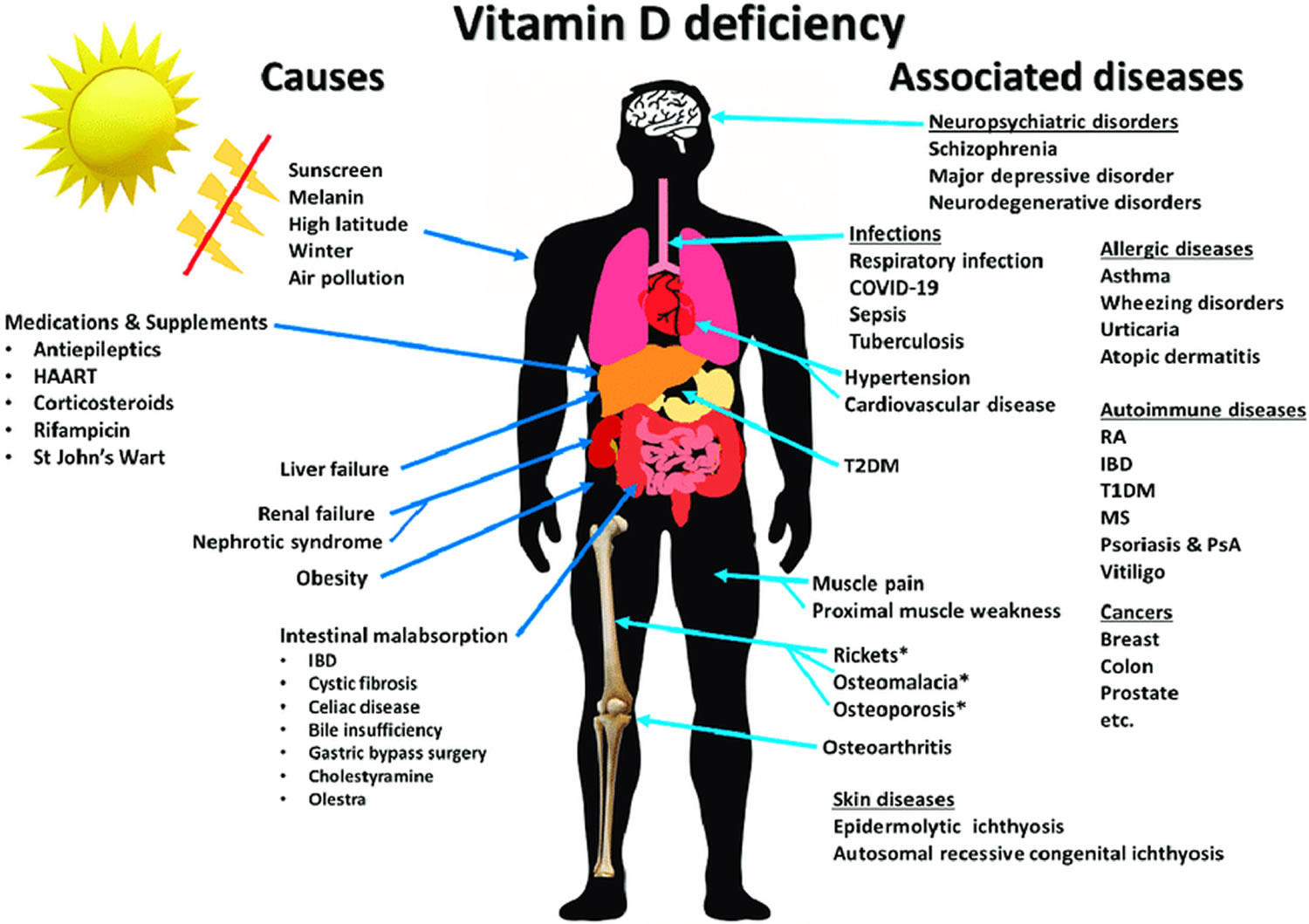
Sun exposure is often treated as the natural solution, but it’s not universally reliable. Latitude, season, cloud cover, and winter daylight hours matter. Skin pigmentation influences vitamin D synthesis. So does sunscreen use (which is smart for skin cancer prevention, but it reduces vitamin D production).
Then there’s behavior. Some vegans spend most time indoors. Some are covered for cultural reasons. Some live in urban areas with tall building shadows. The result: even with D2 intake, the “sunlight channel” may be largely closed.
Deficiency risk increases when multiple variables stack at once—less sunlight plus less efficient dietary absorption equals a perfect storm of biochemical scarcity.
Baseline levels and time lag: deficiency doesn’t vanish overnight
Another twist is timing. Vitamin D status reflects longer-term intake and synthesis, not just yesterday’s meal. If someone starts supplementation after already being low, restoring reserves can take time.
Some people expect rapid normalization. Yet vitamin D is stored in body tissues and released gradually. If the starting point is very low, maintenance dosing may not be enough. A “steady” dose can prevent further decline, but it might not rebuild levels efficiently without a higher initial strategy.
This can create confusion: bloodwork may show persistent deficiency despite “doing D2,” simply because the body hasn’t been given a sufficient runway to recover.
Dosing may be too timid (even when it’s consistent)
Consistency is virtuous, but it’s not the same as adequacy. Many vegan supplements contain relatively modest vitamin D2 amounts, sometimes designed for general wellness rather than correction.
Individual needs can differ greatly. Body weight, age, liver/kidney function, and overall diet composition all influence requirements. People with malabsorption syndromes or chronic inflammatory conditions may need a different approach entirely.
If the dose is consistently below what’s needed for a particular person’s circumstances, deficiency becomes a long game. The body adapts, slowly, by rationing—until blood levels and symptoms make the situation undeniable.
Meal composition: calcium, magnesium, and the downstream ecosystem
Vitamin D doesn’t work alone. It functions in a broader hormonal environment tied to calcium balance, magnesium availability, and overall metabolic health. A vegan diet can be excellent, but certain patterns—like very low magnesium intake, low-calcium intake, or high-phytate diets without adequate minerals—can contribute to a less favorable mineral landscape.
That doesn’t always cause deficiency by itself, but it can worsen the functional consequences of low vitamin D. People may feel weak, achy, or fatigued and wonder why. Sometimes vitamin D deficiency is only one piece of a more intricate puzzle.
Think of it as a symphony. Vitamin D is the conductor, but the brass section still needs proper instruments.
Testing blind spots: assuming you’re fine without measuring
Many vegans don’t test vitamin D regularly, and that’s understandable—there’s no obvious symptom in the early stage. Vitamin D deficiency can present subtly: low mood, muscle discomfort, reduced exercise performance, frequent colds, or slower recovery. These can be misattributed to stress, aging, or simply “being busy.”
However, deficiency is best identified with blood testing—especially looking at 25-hydroxyvitamin D levels. Without this, decisions can become guesswork, and guesswork can keep someone perpetually “almost adequate” rather than truly sufficient.
Hidden barriers: malabsorption, medications, and metabolic quirks
Even with excellent intention, some internal factors can interfere. Gastrointestinal conditions like celiac disease, Crohn’s disease, or chronic gastritis can impair nutrient absorption. Weight-loss surgery and certain chronic digestive disorders can also alter how fat-soluble vitamins are processed.
Medications matter too. Some anticonvulsants, corticosteroids, and other drug classes can affect vitamin D metabolism. Kidney or liver issues can interfere with conversion steps from inactive to active forms.
So, a vegan diet isn’t the villain. The plot thickens due to “life mechanics” that sit beneath food choices.
Practical reality check: how D2 can still help
The goal isn’t to panic. Vitamin D2 can absolutely be part of a rational plan. The key is aligning intake with biology. Taking D2 with a meal that includes some healthy fat can improve absorption. Selecting an appropriate dosage strategy—especially when correcting a known deficiency—can prevent long-term shortages.
Some people use D2 through fortified foods and supplements. Others track sun exposure and adjust seasonally. The best approach is individualized: measure, interpret, and then adjust.
And yes, occasionally it means recognizing that D2 alone at a low dose might not be enough for a particular body in a particular climate.
The playful wrap-up: your body isn’t ignoring you—it’s negotiating
If you’ve been vegan and still suspect vitamin D deficiency, don’t blame your character. Blame the complexity. Vitamin D is a multi-step system shaped by sunlight availability, absorption dynamics, dose adequacy, metabolic conversion, and mineral ecosystem support.
So, consider the challenge again: could it be that you’re feeding the librarian, but the shelves are being built slower than expected? With testing, thoughtful dosing, and an eye on absorption conditions, that mystery becomes a solvable problem—one careful adjustment at a time.