Vitamin D is often spoken about as a single nutrient, yet it arrives in multiple molecular “incarnations.” Two of the most familiar forms are D2 (ergocalciferol) and D3 (cholecalciferol). Both help your body marshal calcium and phosphorus, support immune signaling, and influence bone remodeling. Still, when people ask about toxicity risk, they’re really asking something subtler: how dose, duration, metabolism, and individual physiology interact with each form. In other words, toxicity isn’t only about the label—it’s about the biochemical itinerary that follows after ingestion.
Vitamin D Toxicity: What “Too Much” Means in the Body
Toxicity of vitamin D is typically synonymous with hypercalcemia, a state where blood calcium climbs beyond what tissues and renal pathways can comfortably manage. Your body normally maintains calcium through tight regulation—parathyroid hormone, kidney reabsorption, and vitamin D–mediated absorption in the gut. When vitamin D levels are chronically elevated, the system can overcorrect, leading to symptoms that may feel like dehydration, gastrointestinal distress, or neurologic unrest.
Most toxicity narratives revolve around long-term high-dose supplementation. Acute toxicity can occur, but it is rarer. The “danger window” is influenced by baseline vitamin status, kidney function, other medications, and even body composition. Short-lived spikes may be less harmful than steady, long-duration elevations, because your physiology can sometimes buffer transient changes more effectively.
For readers, this means the risk assessment should be framed as a spectrum rather than a single threshold. The same dose might be tolerated differently across individuals, especially when one form is metabolized or stored differently.
D2 vs D3: Structural Differences That Affect Behavior
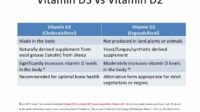
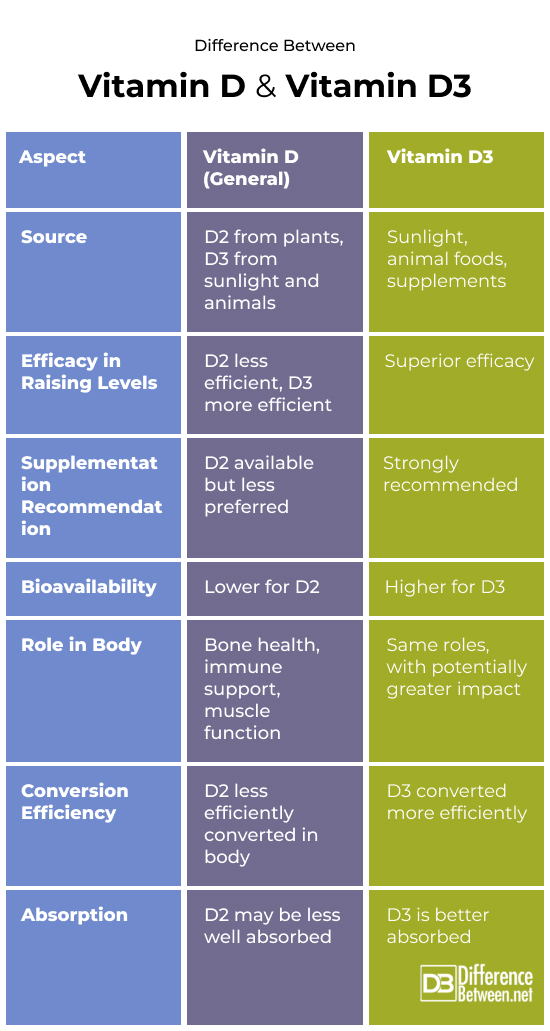
D2 and D3 share the same core role, yet their chemistry nudges their pharmacokinetics in distinct directions. Vitamin D3 is synthesized in skin under ultraviolet exposure and is commonly found in animal-based dietary sources. Vitamin D2 is typically produced from plant or fungal sources and often appears in fortified foods and supplements.
At the molecular level, they differ in side-chain composition. Those small structural distinctions can translate into differences in how long each form remains active in circulation and how efficiently it is converted into subsequent metabolites. The end result is that D3 often shows a more durable increase in circulating vitamin D metabolites, while D2 may be more variable depending on dose, baseline status, and the timing of measurement.
Why does that matter for toxicity? Because “risk” follows persistence. If one form tends to linger longer at higher metabolically relevant levels, then repeated dosing can create a more sustained calcium-boosting environment.
How Vitamin D Becomes Active: The Metabolic Conveyor Belt
After ingestion, vitamin D doesn’t immediately behave like a fully functioning “hormone.” It travels through a metabolic conveyor belt: first it is converted in the liver to 25-hydroxyvitamin D (calcidiol), then it is further hydroxylated in the kidneys to the active form, 1,25-dihydroxyvitamin D (calcitriol). Toxicity generally emerges when calcidiol rises substantially for prolonged periods, allowing downstream calcitriol signaling to intensify calcium absorption.
Both D2 and D3 can be processed through this pathway, but the efficiency and persistence of their metabolites can differ. Readers should watch for a common misconception: that calcitriol itself is the primary driver of toxicity. In many monitoring strategies, calcidiol is the key marker because it better reflects vitamin D stores and dosing effects.
This metabolic map is also why “toxicity risk” cannot be judged solely by how much vitamin D is swallowed. It depends on how much reaches and stays in the calcidiol pool.
Why D3 Often Receives the “Higher Potency Over Time” Reputation
Across many nutrition discussions, D3 is frequently described as more potent at raising blood 25-hydroxyvitamin D levels over time. Potency here doesn’t mean D2 is harmless—it means the same nominal dose may produce different elevations in measured vitamin D stores. A higher and more sustained calcidiol rise can, in turn, increase the probability of overshooting into hypercalcemic territory, particularly when supplementation continues despite already adequate levels.
Importantly, toxicity risk is not automatically worse for D3 in every person. If someone supplements conservatively, monitors their status, and has no predispositions, D3 may remain well within a safe zone. The risk becomes more pronounced when high doses are paired with long durations, impaired renal clearance, or concurrent conditions that make calcium handling less forgiving.
Think of it like this: if D3 tends to keep the “vitamin D engine” running at a higher RPM for longer, then the fuel threshold for risk may be reached sooner with repeat dosing patterns.
D2 and Storage Dynamics: Variability, Not Mythology
D2 is sometimes portrayed as less “powerful,” but it’s better to describe it as potentially more variable. Variability can appear through formulation differences, adherence patterns, and individual metabolic responses. Some people experience a less robust increase in calcidiol with D2 compared with D3, while others see meaningful rises.
Crucially, variability doesn’t equal safety. If D2 is dosed aggressively—especially through repeated high-dose supplementation—calcidiol can still climb. When that happens, the physiologic consequences are not magically transformed just because the starting form was D2. Calcium absorption can intensify, and the kidneys may become burdened, leading to symptoms of hypercalcemia.
For readers, the takeaway is straightforward: avoid dose escalation based on assumptions of form superiority. Monitor status. Use conservative dosing. Respect the timeline of vitamin D kinetics.
Symptoms That Hint at Vitamin D Overload
Toxicity often announces itself indirectly. Early symptoms may include nausea, constipation, abdominal discomfort, increased thirst, and frequent urination. As hypercalcemia progresses, fatigue, weakness, confusion, and muscle aches may appear. In more severe cases, dehydration can worsen because calcium-driven diuresis increases fluid loss.
Kidney-related clues—like flank discomfort or impaired kidney function—should be treated seriously. Calcium can deposit in renal tissues in extreme scenarios. Neurologic manifestations can include irritability or impaired concentration. The clinical picture can overlap with other conditions, which is why laboratory assessment is so important.
If someone suspects toxicity, they should not rely on symptom guessing alone. Symptoms are nonspecific; laboratory values guide accurate interpretation.
How Dosing Patterns Change the Toxicity Curve
One of the most important risk modifiers is dosing pattern. Daily low dosing differs from intermittent high-dose “boluses.” With vitamin D, the half-life and storage capacity mean that spaced doses can accumulate unpredictably. A strategy that seems reasonable at first may become problematic if a person continues the regimen after their vitamin D status has already normalized.
Long-term high dosing is where toxicity risk concentrates. Short-term mega-dosing has also been implicated in some settings, particularly when dosing is repeated without follow-up testing. Readers should consider that supplementation is not a one-time act—it’s an evolving exposure.
It’s also worth remembering that diet and sunlight contribute. People who take supplements while also consuming fortified foods or receiving significant sun exposure can add “silent” vitamin D intake. That stacked intake can tip the balance even at doses that appear modest on paper.
Who Faces Higher Toxicity Risk: The Vulnerable Subgroups
Some individuals should be extra cautious. People with kidney disease may struggle to clear calcium efficiently. Those with granulomatous disorders (certain immune-mediated conditions) may process vitamin D metabolites differently, sometimes producing excess active signaling. Those with primary hyperparathyroidism can already have a tendency toward elevated calcium.
Medication interactions can matter too. Thiazide diuretics can raise calcium retention. Other regimens may affect vitamin D metabolism or calcium balance. Even severe dehydration can amplify calcium concentration, making calcium’s effects felt more strongly.
If you’re reading this as someone who belongs to a higher-risk subgroup, the most protective move is disciplined monitoring rather than guessing.
Lab Monitoring: The Practical Compass for Safety
Testing typically focuses on serum 25-hydroxyvitamin D, since it reflects body stores. If levels are elevated, a clinician may also evaluate serum calcium and sometimes kidney function markers. This approach turns toxicity risk from an abstract fear into a measured reality.
Testing intervals depend on dose and baseline status. For higher-dose supplementation, follow-up after an appropriate time frame helps prevent prolonged overexposure. For long-term maintenance, periodic monitoring ensures values remain in a healthy band.
Readers should remember that the “safe” number isn’t universal. Individual targets vary with health status, age, and clinical context.
Choosing Between D2 and D3: Safety-Oriented Decision Framework
Choosing D2 or D3 should be less about brand narratives and more about a safety-oriented framework: baseline vitamin D status, expected response, dosing conservatism, and monitoring readiness. If a person needs supplementation but can reliably test and adjust, either form may be used appropriately under guidance.
D3 may be favored in many settings because it commonly raises calcidiol more effectively and predictably. D2 can still be a valid option—especially for dietary preferences and in contexts where it is more readily available—but it should be dosed thoughtfully and rechecked when elevated levels are possible.
Ultimately, toxicity risk is best managed by respecting kinetics and avoiding persistent high exposure without verification.
Preventing Toxicity: A Reader-Ready Checklist
Prevention is not complicated, but it is disciplined. Keep doses within recommended ranges unless supervised. Avoid stacking multiple vitamin D products unknowingly. Consider sunlight exposure as a contributing variable, not a separate universe. Schedule laboratory follow-ups when taking moderate-to-high doses, and reassess when symptoms or risk factors change.
If someone has already been supplementing, an initial lab check can clarify whether further dosing is needed. If levels are adequate, maintenance strategies should be modest and time-limited, with periodic reassessment.
Above all, treat vitamin D like an active metabolic influencer—not merely a passive vitamin. That mindset converts “toxicity fear” into informed stewardship.

When to Seek Medical Help Immediately
If severe symptoms occur—marked confusion, persistent vomiting, severe constipation, pronounced weakness, or signs of dehydration—medical evaluation should be prompt. Likewise, if kidney issues emerge or urine changes are significant, avoid delaying. Toxicity can escalate, and hypercalcemia can carry risks beyond discomfort.
In urgent situations, clinicians can confirm vitamin D–related hypercalcemia and initiate appropriate treatment. The earlier the evaluation, the better the chance of swiftly restoring safe calcium balance.
For most readers, vigilance is preventive, not alarmist. With mindful dosing, awareness of risk factors, and targeted lab monitoring, both D2 and D3 can be used effectively while keeping toxicity risk appropriately low.