There’s a curious sort of question that seems to follow vitamin D wherever people go: is it the “natural” one if it comes from the sun, or is it still natural once it’s packaged into pills? On the surface, Vitamin D2 vs D3 looks like a simple comparison—two labels, one nutrient, a choice at the pharmacy counter. Yet the fascination runs deeper. Vitamin D is not just a vitamin you consume; it behaves more like a hormone-like regulator, nudging immune tone, bone architecture, and cellular signaling. And that is exactly why the debate feels personal, almost philosophical. People don’t merely want numbers on a label. They want to know what feels most aligned with the human body.
Why “natural” feels like a moving target
The common observation is easy to understand: vitamin D2 is often associated with plant-derived sources, while vitamin D3 is tied to sunlight and animal-based pathways. So the question becomes: if humans evolved in a sunlit world, doesn’t that make D3 the more “natural” match? It’s a tempting narrative. Still, “natural” doesn’t mean the same thing for the way we evolved as it does for the way our cells interpret molecules.
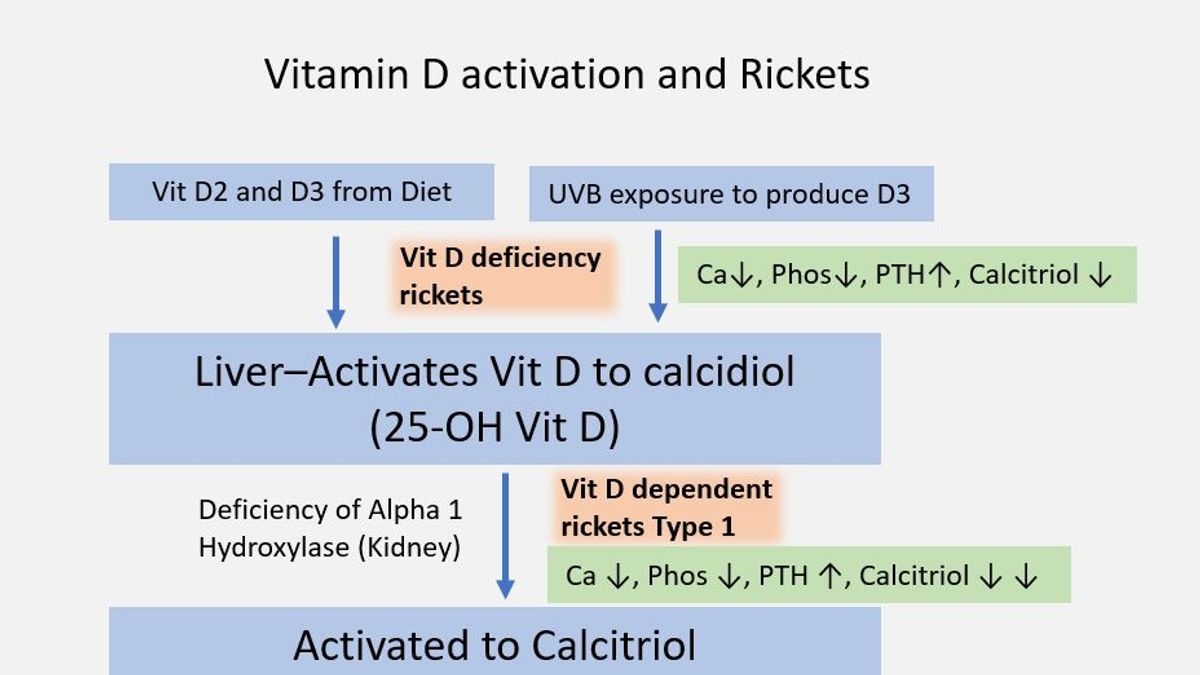
In the body, both D2 and D3 undergo a biochemical makeover. They are processed through liver and kidney enzymes, eventually becoming the active forms that bind to vitamin D receptors. In other words, what matters is less the label and more the downstream choreography. Yet the deeper reason people remain captivated is that the molecule’s journey may differ—subtly, but meaningfully—across pathways, binding affinity, and how long it lingers in circulation.
The origin stories: where D2 and D3 begin
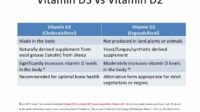
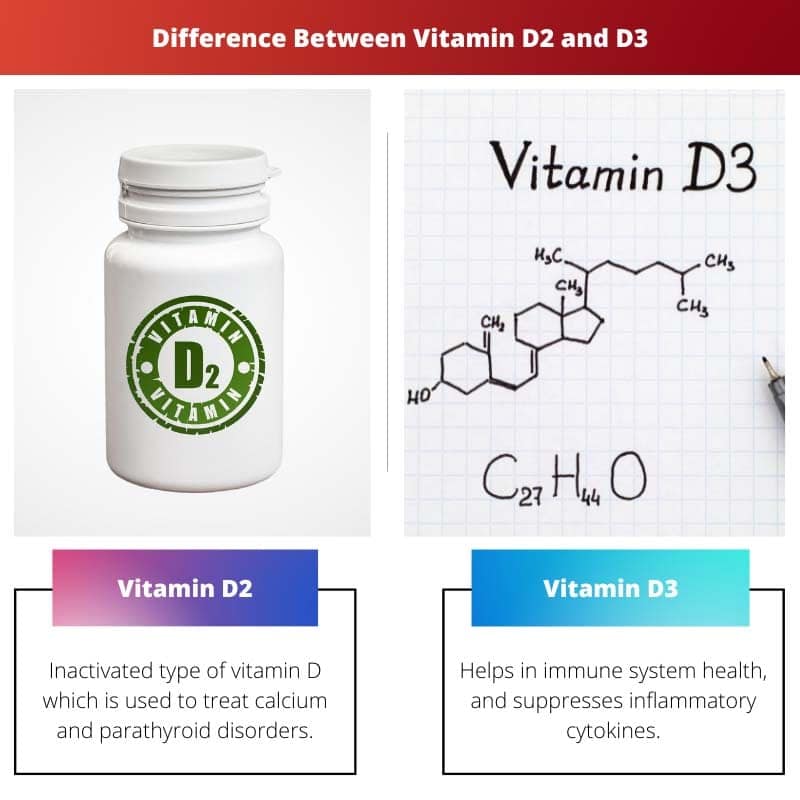
Vitamin D3 (cholecalciferol) has a strong association with ultraviolet (UV) exposure. When skin encounters UVB radiation, cholesterol derivatives are converted into D3, which then enters the metabolic pipeline. This is a familiar arc in the collective imagination: sunlight in, vitamin D out.
Vitamin D2 (ergocalciferol), by contrast, is commonly linked with fungi and yeast, where ergosterol acts as the biochemical precursor. When foods or supplements are processed to reflect this transformation, the result is D2. It’s still “natural” chemistry—just not the sun-on-skin story most people picture first.
From supplement bottle to cellular instruction: the body’s transformation
Both D2 and D3 are prohormone precursors. The body doesn’t use them in their original form for long. First, they travel through the liver, where they are hydroxylated. Then, the kidneys—and other tissues—participate in converting them into the active metabolite that can influence gene expression.
Here’s the nuance that reshapes the question. “More natural for the human body” might not mean which one resembles the starting point in nature. It might mean which one becomes functional more efficiently and sustains its signal with steadier pharmacokinetics. That’s where the conversation often shifts from origins to performance—while still staying emotionally “natural” in the sense of biological compatibility.
Sturdier sunlight mimicry: why D3 often outperforms in practice
A persistent observation in real-world supplementation is that D3 tends to raise and maintain blood levels of vitamin D more effectively for many people. That doesn’t automatically make D3 universally superior, but it fuels the curiosity. Why would one molecular sibling hold its position better?
One reason may involve how each form interacts with transport and metabolism. Even small differences in structure can influence how the body handles clearance and how long the molecule remains available to support vitamin D receptor activation. In plain terms: D3 may be better at staying in the body’s “decision-making” zone long enough to exert consistent effects.
Another layer involves stability and conversion dynamics. The path from ingestion to active signaling is not identical for D2 and D3, and those differences can show up in measured outcomes. This is the sort of deeper reason people find fascinating: not simply “which is natural,” but which best fits the body’s internal timing.
How “natural” connects to bone, muscles, and immune tone
Vitamin D’s reputation is often pinned to bones—calcium absorption, bone mineralization, and fracture risk. But it’s not only a structural nutrient. It participates in immune modulation, cell differentiation, and inflammation signaling. When people ask about D3 vs D2, they are often indirectly asking a broader question: “Which one is more aligned with my body’s regulatory system?”
If D3 reliably supports vitamin D status, it can indirectly support the systems that depend on adequate signaling. Muscles may feel the benefit as strength and function improve. The immune system may show more stable responsiveness. These outcomes don’t arrive overnight. They accumulate like careful masonry—day by day, signaling by signaling.
Receptor chemistry: the quiet drama inside cells
Vitamin D’s power emerges after receptor binding. The active form of vitamin D travels into target cells and binds to the vitamin D receptor, which then influences transcription—essentially telling certain genes to turn on or off. This is where the “which is more natural” question becomes more than preference.
If one form is processed into active metabolites more efficiently or maintains a steadier pool, it can create a more consistent receptor engagement pattern. Consistency matters. Biology often behaves like a symphony conductor: brief peaks may not produce the same outcome as sustained rhythm.
What about people who avoid animal-based products?
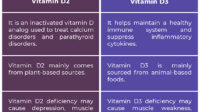
Nature is diverse, and so are human lifestyles. Many people who seek “natural” options also seek ethical alignment. If you follow a vegan or vegetarian pattern, you may prefer D2 because it is more readily derived from non-animal sources.
“Natural” in this context can mean harmonious with your values. And from a practical standpoint, D2 can still contribute to vitamin D status. The key is to approach supplementation thoughtfully: consider dosing strategy, monitor blood levels when possible, and recognize that individual responses vary. Fascination here isn’t about dismissing D2; it’s about understanding its role in a broader life system.
Absorption, storage, and the long game
Vitamin D behaves like a long-interval account. It is fat-soluble, stored in tissues, and released gradually. That storage property is another reason people are drawn to the D2 vs D3 question: if the body stores vitamin D differently depending on the form, then the “long game” may differ.
When vitamin D status dips, it may take time to recover. Choosing a form that supports steadier replenishment can reduce the mental load of frequent rechecking. Yet the healthiest approach is individualized—especially for those with malabsorption, limited sun exposure, darker skin pigmentation, or higher body mass, since these factors influence vitamin D status.
Common scenarios: who might choose which
Consider the person with seasonal sun scarcity, indoor work, and a consistent routine. D3 often fits well here because it may provide reliable maintenance for many individuals. Now consider the person managing a plant-based diet and avoiding animal ingredients. D2 may feel more congruent with their definition of “natural,” and with adequate dosing it can still support vitamin D needs.
Neither choice is an automatic verdict. Think of supplementation as tailoring. Your baseline vitamin D level, dietary intake, and sun exposure profile are like the blueprint. The form that works best is the one that aligns with your physiology and your constraints.
Safety considerations and smart supplementation habits
Vitamin D is helpful, but it is not limitless. Excessive intake can lead to high calcium levels and related complications. The “natural” framing can accidentally blur vigilance—sun is natural, after all, but even sun can cause harm when unchecked.
A disciplined approach is steadier than guesswork. Consider periodic testing of 25-hydroxyvitamin D, especially if you supplement regularly. Choose reputable products, respect dosing guidelines, and adjust based on results and clinician guidance. This is not merely caution—it’s a way to honor how complex human metabolism truly is.
The final answer: which is more natural?
If “natural” means closely mirroring the classic human pathway—sunlight-derived synthesis—then vitamin D3 has a compelling claim. It is the form most directly tied to UVB exposure, and it often shows stronger ability to raise and maintain circulating vitamin D levels. That combination helps explain why D3 becomes the default fascination.
If “natural” means aligning with plant-based origins and personal ethics, then vitamin D2 can be a natural fit in that sense too. It can still support vitamin D status, especially with appropriate dosing and monitoring.
Ultimately, “more natural for the human body” isn’t a one-size verdict. It’s a conversation between chemistry and context—between molecular behavior in cells and the life you actually live.