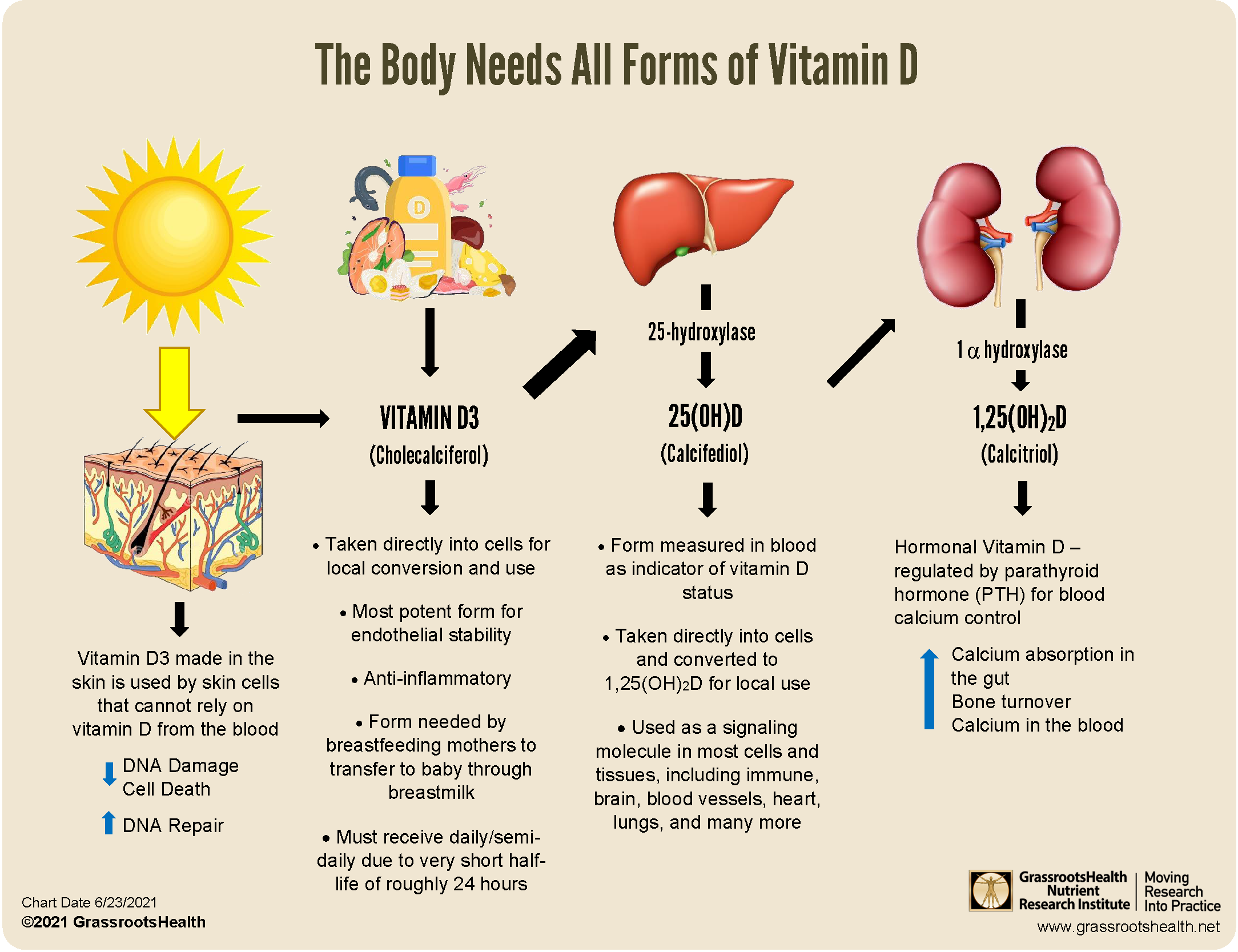
For many vegans, vitamin D begins as a quiet question—more felt than measured. Winter feels dimmer. Energy can wobble. The body, however, keeps its own accounting, and vitamin D is one of the coins it insists on collecting. The twist is this: absorption isn’t universal. It’s conditional. It depends on food patterns, genetics, gut physiology, seasonality, and even how the supplement is carried into the bloodstream. When you understand those variables, “dosage” stops being a single number and becomes a thoughtful practice—less like a prescription, more like a lens.
Why “Vitamin D” Isn’t One Thing: The Absorption Reality
Most people hear “vitamin D” and imagine a single nutrient moving through the body on a predictable route. Yet the body actually deals in two major forms: D2 (ergocalciferol) and D3 (cholecalciferol). For vegans, D2 is widely available, but D3 has a reputation for stronger and steadier biological activity in many contexts. The key point is not to chase one hero ingredient, but to recognize that your starting point matters. Some bodies convert, transport, and store vitamin D efficiently; others treat it like a difficult parcel delivered to the wrong building.
Absorption is also shaped by the surrounding environment. Vitamin D is fat-soluble, meaning it generally travels more gracefully when consumed alongside dietary fat. Without that lipid entourage, vitamin D can underperform, even if the label looks generous. A gentle meal can turn a supplement into an ally. A near-fat-free snack can turn it into a missed connection.
How Vegans May Have Different Needs
Vegans often have two interacting variables. First is exposure: sunlight can be plentiful or scarce depending on latitude, time outdoors, clothing habits, and seasonal shifts. Second is dietary intake: because many traditional vitamin D sources are animal-based, plant-based routines may rely more heavily on fortified foods and supplements.
But vegan needs aren’t only about whether you eat differently—they’re about how your entire nutrition ecosystem behaves. Low overall fat intake, high fiber without adequate fats, and certain gut conditions can influence how well fat-soluble vitamins are taken up. Even the microbiome’s temperament—its enzymatic preferences—can affect absorption efficiency.
Think of vitamin D needs as a “moving target.” Your baseline might rise in summer, then dip in fall. Your metabolism might shift as well. The most useful dosage is the one that matches your rhythm.
The Forms That Matter: Vegan D2 vs Vegan D3
Vegan supplementation often revolves around vitamin D2 or vegan-friendly D3. D2 comes from plant sources and is commonly used in fortified products. Vegan D3 is typically derived from non-animal pathways, such as lichen-based production.
In practice, D2 and D3 may differ in how reliably they elevate and maintain 25-hydroxyvitamin D—an important marker used to assess status. Some people feel fine on lower doses; others need more consistent dosing to reach a stable level. The most intriguing takeaway is that “dose” might be less about willpower and more about compatibility. Your body may prefer a certain delivery system.
If you’re choosing between forms, consider your consistency first: are you likely to take it with meals? Do you prefer a daily routine or a weekly rhythm? The best form is the one you can use without interruption.
Dosage Strategies: Daily, Weekly, and Seasonal Approaches
Vitamin D dosage is often discussed like a single stair-step: take X amount. Yet a more realistic approach is periodization—adjusting intake by season and life pattern.
Daily supplementation can feel smoother and may better match the body’s slow, steady demand. Small doses can also reduce the “overshoot anxiety” some people feel when they start measuring labs.
Weekly supplementation can be convenient and still effective for many. The body doesn’t demand constant input; it demands sufficient storage and availability. A weekly dose can work as long as absorption is consistent and follow-up testing is considered.
Seasonal dosing adds a fascinating layer: you might need more in winter when sunlight dwindles and less in summer. This approach respects the body’s natural fluctuations. It also turns vitamin D into a seasonal habit rather than a year-round mystery.
Fat, Meals, and the “Delivery System” Effect
Because vitamin D is fat-soluble, pairing it with dietary fat often matters. This doesn’t mean you need a high-fat lifestyle—just a meal that includes some lipids. Think of it as providing the right vehicle. A supplement with no dietary fat may be partially sidelined.
For example, taking vitamin D alongside a meal containing olive oil, avocado, tahini, nuts, or seeds can enhance uptake. If you’re intermittent fasting or taking supplements on an empty stomach, absorption might be less predictable. Your body becomes a careful critic; it may not approve every delivery method.
Short and simple experiment: adjust where and how you take it for a few weeks, then consider lab confirmation. Curiosity can be clinical.
Absorption Needs Across Body Types and Life Stages
Dosage may need calibration based on body composition, age, and overall health. Higher body weight has been associated with different vitamin D distribution and storage behavior. That doesn’t automatically mean “take more,” but it does suggest that low-dose assumptions may not fit everyone.
Life stage matters too. Growing years, adulthood, pregnancy, and aging can all shift vitamin D metabolism and requirements. A vegan supplement that feels “perfect” at one stage may become insufficient later—sometimes subtly, sometimes decisively.
Absorption also reflects health status. Conditions affecting fat absorption or chronic inflammation can complicate intake. If you’ve had digestive issues, it’s worth treating vitamin D strategy as a more tailored plan rather than a generic recommendation.
Testing and Lab Markers: Turning Guesswork Into Clarity
The most empowering shift is moving from guesswork to feedback. Blood testing can reveal your baseline and how your body responds. The marker most often discussed is 25-hydroxyvitamin D, which acts like a historical record of vitamin D status.
It’s especially relevant for vegans because dietary patterns vary widely and sunlight exposure is notoriously inconsistent. Testing can also prevent two classic extremes: underdosing (staying in a low zone longer than necessary) and overdosing (pushing levels too high without meaningfully better outcomes).
After starting supplementation, it’s common to reassess after a few months. This timeline respects vitamin D’s slower storage dynamics. The goal isn’t obsession—it’s calibration.
Common Symptoms and Misleading Clues
Low vitamin D can be associated with tiredness, muscle aches, mood changes, and frequent seasonal malaise. Yet symptoms are slippery. Poor sleep, low iron, thyroid changes, stress, and inadequate caloric intake can mimic vitamin D deficiency.
This is why interpretation matters. If you feel “off,” the mind wants a simple explanation. The body prefers nuance. Vitamin D may be part of the story—or it may be a decoy.
Use symptoms as a prompt to evaluate habits, not as proof. Labs offer the decisive page in the narrative.
Safety, Upper Limits, and the Art of Not Overcorrecting
Vitamin D is not a limitless resource. Excess can contribute to hypercalcemia and other complications, especially when extremely high doses are taken without monitoring. This is where a shift in perspective becomes essential: the objective is not maximal intake, but optimal status.
Safety depends on dose, duration, baseline levels, and individual sensitivity. Vegan routines can lead people to believe that “plant-based” automatically means “risk-free.” But biology doesn’t negotiate with food ideology. It follows physiological rules.
If supplementing at higher amounts, it’s prudent to pair it with lab follow-up and professional guidance. Curiosity remains valuable; recklessness does not.
Building a Practical Vegan Vitamin D Routine
A sustainable plan blends three components: consistency, pairing, and confirmation. Choose a dose you can maintain. Take it with a meal that includes some dietary fat. Then, treat lab results as the next chapter rather than a verdict.
Consider also environmental adjustments: more time outdoors when appropriate, mindful clothing choices, and seasonal recalibration. Even small changes can shift baseline exposure.
Finally, remember that vitamin D works alongside other nutrients—especially calcium and magnesium—within broader bone and metabolic pathways. Your routine can be a choir, not a solo performance.
FAQ: Quick Answers for the Curious
Can vegans get enough vitamin D? Yes, but it often requires fortified foods, sensible sun exposure, and/or supplementation.
Should I take vitamin D with food? Often, yes—vitamin D is fat-soluble, and meals with some fat can support absorption.
Is D3 better than D2? Many people see better or more stable results with certain D3 forms, but individual response varies.
How do I know my dose is right? Blood testing and thoughtful adjustment provide the most reliable guidance.
Dosage for vegans isn’t a fixed doctrine—it’s a dynamic dialogue between your lifestyle and your body’s biochemical temperament. When you treat vitamin D as something you can understand and tune, it stops being a vague wellness buzzword and becomes a deliberate, empowering practice. And once that happens, curiosity turns into control.