In kidney disease, vitamin D can feel like a riddle wrapped in a laboratory protocol. One day it’s described as a cornerstone nutrient; the next, it’s treated like a substance that must be handled with caution. A common observation appears repeatedly: people hear that “more is better,” then they notice labs that don’t budge—or worse, begin to wobble. That tension sparks a deeper curiosity. Why would something so essential become so strangely negotiable? The answer often lies in how diseased kidneys remodel vitamin D itself, and how the body responds when we overshoot the “just enough” zone. In that context, a guiding principle emerges: for many patients, lower is better—not because vitamin D is unimportant, but because the margin for error can shrink.
Why Kidney Disease Changes the Vitamin D Story
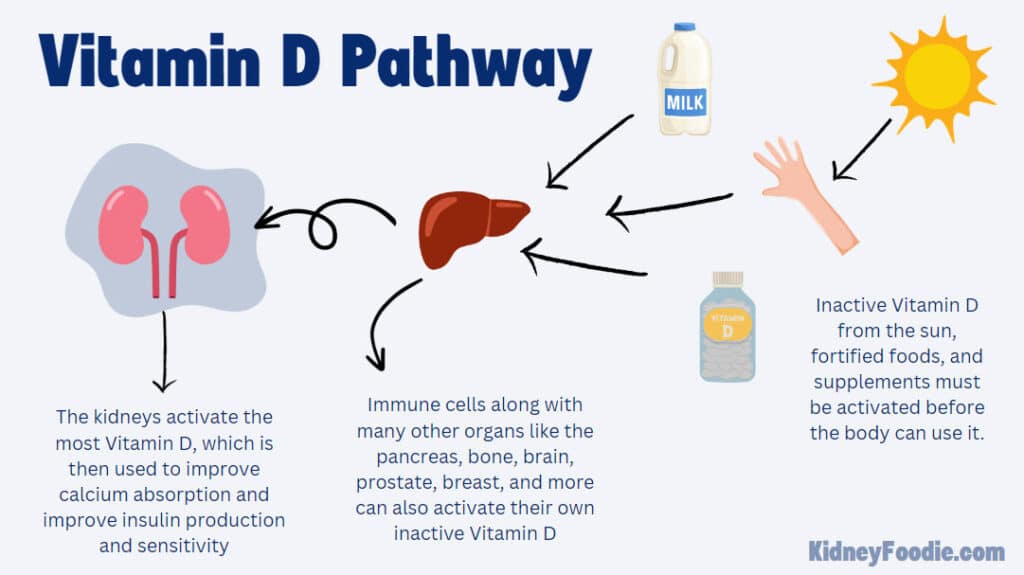
Vitamin D doesn’t arrive fully formed like a finished garment. It travels through a sequence of biochemical tailoring. First, it’s activated in the liver; then, the kidneys perform a critical final conversion. When kidney function declines, that last step becomes inefficient. The result can be a slow drift toward vitamin D insufficiency or a related disturbance in mineral metabolism. Short sentences capture the heart of it: less conversion, less activation. But the deeper reason for fascination is that the body compensates in ways that are not always intuitive. Parathyroid hormone may rise, calcium balance may shift, and bone turnover can accelerate.
In other words, vitamin D status in kidney disease is not merely about dietary intake. It’s also about endocrine choreography. That’s why dosage discussions must be individualized. The same number of micrograms can land differently in two different bodies.
The “Lower Is Better” Principle: Precision Over Plenty
“Lower is better” sounds counterintuitive at first, especially when people have heard generic health advice. But with kidney disease, supplementation can become a balancing act between deficiency and excess. Vitamin D is fat-soluble, meaning it can accumulate. While accumulation doesn’t always translate into immediate toxicity, it can raise serum calcium and contribute to vascular or soft-tissue calcification risk in susceptible individuals.
Here is the important nuance: low doses can still be therapeutic because they aim to correct an existing deficiency rather than force a high-normal state. Think of it as steering a vehicle rather than flooring the accelerator. If the body is already straining to maintain mineral equilibrium, pushing vitamin D too far may widen the gap between treatment goals and lab realities.
Practical takeaway: lower dosing typically aligns with the biological premise of kidney disease—suboptimal activation, variable absorption, and shifting sensitivity to calcium.
Start With Labs, Not Guesswork
Dosage without measurement is like navigating a foggy road by memory. Clinicians often look beyond a single number. Common targets include 25-hydroxyvitamin D (the circulating storage form) and parathyroid hormone (a hormonal signal that reflects disturbances in mineral balance). Calcium and phosphorus levels also influence the direction of therapy.
Short version: vitamin D dosage is usually a response to lab patterns. Longer version: the body’s “feedback circuits” determine whether supplementation should be conservative or intensified. For example, if calcium is already high or tends to run high, clinicians often move cautiously with any vitamin D strategy, sometimes prioritizing alternatives that minimize hypercalcemia risk.
This is where fascination deepens: the labs are not static. They are dynamic proxies for competing physiological needs—bone integrity, mineral homeostasis, and sometimes cardiovascular risk.
Choosing a Vitamin D Form: Cholecalciferol, Calcifediol, or Calcitriol
Not all vitamin D behaves the same. Different forms have distinct pathways and timelines. Some are considered “nutrient replacement,” while others function more like hormonal agents that bypass steps impaired by kidney disease.
Cholecalciferol (Vitamin D3) is commonly used for replenishing vitamin D stores. It relies on the body’s ability to convert it, partially through hepatic and renal steps. If kidney function is significantly reduced, conversion may be less efficient, which can mean slower or smaller improvements at a given dose.
Calcifediol (25-hydroxyvitamin D) often produces a more immediate increase in circulating 25(OH)D, because it sits closer to the active compartment. This can be helpful in cases where stores need replenishment without waiting for every conversion step.
Calcitriol (active vitamin D) can directly engage the vitamin D receptor pathway. It may be appropriate for certain patients, but it also tends to require careful monitoring because of its stronger biological effect and potential to influence calcium balance rapidly.
The “lower is better” concept becomes especially relevant when using forms closer to biologically active signaling, because smaller adjustments can create larger downstream changes.
Common Starting Ranges and Why They Often Begin Small
General dosing frameworks exist, but kidney disease demands individual tailoring. Many clinicians choose low initial doses and then reassess. Why? Because the body in kidney disease can be hypersensitive to shifts in mineral metabolism. Even modest increases in vitamin D can raise calcium in some contexts, particularly if other factors—such as diet, medications, or baseline calcium/phosphorus status—are already leaning upward.
Some patients benefit from frequent low-dose strategies rather than infrequent high-dose “boluses.” Lower dosing can smooth the hormonal landscape, avoiding peaks that might provoke undesirable lab movement. It’s not that high-dose therapy is always wrong; it’s that the risk-benefit ratio may tilt differently in kidney disease.
Small sentences matter here: monitor, adjust, repeat. The art is not the initial dose alone; it’s the iterative refinement based on real-time biomarkers.
Monitoring Schedule: The Real Dosage Is the Follow-Up
Dosage decisions aren’t finished when a prescription is written. Follow-up testing is where safety becomes tangible. Monitoring may include calcium, phosphorus, parathyroid hormone, and 25(OH)D. Timing can vary, but a common strategy is to recheck after a period long enough for vitamin D levels and mineral signals to stabilize.
Recheck culture exists for a reason: kidney disease changes both metabolism and clearance. What looks promising in the first lab might drift later. Also, adherence, absorption, and dietary phosphate intake can alter outcomes. A patient might take the same dose, yet the internal result differs due to the broader biochemical “weather.”

That’s why lower dosing paired with structured monitoring often wins the safety contest.
Risks of Too Much Vitamin D: Calcium, Calcification, and Confounding Variables
The most discussed danger is hypercalcemia. When calcium rises, symptoms can range from subtle fatigue and constipation to more serious outcomes depending on severity. Beyond symptoms, there is the lingering concern of calcification—deposition of minerals in inappropriate tissues. While the mechanisms are complex, the principle is straightforward: excessive vitamin D can tilt calcium and phosphorus balance beyond what the body can safely accommodate.
Confounding variables deserve respect. Many patients take binders, active sterols, or other medications affecting mineral metabolism. Some have dietary patterns that influence calcium and phosphorus intake. Others experience changes in hydration status or concurrently manage inflammatory conditions. In such a landscape, vitamin D dosage can’t be treated like an isolated variable.
Lower is better because it reduces the likelihood of overshooting these interconnected thresholds.
Where the Fascination Actually Comes From: The Bone–Vascular Connection
There’s a reason vitamin D dosage draws such attention: it sits at the intersection of bone health and broader systemic outcomes. When mineral balance goes awry, bones can remodel in ways that weaken structure. Simultaneously, mineral dysregulation may contribute to vascular stiffness and other downstream concerns. The body becomes both the battleground and the witness.
This is why some patients and clinicians become intensely curious about dosing. The fascination is not idle. It’s the instinct to protect skeletal integrity while also respecting the cardiovascular implications of mineral metabolism. Lower dosing represents a measured approach to achieving benefit without intensifying the risks created by overcorrection.
In practice, the most compelling victories are quiet: stable calcium, phosphorus trending appropriately, parathyroid hormone settling into a safer range, and bone markers showing less turbulence over time.
Dietary Vitamin D and Sunlight: Helpful, but Not Always Enough
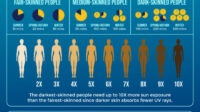
Dietary vitamin D and sunlight can support vitamin D status, but kidney disease can limit how effectively the body converts and utilizes what’s available. Sunlight exposure is highly variable—seasonal changes, skin pigmentation, latitude, and mobility can all alter vitamin D synthesis. Food sources can contribute, yet many diets provide insufficient amounts to correct deficiency alone.
So while lifestyle measures can be part of a comprehensive plan, supplementation remains common. The “lower is better” approach still applies because lifestyle factors don’t erase metabolic constraints.

Personalizing the Plan: Age, Stage, and Medication Interactions
Dosage is not one-size-fits-all. Older age can reduce responsiveness to supplementation or change body composition, affecting how fat-soluble nutrients distribute. Kidney disease stage matters: advanced stages may require different strategies than early-stage insufficiency. Additionally, medication interactions can shape outcomes. Some therapies influence calcium and phosphorus handling; others alter activation pathways.
Lower dosing often functions as a universal safety philosophy while personalization catches up: start modestly, monitor carefully, and adjust with the context of the whole regimen.
Conclusion: The Safest Strategy Often Looks Like Restraint
Vitamin D dosage for kidney disease patients is rarely about “winning big.” It’s about finding a narrow corridor where deficiency is corrected without triggering biochemical spillover. That corridor is why lower dosing often proves superior. It respects accumulation potential, reduces hypercalcemia risk, and leaves room for iterative adjustment as lab signals evolve.
If there’s one theme to carry forward, it’s this: in kidney disease, the body prefers calibration over conquest. Lower can be better—not because vitamin D is less important, but because the kidneys, bones, and blood vessels are already negotiating too many variables to tolerate reckless optimism.