Ever noticed how your body seems to “snap into place” almost overnight during a growth spurt? Bones lengthen, muscles scramble to keep up, and suddenly you’re taller—without necessarily feeling taller inside your joints. Now here’s a playful question to poke at the edges of that mystery: what if the quiet conductor behind that growth orchestra is vitamin D, not just genetics or sheer momentum? The potential challenge is obvious—vitamin D can be mysteriously low even when sunlight seems plentiful, and adolescent bones are building at full speed. Let’s take a thoughtful stroll through how vitamin D supports bone health precisely when teens need it most.
The Growth Spurt: A Construction Project With a Tight Deadline
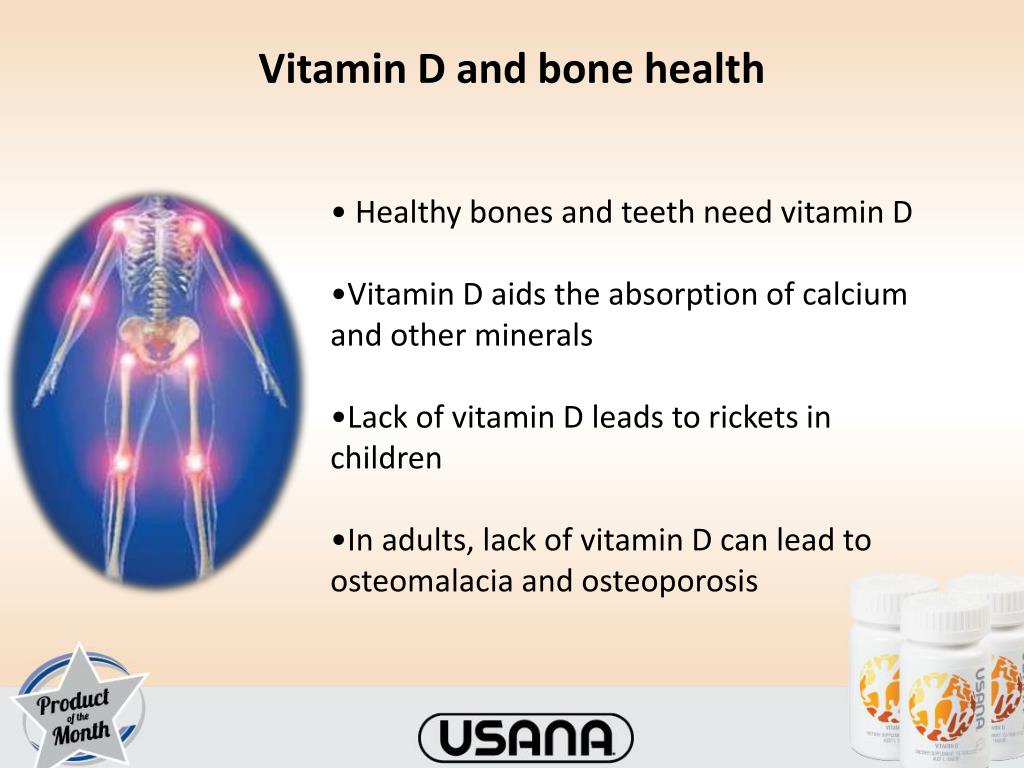
Adolescence is when the skeleton becomes intensely dynamic. Growth plates in long bones expand, bone remodeling accelerates, and mineral deposition ramps up. Short story version: the body is laying down new scaffolding while simultaneously reinforcing existing structure. But construction requires materials and timing. Bones need calcium and phosphorus, yes—but vitamin D is the backstage specialist that helps the body absorb and utilize those minerals efficiently.
During rapid growth, demand rises. If absorption falters, mineralization can be suboptimal. That doesn’t always produce dramatic symptoms. Instead, it may stealthily affect bone density accrual, leaving the skeleton with a less robust reserve for later years.
Vitamin D: The Mineral-Absorption Key
Vitamin D acts like a molecular translator. Without it, calcium absorption from the gut becomes inefficient. With it, calcium can be mobilized and integrated into the bone matrix more effectively. This matters because bones aren’t merely “hard”—they are living architecture, constantly undergoing remodeling through the coordinated activity of osteoblasts (bone-forming cells) and osteoclasts (bone-resorbing cells).
Vitamin D also participates in signaling pathways that influence bone turnover. Think of it as maintaining harmony between building and cleanup. When vitamin D status is insufficient, the balance can tip toward less favorable mineralization and potentially a weaker long-term bone reservoir.
Sunlight Isn’t Always a Guaranteed Shortcut
Many people assume vitamin D status is synonymous with sunshine. In reality, several variables can reduce cutaneous production. Latitude, seasonality, cloud cover, skin pigmentation, sunscreen use, clothing coverage, and even time spent indoors can all blunt vitamin D synthesis.
Adolescents may spend significant hours in classrooms, on screens, or practicing indoors. Evening routines can also shift exposure. The result can be a “sunny day illusion”—sun is visible, but the body receives inadequate ultraviolet B radiation for efficient vitamin D generation.
If you’ve ever wondered why two teens can live in the same city yet have different vitamin D levels, this is often the reason. The skin’s chemistry and the exposure pattern matter.
Dietary Vitamin D: Small Intake, Big Consequences
Food can contribute, but vitamin D is not abundant in many everyday diets. Fatty fish (like salmon and sardines) tends to be a strong source. Fortified dairy products, fortified plant milks, fortified cereals, and egg yolks can help—but intake varies widely.
During growth spurts, teenagers may eat less overall volume due to changing appetite, busy schedules, or dietary preferences. If vitamin D intake is already limited, the body’s ability to meet mineral demands can become strained.
Here’s where an underappreciated challenge appears: a teen might meet calcium needs from food yet still have impaired calcium utilization if vitamin D is lacking. In other words, calcium without vitamin D can feel like building with bricks but no mortar.
Signs, Symptoms, and the Art of Not Guessing
Low vitamin D doesn’t always announce itself loudly. Some people experience fatigue, muscle aches, or a general “blah” feeling. Others may have no obvious symptoms at all, despite suboptimal levels. During adolescence, the body’s compensatory abilities can mask problems until stressors accumulate.
If there’s concern—limited sun exposure, dietary restrictions, history of fractures, chronic fatigue, or recurrent bone or muscle discomfort—medical evaluation can be more reliable than guesswork. Testing typically measures circulating 25-hydroxyvitamin D, the best indicator of vitamin D status.
Because growth spurt timing differs from person to person, it’s especially useful to avoid simplistic assumptions like “I’ll be fine because I’m young.” Bones build now, and outcomes often echo later.
Peak Bone Mass: The Long-Term Payoff
Adolescents are accumulating what is often called peak bone mass. This is the densest and strongest bone level the body will reach in adulthood. The higher the peak, generally the greater the protective cushion against age-related bone loss and future risk of osteoporosis.
Vitamin D supports this process indirectly by improving mineral availability and influencing bone remodeling. If the growth spurt period is marked by insufficient vitamin D, bone density accrual might be less than optimal. It’s not always dramatic enough to notice in real time. But it can be quietly relevant for decades.
So the “challenge” isn’t only about being strong today. It’s about building strength for tomorrow’s years when growth slows and maintenance becomes the priority.
Exercise, Mechanics, and How Vitamin D Collaborates
Bones adapt to loading. Jumping, running, resistance training, and sports create mechanical signals that stimulate bone formation and improve strength. Vitamin D and exercise often work like a coordinated team: movement provides the blueprint stimulus, while vitamin D helps ensure the materials are absorbed and incorporated.
Inadequate vitamin D can reduce the efficiency of this collaboration. Teens who are active might still have low vitamin D if sunlight exposure is limited or dietary intake is insufficient. Conversely, someone can have decent vitamin D yet still struggle with bone strength if physical loading is minimal.
Put simply: vitamin D helps the body absorb and use minerals; exercise helps the skeleton demand and remodel them into stronger structures.
Practical Strategies: Turning Knowledge Into Momentum
Rather than relying on a single tactic, consider a layered approach. Start with mindful sunlight exposure where appropriate, recognizing that safety still matters. For many teens, spending some time outdoors regularly—without overexposure—can support vitamin D production.
Next, build dietary consistency. Include vitamin D–containing foods when possible, especially those that fit real schedules: breakfast eggs, fortified milk or fortified plant alternatives, yogurt options, and occasional fatty fish. Fortified products are often easier than planning elaborate meals.
Finally, if testing confirms deficiency or if risk factors are present, supplementation may be recommended by a clinician. Dosing is not one-size-fits-all, particularly in adolescents. The goal is to correct status safely and sustainably.

When to Seek Help: A Responsible Checklist
Consider discussing vitamin D evaluation with a healthcare professional if a teen has limited sun exposure, a restricted diet (especially low in vitamin D foods), chronic conditions affecting absorption, recurrent fractures, unexplained musculoskeletal pain, or a history of bone-related concerns. Also, athletes training indoors for long stretches may be at higher risk simply due to environment.
Even without dramatic symptoms, proactive assessment can prevent lingering uncertainty. Adolescent years are brief, and bone-building windows are finite. The more informed the approach, the more confident the decisions.
Building Strong Bones: A Future-Focused Conclusion
Growth spurts are exhilarating—your body changing in big, rapid ways. Yet behind the excitement is a biological ticking clock: mineralization, remodeling, and peak bone mass accumulation are happening now. Vitamin D serves as a vital enabler, helping calcium absorption and supporting the architecture of strong bones.
So the playful question becomes a practical challenge: can you make sure your body has what it needs to build well during the rush of adolescence? With sensible sunlight habits, vitamin D–aware nutrition, appropriate activity, and—when necessary—timely medical guidance, you turn that question into a plan. Bones don’t just grow; they remember.