Rainy climates have a particular kind of hush to them—grey skies, persistent drizzle, and long stretches of low visibility for the sun. In places like Seattle and London, this atmospheric dampness can do more than soften city life. Over time, it can quietly throttle the body’s ability to manufacture vitamin D, a nutrient that behaves less like a casual supplement and more like a regulatory hormone. When vitamin D stores run low, the body’s systems may begin to misfire in subtle ways—fatigue first, then aches, mood shifts, and, in some cases, bone fragility. Understanding vitamin D deficiency in rainy climates means looking beyond “not enough sunlight” and examining lifestyle, biology, and the practical signs that show up when levels fall.
Why rainy weather changes vitamin D metabolism
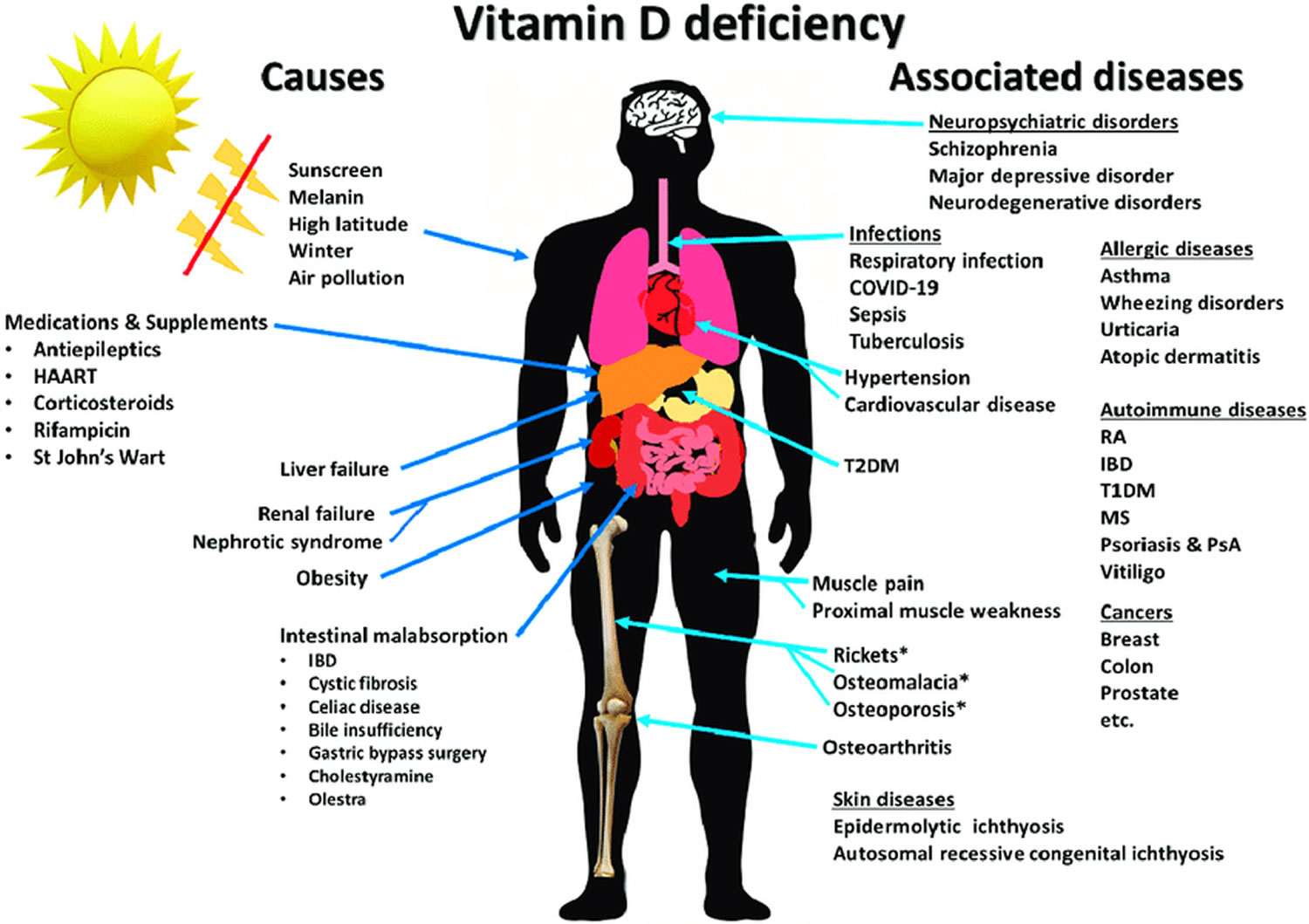
Vitamin D is primarily synthesized in the skin after exposure to ultraviolet B (UVB) rays. Cloud cover, fog, and seasonal darkness can blunt UVB penetration, meaning fewer photons reach the epidermis. Seattle and London experience long twilight seasons; even when the day looks bright, the UVB index may be low enough that skin produces only a fraction of what it needs. The result is often a gradual, not dramatic, decline in vitamin D status.
Rainy climates also nudge behavior. People tend to stay indoors more, wear thicker layers, and use windowed indoor spaces where UVB is essentially absent. Add sunscreen habits—often sensible for skin protection—and the protective effect can also reduce UVB-driven vitamin D synthesis. The body can adapt for a while using stored vitamin D, but those reserves eventually deplete, particularly if dietary intake is inconsistent.
Even latitude matters, but it’s not the only variable. Air pollution can scatter and absorb UVB; darker rooftops and less direct outdoor exposure can further limit effective sunlight. Think of it as a cumulative dimming: not a single bad day, but a pattern of reduced UVB dosing.
Common symptoms you might notice first
Vitamin D deficiency often presents like a slow rumor—something feels “off,” yet it’s hard to pinpoint. Many people report persistent tiredness, muscle weakness, or diffuse body aches. The discomfort can be nonspecific, but it has a characteristic flavor: soreness in bones and muscles, sometimes with increased sensitivity during movement.
Some individuals notice mood changes, including low spirits or an uneasy mental fog. Others experience tingling sensations or cramps, though these symptoms are more likely when deficiency is severe or when calcium and magnesium regulation becomes disrupted.
Because symptoms overlap with stress, seasonal affective patterns, and sleep disruption, vitamin D deficiency can be overlooked. However, patterns are revealing. If fatigue intensifies alongside reduced outdoor time during rainy months, and if aches persist despite rest, vitamin D evaluation becomes more than an afterthought.
The role of diet: why “rain” isn’t the whole story
Sunlight can be scarce in rainy regions, so diet becomes an even more important lever. Unfortunately, many everyday eating patterns provide limited vitamin D. Fatty fish (like salmon or sardines) offers a more reliable vitamin D source, as do fortified foods such as certain dairy alternatives, yogurts, and cereals. Eggs contribute modestly, while mushrooms may provide small amounts depending on exposure to UV light during cultivation.
Still, diet alone may not fully compensate for a low-UVB environment. That’s why nutrition plans in rainy climates often focus on consistency and targeted supplementation, especially for people with higher risk profiles. If you’ve ever thought, “I eat pretty well, so it must be fine,” consider that vitamin D is unusual: it’s not simply a nutrient you “get enough of” from typical meals.
Readers can expect practical content here: food lists, approximate serving guidance, and realistic comparisons between dietary intake and what the body typically needs when sunlight is limited.
Risk factors in Seattle, London, and similar cities
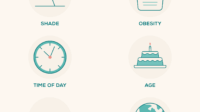
Not everyone in a rainy climate becomes deficient, but risk tends to cluster. Darker skin contains more melanin, which reduces UVB penetration and can lower vitamin D synthesis. Age also matters—older adults often have diminished skin capacity to produce vitamin D, plus they may spend less time outdoors.
Body composition can influence vitamin D availability as well. Vitamin D is fat-soluble, so higher adiposity may sequester more of the vitamin in storage, making it less bioavailable in circulation. Certain medical conditions and medications can further complicate absorption or metabolism, including gastrointestinal disorders, chronic kidney disease, and therapies that affect fat absorption or hormone regulation.
Pregnancy and breastfeeding add another layer. Increased demands may outpace the combination of reduced sunlight and limited dietary intake. Content in this topic area often becomes highly actionable when it highlights who should prioritize testing, who should discuss supplementation with a clinician, and who should pay attention to symptoms earlier.
How deficiency affects bones, immunity, and beyond
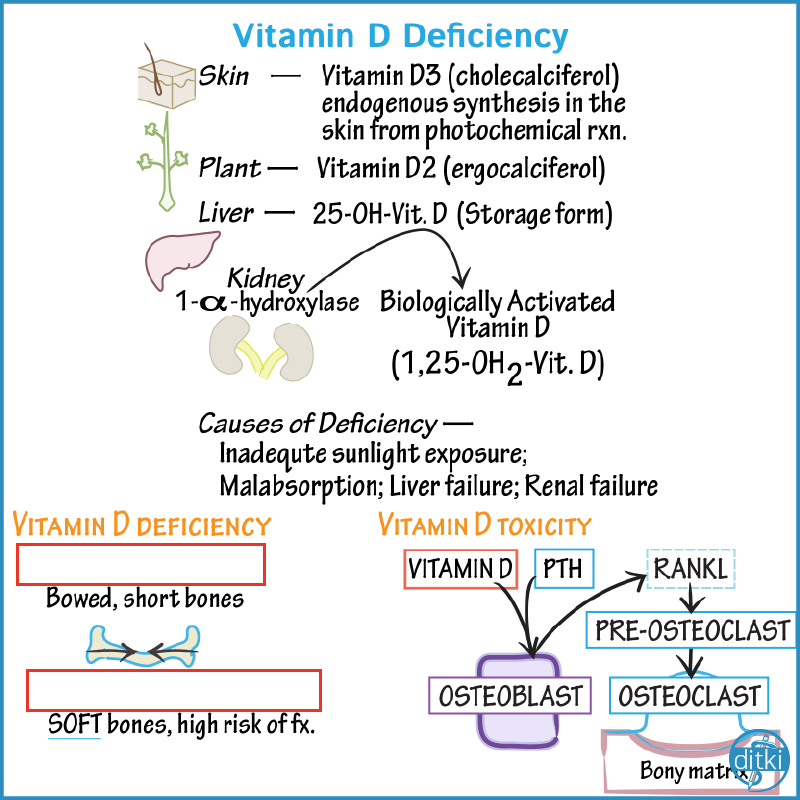
Vitamin D helps regulate calcium and phosphate balance—cornerstones of bone mineralization. When vitamin D levels fall, bones may become less dense over time, raising the risk of osteomalacia in adults and contributing to osteoporosis risk later. This isn’t only about imaging results; it can manifest as persistent musculoskeletal discomfort, reduced resilience, and a tendency toward injuries.
There’s also immune signaling. Vitamin D participates in immune modulation, influencing inflammatory pathways. The relationship is complex—deficiency doesn’t automatically cause illness—but low levels can correlate with increased susceptibility to certain infections in some populations. Readers often appreciate content that explains the difference between correlation and direct causation, especially since vitamin D is frequently discussed in oversimplified terms.
Cardiometabolic and neurological associations show up in research as well, but practical guidance remains the same: confirm deficiency with testing, address it responsibly, and avoid self-prescribing high-dose regimens without oversight.
Spotting “low vitamin D” vs. seasonal mood and fatigue
Rainy climates can mimic deficiency symptoms. Seasonal affective disorder, reduced movement, and disrupted sleep can all produce fatigue, low motivation, and body discomfort. The differentiator is often persistence and pattern. Vitamin D deficiency may accompany muscle aches and sometimes weakness in a way that doesn’t fully align with mood changes alone.
That’s why professional content should emphasize “differential diagnosis”—not just listing symptoms, but showing how symptoms overlap and how labs clarify the picture. Many people improve their wellbeing by addressing sleep, light exposure, and activity; others require a vitamin D plan to fully resolve lingering symptoms.

Testing and interpretation: what readers should expect
Vitamin D status is usually assessed via a blood test measuring 25-hydroxyvitamin D. This marker reflects vitamin D from both sunlight exposure and dietary sources. Content in this area typically explains how results are interpreted, why “optimal” ranges may differ between guidelines, and why symptoms do not always perfectly match lab numbers.
Readers can expect nuance: deficiency can be mild, moderate, or severe, and each category may require a different correction strategy. Additionally, clinicians often review related labs such as calcium, phosphorus, parathyroid hormone, and magnesium when deficiency is significant, since electrolyte balance can influence how symptoms present and how supplementation should be approached.
Interpretation also considers timing. A person who spends a sunny vacation in summer may show partial improvement, while someone who remains indoors year-round may decline during winter and early spring. The most informative results are often those paired with an understanding of seasonal behavior.
Supplements: choosing responsibly in low-sun seasons
Supplementation is a practical bridge in rainy climates, particularly during autumn and winter. Vitamin D3 (cholecalciferol) is commonly used because it aligns with the form the body produces in skin. Readers may encounter guidance about daily vs. intermittent dosing, which matters for adherence and tolerance.
Still, “more” isn’t always better. Excess vitamin D can lead to hypercalcemia, creating symptoms such as nausea, constipation, confusion, and excessive thirst. That’s why professional articles emphasize dose ranges, consistency, and the importance of follow-up testing for anyone taking higher doses.
A thoughtful content section often includes safety considerations: who should avoid high dosing, when to check calcium, and how to coordinate supplementation with other medications. It also addresses the difference between correcting deficiency and maintaining healthy levels afterward.
Lifestyle adjustments that complement sunlight absence
Even in rainy cities, outdoor time matters. Morning light exposure can support circadian rhythms and encourage consistent activity. While UVB may still be limited, any additional daylight can help motivate movement, improve sleep, and reduce the drift into sedentary patterns that often worsen fatigue.
Readers can expect ideas like “light-maximizing routines” (short walks when skies partially clear), incorporating vitamin D–rich foods, and planning exercise sessions indoors with resistance training to support muscles and bone loading. A coherent plan also includes minimizing prolonged periods of low mobility during winter months.
Some content may mention supplement timing with meals containing fat, since vitamin D is fat-soluble. Others emphasize pairing supplementation with adequate calcium intake through diet, because vitamin D works alongside calcium rather than acting alone.
When to seek medical attention
If symptoms are intense, persistent, or worsening—especially if there is bone pain, marked weakness, or frequent fractures—medical evaluation becomes essential. Likewise, individuals with known malabsorption conditions, chronic kidney disease, or a history of parathyroid disorders should discuss vitamin D strategies early rather than waiting for winter to become unbearable.
For readers, the key takeaway is this: vitamin D deficiency in rainy climates is common, but it’s also modifiable. With testing, targeted supplementation, and lifestyle adjustments that respect the reality of grey skies, many people regain stamina, reduce aches, and restore confidence in how their bodies function.
What a well-rounded “rainy season plan” looks like
A strong plan is not just a supplement bottle. It’s a seasonal rhythm: assess risk, consider lab testing, incorporate vitamin D–rich foods, maintain movement, and follow up after correction. Some months call for a structured approach; others call for maintenance and habit consistency.
In Seattle and London-like climates, the rainy season is predictable. That means prevention can be too. Build a routine that accounts for reduced UVB, rather than relying on hope for sunny miracles. With consistent effort and informed choices, vitamin D status can stabilize—even when the sky refuses to clear.