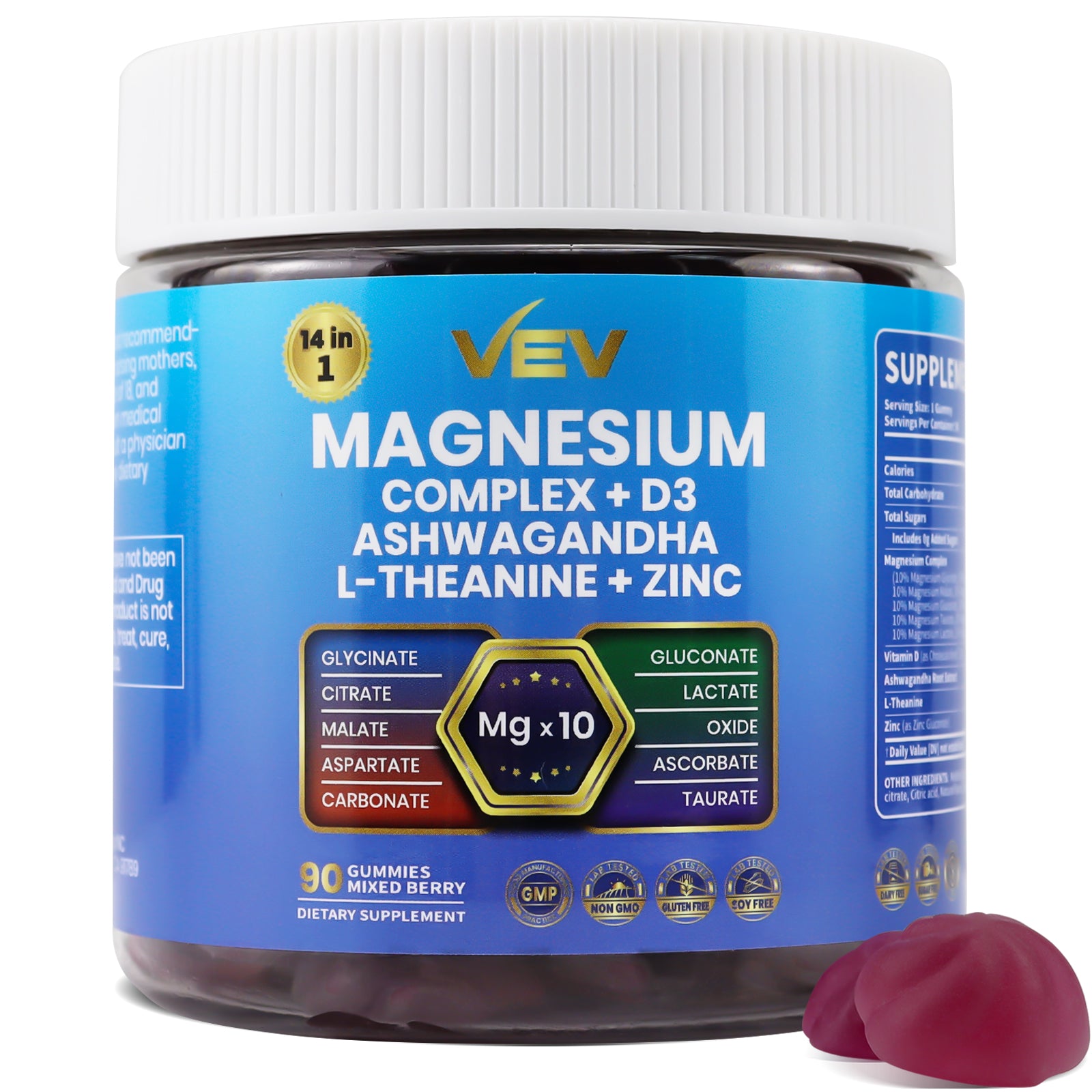
Constipation can feel like a stubborn pause button on the body’s internal orchestra. One day you’re perfectly fine, the next your system seems to misplace its rhythm—stool moving slower, signaling more quietly, and comfort retreating from the center stage. While fiber and hydration often steal the spotlight, there’s a quieter duo that deserves a more attentive ear: vitamin D and magnesium. Together, they don’t just “support digestion.” In many people, they act like well-tuned conductors—nudging nerves, muscles, and metabolic pathways into a more cooperative tempo. And as a bonus benefit, they may also influence inflammation and overall gut comfort in ways you don’t immediately associate with a bowel habit.
Why Constipation Feels Like a Traffic Jam Inside the Gut
Imagine the intestinal tract as a long city highway system. Each wave of movement depends on coordinated “traffic signals”—muscle contractions, nerve messaging, electrolyte balance, and normal water handling. When any of those systems slow down, the passage becomes congested. Stool can dry out, transit time stretches, and the sensation of “not fully finished” becomes an exhausting loop.
Constipation isn’t one single mechanism. It can be driven by reduced motility, altered water absorption, dietary patterns, stress-mediated gut signaling, medication effects, or a mismatch between your electrolytes and your bowel’s needs. This is where vitamin D and magnesium become intriguing: they touch several of these moving parts without pretending to be a one-size miracle.
Magnesium: The Electrolyte That Can Help Loosen the Logjam
Magnesium is often described as a “mineral,” but that word is too small for what it does. Magnesium participates in hundreds of enzymatic reactions, and in the gut it can contribute to smoother muscle function and fluid balance. Think of magnesium as the key that keeps multiple locks from sticking. When magnesium levels are low, the body may struggle to maintain the electrical environment required for healthy neuromuscular signaling.
In constipation, magnesium’s reputation comes largely from its ability to support water retention in the intestine and to encourage more comfortable transit. Different forms of magnesium vary in how they behave, but many people gravitate toward citrate because it tends to be well tolerated and commonly used when the goal is gentle bowel support.
Metaphor check: If constipation is a jammed conveyor belt, magnesium can help oil the gears—supporting the flow rather than forcing it.

Vitamin D: The “Immune and Muscle Messenger” With Gut-Adjacent Influence
Vitamin D is famous for bone health, but it’s also a hormone-like regulator involved in immune modulation, inflammation signaling, and cellular function. The gut is not an isolated tube. It’s an ecosystem—home to immune cells, barrier surfaces, and chemical messengers that respond to vitamin status.
Low vitamin D has been associated in some studies with gastrointestinal complaints and altered gut function, possibly through effects on inflammation and immune signaling pathways. While constipation doesn’t always equal inflammation, chronic low-grade irritation and immune imbalance can contribute to discomfort and altered motility for some people.
Picture vitamin D as a lighthouse beam: you don’t always see it moving, but it shapes the way other systems navigate. In this case, it may help the body maintain a calmer, more regulated gut environment—one that supports normal movement and comfort.
The Synergy: Why Pairing Vitamin D With Magnesium Can Feel Like Two Hands Working the Same Puzzle
Vitamin D and magnesium don’t operate on a single “button.” They work in different lanes—magnesium supports muscular and fluid dynamics, while vitamin D helps regulate immune signaling and cellular activity. When paired, they can complement each other like two instruments in an ensemble: one provides rhythm for movement, the other helps tune the broader harmony.
There’s also a practical angle. Many people get less magnesium from diet than they think, especially if meals are inconsistent or processed foods dominate. Vitamin D intake from sunlight and food can also be erratic depending on latitude, season, skin coverage, and lifestyle. When both nutrients are underpowered, the body may struggle on multiple fronts—muscle function, electrolyte balance, and systemic regulation.
So the appeal isn’t just “calming constipation.” The unique draw is that the combination can feel like a holistic adjustment—supporting both the mechanics and the environment in which the mechanics operate.
Bonus Benefit: Beyond Bowel Comfort, Think Inflammation, Immunity, and Skin-Deep Vitality
Many people approach vitamin D and magnesium only with digestion in mind. But the bonus benefit is that these nutrients intersect with broader well-being. Vitamin D’s immune modulation may influence inflammatory tone, and magnesium’s role in metabolic pathways can support nerve function and relaxation.
This can matter for the gut because the digestive tract is highly sensitive to stress signals. When the body is tense—physically or neurologically—gut motility can become erratic. By supporting muscle relaxation and systemic regulation, magnesium may indirectly help reduce the “tightening” sensation some people experience. Vitamin D may further support immune balance, which can be relevant for those who notice constipation episodes alongside other discomfort.
Think of it like this: constipation is the headline, but systemic factors are the footnotes that keep rewriting the story.
How to Choose a Supplement: Form Matters, and So Does the Plan
Not all magnesium forms behave the same way. Magnesium citrate is frequently used for bowel support. If your goal is constipation relief, the type, dose, and tolerance profile are worth discussing with a healthcare professional—especially if you take other medications.
Vitamin D is commonly available as D3, often preferred because it aligns with the body’s natural production pathways. Still, dosing should match your needs, which are ideally guided by blood tests for 25-hydroxyvitamin D. This is particularly important for people with kidney issues or those taking certain medications.
Uncommon-but-useful reminder: Your gut is not a lab experiment. It’s a living system. A thoughtful plan often beats a dramatic one.
Timing and Technique: Giving Your Body a Gentle Rhythm
Some people find magnesium more comfortable when taken in the evening, as it may feel calming and supportive for relaxation. Others prefer earlier dosing to minimize any unexpected gastrointestinal effects. Vitamin D is typically taken with a meal that contains some fat to support absorption.
Try building a consistent routine. Long sentences aren’t always the point; consistency is. Short days of experimentation can create confusion. A steady approach—over weeks—helps you evaluate what truly supports your bowel pattern.
As always, start low if you’re new to supplementation. Your digestive tract may need a transition period before it settles into the new rhythm.
Who Should Be Careful: Safety Signals Worth Respecting
Supplements can be helpful, but certain conditions demand caution. People with kidney disease, those taking diuretics, or anyone on medications that interact with mineral absorption should seek medical guidance before using magnesium. Similarly, vitamin D dosing should be individualized, since excessive intake can cause problems.
If constipation is severe, persistent, or accompanied by red-flag symptoms—unexplained weight loss, blood in stool, severe abdominal pain, or vomiting—medical evaluation should come first. The goal is not only relief, but also correct diagnosis and safe care.
When Constipation Doesn’t Budge: Combine Nutrients With Practical Levers
Vitamin D and magnesium can be supportive, but the gut often responds best when multiple levers move together. Hydration matters; fiber matters; movement matters. Even stress reduction can alter gut signaling pathways in meaningful ways.
Imagine magnesium and vitamin D as the “foundation stones,” while fiber is the “bridge” and water is the “river.” If the bridge is missing, the river still needs somewhere to go.
Try small adjustments: add fiber gradually, drink consistently, and include daily walking. Many people notice that these changes enhance the benefits of supplements rather than competing with them.
A Closing Note: Treat Constipation Like a Map, Not a Mystery
Constipation can be frustrating, but it’s rarely random. It often reflects an internal balance—electrolytes, immune signaling, muscle behavior, hydration, and routine. Vitamin D and magnesium offer a compelling, multi-angle approach: one supports the gut’s broader regulation, and the other helps the mechanics of transit feel less obstructed.
If you’re seeking a distinctive “bonus benefit” beyond the act of going—support that may help your gut feel calmer, your system feel more regulated, and your overall wellness feel slightly less guarded—this duo can be a thoughtful starting point.