Bone pain is supposed to be predictable—an ache that echoes an injury, a deficiency, or the slow wear of time. Yet sometimes it arrives wearing the wrong disguise. A person takes extra vitamin D in good faith, expecting stronger bones, and instead discovers a paradox: the skeleton begins to ache when the vitamin seems “too helpful.” This is the curious territory of vitamin D toxicity, where calcium metabolism goes off-script and bones may become the unintended stage for symptoms that feel mysterious, even alarming.
Why Vitamin D Can Turn Helpful into Harmful
Vitamin D’s reputation is built on a sensible promise: it helps the body absorb calcium, supporting mineralization and skeletal integrity. In other words, it behaves like a courier, delivering the right materials to the right cells. But couriers can also deliver too much.
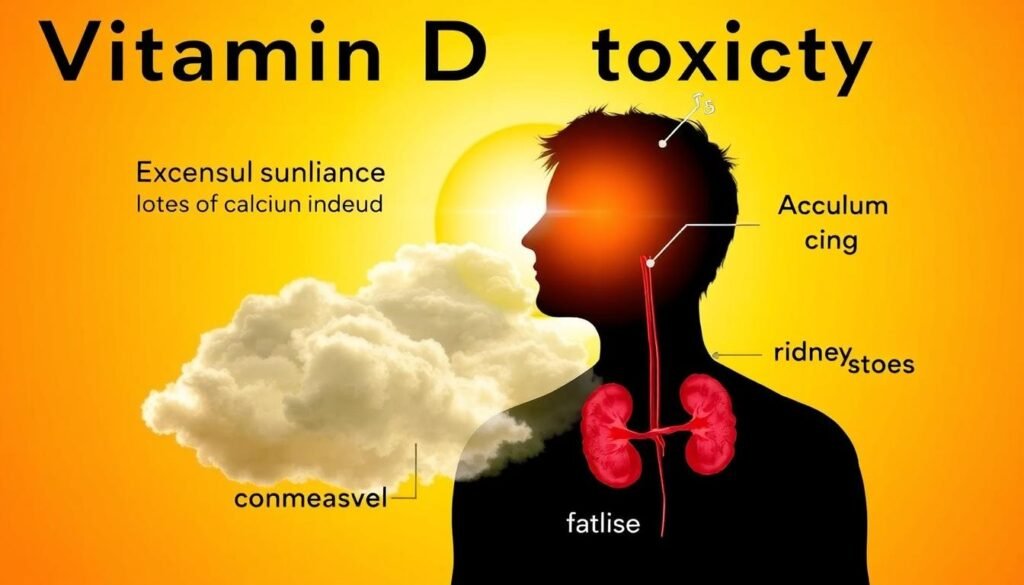
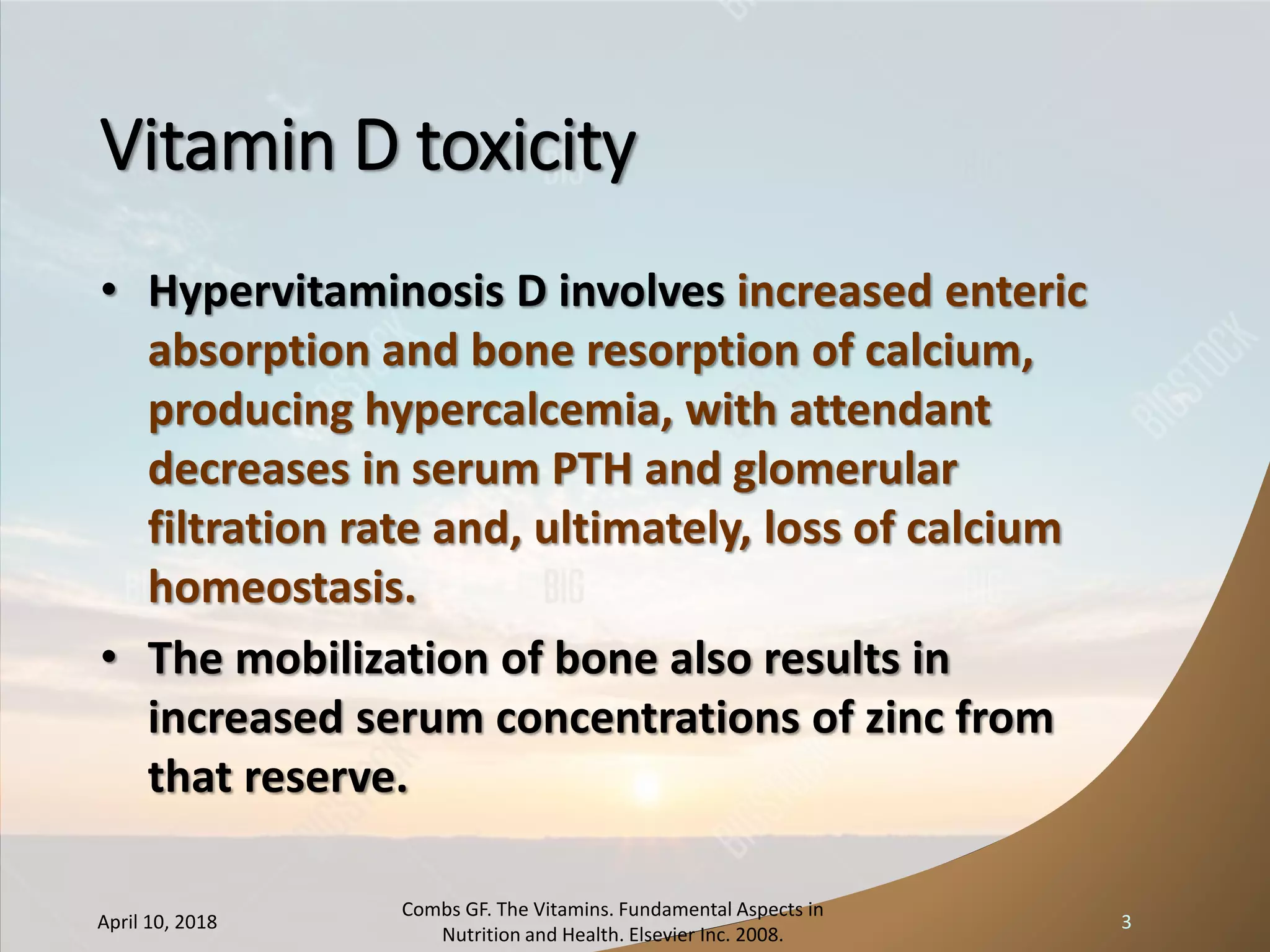
When vitamin D accumulates—often from high-dose supplementation rather than normal sun exposure—the body may absorb calcium more aggressively. Over time, this can create hypercalcemia (elevated blood calcium). And once calcium levels rise, the chemistry that normally keeps bones stable can become unstable. Instead of calcium being locked into healthy structure, the balance shifts toward systemic disturbance. The result can be a bodywide sense of malaise, sometimes with bone pain that feels stubborn, diffuse, or eerily “out of proportion.”
The twist is that vitamin D toxicity doesn’t announce itself as “toxicity.” It often presents as the sort of discomfort people rationalize—stiffness, aches, fatigue—until patterns emerge.
The Calcium Cascade: The Hidden Mechanism Behind Bone Pain
Bone pain in vitamin D toxicity is not simply “more calcium = better bones.” It’s closer to calcium mismanagement. Elevated calcium can trigger changes in parathyroid hormone signaling and influence how bone cells—osteoblasts and osteoclasts—coordinate remodeling.
Think of bones as continuously edited architecture. Osteoclasts resorb old material; osteoblasts build new structure. When the biochemical environment becomes erratic, this editorial rhythm can stutter. The skeleton may experience micro-level stress, irritation, or abnormal remodeling signals that manifest as pain.
Even in the absence of injury, the bones can feel tender or achy. Some people report pain in the hips, back, ribs, or long bones. Others describe a deep, aching sensation that lingers. Short sentences, long questions: Why does it hurt when nothing changed? That question often leads back to supplements, dosage patterns, and the timeline of symptoms.
Paradoxical Symptom: When “Strong Bones” Produces an Ache
The paradox is psychologically potent. Most people take vitamin D to prevent issues—osteoporosis, fatigue, general frailty. When bone pain appears, it can feel like a betrayal of logic. That emotional dissonance matters, because it can delay action: discomfort becomes normalized, and dosage continues because the original intent was correct.
Paradoxical symptoms are notorious for their ability to blur causality. A person might start noticing pain after increasing vitamin D, but because vitamin D is often viewed as “safe,” they may not connect the dots. The bones become the crime scene, while the supplement quietly becomes the suspect.
To pivot your perspective, ask a different kind of question: What if the symptom is not a new condition, but a feedback signal? Bone pain can be that signal—especially when paired with other signs of disturbed calcium balance.
Common Early Clues and the Body’s Warning Chorus
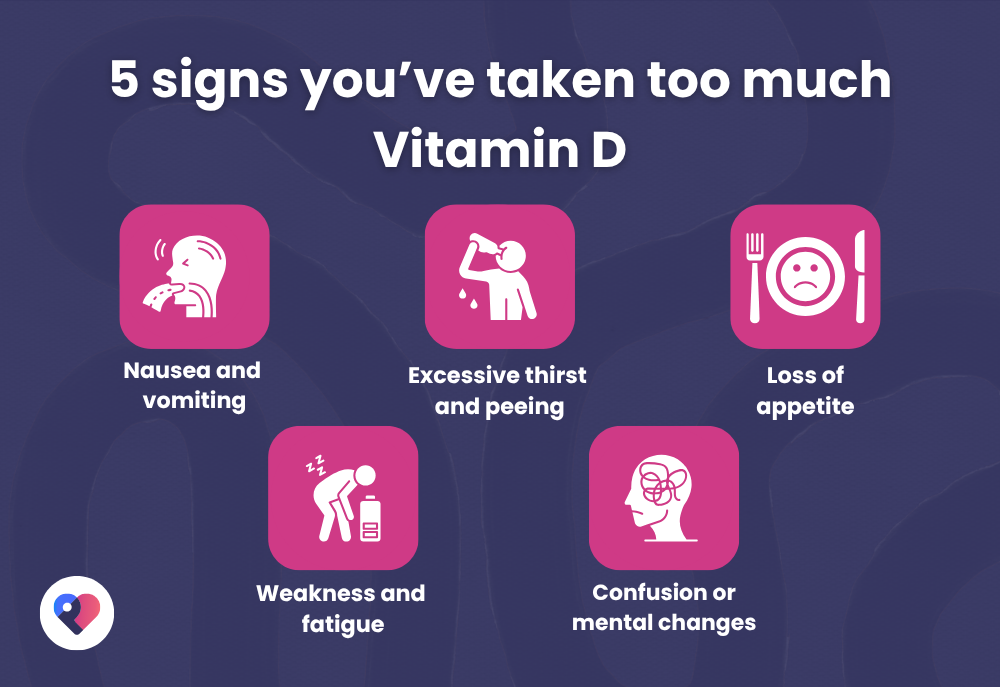
Bone pain rarely travels alone. Vitamin D toxicity can generate a constellation of symptoms that, when viewed together, form a recognizable pattern. Some of the most common clues include persistent nausea, constipation, reduced appetite, excessive thirst, and frequent urination. Fatigue is also frequent; it can feel like the body is running a low-power mode.
Less obvious symptoms may show up as muscle weakness, confusion, or mood changes. The nervous system is sensitive to calcium shifts. Even mild hypercalcemia can influence how tissues communicate.
Then there are the skeletal sensations: dull aches, tenderness, or generalized bone soreness. If the timing aligns with supplement use—especially recent dose increases—curiosity should sharpen into careful investigation.
Curiosity is not procrastination. It’s a method. It asks: What changed right before this began?
Who Is Most at Risk for Vitamin D Toxicity?
Not everyone is equally vulnerable. Toxicity typically emerges in specific contexts. People who take high doses without regular monitoring are at elevated risk. This includes those using “mega-dose” strategies, combining multiple vitamin D products, or unknowingly receiving vitamin D from compounded supplements, fortified foods, or herbal blends that aren’t clearly labeled.
Individuals with certain medical conditions may also be more prone, including disorders that increase calcium absorption or disrupt vitamin D metabolism. Kidney issues can further complicate matters, because the kidneys play a major role in maintaining mineral balance. When elimination pathways are strained, substances can linger longer.
There’s also the human factor: inconsistent dosing, switching brands, or misunderstanding dosage units. A dosage that was intended as a modest increase can become excessive through repetition or stacking.
Signs That Call for Immediate Medical Attention
Some symptoms should not be treated as background noise. If bone pain is accompanied by severe dehydration, persistent vomiting, significant confusion, or fainting, prompt medical evaluation is essential. Likewise, if symptoms escalate quickly, it may indicate a rising calcium level.
These are not “wait-and-see” moments. Hypercalcemia can stress organs and create complications. Even if the bone pain is the most noticeable symptom, the rest of the body may be carrying additional load.
When health systems are involved, the safest mindset is decisive: investigate early, rather than negotiating with uncertainty.
How Bone Pain Is Evaluated: From Symptom Map to Lab Clues
Clinical evaluation often begins with a timeline: when the pain started, what changed, which supplements were used, and at what doses. Then comes targeted questioning about hydration, urination patterns, stomach symptoms, and overall energy levels.
Laboratory testing may include serum calcium, vitamin D levels, kidney function markers, and sometimes parathyroid-related measurements. Imaging is not always necessary, but if pain is intense or localized, clinicians may consider additional evaluation to rule out other bone or joint causes.
It’s important to keep the diagnostic lens broad. Bone pain has many possible explanations—arthritis, fractures, infections, autoimmune issues, medication side effects. Yet vitamin D toxicity becomes a compelling hypothesis when the symptom pattern aligns with supplement timing and calcium-related features.
Reframing the Supplement Mindset: Safer Use Without Losing Momentum
Vitamin D is not the villain. The villain is unmonitored excess. A more resilient approach treats supplementation as a calculated tool rather than a daily leap of faith.
That might mean using evidence-based dosing, confirming baseline vitamin D status, and adjusting with professional guidance. Some people benefit from moderate supplementation; others need less. The body is not one-size-fits-all. Bone health thrives on precision.
If you’re currently taking vitamin D, a pragmatic practice is to check the total daily amount from all sources. Labels can be deceptive in their specificity. Units can be misunderstood. Stacking can happen quietly.
In the background, calcium physiology watches—steady, responsive, and unforgiving if the balance tilts.
What Can Happen After Stopping or Adjusting Vitamin D
If vitamin D toxicity is confirmed or strongly suspected, reducing intake is typically the first step. But “stop taking it” isn’t always the whole solution. Depending on calcium levels and symptom severity, clinicians may recommend hydration strategies and monitor trends in blood chemistry.
Bone pain may improve as mineral balance normalizes, though recovery can take time. Sometimes the ache lingers like an echo after the original event has passed. Patience, however, should be guided by follow-up and re-testing rather than passive waiting.
Long sentences of care often matter: consistent hydration, appropriate medical oversight, and reassessment of vitamin D needs. The goal is not deprivation—it’s recalibration.
A Simple Takeaway: Listen to the Paradox
Vitamin D toxicity and bone pain can feel like a riddle with no solution: how can something designed to build strength contribute to aching? The answer lies in a biochemical pivot—where calcium regulation overshoots, and bones become sensitive witnesses.
If bone pain emerges after increasing vitamin D, curiosity can be a bridge to clarity. Track timing, consider overall symptoms, and seek evaluation when calcium-related signs appear. The paradox is not a dead end; it’s a compass pointing back to metabolic balance.