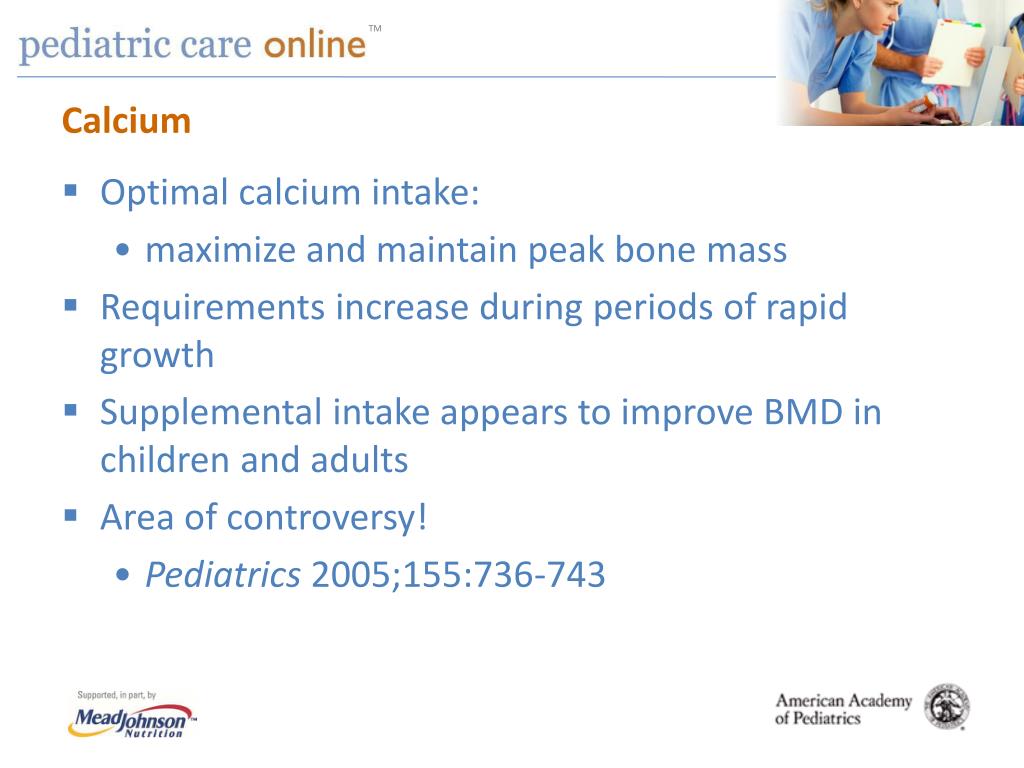
Peak bone mass is a quiet achievement that accumulates during childhood and adolescence—often before anyone thinks to measure it. Among the most influential nutrients behind that lifelong foundation are calcium and vitamin D. Together, they orchestrate bone mineralization with an elegant choreography: calcium supplies the structural building blocks, while vitamin D helps the body absorb and utilize those building blocks. When either element is insufficient, bones may develop with less density than nature intended. The good news is that families can take concrete steps—through diet, sunlight strategy, and, when appropriate, supplementation—to support skeletal strength.
Why Peak Bone Mass Matters More Than It Sounds
Bone is not a static material; it is living architecture, constantly remodeled by cells that build and resorb tissue. In youth, formation generally outpaces breakdown, allowing bones to “gain ground.” Peak bone mass functions like the maximum stock of bone strength the body will accumulate over a lifetime. A higher peak typically provides a larger buffer later when aging, hormonal changes, or lifestyle factors begin to nudge bone density downward.
This matters for more than “future osteoporosis.” Strong bones also support athletic performance, posture, and resilience after injuries. Even short periods of inadequate nutrition can influence growth tempo and mineral deposition. Some children might appear healthy, yet their skeletal planning could be suboptimal—an idea that turns nutrition into a long-term investment rather than a quick fix.
Calcium: The Scaffold Calcium Doesn’t Stand Alone
Calcium is the mineral that gives bones their firmness and compressive strength. It is also essential for muscle contraction, nerve signaling, and blood clotting. In children, calcium is particularly critical because growth requires a steady supply. The body relies on daily intake; storing large reserves is not the strategy. Instead, calcium must be consistently supplied, then incorporated into the developing skeleton.
Dietary calcium sources include milk, yogurt, cheese, fortified plant milks, and calcium-set tofu. For families who prefer less dairy, fortified options can be a practical bridge. Some leafy greens contribute calcium too, though the bioavailability varies depending on the plant and its oxalate content. This is one reason nutrition planning benefits from attention to both “calcium amount” and “calcium usability.”
It helps to think in practical portions: children’s needs evolve with age, so the goal is to meet recommended daily amounts through a combination of foods. When dietary intake is low, calcium supplementation may be considered, but it works best when paired with adequate vitamin D.
Vitamin D: The Master Key for Absorption and Utilization
Vitamin D acts like a regulatory cofactor enabling the intestine to absorb calcium efficiently. Without enough vitamin D, dietary calcium may pass through with limited absorption—like carrying construction materials to a site without the proper equipment to place them correctly. Vitamin D also supports bone formation by influencing mineralization at the cellular level.
Children obtain vitamin D through skin exposure to ultraviolet B (UVB) radiation, diet, and supplements. However, the sunlight pathway is complicated. Cloud cover, skin pigmentation, latitude, seasonality, clothing coverage, sunscreen use, and even air pollution can alter vitamin D synthesis. Moreover, time outdoors varies widely between families and climates.
Food sources of vitamin D are fewer than calcium’s. Fatty fish, egg yolk, and fortified dairy or plant products can help. When intake and sun exposure are insufficient, supplementation may close the gap—typically under pediatric guidance and often based on individual risk factors.
The Synergy: How Calcium and Vitamin D Build Together
Calcium and vitamin D are a tandem system. Calcium provides the mineral cargo, and vitamin D governs the delivery mechanism. When both are adequate, bones mineralize more effectively, and children are better positioned to achieve their genetic potential for peak bone mass.
Conversely, an imbalance can create downstream consequences. Low vitamin D can lead to reduced calcium absorption, which may trigger hormonal compensations. In growing children, this may not always present as dramatic symptoms; the issue can be subtle, emerging as less robust bone accrual over time.
Because the nutrients interact, clinicians often consider them together. A diet that is “calcium-rich” but vitamin D-poor might still fall short of optimization. Likewise, abundant vitamin D with insufficient calcium may not fully translate into bone strength gains. The target is equilibrium—steady intake, consistent absorption, and adequate growth support.
Age-Based Needs: Nutrition Changes as Bodies Grow
Children are not small adults; bone turnover and growth demands vary by age. During early childhood, growth patterns differ from puberty, and the skeletal system becomes increasingly responsive to hormonal shifts. Adolescence introduces a surge in bone deposition, making this period especially important for meeting nutrient requirements.
Families often benefit from viewing calcium and vitamin D as “phased support.” Younger children may need particular attention to dairy or fortified alternatives, especially if picky eating reduces variety. Older children may spend more time outdoors, but dietary gaps can still occur—particularly with restrictive diets or limited access to fortified foods.
During puberty, the same nutrient strategy may require recalibration. Tracking intake and adjusting with pediatric advice can help align nutrition with growth velocity, rather than treating needs as one-size-fits-all.
Dietary Pathways: Building a Bone-Friendly Plate
A balanced diet can serve as the backbone of a bone-strength plan. Calcium-rich meals might include yogurt bowls with fruit, smoothies made with fortified milk, calcium-set tofu stir-fries, or cheese-based lunch options. When dairy isn’t feasible, fortified plant milks (with added calcium and often vitamin D) can support similar goals.
Vitamin D can be addressed through fortified foods and smart supplementation when appropriate. Pairing calcium foods with vitamin D sources increases the likelihood that absorbed calcium is used for mineralization. For example, a fortified milk glass with breakfast can contribute to both nutrients simultaneously.
Families can also make nutrition “habitual” rather than “occasional.” Repeated small doses across the day tend to be more practical than large irregular servings. Many children respond well to routine: the same snack choices, similar meal rhythms, and simple swaps that still meet targets.
Sunlight and Outdoor Time: Harnessing the Body’s Vitamin D Engine
Sun exposure can help the skin produce vitamin D, but it is not merely a matter of “more is better.” Children need outdoor time for many reasons—physical activity, mood, and circadian rhythm—yet vitamin D synthesis depends on UVB exposure that varies across conditions.
Short, regular outdoor sessions can be more realistic than sporadic long ones. Clothing and sunscreen complicate matters because they reduce UVB reaching the skin. Sunscreen is essential for skin cancer risk reduction, so the goal becomes balance: safe sun practices while also ensuring vitamin D adequacy through food and supplements if needed.
In regions with low winter UVB, supplementation becomes more relevant. The key is thoughtful planning rather than guesswork—especially for children who have darker skin, live far from the equator, or spend most of their time indoors.
Supplementation: When, Why, and How to Do It Responsibly
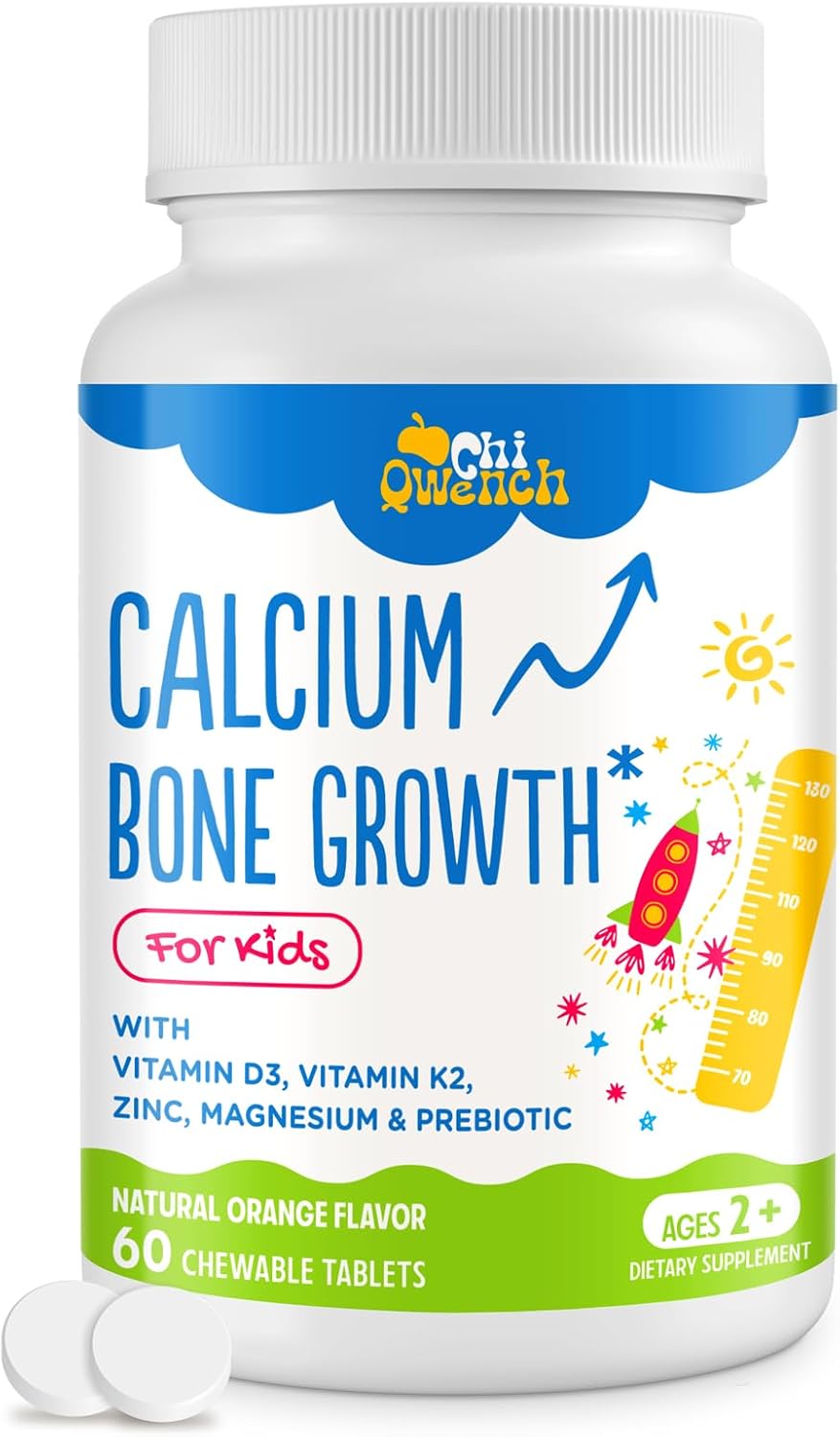
Supplements can be helpful when diet and sunlight do not meet needs, or when specific risk factors exist. Examples of higher concern include children with malabsorption conditions, restrictive dietary patterns, limited outdoor exposure, chronic illness, or inconsistent access to fortified foods. In such cases, a pediatrician may recommend blood testing and a targeted regimen.
Not all supplement decisions should be identical. Dosing depends on age, baseline intake, and individual risk. Some families prefer chewables or gummies, but it’s wise to pay attention to formulation and consistency. Supplements should complement a broader plan—not replace nutrient-rich foods.
Safety matters. Too much calcium can cause gastrointestinal discomfort and, in some contexts, contribute to issues such as constipation or kidney concerns. Too much vitamin D can be hazardous as well. Responsible supplementation means using evidence-based dosing and periodic reassessment when recommended.
Absorption Challenges: When Food Isn’t the Only Factor
Calcium absorption can be affected by multiple variables: inadequate vitamin D, certain medications, gastrointestinal disorders, and dietary patterns that reduce overall nutrient quality. Lactose intolerance may lead some children to avoid dairy; however, lactose-free dairy or fortified lactose-free alternatives can often preserve calcium intake.
Some diets are high in calcium yet low in vitamin D, while others include vitamin D but lack consistent calcium sources. Additionally, high soda intake or low overall nutrition may displace nutrient-dense foods. In such scenarios, strengthening one nutrient without considering the other can yield less than the intended benefit.
For children with ongoing GI symptoms, poor growth, or known absorption concerns, evaluation is crucial. Bone health is too important to treat as a “wait and see” issue when a medical explanation is possible.
Common Myths and Misconceptions: Clarifying the Noise
One pervasive myth is that bones “just grow strong” without attention to nutrition. Growth is powerful, but it still requires appropriate raw materials. Another misconception is that sunshine alone is sufficient year-round; geography and behavior often undermine that assumption.
Some families believe calcium from any source is equally effective. In reality, bioavailability varies, and vitamin D status influences how much calcium the body can actually absorb. Similarly, interpreting “healthy” foods incorrectly can lead to gaps—such as thinking that plant-based eating automatically guarantees vitamin D adequacy.
Instead of chasing quick fixes, the most reliable approach is a system: consistent calcium intake, sufficient vitamin D through safe sun and fortified foods, and supplementation only when appropriate. Nutrition should be practical, repeatable, and individualized.
What Families Can Expect: Evidence-Informed Content to Guide Everyday Choices
Readers typically benefit from layered content that matches real life. Expect nutrition basics presented as meal strategies: easy breakfast ideas, snack swaps, and portion guidance. Look for checklists that help families assess intake patterns, including dairy or fortified alternatives and outdoor time habits.
Educational material often includes “risk lens” sections that explain why some children need extra attention—such as those with limited sunlight, dietary restrictions, or GI conditions. Many resources also feature clinician-style explanations of how vitamin D supports calcium absorption, turning abstract biochemistry into understandable everyday logic.
Finally, high-quality content usually acknowledges that bone health is not a single-day event. It is a timeline. Families should see guidance on consistency across seasons, a focus on sustainable habits, and reminders that pediatric advice is essential for supplement dosing.