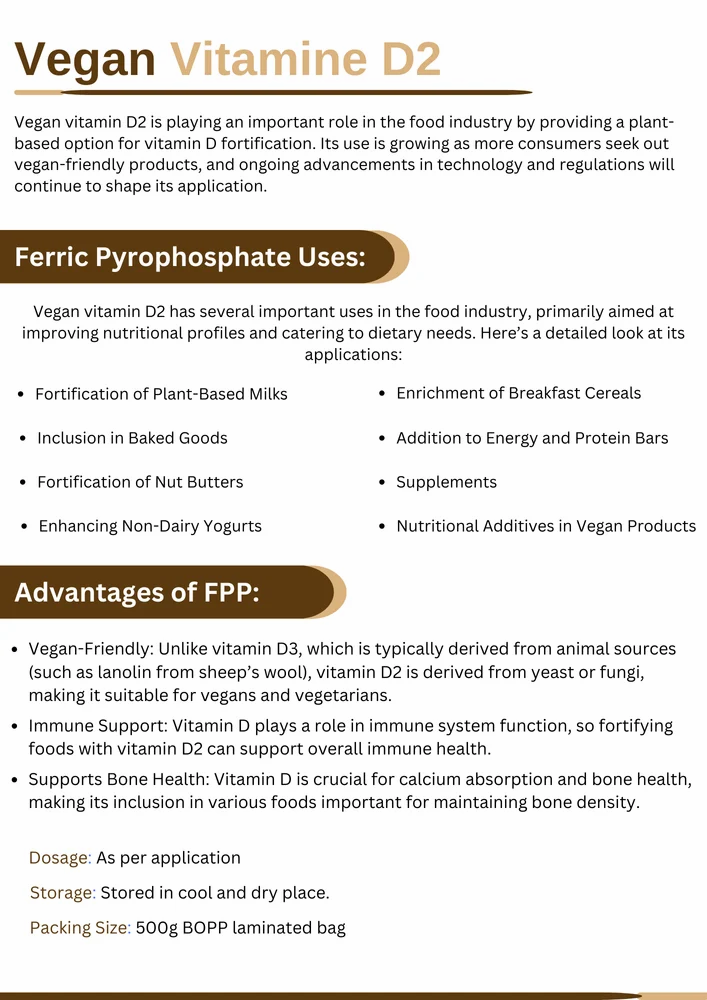
Imagine Vitamin D as a courier who must travel from the daylight outside to the internal cities where your cells live and work. Now imagine that you’ve chosen a delivery truck that looks sturdy—clean, plant-friendly, and familiar to vegans—but it moves with a frustratingly short sprint before it runs out of momentum. That’s the problem many people encounter with Vitamin D2 (ergocalciferol): its half-life is relatively brief, so the courier clock ticks faster than you might expect. For vegans, who often rely on carefully curated nutrition, this difference can quietly reshape outcomes—sometimes more than the label suggests.
D2 vs. D3: The “same name” illusion
Vitamin D2 and Vitamin D3 wear similar badges, yet they behave like different breeds of transport. Both can raise serum 25-hydroxyvitamin D, but the choreography of conversion and persistence differs. D2 is like a messenger that delivers the package and then dissolves into the night. D3 is more like a courier who stays in the route longer, extending the window before the next delivery is needed.
This matters because supplementation isn’t only about arrival—it’s about maintaining a stable supply. Bone metabolism, immune signaling, and muscular function all respond to whether vitamin D levels remain in a workable range over time. A short half-life can turn what should be a steady narrative into a recurring cliffhanger: “Will it hold until the next dose?”
Short half-life: when stability becomes a scheduling problem
Half-life is often discussed as if it were purely scientific weather. But for daily life, it functions like a thermostat with a fast backlash: you set it, you get warmth, and then it cools sooner than expected. With D2, the body may clear it at a more rapid rate compared with longer-lasting forms, so the “signal” can wane even when you’re doing everything you believe is correct.
For vegans, this can be uniquely vexing. Many people already manage intake thoughtfully—avoiding animal products, choosing fortified foods, and using supplements deliberately. If D2’s diminishing influence arrives faster than the typical dosing rhythm, you can end up in a cycle of peaks and troughs. It’s not that D2 is “useless.” It’s that its effect may require more frequent dosing—or higher attention to consistency—to resemble the steadiness many people want.
Conversion and persistence: why the body’s chemistry loves continuity
Vitamin D doesn’t function as a single on/off switch. It’s more like an orchestral piece where instruments must keep playing long enough to complete the movement. D2 must still participate in the biochemical transformation journey toward its active roles. When the upstream component fades quickly, the system may struggle to sustain an adequate tempo.
Picture your vitamin D status as a reservoir. If inflow decreases rapidly, the water level can drop between replenishments, especially during seasons when sunlight is scarce. Vegans, who may not routinely receive vitamin D from animal sources, can be more exposed to this “reservoir effect.” Fortified foods help, but fortification patterns vary; sunlight exposure varies wildly; and routine can drift.
So the half-life becomes more than a statistic. It becomes a structural constraint on how easily the body can maintain balance.
The vegan appeal: plant alignment with a hopeful edge
Here’s the part that deserves respect: Vitamin D2 has a compelling ethical and culinary coherence. It’s derived from non-animal sources, making it attractive for those who want their supplementation to match their dietary philosophy. For many vegans, that alignment isn’t minor—it’s part of the meaning of the practice.
D2 offers a sense of belonging: “This fits my values.” It also offers psychological comfort—an assurance that the supplement doesn’t require compromise. That unique appeal can be powerful, almost like a lantern in fog. Even when the half-life creates practical challenges, it’s understandable why D2 remains popular.
The key is to treat that appeal as an invitation to optimize rather than as a promise that every outcome will be identical.
Fortified foods and sunlight: the uneven landscape that reveals D2’s limits
Vegan vitamin D often comes through a quilt of sources: fortified plant milks, fortified yogurts, occasional exposure to sunlight, and supplements. Yet this quilt isn’t uniform. Fortified products can differ in dosage. Serving sizes can be inconsistent. And sunlight is a seasonal creature—sometimes generous, sometimes absent.
When your inputs are already variable, a shorter half-life can amplify the fluctuations. You might feel fine for weeks, then notice a gradual decline in lab markers. It’s not dramatic, and it’s not always obvious. It’s subtle—like dust accumulating in the corner of a room. Then, at a follow-up test, the numbers tell a clearer story than your intuition.
In other words, D2’s “short sprint” can become more noticeable when your overall intake isn’t already highly consistent.
Metabolic downstream effects: beyond bones
Vitamin D plays roles that extend past the classic bone-and-calcification narrative. It interacts with immune modulation and muscle function—systems that benefit from stable biochemical signaling. When levels decline more quickly, the body may need to compensate, and compensation can never fully replace the elegance of steady availability.
Think of it like maintaining a garden. It’s not enough that seeds sprout once. You need watering patterns that allow plants to grow without stress. A short-lived vitamin supply can create micro-stressors: small, chronic dips that don’t look alarming until they stack up over time.
For vegans aiming for meticulous wellness, this is the quiet cost of relying on a form with shorter persistence.
How to approach supplementation intelligently (without abandoning vegan ethics)
None of this requires abandoning D2 as a choice. It suggests a more deliberate framework. If you use D2, consider monitoring your vitamin D status and aligning dosing to your lifestyle realities. Consistency often beats improvisation. And because sunlight and fortified foods vary, your supplementation schedule shouldn’t assume the environment will behave predictably.
Many vegans also evaluate the broader formulation picture: not just “D2 vs. D3,” but the overall strategy—dose amount, frequency, whether the supplement is taken with fat-containing meals, and the timeline of re-testing.
In practice, the goal is stability. You want the courier to keep running long enough that your internal cities never experience an empty road.
Visualizing the half-life: the body’s time-lapse effect
Half-life can be difficult to feel until you visualize it. The point of the charts is simple: they show how quickly a form of vitamin D may decline in circulation. When the curve falls faster, it implies more frequent replenishment may be necessary to maintain a consistent plateau.
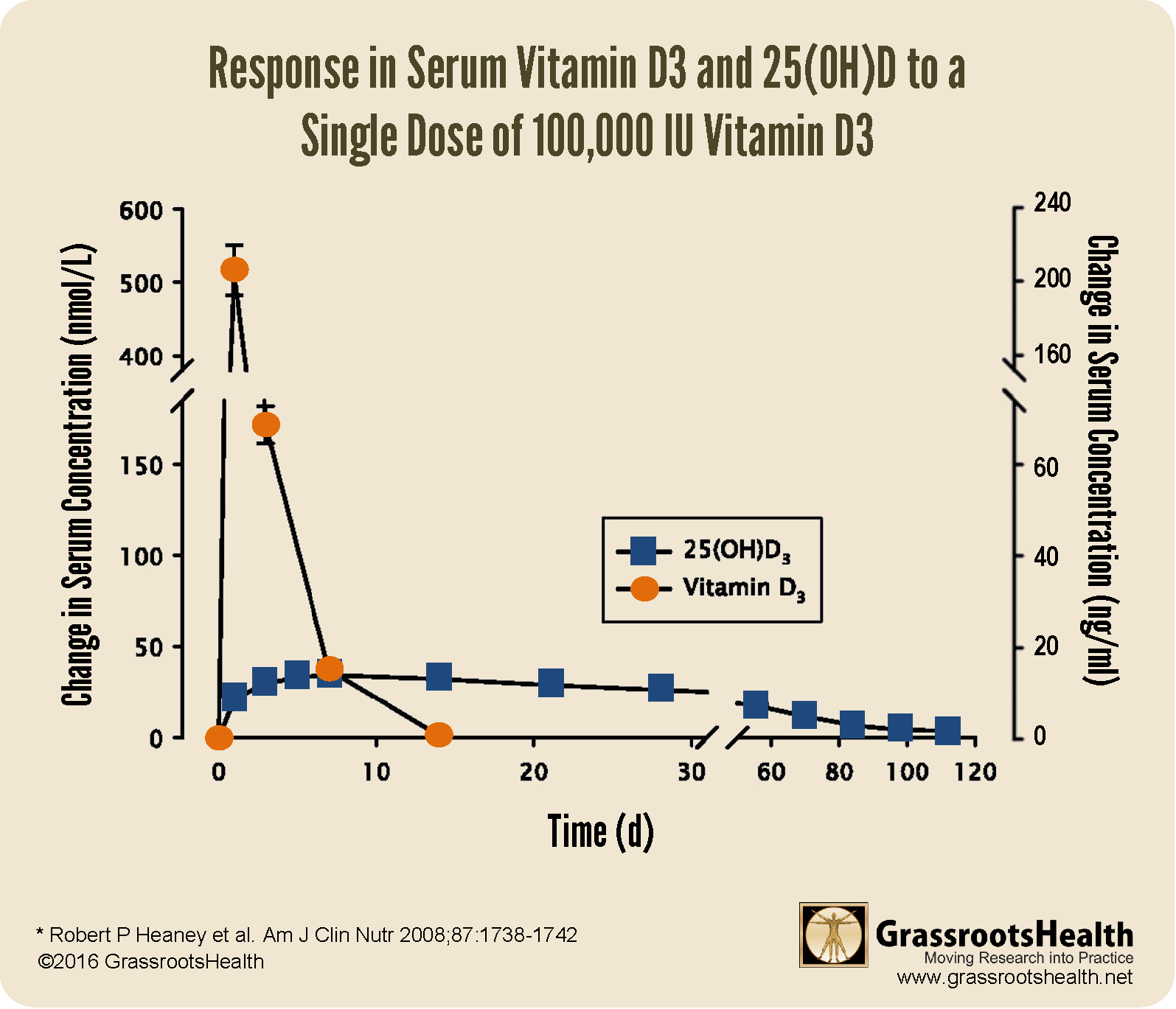
The visual effect turns an abstract concept into a tangible rhythm. You can almost hear the timing difference—like two songs with different tempos. One keeps you moving; the other fades sooner.
Final takeaway: choose, then tune
Vitamin D2 can be a worthy vegan tool, supported by a strong ethical and practical appeal. Yet its short half-life can create a stability gap—especially when sunlight is inconsistent and fortified foods don’t arrive like clockwork. The challenge isn’t whether D2 works at all. The challenge is whether it works reliably for your pattern of intake over time.
The most intriguing metaphor here is the courier route: vegan D2 can be a bicycle that gets you started fast, but without a longer-lasting transport system, you may find yourself pedaling more often than expected. If your aim is steadiness—steady immune signaling, steady support for musculoskeletal health—then choosing a form with better persistence (or tuning your schedule with precision) becomes the true victory.