When people speak about Vitamin D and COVID-19, they often sound as though they’re chasing a simple answer: “What’s the dose?” Yet the reality is more atmospheric than it appears. The fascination is understandable—Vitamin D sits at the crossroads of sunlight, immunity, and metabolism, and many researchers noticed that viral seasons sometimes mirror vitamin D deficiency patterns. Still, the question “optimal dose” isn’t a single-number riddle; it’s a living problem shaped by baseline status, dosing schedules, and the immune system’s timing. To understand the studies, it helps to follow the logic that sits beneath the headlines.
Why the “right dose” feels elusive
One common observation keeps resurfacing: in studies, Vitamin D supplementation sometimes correlates with fewer infections or milder outcomes, but the magnitude varies widely. That inconsistency can be frustrating—especially when people expect a clear prescription. The deeper reason for this variability lies in physiology. Vitamin D doesn’t behave like a typical drug that targets a narrow pathway. Instead, it acts like a hormonal regulator, nudging immune signaling, epithelial integrity, and inflammatory tone. If someone begins with deficient levels, supplementation may resemble a “correction of a deficit.” If someone begins with adequate levels, the same supplement may become closer to maintenance—less dramatic, harder to detect in outcome data.
Another layer complicates comparisons: dose timing and adherence. A single high dose may not mimic steady physiological replenishment. Some protocols aim for “repletion,” while others emphasize “maintenance.” And because COVID-19 risk also depends on exposure intensity, age, comorbidities, and ventilation circumstances, any trial’s effect size can be diluted by factors outside vitamin D itself.
What studies typically measure: serum 25(OH)D
Most research does not assess “Vitamin D intake” in isolation. Instead, it evaluates serum 25-hydroxyvitamin D—often written as 25(OH)D—which is the major circulating form. This biomarker matters because it reflects what the body actually has available. Two people can both take the same dose but end up with different 25(OH)D levels due to absorption differences, body fat distribution, liver metabolism, and genetic variants influencing vitamin D handling.
In practical terms, studies frequently explore whether achieving certain serum thresholds correlates with better immune outcomes. The fascination is that “more” is not always “better.” Immune modulation has an optimum range; beyond that range, additional benefits may flatten, while risks—such as hypercalcemia—become more plausible.
Evidence trends for COVID-19 prevention
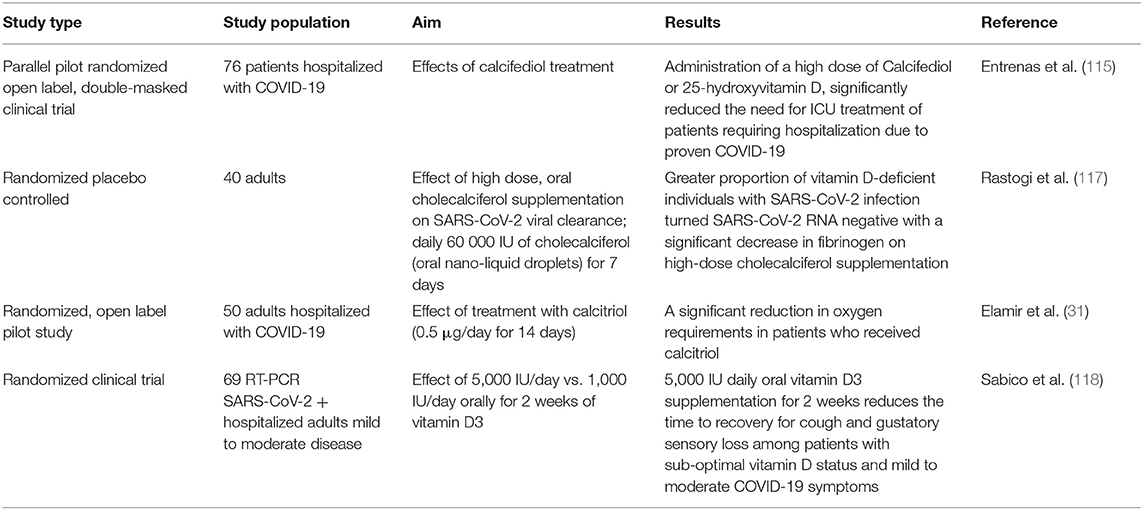
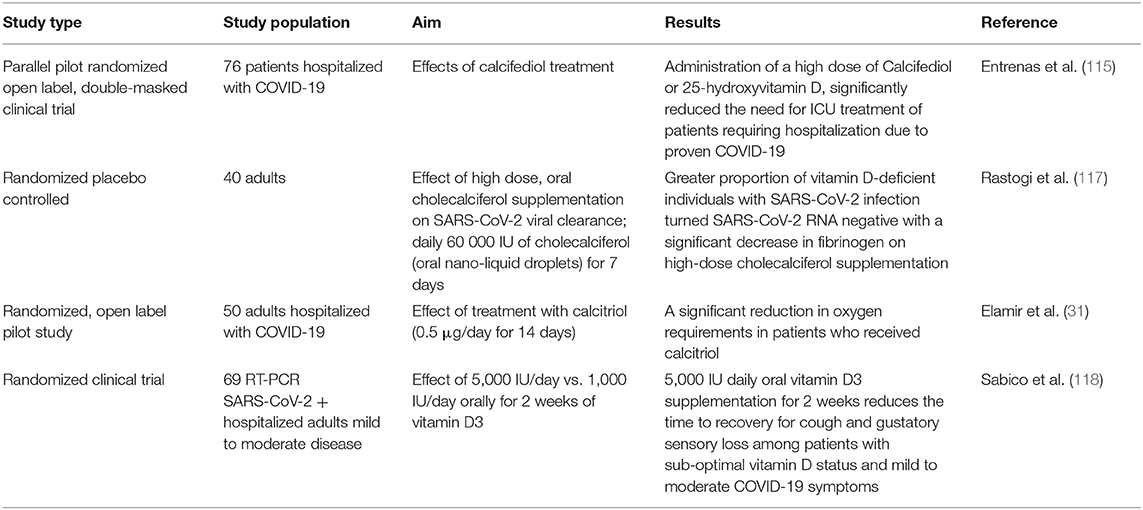
When focusing on prevention, the most consistent theme is not uniform superiority of one dosing regimen. Instead, trials and observational studies often suggest a protective association when people are vitamin D deficient or insufficient at baseline, and when supplementation improves serum 25(OH)D toward sufficiency. Some findings point to reduced infection risk, while others emphasize fewer severe outcomes among those who do become infected. Prevention and severity are related, but not identical. Vitamin D’s influence may be stronger on early host defense and inflammatory moderation than on preventing exposure itself.
In other words, Vitamin D may not act like a shield you wear. It may act more like a weatherproofing system for the immune response—helping the body react with a better-calibrated inflammatory tempo, and supporting barrier functions in the respiratory tract.

Different dosing strategies: daily vs. bolus
One of the deepest reasons dose “answers” look inconsistent is that supplementation strategies vary. Daily dosing tends to produce smoother serum kinetics, resembling the body’s natural replenishment from sun exposure. Bolus dosing—larger amounts given less frequently—may generate spikes followed by declines. Immune cells may respond differently to stable physiologic levels versus transient surges.
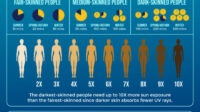
Several study designs used varied schedules, and that makes direct comparisons tricky. Yet the immunological storyline offers a hint: an immune response is not simply activated or deactivated; it’s choreographed. A steadier substrate might support ongoing signaling and readiness, particularly in populations at risk of deficiency due to limited sunlight, higher latitude, darker skin pigmentation, older age, or indoor lifestyles.
How much is “optimal”? A pragmatic interpretation of the evidence
Rather than chasing a magical number, the evidence encourages a target-oriented approach. Many studies and clinical reasoning converge on the concept that the “optimal dose” is the one that reliably brings most deficient people into a sufficiency range without exceeding safety limits. This means the effective dose depends on starting 25(OH)D.
In practical terms, mild deficiency often responds to modest daily supplementation, while more pronounced deficiency may require higher repletion phases. The goal is usually to increase serum 25(OH)D enough to support immune function. Safety boundaries matter too. Excessive dosing can contribute to vitamin D toxicity through elevated calcium levels, and that is the boundary condition no study should ignore. Therefore, “optimal” is not only efficacy—it’s efficacy within a safety envelope.
If you’re trying to translate study findings into action, consider this narrative: prevention works best when Vitamin D is corrected early, not after illness begins. Supplementation during periods of high seasonal risk, combined with baseline correction, has a more logical arc than waiting until symptoms arrive.
Timing matters: early correction beats last-minute supplementation
COVID-19 is a fast-moving disease. By the time symptoms become prominent, multiple inflammatory cascades may already be underway. Vitamin D’s influence on immune modulation and epithelial defenses likely functions more effectively before viral escalation. This is why prevention-focused studies often show stronger signals than treatment-focused ones.
There is also a temporal mismatch problem in many trials: if the intervention starts late, the “window of immunologic priming” may have already passed. In that sense, the fascination with Vitamin D stems from its potential role as a background regulator—similar to how good lighting supports reading. You can’t correct the text mid-sentence; you need the environment beforehand.
Who benefits most: the deficiency-first hypothesis
Across multiple data patterns, people with lower baseline vitamin D levels tend to show more room for improvement. This deficiency-first hypothesis suggests that Vitamin D supplementation is not inherently “anti-viral” in the same direct way as specific antivirals. Instead, it helps restore immune competence that deficiency may have blunted. The immune system is not a monolith; it’s an orchestra. Deficiency can impair the tuning of multiple instruments—innate responses, epithelial defenses, and inflammatory signaling.
Age adds another twist. Older adults often experience reduced skin synthesis, dietary limitations, and altered metabolism. Body fat changes distribution, and chronic illnesses can affect vitamin D processing. When studies enroll mixed populations, the average effect can appear smaller even if a subgroup benefits substantially.
Safety, monitoring, and the danger of “more is better”
The pursuit of an optimal dose must include an equally optimal respect for safety. Vitamin D toxicity is uncommon but real, typically connected to excessive intake and resultant hypercalcemia. High-dose regimens used in certain settings require careful medical supervision, especially in individuals with kidney disease, granulomatous disorders, or predispositions to hypercalcemia.
Serum 25(OH)D monitoring can help ensure that supplementation achieves sufficiency rather than overshooting. Even without frequent testing, a cautious approach—favoring repletion for deficiency and maintenance thereafter—aligns with both the biological logic and study-derived uncertainty.
Putting it all together: an evidence-informed dose philosophy
The “optimal dose” of Vitamin D for COVID-19 prevention is best understood as a coordinated strategy: identify deficiency risk, correct low serum 25(OH)D, maintain sufficiency, and do so early enough to support immune readiness. Studies collectively hint that the benefit is most meaningful when baseline levels are inadequate and when supplementation is consistent. The deeper fascination lies in Vitamin D’s systemic role—sunlight translated into immune modulation, mediated through hormonal regulation rather than a single targeted mechanism.
Ultimately, the optimal dose isn’t merely a number. It’s a fit between your baseline vitamin D status, your supplementation schedule, and the safety boundaries that keep physiology steady. When those align, the evidence narrative becomes less scattered, and the immune system seems to respond with a calmer, more effective rhythm—exactly what a prevention strategy needs.