Winter can feel like a pause button for the body—less daylight, cooler air, and routines that subtly tighten. In that season, vitamin D deficiency becomes more than a biochemical inconvenience. It can quietly tax the workforce, strain household budgets, and ripple through healthcare systems. When the days grow short and indoor life thickens, fewer people are able to marshal their immune defenses efficiently. The result is a pattern many organizations recognize too well: the sick day, the lingering cough, the “just one more week” that turns into a season-long drag on productivity.
The Hidden Arithmetic of Sick Days
At first glance, a sick day seems trivial: one absence, one calendar box left blank. But the economic impact is rarely linear. A single missed shift can cascade into overtime for colleagues, delayed deliverables, and workflow disruption that doesn’t simply reset when someone returns. Winter vitamin D deficiency can contribute to a higher frequency of respiratory and general illness symptoms, increasing the likelihood of unscheduled time off. Even when employees are not hospitalized, mild-to-moderate illness can reduce energy, concentration, and decision speed—those “subclinical” effects that make work slower without any formal disability paperwork.
In aggregate, absenteeism becomes a budgeting problem. Human resources teams shoulder the administrative load: replacement staffing, rescheduling interviews or appointments, and managing short-term leave requests. Operations leaders face a different arithmetic: delayed inventory movement, slower customer response times, and “knowledge friction” when a person’s responsibilities are redistributed across multiple colleagues.
Consider how winter affects attendance cultures. In some workplaces, taking time off is stigmatized, leading to presenteeism—people show up sick. That can protect staffing numbers in the short term while deepening the downstream costs: longer recovery periods, greater risk of spreading illness, and a higher probability of repeated absences later. The economic burden shifts from one large event to many smaller ones that are harder to quantify.
Productivity Loss Beyond Absence
Absence is only the visible tip of the iceberg. Vitamin D deficiency can also influence the way people perform while at work. Employees may experience fatigue, muscle discomfort, and a general sense of “drag,” which can manifest as slower task completion, more errors, or reduced stamina during physically demanding roles. Office workers can feel it too: diminished focus, difficulty sustaining attention, and a higher propensity for minor mistakes that demand rework.
These productivity losses have a particular economic signature: they don’t always show up as straightforward sick-leave statistics. Instead, they appear in service delays, lowered throughput, and elevated rework rates. A customer support team might resolve fewer tickets per hour. A manufacturing site might see a higher incidence of quality checks and stoppages. Project-based businesses can experience “timeline slippage,” where work continues but deadlines creep, compressing future schedules and escalating costs through expedited shipping or emergency staffing.
Even in roles where physical exertion is minimal, immune-related fluctuations can erode performance. Short illnesses can fracture momentum. The economy dislikes fragmentation: when people bounce back from illness, they often return with a different rhythm—catching up takes time, and that time has an opportunity cost.
Healthcare Expenditures and the Season Spiral
Winter is already expensive for healthcare; layered on top is the possibility of more frequent infections and prolonged recovery. Vitamin D status can influence immune regulation, and when deficiency is widespread, healthcare demand can rise through more primary care visits, urgent assessments, and diagnostic testing. Even if the illnesses are not severe, the cumulative cost matters—doctor appointments, pharmacy purchases, imaging, lab work, and follow-up visits.
Healthcare utilization also interacts with system capacity. When winter volumes swell, waiting times lengthen, and care becomes more fragmented. That fragmentation can worsen outcomes and increase total costs. Employers feel the impact indirectly: employees spend more time navigating appointments, caregivers coordinate with clinicians, and some roles require time off beyond the original sickness window.
At the household level, medical costs can trigger a cascade of financial stress. Out-of-pocket spending, transportation to appointments, and reduced working hours can collide with winter heating and food expenses. That stress, in turn, can worsen health behaviors—later follow-up, delayed prescriptions, or inconsistent symptom management—creating a loop that deepens the economic toll.
Workplace Culture, Risk, and Transmission Dynamics
Economic impact is not only a biological story; it’s a behavioral one. Workplace norms influence whether illness spreads and how quickly it is contained. When vitamin D deficiency is common during winter, illness susceptibility may increase, but transmission still depends on environmental and social factors: crowded workplaces, limited ventilation, and “close-contact” schedules.
The economics of this is straightforward. An outbreak within a team can trigger multiple absences at once. That is when short-term scheduling becomes precarious and managers scramble for cover. Training replacements can add hidden costs, especially when knowledge is tacit—something not documented and not easily transferable. In service businesses, where human presence is the product, staffing volatility becomes a customer experience issue as well as a cost issue.
Even without full outbreaks, repeated waves of mild symptoms can keep departments perpetually understaffed. This “slow burn” is economically expensive because it erodes planning confidence. Organizations spend more on contingencies: backup labor, reassignments, and temporary contracts.
Burden on Caregivers and Household Economics
The winter sick-day economy isn’t limited to paid employees. Caregivers—parents, relatives, and friends—often absorb the cost of illness through time. When adults are sick, children’s routines may fracture. When children are sick, adults may miss work to provide care. Vitamin D deficiency can contribute to the seasonal pattern of illness for entire households, not just individual workers.
The economic strain shows up in reduced income, lost promotions or missed shifts, and increased household spending on treatment and recovery. In some families, the time cost is even more severe than the financial cost. Caregiving requires coordination: childcare, school notifications, pharmacy runs, and recovery monitoring. This can reduce the hours someone can work or push them toward jobs with fewer benefits and less flexibility—an economic tradeoff with long-term consequences.
Winter also magnifies household expenses, leaving less room for unexpected medical costs. A household that can’t buffer these surprises experiences financial stress that affects subsequent health decisions, turning a seasonal health issue into an extended economic burden.
Long-Term Consequences: From Seasonal Drift to Chronic Strain
Repeated winter illnesses can become a chronic strain on the labor market. People who experience frequent infections may lose confidence, develop anxiety around health, or experience interrupted training and professional development. Over time, that can affect earnings. For some workers, the pattern leads to earlier exits from physically demanding roles or reduced hours that become permanent.
There is also a psychological cost. Persistent fatigue and illness uncertainty can lower perceived control, reducing motivation and affecting job satisfaction. Employers then face retention challenges and increased turnover costs—recruitment, onboarding, and productivity ramp-up that can take months. The economy doesn’t just lose labor hours; it loses institutional knowledge.
When deficiency is widespread, the issue can shift from an individual-level problem to a workforce-level vulnerability. That shift matters for economic planning: organizations must account for variability and build resilience into staffing models, sick-leave policies, and health support programs.
What Readers Can Expect: Content Themes and Practical Angles
Readers typically want more than statistics—they want clarity about what changes in the real world. You can expect content that explains winter sunlight limitations, highlights the difference between dietary intake and sunlight-driven production, and connects vitamin D status to seasonal health patterns. Some articles emphasize prevention and daily habits. Others focus on symptoms and how deficiency can be recognized through discussion with healthcare professionals.
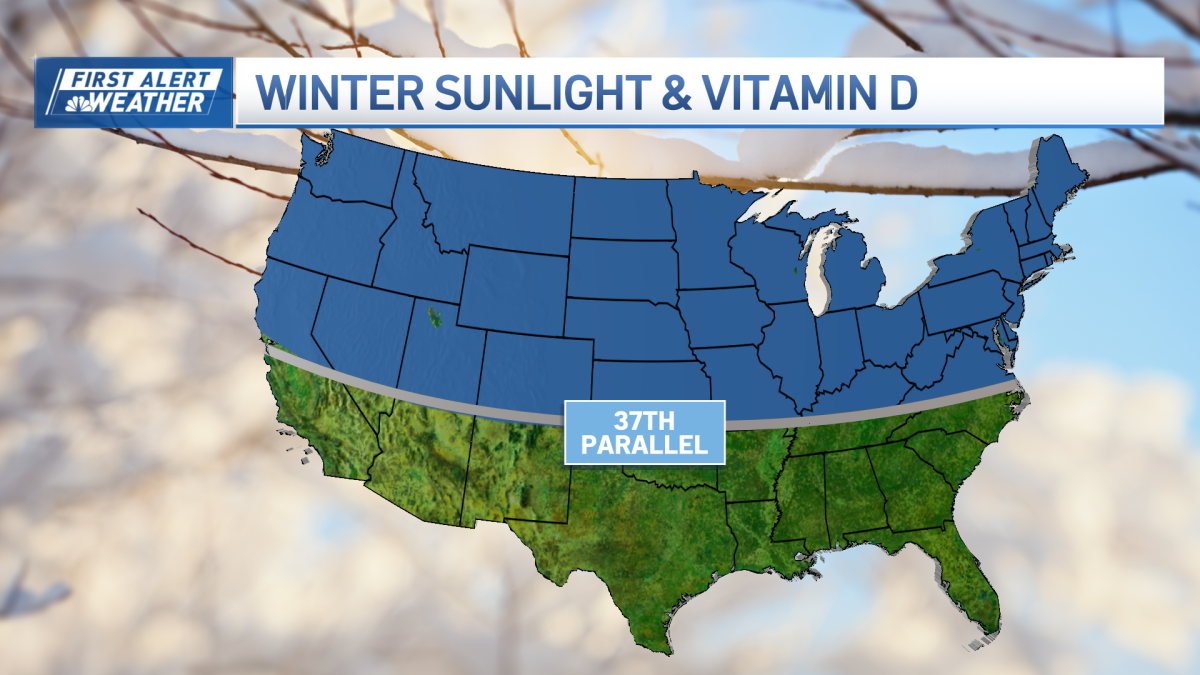
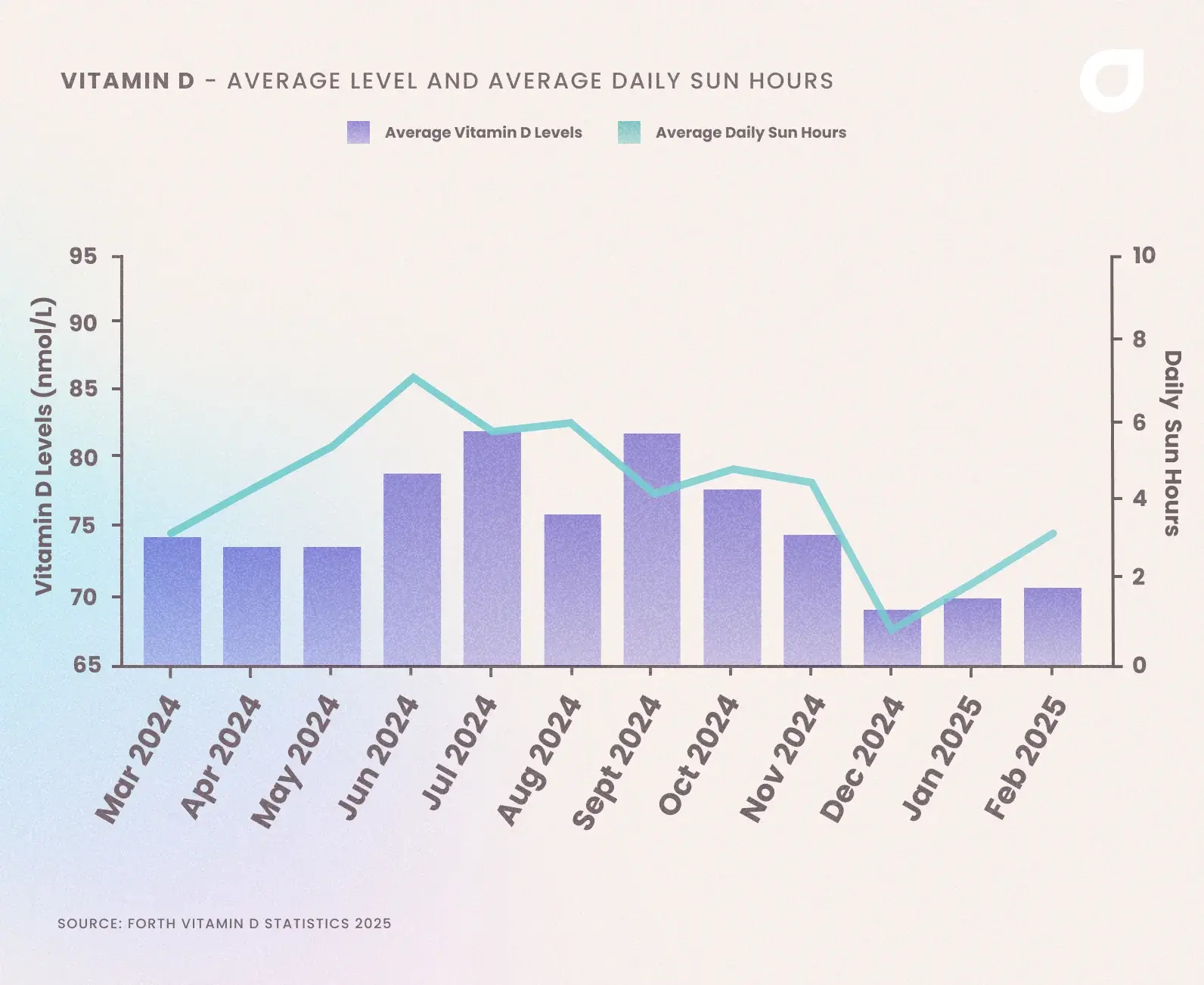
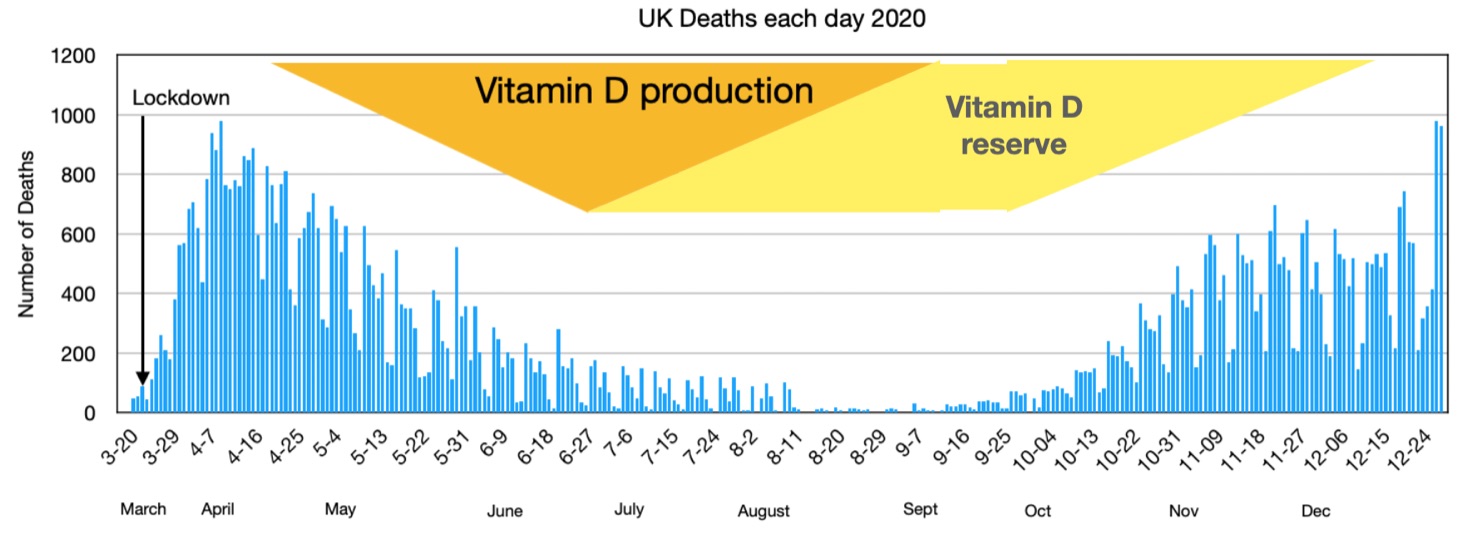
Practical guides often follow a recognizable arc: assessment of risk (age, skin tone, indoor time, geographic latitude), exploration of safe supplementation concepts, and a “what to do now” section. Longform narratives may include interviews with clinicians or workplace leaders, showing how prevention programs alter sick-day rates. Visual content frequently supports these themes with seasonal timelines, sun exposure diagrams, and charts that illustrate how winter daylight correlates with nutritional status.
Below is a quick preview of the kinds of visuals that commonly accompany this topic.
Conclusion: Treating the Season as an Economic Variable
Winter vitamin D deficiency is often framed as a personal wellness topic. But in practice it behaves like an economic variable—one that shapes absenteeism, productivity, healthcare utilization, and household stability. When more people are affected, the economic weight becomes collective: teams run leaner, systems strain, and costs accumulate across months rather than days.
Understanding the “sick days” effect means looking beyond the missing shift. It involves recognizing the subtle performance losses, the healthcare ripple, and the caregiver burdens that rarely appear on corporate balance sheets. The most resilient organizations and households treat winter not as an inevitable blur, but as a predictable season that can be planned for—through prevention, education, and supportive workplace norms.