Imagine your bones as a quiet architecture—spires and beams built day after day. Then imagine a slow, invisible erosion that doesn’t announce itself with drama, but with time. Osteoporosis often arrives like a fog: gradual, persistent, and suddenly unmistakable. In 2025, the most practical defense remains both elegant and elemental—Vitamin D and Calcium. Together, they act like a skilled construction crew: one helps the body absorb calcium, the other provides the raw material for structural strength. Yet the story is not only about nutrients. It’s about strategy, timing, and making your intake feel less like a checklist and more like a deliberate ritual.
Why Osteoporosis Needs a Two-Part Defense
Calcium is the cornerstone mineral. It’s the rigidity that keeps your skeleton from becoming brittle and easily fractured. Vitamin D is the facilitator—without it, calcium absorption can falter, as if the “delivery trucks” can’t find the loading dock. Think of Vitamin D as the lighthouse signal and calcium as the cargo. When the signal is strong, the cargo reaches its destination with far better efficiency.
Osteoporosis prevention, then, isn’t a single lever. It’s a coordinated system. Adequate calcium supports bone mineralization. Adequate vitamin D supports calcium absorption and regulates calcium and phosphate balance. When either element is missing, the harmony becomes discordant—and the body compensates by drawing from bone stores over time.
Vitamin D: The Sunlit Key to Calcium Absorption
Vitamin D behaves less like a vitamin you merely “take” and more like a hormone-like messenger that informs the body how to handle minerals. Your skin can synthesize vitamin D under sunlight. In 2025, however, many adults experience reduced sun exposure—seasonal schedules, indoor work, sunscreen habits, and lifestyle patterns. So dietary intake and supplementation often become important for maintaining sufficient levels.
Vitamin D supports intestinal calcium absorption and helps ensure that calcium is used where it counts. It also contributes to muscle function—important, because stronger muscles can reduce fall risk, and falls are the doorway through which osteoporosis-related fractures frequently enter.
Metaphorically: if bones are a vault, vitamin D is the maintenance technician ensuring the vault’s locks work correctly—preventing calcium from slipping through the cracks.
Calcium: The Building Block That Strengthens the Framework
Calcium is not only about reaching a number on a label; it’s about distributing mineral availability across time. The skeleton is always remodeling. Your body continuously balances bone formation and bone resorption. Adequate calcium supplies the raw material for the rebuilding process.
Not all calcium sources behave identically in practice. Many people find it easier to reach daily targets with food—milk, yogurt, cheese, fortified plant milks, and certain leafy greens. Yet total intake can still come up short. If food alone isn’t enough, supplements can fill gaps. The key is consistency rather than spikes.
In narrative terms: calcium is the mortar. It doesn’t make headlines instantly, but it binds structural elements into resilience.
Targets for 2025: How Much Is Enough?
Daily needs vary by age, sex, pregnancy status, and medical conditions. Many guidelines suggest adults generally aim for approximately 1,000–1,200 mg of calcium/day, with older adults often leaning toward the higher end. For vitamin D, many adults target around 600–800 IU/day, though individuals with limited sun exposure, darker skin, malabsorption disorders, or older age frequently require higher amounts—ideally guided by blood tests.
Because bodies are not uniform, the most intelligent approach is personalization. A clinician can measure 25-hydroxyvitamin D, a blood marker that reflects vitamin D status. Then calcium intake can be estimated relative to dietary habits, supplement use, and overall risk profile.
Food First, Supplements Second: A Practical Strategy
Think of food as the “whole orchestra” and supplements as the “soloist.” Food provides calcium along with other nutrients—protein, magnesium, vitamin K, and bioactive compounds depending on the source. These co-factors can influence bone health indirectly.
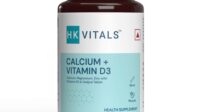
Still, supplements can be valuable when dietary intake is insufficient. Calcium supplements come in forms like calcium carbonate and calcium citrate. Calcium carbonate is often best taken with meals for absorption efficiency. Calcium citrate can be helpful for people with lower stomach acid or those who don’t tolerate carbonate well. Doses are also a consideration: smaller divided doses are frequently absorbed more effectively than a single large serving.
Timing Matters: Absorption Is a Choreography
Your gut is not a vending machine; it’s a dynamic system. Calcium absorption can be affected by stomach acid, fiber load, certain medications, and the presence of other nutrients. Vitamin D helps create a “permission slip” for calcium to enter circulation efficiently.
For calcium, many experts advise splitting doses if you need more than about 500 mg at once. For vitamin D, taking it with meals that contain fat can improve uptake, especially because vitamin D is fat-soluble.
Long story, short punch: timing can turn a modest dose into a more usable one.
Bioavailability, Synergy, and the Role of Magnesium and Vitamin K
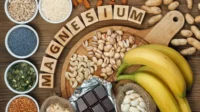
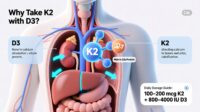
Calcium and vitamin D are central, but they don’t operate in isolation. Magnesium assists in numerous enzymatic processes, and it’s involved in vitamin D metabolism. Vitamin K participates in proteins that help direct calcium into bone rather than leaving it to wander elsewhere. The result is synergy—an interplay that makes bone health feel like a coordinated workshop.
If your diet is inconsistent, you might still meet calcium targets but miss the supporting cast. A well-structured food pattern—plus sensible supplementation when needed—can improve the overall “bone blueprint.”
Risk Factors That Make Prevention Urgent
Osteoporosis prevention is most effective when started early—before fractures write the script. Risk rises with age, menopause, low body weight, smoking, heavy alcohol use, sedentary patterns, and certain medications such as long-term corticosteroids. A family history can also increase vulnerability.
People with malabsorption conditions, chronic kidney disease, or gastrointestinal disorders should treat vitamin D and calcium planning as a medical partnership. In these cases, standard dosing may be insufficient or require careful adjustment.
Exercise: The Muscle-Bone Conversation
Nutrients provide the materials, but mechanical loading teaches the bones how to use them. Weight-bearing activities (like brisk walking) and resistance training stimulate bone remodeling. Balance work reduces fall risk. Even posture-focused routines can matter because fractures often begin with imbalance.
Imagine bones as responsive scaffolding. Without stress signals—safe, progressive loading—your skeleton may not prioritize rebuilding as strongly.
Testing, Monitoring, and When to Seek Guidance
In 2025, smarter prevention includes measurement. Vitamin D blood testing helps identify deficiency or insufficiency. Calcium status is more complex to assess because blood calcium is tightly regulated; therefore clinicians often rely on dietary assessment, risk factors, and sometimes additional labs depending on symptoms and history.
If osteoporosis or low bone density is already diagnosed, the plan may extend beyond vitamin D and calcium to include other therapies. Still, even in treatment pathways, these nutrients remain foundational for supporting bone health.
Safety Notes: Avoid Overcorrection
More is not always better. Excess calcium can increase risk of certain complications in susceptible individuals, and it may interfere with absorption of other minerals. Vitamin D toxicity is uncommon but possible with excessive supplementation. That’s why personalization and dose awareness are essential.
For most adults, cautious dosing and periodic review with a healthcare professional provides a stable, responsible approach.
A Unique Appeal: Building Resilience With Intention
There’s something quietly compelling about osteoporosis prevention. It’s not only about resisting fragility—it’s about constructing confidence. Vitamin D and calcium can be woven into everyday life: sunlight walks, fortified breakfasts, calcium-rich snacks, and a thoughtfully timed supplement when needed.
Over time, these small choices accumulate like layers in a stratified cliff. A careful intake pattern becomes a protective tradition. The metaphor holds: you’re not simply consuming nutrients; you’re reinforcing the architecture inside you—beam by beam, light-assisted and mineral-secure.