Vitamin D is one of those quietly pivotal nutrients: essential for calcium absorption, bone remodeling, and immune signaling. Yet the same sunshine-derived ally can become an intruder when taken in excess—creating a paradox that feels almost unfair. Many people assume that “more” simply means “better.” Doctors, however, treat vitamin D the way they treat any potent biochemical lever: with measurements, context, and a careful reading of symptoms. That’s where diagnosis begins—often not with a dramatic presentation, but with a pattern of lab results that seems to whisper, and symptoms that gradually confirm the story.
Why Vitamin D Toxicity Is Often Misread at First
A common observation is that patients “did everything right.” They started supplementation for fatigue, low labs from a previous checkup, winter gloom, or a clinician’s recommendation. Then, weeks or months later, they experience nausea, constipation, excessive thirst, or frequent urination. These can look like dehydration, gastrointestinal illness, or even a generic electrolyte imbalance.
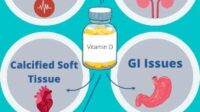
The deeper fascination here is how vitamin D toxicity hides behind ordinary complaints. Its toxicity mechanism is less about vitamin D itself being overtly destructive and more about its downstream effect: increased calcium absorption. When calcium rises too high, the body’s chemistry shifts. Nerve conduction changes. Kidney handling of fluids becomes strained. The gastrointestinal tract becomes temperamental. The result is a symptom constellation that resembles several common conditions, which is why doctors don’t rely on symptoms alone.
The Role of Blood Tests: The Diagnostic Backbone
Blood tests are the primary instrument in confirming vitamin D toxicity. Physicians typically begin by evaluating calcium metabolism and the vitamin D axis. This often includes:
- Serum 25-hydroxyvitamin D (25(OH)D): The main storage form; used to estimate overall vitamin D status.
- Serum calcium: The key biochemical marker for the toxic effect.
- Serum phosphorus: Often low in vitamin D–driven hypercalcemia.
- PTH (parathyroid hormone): Commonly suppressed when vitamin D excess is the cause.
- Kidney function tests: Creatinine and other measures to assess impact on renal handling.
Doctors interpret these values together, not in isolation. A single high number may reflect timing, dosing, or lab variation. But the combination—elevated 25(OH)D alongside high calcium with suppressed PTH—creates a more coherent diagnosis.

What “Toxicity” Looks Like on Labs: Patterns Doctors Trust
While exact thresholds vary by lab and clinical guideline, physicians generally look for a recognizable pattern. Toxicity is typically associated with elevated 25(OH)D, but the true clinical urgency often hinges on hypercalcemia severity.
A classic laboratory signature may include:
- High calcium levels, sometimes accompanied by symptoms like confusion, weakness, or dehydration.
- Low PTH, suggesting the body is not responding through parathyroid-driven calcium regulation.
- Phosphorus levels that are normal-to-low (often low in hypercalcemia driven by excess vitamin D).
- Potential kidney strain, indicated by rising creatinine or reduced kidney function.
Doctors also pay attention to the “speed” of change. A sudden rise after a new supplement regimen can be a stronger clue than a slow, ambiguous drift over time.
Symptoms That Prompt Testing: From Subtle to Concerning
The symptom repertoire of vitamin D toxicity is not theatrical, but it is consistent. Elevated calcium can affect nearly every system.
Common symptoms include:
- Gastrointestinal disturbances: nausea, vomiting, constipation, reduced appetite.
- Renal and urinary signs: frequent urination (polyuria) and excessive thirst (polydipsia).
- Fatigue and weakness: sometimes dismissed as “just being tired.”
- Neurological effects: irritability, confusion, or in severe cases, lethargy.
- Cardiovascular and musculoskeletal hints: muscle aches or, rarely, rhythm-related concerns in severe hypercalcemia.
These symptoms often intensify as calcium climbs. Yet doctors remember that symptoms are not a thermometer for severity; labs are. A patient may feel “mostly okay” while biochemical levels are already dangerously high.
How Doctors Distinguish Vitamin D Toxicity From Similar Conditions
Diagnosis becomes a process of exclusion, and sometimes of differentiation. Hypercalcemia can arise from multiple mechanisms, and vitamin D toxicity must be separated from look-alikes.
Physicians may evaluate possibilities such as:
- Primary hyperparathyroidism, where PTH is typically elevated or inappropriately normal.
- Malignancy-related hypercalcemia, which often requires additional imaging and tumor evaluation.
- Granulomatous diseases (e.g., certain inflammatory conditions), where increased vitamin D activation may occur in the body itself.
- Medication effects, including thiazide diuretics or excessive calcium supplementation.
- Endocrine disorders that can alter calcium homeostasis.
Even when vitamin D excess is likely, clinicians still check the larger landscape. A careful differential diagnosis is not paranoia; it is precision. The body can produce similar biochemical results through different pathways.
Why the History Matters: Dosing, Formulas, and Time
Blood tests provide the “where,” but history provides the “how.” Doctors ask about supplement brands, doses, frequency, and duration. They also inquire about vitamin D forms (cholecalciferol vs. ergocalciferol), because patient routines and product labeling can be imperfect.
Several deeper factors make clinicians curious:
- Unsupervised escalation: People may increase doses after reading online advice or after feeling better temporarily.
- Hidden duplicates: Multivitamins, fortified foods, and separate vitamin D supplements can stack without the patient realizing.
- Absorption variations: Certain gastrointestinal conditions can alter how supplements are processed.
- Delayed effects: Because vitamin D is fat-soluble, toxicity may build gradually, and symptoms may lag behind the highest dosing period.
Doctors also ask whether the patient uses calcium supplements. When vitamin D is high, calcium intake can magnify the hypercalcemia. The interaction is often the spark that turns caution into crisis.
Additional Tests: When Doctors Go Beyond the Basics
Once vitamin D toxicity is suspected, physicians frequently broaden the evaluation to gauge impact and rule out alternate causes. Depending on the case, they might order:
- Urinalysis and urinary calcium: to assess renal handling and risk of kidney stones.
- Imaging studies: such as kidney ultrasound if stones or nephrocalcinosis are suspected.
- Electrolytes and acid–base balance: especially if vomiting or dehydration is present.
- Repeat labs: to monitor trend, not just a single snapshot.
Longitudinal monitoring matters. Calcium can fluctuate while the body recalibrates. Physicians often treat the trajectory like a narrative arc—watching how symptoms and numbers change together.
Interpreting Results Without Alarmism
A thoughtful diagnostic approach avoids two extremes: ignoring abnormal results and catastrophizing mild elevations. Some patients have moderately high 25(OH)D due to supplementation but do not develop hypercalcemia. In those cases, clinicians focus on dose adjustment, hydration strategies, and monitoring.
Conversely, when symptoms align with hypercalcemia and the lab pattern fits, doctors treat it as a medical priority. The fascination lies in the precision of the puzzle: the human body is both forgiving and vulnerable, depending on the balance of inputs.
What Happens After Diagnosis: The Clinical Plan
Diagnosis is not the endpoint. Once vitamin D toxicity is identified, clinicians typically stop or reduce vitamin D and often pause calcium supplements. They may recommend controlled hydration and, when necessary, targeted medical therapy to manage hypercalcemia.
Follow-up typically involves repeat blood tests to confirm that calcium and related markers are trending toward normal. For patients who developed kidney strain or stones, the plan extends to renal monitoring and preventive counseling.
The Takeaway: How Doctors Turn Confusion Into Clarity
Doctors diagnose vitamin D toxicity by connecting symptoms to a biochemical signature. They rely on blood tests—especially 25(OH)D, serum calcium, PTH, phosphorus, and kidney function—while using history to interpret dosing context. Symptoms provide the first clues, but laboratory patterns provide the truth.
And perhaps that is the most enduring lesson: vitamin D may be “helpful,” but it is not automatically “harmless.” Accurate diagnosis transforms an unsettling, nonspecific illness into a solvable problem—one measurement, one history detail, and one careful clinical interpretation at a time.