Fat is often described as a single category, as if all dietary fats behave in the same way inside the body. But nutrition rarely works like that. The type of fat—saturated or unsaturated—can influence biomarkers, appetite regulation, lipid profiles, inflammation patterns, and long-term cardiovascular risk. So, does the type of fat matter for “D” (think: overall health outcomes, especially heart health)? The short answer is yes. The longer answer is where the story becomes interesting: the chemistry of fat affects how your body digests, stores, and uses it.
1) The “D” Question: What’s Really Being Asked?
When people ask whether saturated versus unsaturated fat matters for “D,” they’re usually circling a larger concern: does dietary fat composition change disease risk? In everyday terms, it’s the difference between consuming fats that tend to be more structurally rigid versus those that are typically more fluid and reactive within biological systems.
Different fats can alter how low-density lipoprotein (LDL) particles behave, how triglycerides respond, and how inflammatory signals develop over time. Even when total calories are similar, the quality of the fat can nudge the body toward different metabolic “trajectories.”
2) Saturated Fats: The Rigid Players
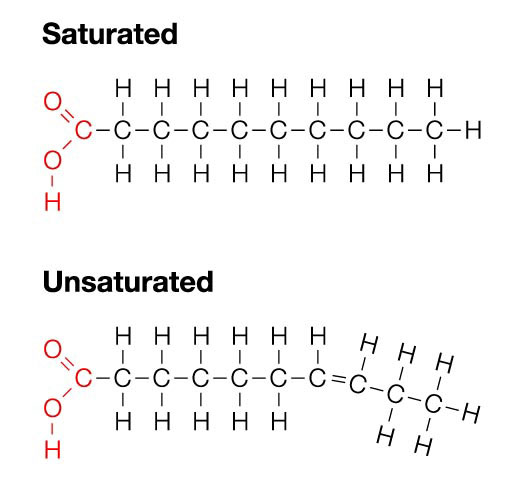
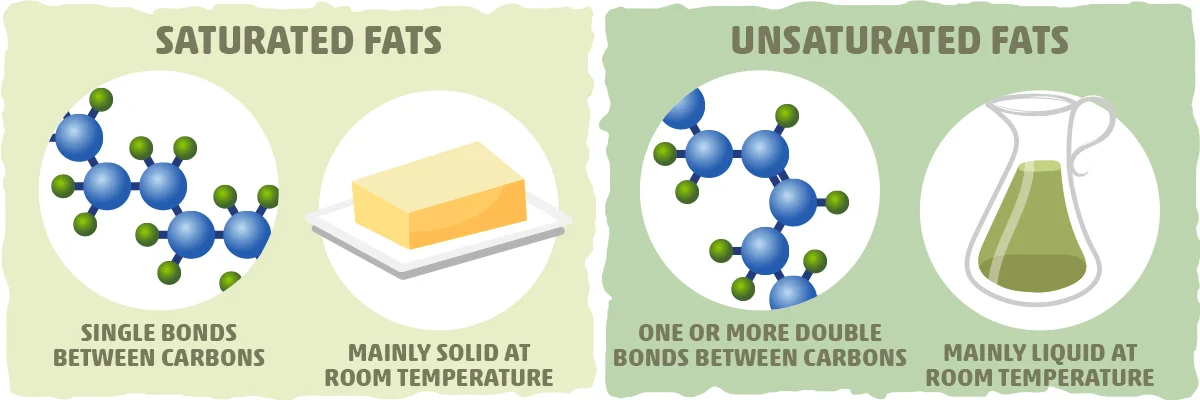
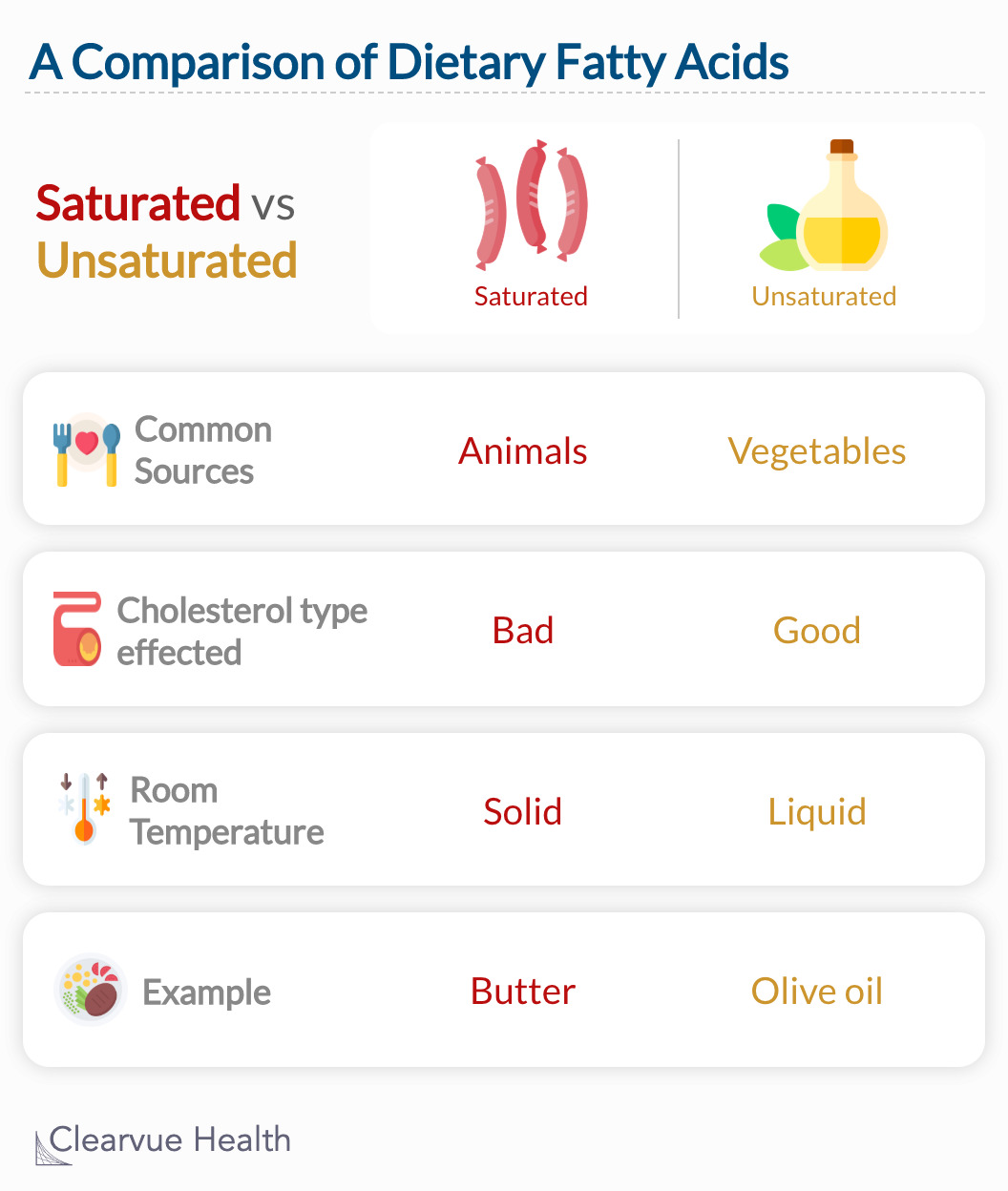
Saturated fats are chemically “packed” in a way that makes many of them more solid at room temperature. This rigidity matters beyond texture. In the digestive tract and beyond, saturated fats are frequently associated with less favorable shifts in lipid profiles—particularly increases in LDL cholesterol in many people.
Some readers notice this effect more sharply when diets are dominated by saturated fat sources like certain fatty cuts of meat, butter, cream, and coconut oil. The nuance: individual response varies due to genetics, overall dietary pattern, fiber intake, and activity levels.
Still, the overall pattern observed in nutrition research is consistent enough to guide dietary recommendations: replacing saturated fats with unsaturated fats tends to improve cardiovascular-related markers for many individuals.
3) Unsaturated Fats: The Flexible Modulators
Unsaturated fats include monounsaturated fats and polyunsaturated fats. They generally contain one or more “kinks” in their molecular structure, making them less rigid and often more beneficial for metabolic health when used in place of saturated fat.
Monounsaturated fats—commonly found in olive oil, avocados, and many nuts—are associated with improved lipid patterns and may support healthier blood vessel function. Polyunsaturated fats include omega-3 and omega-6 fatty acids. Omega-3 fats (found in fatty fish, certain algae-derived supplements, and flax/chia) are especially noted for their roles in inflammation modulation and membrane health.
Importantly, unsaturated fats don’t merely “reduce” risk in isolation; they often work by improving what replaces saturated fat. In other words, quality of substitution is the missing ingredient.
4) Substitution Matters More Than Math
One of the most common misconceptions is that reducing saturated fat automatically guarantees benefit, regardless of what takes its place. Dietary outcomes depend heavily on the replacement option.
If saturated fats are swapped for refined carbohydrates and sugary foods, the net effect may be disappointing or even counterproductive. However, if saturated fats are replaced with unsaturated fats—especially those accompanied by fiber-rich foods like vegetables, legumes, and whole grains—the metabolic picture can look markedly different.
Think of it as replacing a rigid building material with a flexible one, and redesigning the whole structure. Your body responds to the overall context, not isolated nutrients.
5) How Fat Type Can Influence Inflammation and Cellular Signaling
Inflammation isn’t automatically bad; it’s a necessary response. But chronic, low-grade inflammation is a common thread in many diseases. Fat type can influence inflammatory signaling by altering cell membrane composition and the production of signaling molecules derived from fatty acids.
Omega-3 polyunsaturated fats are often discussed for their ability to generate less inflammatory mediators compared with certain omega-6 pathways. Meanwhile, diets higher in saturated fats may correlate with more pro-inflammatory signaling in some contexts.
The result is not a simple “good fat vs bad fat” scoreboard. Instead, fat composition can act like a conductor, shaping how biochemical orchestras play over months and years.
6) LDL, Triglycerides, and the Lipoprotein Landscape
Many readers want concrete biomarkers. Saturated fat tends to raise LDL cholesterol in many individuals, particularly the LDL fraction that contributes to atherogenic risk. Unsaturated fats tend to support healthier lipid patterns, especially when they replace saturated fat.
But lipid health isn’t just about LDL numbers. Particle size, insulin sensitivity, triglyceride levels, and HDL behavior matter too. Your metabolic environment—sleep quality, stress burden, physical activity, and carbohydrate quality—can amplify or mute dietary fat effects.
So, the real-world lesson is to focus on patterns: a diet that favors unsaturated fats tends to create a metabolic climate more consistent with long-term cardiovascular protection.
7) The Carbohydrate Companion: Pairings That Change Everything
Fat doesn’t travel alone. It sits beside carbohydrates, protein, salt, fiber, and processing level. For example, a meal that includes unsaturated fats plus fiber (like a salad with olive oil and beans) behaves differently from a processed snack high in both saturated fat and refined carbs.
Fiber slows absorption, feeds beneficial gut microbes, and can improve glycemic responses. Microbial metabolites can influence inflammation and metabolic signaling. When unsaturated fats are paired with fiber-rich foods, you often see more favorable outcomes than when unsaturated fats are consumed in isolation.
This is why dietary advice frequently emphasizes whole-food patterns: the fats are only one chapter of the book.
8) Practical Content Readers Can Expect: What to Do at the Grocery Store
For readers trying to act, the most useful content is actionable and specific. Expect guidance that sorts foods into categories and helps you understand “common swaps”:
- Swap butter and cream for olive oil or yogurt-based alternatives (where appropriate).
- Choose nuts, seeds, and avocado as snack anchors.
- Prioritize fatty fish a few times per week, or omega-3 sources if fish isn’t an option.
- Read labels not just for “fat,” but for the type of fat and overall food processing.
Even small changes—like using olive oil for cooking instead of saturated-fat-heavy fats—can shift the balance over time, especially if the rest of the diet remains nutrient-dense.
9) Common Reader Concerns: “Will I Be Missing Out?”
Many people fear that choosing unsaturated fats means eliminating satisfying flavors or feeling deprived. This is where good nutrition content becomes narrative, not restrictive. It can show how to keep meals enjoyable while adjusting fat composition.
Try thinking in textures and techniques. Unsaturated fats can bring creaminess (avocado), depth (olive oil), crunch (nuts), and richness without relying on highly saturated sources. In other words, you can redesign the palate rather than simply “subtract.”
For those with medical conditions or lipid disorders, individualized guidance matters. A clinician or registered dietitian can help tailor fat recommendations to lab results and medications.
10) Bottom Line: Does the Type of Fat Matter for “D”?
Yes—the type of fat matters. Saturated fats are more likely to worsen cardiovascular-related lipid measures in many people, while unsaturated fats tend to support healthier lipid patterns and may influence inflammation and cellular signaling in favorable directions.
The most powerful lever is not merely reducing saturated fat, but replacing it with unsaturated fats within a broader dietary pattern that includes fiber-rich foods and minimizes highly processed replacements.
In the long run, fat type is less about a single meal and more about the accumulated effect of everyday choices—the quiet arithmetic of biology, where chemistry turns into health outcomes.