Male pattern baldness—often labeled androgenetic alopecia—can feel like a slow unraveling. One day the hairline looks a little more exposed; months later, the crown seems to have its own climate. In that uncertainty, a simple question surfaces repeatedly: does vitamin D actually help? The answer is not a one-word verdict. It’s closer to a nuanced thesis about biology, evidence quality, and the practical ways vitamin D might fit into a broader, evidence-based hair-care strategy.
What Androgenetic Alopecia Really Is (and Why It Matters for Vitamin D)
Androgenetic alopecia is not merely “hair thinning.” It is a patterned miniaturization process, where follicles gradually produce finer, shorter, less pigmented hairs. This cascade is influenced by genetics, androgen signaling, and local inflammatory pathways. When follicles miniaturize, the scalp’s microenvironment changes—immune activity shifts, oxidative stress rises, and growth-cycle dynamics become less favorable.
Vitamin D enters this conversation because it acts like a molecular moderator. It is converted in the body into its active form, which can influence cell differentiation, immune regulation, and potentially hair follicle cycling. That said, “influence” is not the same as “cure.” Still, understanding the disorder’s mechanism helps explain why researchers often look at nutrient pathways, including vitamin D, when follicles appear to falter.
Vitamin D’s Biological Role: More Than Bone Health
Vitamin D is sometimes treated as a single-purpose nutrient, but its signaling reach is wide. The active metabolite binds to vitamin D receptors present in many tissues, including components of the immune system. In the scalp, this matters because inflammation and immune imbalance can affect follicle resilience.
Additionally, vitamin D is involved in hair follicle biology. It may regulate keratinocyte behavior and modulate growth factors tied to follicle health. Some hypotheses also connect vitamin D to oxidative stress control and to the regulation of pathways that interact with androgen signaling. The result: a plausible mechanistic bridge between low vitamin D status and compromised hair density.
What the Evidence Suggests (and What It Doesn’t)
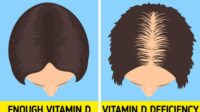
The scientific landscape is intriguing but not definitive. Studies exploring vitamin D levels in individuals with androgenetic alopecia often report associations between lower vitamin D and greater hair loss severity. That doesn’t automatically mean vitamin D deficiency causes baldness. Associations can be directional (deficiency contributes to loss) or reverse (balding correlates with lifestyle factors linked to deficiency).
When randomized trials or interventional studies are examined, results are less uniform. Some findings hint that correcting deficiency may improve hair parameters or slow progression in certain subsets. Other studies fail to show clear benefit. The takeaway is not discouragement—it’s precision. If vitamin D helps, it likely does so most reliably in people who are deficient, and as part of a multifactor plan rather than as a standalone intervention.
Is Vitamin D More Helpful When You’re Deficient?
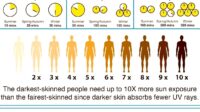
This is one of the most practical questions. Many adults—especially those with limited sun exposure, darker skin tones, or certain dietary patterns—may live with marginal vitamin D status. If deficiency is present, supplementation might restore a baseline signaling environment that follicles require to function optimally.
Think of it as restoring “biochemical weather.” If the scalp’s local conditions are already compromised, fixing vitamin D could provide a meaningful nudge. If levels are already adequate, supplementation may behave like overcorrecting a nonproblem—potentially producing little to no observable hair benefit.
In practical terms, testing is valuable. A clinician can assess serum 25-hydroxyvitamin D and recommend dosing based on the result. This approach also helps avoid unnecessary supplementation.
How Supplementation Could Be Implemented Safely
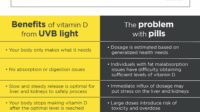
Vitamin D is fat-soluble, which means the body stores it. Safety matters. High-dose supplementation without monitoring can increase the risk of hypercalcemia and related complications. A conservative strategy typically involves confirming deficiency and then using clinician-guided dosing.
Some readers prefer a “diet-first” approach—fortified foods, fatty fish, and sensible sun exposure—while others want structured supplementation. Either path should align with lab results and risk factors, such as kidney disease or disorders that affect calcium metabolism.
Time horizon is another consideration. Hair growth is slow. Even if vitamin D contributes to follicle recovery, results would likely take months rather than weeks. Short-term optimism can backfire; long-term evaluation is more realistic.
Vitamin D Alone vs. a Hair-Loss Regimen
Androgenetic alopecia is stubborn precisely because it’s multifactorial. Vitamin D might help with immune balance or cellular regulation, but it does not directly substitute for the core therapies used for patterned hair loss. The most established interventions—such as topical minoxidil and certain prescription medications that target androgen pathways—operate through well-characterized mechanisms.
So where does vitamin D fit? It can be part of a “supporting cast.” Think of it as improving the stage lighting so follicle-directed therapies can perform better. Even if vitamin D’s direct effect is modest, strengthening foundational health factors may improve overall follicle responsiveness, especially in deficient individuals.
Different Content Readers May Want: Testing, Dosing, and Expectations
Content about vitamin D and male pattern baldness often falls into several reader-friendly formats. One type is the “laboratory pathway” piece: it walks through what to test (25-hydroxyvitamin D), how deficiency is defined, and how clinicians typically adjust dosing. Readers who like measurable steps tend to find this approach calming.
Another common format is the “myth vs. reality” article. These focus on what vitamin D can and cannot do. They typically emphasize that supplementation is not an instant reversal of miniaturization and that outcomes may vary by baseline status.
Then there’s the “practical regimen builder,” which integrates vitamin D with hair-care habits—nutrition, scalp care, sleep quality, stress reduction, and complementary treatments. Longer pieces often include timelines, explaining when shedding might occur, how to interpret early changes, and what “meaningful regrowth” could look like.
For readers who want clinical depth, some content examines immune signaling, receptor activity, and why the scalp’s inflammatory state matters. These narratives are often more technical but can be surprisingly empowering for those who prefer mechanism over marketing.
Potential Downsides, Interactions, and Who Should Be Cautious
Vitamin D is not universally benign. Excess intake can lead to hypercalcemia, nausea, constipation, confusion, and kidney complications. People with conditions affecting calcium or kidney function should be especially careful and should not self-dose aggressively.
Drug interactions can also matter. Certain medications influence vitamin D metabolism or calcium handling. Even without obvious interactions, the principle remains: supplementation should be individualized, not improvised.
In the context of hair loss, the risk is usually not toxicity—it’s false confidence. If someone pours resources into vitamin D while delaying proven therapy, they may lose valuable time. Vitamin D may support treatment, but it should not replace it.
Complementary Lifestyle Factors That May Enhance Vitamin D’s Indirect Effect
Vitamin D status is influenced by lifestyle, which means hair outcomes can be indirectly affected by the same behaviors. Regular outdoor activity can support vitamin D synthesis. Nutrition patterns rich in micronutrients and adequate protein may help follicles sustain growth cycles. Meanwhile, chronic stress and poor sleep can worsen inflammatory signaling, potentially compounding androgenetic alopecia.
Scalp care also matters. Gentle cleansing, avoiding harsh traction, and minimizing damaging styling reduce mechanical stress on fragile, miniaturized follicles. Together, these factors create an environment where biochemical supports—like vitamin D—may have a better chance to contribute.
Visual Reality: What Regrowth Could Look Like
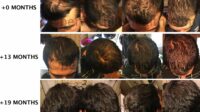
Hair changes are often subtle at first. Many readers monitor progress through consistent photos, the same lighting, and the same angles. Over time, improvement might appear as reduced crown thinning, a more stable hairline, or less noticeable part-width widening.
Photos can be motivating, but they should be interpreted over months, not days. Hair follicles operate on a slow tempo; a realistic timeline helps reduce emotional whiplash.


The Bottom Line: A Supportive Ingredient, Not a Standalone Solution
Vitamin D may help androgenetic alopecia—most plausibly by supporting immune regulation and follicle biology, and most clearly for people with deficiency. But it is not a guaranteed regrowth lever. The strongest approach treats vitamin D as one piece of a larger puzzle: verify status, supplement safely if needed, and pair it with therapies that directly address the mechanisms of male pattern baldness.
If there’s a single practical message, it’s this: test thoughtfully, supplement responsibly, and evaluate results on a realistic timeline. Hair restoration is rarely dramatic overnight. It is often a careful, sustained strategy—one that includes the biochemical basics.