Rapid weight loss can feel like opening a suitcase mid-trip and shaking out everything you no longer want—only to discover that not everything falls where you expect. Vitamin D, often nicknamed the “sunshine vitamin,” doesn’t behave like disposable clutter. It’s more like a slow-burning reserve tucked behind the scenes, and when weight drops quickly, the body may raid those reserves before anyone notices.
Vitamin D Stores: The Body’s Quiet Warehouse
Think of vitamin D as inventory stored in fatty tissues and released gradually. When your body is in a steady state, that warehouse can meter out vitamin D with a kind of bureaucratic calm. But rapid weight loss introduces a dramatic shift—like flipping the warehouse lights on suddenly and asking staff to ship pallets at double speed.
Vitamin D is fat-soluble, meaning it prefers to remain in or travel through the body’s lipid compartments. When those compartments shrink rapidly, vitamin D can be mobilized along with other fat-derived molecules. For some people, this creates a timing mismatch: vitamin D is released, but it may not be immediately converted and utilized effectively, potentially contributing to lower circulating levels over time.
Does Rapid Weight Loss Deplete Vitamin D? Yes—But Not Always in the Way You’d Think
The straightforward answer is yes: rapid weight loss can deplete vitamin D stores or lower blood levels. The intriguing part is that it doesn’t always happen through a single mechanism. It may involve a combination of increased mobilization, altered metabolism, dietary insufficiency, reduced sun exposure, and—sometimes—changes in absorption.
Some individuals may experience a noticeable decline in serum 25-hydroxyvitamin D, the common clinical marker of vitamin D status. Others may see smaller shifts, especially if their diet, supplementation, and sunlight exposure remain consistent. Still, the trend is important: fast, aggressive weight loss can destabilize what was previously a stable vitamin D “economy.”
Why the Speed Matters: The “Freight Train” Effect of Fat Loss
Weight loss isn’t inherently harmful. The risk is the pace. When fat loss is gradual, the body has time to adapt—updating hormone signals, maintaining enzymatic conversion pathways, and adjusting how vitamin D circulates. Rapid weight loss can feel like a freight train arriving before the schedules have been rewritten.
As adipose tissue decreases quickly, vitamin D stored in fat can be released into circulation. Yet the body still requires adequate sun-derived synthesis or dietary intake to replenish what’s being used and redistributed. Without that replenishment, the result can be an overall dip—especially if weight loss comes with caloric restriction.
Calorie Restriction and Vitamin D Intake: The Hidden Dietary Gap
Many rapid weight loss approaches reduce calories sharply. When calories fall, nutrient density often falls too, unless meals are carefully planned. Vitamin D can be surprisingly easy to under-consume because major food sources are limited—fatty fish, fortified dairy, fortified alternatives, and supplements.
Even if you’re eating “healthy,” the total vitamin D intake can be inadequate when portions shrink. The body becomes like a household suddenly cutting groceries: it might keep spending for a while using pantry staples, but eventually those staples run lower. Vitamin D works similarly—especially if stores are tapped while intake isn’t catching up.
Sun Exposure Changes: The Shadow Behind the Window
Rapid weight loss often reshapes daily routines. Some people become less social, more indoors, or more engaged in structured activities with limited outdoor time. Others move to climates with less sunlight or travel less. Vitamin D production is tightly linked to ultraviolet B exposure, and seasonality matters.
If sun exposure decreases at the same time weight loss accelerates, the body is not only drawing from a warehouse—it’s also being deprived of fresh deliveries. That combination can amplify risk.
Absorption and Gut Dynamics: When the Doorway Gets Narrower
Vitamin D is fat-soluble, so absorption depends on adequate dietary fat and healthy digestive function. Rapid weight loss interventions—particularly those that alter macronutrient composition—can influence how well vitamin D is absorbed. Diets that are extremely low in fat, or restrictive patterns that reduce bile flow indirectly, may affect absorption efficiency.
Certain medical conditions and medications can also modify absorption or metabolism. The key idea is that weight loss is rarely the only variable. It frequently comes with broader changes: food choices, gut transit, and sometimes even underlying health factors.
Metabolic Shifts: Vitamin D’s Conversion Pathway Can Be Thrown Off
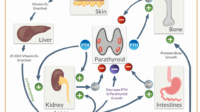
Vitamin D isn’t just about stores; it’s about transformation. Your body converts vitamin D into active forms through a multi-step process—first in the liver, then in the kidneys. Rapid weight loss changes the hormonal and inflammatory landscape. Insulin sensitivity can improve, fat-derived signaling molecules shift, and metabolic markers fluctuate.
These changes can influence how vitamin D status is reflected in blood tests. Sometimes the body releases vitamin D faster than it can convert it effectively; other times, conversion remains fine but utilization and regulation alter serum levels. In both cases, the outcome can still resemble depletion.
Who’s Most Vulnerable: The People Most Likely to See a Dip
Several groups may experience a more pronounced decline. Individuals with higher baseline adiposity may have more vitamin D stored in fat—meaning rapid fat loss could dramatically redistribute and reduce serum availability. People with limited sun exposure, darker skin tones (reduced UVB conversion efficiency), or living far from the equator may also be at higher risk.
Additionally, those using certain medications—especially some anticonvulsants, glucocorticoids, or drugs affecting lipid handling—may have altered vitamin D metabolism. If weight loss is paired with poor intake or limited daylight, the likelihood increases.
Signs You Might Miss: Vitamin D Deficiency Isn’t Always Loud
Low vitamin D often presents like a quiet draft rather than an alarm. Some people feel muscular aches, weakness, or fatigue. Others notice reduced exercise tolerance or bone discomfort. There may be no obvious symptoms at all, particularly in the early stages.
This is why testing matters when weight loss is rapid and substantial. Serum 25-hydroxyvitamin D can provide clarity, and clinicians can pair it with other labs as needed to evaluate overall risk.
Supplementation and Strategy: Replenish Without Guessing
If rapid weight loss is underway, proactive replenishment can make sense. But supplementation isn’t one-size-fits-all. Vitamin D dosing depends on baseline levels, the presence of deficiency, diet, sun exposure, body weight, and sometimes comorbidities.
Importantly, vitamin D absorption can improve when taken with meals containing fat. Consistency is also key; sporadic dosing may be less effective than a well-planned routine. The goal isn’t just to “add vitamin D,” but to restore balance between storage, circulation, and conversion.
Lifestyle Tweaks That Protect Vitamin D Stores
Even small changes can help. A balanced diet with vitamin D–rich foods can reduce reliance on stores. Including fatty fish a few times per week, using fortified products, and choosing sensible supplementation strategies can help maintain levels. Moderate, realistic sun exposure—when safe and appropriate—can support synthesis.
Pairing weight loss with strength training is also wise. It supports musculoskeletal health and encourages healthier metabolic adaptation. The body benefits when loss is paired with preservation of function rather than solely shedding weight.
When to Seek Medical Guidance: The Sensible Line Between Momentum and Risk
If weight loss is dramatic—especially if it involves very low-calorie dieting, rapid progress, or restrictive eating patterns—discuss vitamin D assessment with a healthcare professional. Testing can guide dosing, and it can prevent the common mistake of assuming “I’m losing weight, therefore I’m fine.”
Bone health, fatigue patterns, and any history of deficiency should raise the priority for evaluation. Sometimes the most prudent plan is the one that keeps momentum while protecting the invisible reserves that help you feel strong.
Closing Thought: Don’t Treat Vitamin D Like Loose Change
Rapid weight loss can be beneficial, but vitamin D is not a disposable extra. It’s a reserved currency the body spends with intention. When weight drops quickly, that spending can accelerate—like drawing down savings to cover an unexpectedly high bill.
The path forward is clear: monitor intake, support conversion, consider testing, and protect sunlight exposure where possible. In other words, let your progress move fast—just don’t let your vitamin D reserves disappear quietly in the process.