Some athletes chase marginal gains with obsessive precision—down to the last millisecond, the last rep cadence, the last breath between sets. Yet there’s a quieter variable that often escapes the spotlight: the way recovery is scheduled inside the body. Two letters—D3 and D2—can sound like mere supplements. But they’re more like different chapters in the same story, each with its own pacing, its own “aftertaste,” and its own promise of performance resilience. What if the choice isn’t about which one is “better,” but which one better matches your training season, your physiology, and your next day’s readiness?
Unpacking the Alphabet: What D3 and D2 Actually Mean
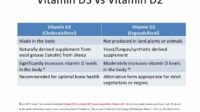
Vitamin D is a hormone-like nutrient, not just a vitamin. In its simplest form, it participates in bone mineralization, muscle function, and immune modulation. But D3 (cholecalciferol) and D2 (ergocalciferol) arrive from different biological pathways. D3 is typically associated with sunlight-driven synthesis and animal-derived sources, while D2 is more commonly linked with plant and fungal sources.
For athletes, the distinction matters because vitamin D isn’t a single event—it’s a sequence. It has to be absorbed, transported, converted, and then used as a signal molecule within tissues. Each form may influence the timeline and the stability of circulating levels. And because training is a recurring stress–adaptation loop, the “timeline” becomes performance currency.
Picture your body as a workshop. Recovery isn’t only rest; it’s repair scheduling, inventory management, and quality control. Vitamin D helps set the tone for several repair systems—especially those tied to musculoskeletal integrity and inflammatory balance.
Performance on the Track and in the Gym: Where Vitamin D Shows Up
Athletes often describe performance dips that feel oddly disproportionate to the work they put in. The session is clean, the warm-up is adequate, the nutrition is consistent—yet recovery lags and strength output softens. Vitamin D intersects with this narrative through multiple pathways.
First, muscle function: vitamin D receptors exist in muscle tissue, and adequate levels are linked with better muscle performance and reduced susceptibility to weakness. Second, neuromuscular coordination: the body’s ability to recruit fibers efficiently may improve when vitamin D status is supported. Third, bone health: stress fractures are rarely “just bad luck.” They’re often a chronic mismatch between load and tissue resilience.
So, when athletes ask whether D3 or D2 improves performance, the more precise question is: which one supports the conditions that allow training to compound rather than to erode?
The Recovery Lens: Why Athletes Care About More Than “Having Enough”
Recovery is not a single checkbox. It’s a layered sequence: glycogen repletion, inflammation modulation, sleep quality, connective tissue remodeling, nervous system recalibration. Vitamin D contributes to several of these—particularly inflammation signaling and musculoskeletal recovery.
When vitamin D status is suboptimal, recovery can feel like it’s taking longer than the calendar allows. Long strides may feel heavier. Rest days don’t restore. The body seems to require extra “buffer time.” This is where the choice between D3 and D2 can become more than a technical detail. It can become a training strategy.
Think of vitamin D status as the scaffolding behind recovery. Without adequate scaffolding, your body can still rebuild—but the work slows, and the structure may be less durable under repeated stress.
Absorption and Distribution: D3 vs D2 in the Body’s Logistics
After ingestion, both D2 and D3 are processed through a sequence that ultimately influences circulating 25-hydroxyvitamin D levels. The body then decides how aggressively to convert and deploy these signals. Athletes aren’t just interested in dose; they’re interested in how long the signal lasts and how consistently it’s available during training blocks.
D3 is often perceived to maintain levels more reliably over time, while D2 can be effective as well, particularly in specific protocols and supplementation contexts. But “effective” isn’t the same as “optimally aligned.” Training seasons have rhythms—base phase, intensity phase, peaking, taper. The right form should ideally match the rhythm of your physiology.
If your season is short and intense, consistency matters. If your season is long, building stable stores matters. The logistics of how vitamin D levels rise and remain can influence how your recovery feels between sessions.
Training Season Scenarios: Choosing Based on Timing, Not Just Theory
Here’s the curiosity piece: athletes don’t live in a lab, they live in seasons. Consider three common scenarios.
Scenario A: Preseason building. You want gradual readiness and steady tissue resilience. A consistent approach that supports stable levels can be valuable.
Scenario B: In-season maintenance. You may not have time for “slow settling.” You want predictable support that doesn’t force recovery to carry the burden of inconsistency.
Scenario C: Post-injury return. After a setback, the body often behaves like a cautious machine—every load triggers extra caution. Vitamin D status can influence bone and muscle support, which matters during reintroduction of training stress.
The D3 vs D2 question becomes a matchmaking exercise: which form best complements your timeline, your lifestyle, and your training demands?
Immune Modulation and “Availability”: The Hidden Performance Factor
Performance isn’t only about output—it’s about availability. Being sidelined by frequent illnesses or prolonged inflammation changes everything: conditioning drops, rhythm is broken, and mental momentum frays. Vitamin D participates in immune modulation, influencing how the immune system calibrates its response.
For athletes, fewer interruptions can mean more complete training weeks, more consistent overload, and ultimately better results. In that sense, the benefit is indirect but powerful. It’s the difference between “I trained well” and “I stayed trainable.”
Safety and Practicality: Dosing, Monitoring, and Common Pitfalls
Either D3 or D2 can be part of a supplementation plan, but athletes should avoid the casual mentality of “more is always better.” Vitamin D is fat-soluble, and excess can be harmful. The wise approach is monitoring—measuring status and adjusting accordingly.
Common pitfalls include supplementing without assessment, relying solely on guesswork, or ignoring factors that affect vitamin D status: skin exposure habits, latitude, seasonality, body composition, and even dietary fat intake, which can influence absorption.
Instead of thinking, “Which one should I buy?” think, “Which one best fits my lab numbers and my training calendar?” That shift in perspective turns supplementation from a gamble into a strategy.
Dietary Context: Food, Sunlight, and the Athlete’s Reality
Sunlight is the original vitamin D factory, but athletes often operate indoors—studios, gyms, tracks, and travel schedules that reduce consistent exposure. Dietary sources help, yet they’re not always abundant or structured around training needs.
D3 can be more naturally aligned with certain dietary patterns, while D2 can fit well with plant-based preferences. The point isn’t to romanticize one lifestyle over another. The point is alignment: choosing the form that integrates smoothly with your nutrition pattern and your supplementation routine.
In practice, consistency beats complexity. The body responds best to steady support, especially during heavy training blocks.
Curiosity Test: Which Form Fits Your Personal “Recovery Personality”?
Imagine your recovery as having a personality—some athletes recover quickly but feel brittle under sudden load. Others recover slowly but remain resilient once momentum builds. Vitamin D status can influence both patterns, though the impact varies across individuals.
If you’re looking for a form that many athletes prefer for maintaining more stable circulating levels over time, D3 often enters the conversation. If you’re working with a specific protocol, availability constraints, or dietary preferences, D2 may still fit effectively. Either way, the real deciding factor is your measured response—your bloodwork trajectory, your symptom timeline, and how your training adaptation actually unfolds.
Here’s the promise of a shift in perspective: stop treating D3 vs D2 as a popularity contest. Treat it as a tuning fork for your physiology. The right choice is the one that makes your recovery feel predictable, your training feel compounding, and your readiness feel like it belongs to you.

Bottom Line: Performance Is a System, Not a Single Ingredient
Performance is an ecosystem: training load, sleep architecture, hydration, carbohydrate timing, protein intake, and recovery biology. Vitamin D sits within that ecosystem like a regulator—small, influential, and deeply connected to tissue function.
D3 and D2 are both legitimate routes to support vitamin D status. The more athlete-centered decision is about matching the form to your training season, your recovery needs, and your monitoring results. Choose with intention, verify with data, and let your body’s response guide the next adjustment.
When you do, the conversation stops being about letters. It becomes about readiness—the kind you feel in your muscles, your joints, and your confidence as the next session approaches.