Can a topical dose of vitamin D really be the backstage pass your scalp has been waiting for—or is it just another glossy rumor floating around the internet? Here’s the playful twist: imagine your scalp as a weather system. Sometimes it’s calm. Sometimes it’s stormy. And sometimes you apply something “helpful” and it still feels… underwhelming. That’s the challenge—scalp issues are stubborn, and vitamin D’s role is complicated enough to keep even curious minds scratching their heads.
First, What Counts as “Scalp Issues”?
Before vitamin D enters the spotlight, it helps to define the cast of characters. “Scalp issues” can range from seborrheic dermatitis (often linked to flaking and itch), psoriasis (thick, scaly plaques), eczema (irritation and inflammation), and even folliculitis (inflamed hair follicles). Some people experience dryness that masquerades as dandruff. Others have an inflammatory tangle where itch and redness keep reappearing.
This matters because vitamin D isn’t a magic “one-size-fits-all” topical. Instead, it behaves more like a biological moderator—potentially influencing immune signaling, skin barrier integrity, and microbial balance. In other words, it may help some scalp conditions more than others.

Why Vitamin D Might Matter for the Scalp
Vitamin D is famous for its role in bones and calcium balance, but in skin biology it plays a different kind of role—almost like a conductor of immune “orchestration.” Keratinocytes (skin cells that form the outer barrier) and immune cells in the skin can respond to vitamin D signaling. This can influence inflammation, differentiation of skin cells, and the expression of antimicrobial peptides.
Topical vitamin D is theorized to affect several scalp-adjacent mechanisms:
• Immune modulation: Vitamin D may help tune down excessive inflammatory responses.
• Barrier support: It may encourage healthier skin cell behavior, potentially reducing scaling.
• Antimicrobial effects: It may influence peptides that help keep microbial communities from tipping into overgrowth.
The big question is whether these theoretical influences translate into consistent clinical outcomes. That’s where research gets interesting—and occasionally messy.
Research Signals: What Studies Suggest
When researchers evaluate topical vitamin D for scalp problems, the strongest evidence often appears for conditions like psoriasis. In psoriasis, vitamin D analogs (synthetic relatives of vitamin D) have been studied more extensively than plain “natural” vitamin D creams or oils. These compounds can affect skin cell proliferation and immune activity. While psoriasis isn’t identical to dandruff, it shares a common trait: abnormal scaling driven by inflammation.
For seborrheic dermatitis, the evidence is less uniform. Some studies and clinical observations suggest benefit through improved inflammation control or changes in the skin environment. Yet responses can vary, and some individuals may need additional approaches such as antifungal therapy (since Malassezia yeast is often involved).
In eczema-like conditions, vitamin D’s role is more tentative. The underlying inflammation patterns can differ, so topical vitamin D may help only certain subtypes—or be more supportive than curative.
Topical Vitamin D vs. Vitamin D “Supplements”: Different Routes
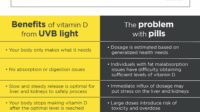
Here’s a quick reality check: taking vitamin D orally is not the same as applying it to the scalp. Oral supplementation raises systemic levels and may help if a person is deficient. Topical vitamin D works locally and may act directly on scalp skin cells and immune microenvironments.
For topical therapy, the formulation matters a great deal—vehicle, penetration, and the concentration of active ingredient all influence effectiveness. A scalp is not a flat surface; it’s a dense landscape of hair follicles, sweat glands, and folds. A product that works well on the forearm may behave very differently on a highly textured scalp.
Formulation Matters: Cream, Lotion, Foam, or an Oil?
If you’re considering topical vitamin D, the delivery system can be the difference between “promising” and “why is this not working?” Topical agents for scalp use often come as solutions, foams, or gels designed to spread without leaving heavy residue. Heavy oils may soothe dryness for some people, but they can also worsen buildup for others—or alter how the scalp tolerates active ingredients.
Additionally, vitamin D analogs used in prescriptions are not always the same as over-the-counter topical vitamin D products. The analogs are engineered to activate vitamin D receptors in a more targeted way, potentially improving consistency of response. Meanwhile, many consumer products may be gentler but less potent.
If your scalp issue is severe, chronic, or rapidly worsening, formulation choices shouldn’t be made purely based on convenience. Sensitivity testing is wise. Patch testing can prevent turning an inflammatory scalp into a full-blown flare.

The Most Common “Hidden” Limitation: Misdiagnosis
One playful challenge—and a very real one—is that scalp conditions love disguises. “Dandruff” is often used as an umbrella term, but dandruff may actually be seborrheic dermatitis, while some cases are psoriasis, contact dermatitis, or even fungal folliculitis.
Vitamin D may help when the issue is driven by inflammatory or immune pathways that respond to vitamin D signaling. But if the core driver is different—such as a persistent yeast imbalance requiring antifungal treatment—then topical vitamin D alone might feel like trying to cool down a boiling pot with a poetic letter.
That’s why clinicians often recommend a diagnostic mindset: track triggers (new hair products, dyes, stress changes), observe patterns (greasy scaling vs. dry flaking, redness distribution), and consider whether itch correlates with product changes.
Safety and Side Effects: When Helpful Becomes Annoying
Topical vitamin D is generally considered safe when used appropriately, but scalps can be surprisingly reactive. Potential issues include local irritation, redness, or worsening dryness. Overuse can increase the chance of irritation, especially if the product is too strong or layered with other aggressive actives (like strong acids, retinoids, or frequent medicated shampoos).
Another consideration is hair and scalp barrier dynamics. If a topical product strips too much oil or alters barrier chemistry, inflammation can rebound. In some cases, alternating therapies may work better than piling on multiple treatments at once.
How to Approach Treatment Like a Detective, Not a Gambler
A thoughtful strategy can prevent frustration. Start with a controlled experiment: use the topical vitamin D consistently for a defined period (as recommended by a clinician or product guidance), while avoiding major changes in other variables. Track improvements: less itch? Reduced scaling? Better redness? Hair thinning associated with inflammation?
If there’s no meaningful shift after an adequate trial, don’t assume “vitamin D doesn’t work.” Instead, consider whether the condition is the right target. If the scalp appears greasy with persistent flaking, antifungal measures may deserve priority. If plaques are thick and well-demarcated, psoriasis-directed therapy may be more fitting. If sudden onset followed a new product, contact dermatitis could be the culprit.
The Bottom Line: Can Topical Vitamin D Help?
Topical vitamin D may offer benefit for some scalp issues, particularly those with inflammatory and immune components, and the research footprint is more robust for conditions like psoriasis than for all causes of “dandruff.” Still, effectiveness depends on the condition, the formulation, and—most importantly—the accuracy of the diagnosis.
So, can it help? The answer is “possibly, and sometimes quite meaningfully”—but only when it’s applied to the right problem. When the scalp is a complex ecosystem, the best solution is rarely a single ingredient. It’s a well-targeted plan, guided by evidence, tuned to your skin’s behavior, and refined when reality refuses to cooperate.