Winter has a way of turning the day into a smaller room. Sunlight becomes scarce, routines tighten, and your body starts asking questions—quietly at first. Vitamin D is one of the answers people chase with growing intensity, and “vitamin D lamps” are often presented as a practical shortcut. But how effective are they, really? The truth is more nuanced than a simple yes or no. Some lamps can meaningfully support your vitamin D status, while others offer a warm glow with little biochemical impact. Let’s walk through the landscape carefully: what these devices actually do, which types exist, what results to expect, and how to use them responsibly.
What “Vitamin D Lamps” Actually Are (and What They Aren’t)
Vitamin D lamps are typically UVB-emitting devices designed to trigger vitamin D synthesis in the skin. When UVB reaches specific skin receptors, it initiates a photochemical cascade that converts skin precursors into vitamin D–related compounds. Those compounds are then processed by the liver and kidneys into the biologically active forms your body can use.
However, not every lamp marketed for “vitamin D” contains the needed UVB wavelengths. Many products claim wellness benefits while emitting mostly visible light or UVA. Visible light may influence mood or circadian rhythm, and UVA is involved in skin aging—but neither is a substitute for UVB-driven vitamin D production. A lamp can be effective for lighting your room while being largely ineffective for vitamin D.
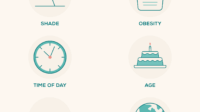
In practice, the effectiveness hinges on three variables: the spectrum (UVB presence and strength), the dose (time and distance), and the individual skin response (melanin content, sensitivity, and baseline vitamin D status). The lamp is only one part of the equation.
Are Vitamin D Lamps Effective in Winter?
They can be—especially in regions where winter UVB exposure is minimal. During cold months, the solar UVB portion reaching the ground can drop dramatically. For many people, supplementation helps, but lamps offer an alternative path: stimulating the body directly rather than relying solely on ingesting vitamin D.
That said, effectiveness is not automatic. Two people can sit under the same device and respond differently. Skin type is central: lighter skin usually produces vitamin D with less exposure, while darker skin often requires more UVB dose to reach similar levels. Age and certain medications can also modulate outcomes.
Another consideration is consistency. Vitamin D levels don’t rise instantly. A lamp routine may support gradual improvements over weeks, but it’s not a “one session miracle.” Proper dosing matters more than long, casual sessions. Overexposure increases risk without guaranteeing proportional benefits.
Different Types of Vitamin D Lamps: Choosing the Right Category
Not all “vitamin D lamps” belong to the same family. Understanding the type is like checking the engine before deciding how fast you’ll drive.
1) Medical or clinical UVB lamps: These are designed specifically for UVB phototherapy. They tend to provide more reliable UVB output when used with appropriate protocols.
2) Consumer UVB “sun simulators”: Some home devices emit UVB and are marketed for vitamin D or skin conditions. Their performance varies widely, and not every model delivers meaningful UVB.
3) Light therapy devices (mostly visible light): Often intended for seasonal affective disorder (SAD). These can support mood but typically do not generate vitamin D in a clinically meaningful way.
4) Indoor tanning units: These usually provide UVA-dominant radiation and can increase melanoma and skin cancer risk. They are not a safe substitute for UVB-driven vitamin D production.
When you evaluate a lamp, look for clear UVB specifications. If UVB details are vague or missing, the device may not be aligned with your goal.
UVB Output, Wavelength, and Why the Spectrum Matters
Vitamin D synthesis is primarily driven by UVB in a specific range. The more a lamp’s output matches the correct UVB wavelengths, the more likely it can promote vitamin D production. Many marketing pages emphasize “UV” without naming whether it’s UVB, UVA, or both.
A credible product typically provides information about UVB intensity and/or wavelength characteristics. If the lamp is engineered like a targeted instrument rather than a vague wellness gadget, that’s a good sign. Still, even accurate specifications won’t remove the need for careful dosing, because measured output can differ from real-world use depending on distance, skin coverage, and lamp age.
Also remember that filters and protective glass can block UVB. A lamp may look like a UV device but function like a lightbox if UVB is being attenuated before it reaches your skin.
How to Use a Vitamin D Lamp Safely (Dose, Timing, and Skin Response)
Safety is the axis around which effectiveness should rotate. With UVB lamps, “more” is rarely better. Overexposure can cause sunburn-like reactions and increase long-term skin risk.
Start conservatively and build gradually. Many people begin with short sessions and extend time only if no redness occurs and the device is known to be UVB-appropriate. Treat your skin like a sensitive instrument: it will tell you—through color changes, warmth, and mild inflammation—that you’ve pushed past a tolerable range.
Distance is not cosmetic. The inverse relationship between distance and intensity means moving farther away can dramatically reduce UVB dose. Conversely, sitting too close can turn a controlled regimen into unnecessary exposure.
Eye protection matters. UV can be hazardous to eyes even when the skin seems comfortable. Use goggles designed for the lamp’s wavelength profile, and avoid exposing more skin than needed unless guided by a clinician.
What Content Readers Should Expect: Step-by-Step Routines and Protocol Examples
When people search for vitamin D lamps, they often want structure. Good content usually delivers more than “use it in the morning.” It explains what to do on day one, how to adjust over time, and when to reassess.
Expect articles and guides that include:
• Session planning: how often to use the device (daily vs. several times weekly), and for how long.
• Adjustment logic: how to respond if your skin reddens or if you see no change at all.
• Coverage guidance: which body areas might be used while maintaining safer exposure limits.
• Tracking suggestions: how to pair lamp use with vitamin D blood tests and symptom monitoring.
Some readers will prefer tight routines with fewer decisions. Others want flexible schedules based on skin type. The best articles anticipate both styles—providing guardrails while leaving room for individuality.
Vitamin D Testing: The Practical Way to Measure Effectiveness
Vitamin D lamps can be “effective” in a physiological sense, but the only way to know whether they’re effective for you is to measure. Blood tests typically assess serum 25-hydroxyvitamin D, the best indicator of vitamin D status.
Many people test baseline levels, begin a regimen, and re-test after several weeks. This timeline allows time for changes in serum concentrations. If levels remain low, it may indicate insufficient UVB dose, inconsistent use, or a need for supplementation. If levels rise too quickly, it may suggest your skin is responding strongly to the UVB output and the lamp schedule needs to be scaled back.
Testing is not indulgence; it’s course correction. Without it, you rely on assumptions—which is risky when UV is involved.
Who Should Be Cautious (Medical Conditions, Medications, and Higher Risk)
Caution is not pessimism. Certain people require special consideration before using UVB lamps. If you have a history of skin cancer, multiple atypical moles, immune suppression, or chronic photosensitivity conditions, you should seek clinical guidance before turning on any UV device.
Some medications increase photosensitivity, including certain antibiotics, retinoids, and some diuretics. If you take drugs known to heighten UV sensitivity, a “standard” lamp protocol can become unsafe. Pregnancy and certain endocrine conditions may also influence risk-benefit discussions.
The point is simple: effectiveness does not eliminate risk, and risk is not uniform across individuals.
Common Misconceptions: Lamps vs. Supplements vs. “SAD Light”
A recurring misconception is that all winter light therapy equals vitamin D. Many SAD lamps deliver bright visible light to influence neurotransmitters and circadian timing. They can improve energy and mood. But they usually do not provide the UVB spectrum required for vitamin D synthesis.
Another misconception is that vitamin D lamps replace supplements entirely. For some people, supplementation plus safe sun exposure (or UVB lamps) is synergistic. Vitamin D status is influenced by diet, baseline stores, body mass, absorption, and genetics—so lamp use may be one tool, not the whole toolkit.
Lastly, “tanning for vitamin D” is a flawed strategy. UVA from tanning beds contributes more to skin damage than to vitamin D production. The goal should be targeted UVB exposure, not cosmetic skin darkening.
What “Results” Look Like: Mood, Symptoms, and Timeframes
When vitamin D status improves, some people report changes in energy, immune resilience, or musculoskeletal comfort. But symptoms are not specific. Better mood in winter can come from light exposure, better sleep timing, or seasonal behavior shifts—not exclusively from vitamin D.
That’s why timeframe matters. Mood changes might occur sooner with bright light therapy, while measurable vitamin D increases typically lag. You may feel different before your blood test changes, or vice versa. Treat results as a layered signal, not a single scoreboard.
Illustrations: What to Look for on a Lamp Listing
When shopping, information design can be as important as the device itself. Here’s what to visually verify before purchase or use.

If a product page clearly shows UVB wavelength and intensity details, that’s a step toward transparency. If it only mentions “UV” or “health rays,” it may be marketing without the biochemical specificity you’re seeking.

Safety accessories and dosing instructions are equally important. Look for clear guidance about eye protection, recommended distance, and exposure limits.
The Bottom Line: Are They Worth It?
Vitamin D lamps can be effective for winter—provided they emit the correct UVB spectrum and are used with measured, conservative dosing. They are not a universal solution, and they are not interchangeable with mood-focused light therapy. The most reliable path combines lamp use (when appropriate) with vitamin D blood testing, careful attention to skin response, and an honest assessment of risk factors.
Winter demands strategy, not guesswork. If a lamp is chosen thoughtfully and used responsibly, it can become a meaningful part of a winter wellness plan—one that supports physiology rather than merely brightening the room.