Vitamin D can feel like a key that should unlock every door—bones, mood, immunity, the whole house of human biology. Yet sometimes the key turns, and nothing changes. The number rises, but energy stays flat, cramps persist, infections still arrive, and the mirror won’t flatter what bloodwork can’t reveal. When vitamin D won’t increase—or increases without meaningful clinical impact—the body may be signaling that the real bottleneck is elsewhere. Think of it as an orchestra: the violinist may be warming up, but the conductor is still missing. In that moment, blood tests become more than measurements; they become reconnaissance.
1) 25(OH)D Follow-Up: Confirm the Measurement’s Story
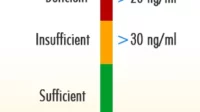
Before concluding that vitamin D “won’t increase,” it’s worth verifying the narrative behind the number. Not all tests tell the same tale. A common approach is to review 25-hydroxyvitamin D (25[OH]D), because it reflects circulating vitamin D status more reliably than older markers. Recheck after adequate supplementation and assess adherence, formulation, and timing.
Sometimes the issue isn’t vitamin D’s absence—it’s vitamin D’s vanishing. Short absorption windows, medication interactions, or lab variability can distort the picture. If the value plateaus early, a second test with consistent lab conditions can clarify whether “won’t increase” is truly biological or partly procedural.

2) Calcium and Corrected Calcium: The Mineral Chorus
Vitamin D is an influential messenger for calcium. If vitamin D levels refuse to rise or rise without effect, calcium may reveal the next movement of the symphony. Testing serum calcium and corrected calcium (or ionized calcium, when indicated) can show whether mineral handling is stable.
Low calcium can indicate malabsorption, insufficient vitamin D function, or parathyroid-related issues. High calcium can hint at alternative endocrine dynamics. This is where the story becomes more intriguing: vitamin D might be present, but calcium regulation could be derailed.
3) Parathyroid Hormone (PTH): The Body’s Feedback Loop
PTH is the body’s way of saying, “Something is off.” When vitamin D is inadequate, PTH often climbs to maintain calcium. But if vitamin D won’t increase, PTH can help determine whether the system perceives a deficiency in the functional sense, not merely the numeric one.
A high PTH with low or normal calcium can suggest early insufficiency or issues with vitamin D utilization. Conversely, low PTH can point toward other endocrine causes of calcium imbalance. This test turns a static snapshot into a dynamic story.
4) Phosphorus (and Sometimes Magnesium): The Underestimated Partners
Calcium isn’t the only player. Phosphorus and magnesium are often treated like background instruments, but they can change the entire arrangement. Phosphorus helps form bone mineral; magnesium supports enzymatic reactions involved in mineral homeostasis and vitamin D metabolism.
If magnesium is low, vitamin D pathways can become sluggish—even when supplementation is happening. Magnesium deficiency can be subtle, but it may translate into muscle twitching, fatigue, and restless sleep. Testing it isn’t dramatic; it’s clarifying.
5) Alkaline Phosphatase (ALP): Bone Turnover in Plain Sight
Alkaline phosphatase often reflects bone activity. When vitamin D isn’t functioning properly, bone turnover may accelerate or fail to normalize. Elevated ALP can suggest increased osteoblastic activity, while low levels may have different clinical implications depending on context.
This marker works best when interpreted alongside calcium, phosphorus, and PTH. Alone, it can mislead. In combination, it becomes a breadcrumb trail pointing to where the “vitamin D problem” is actually occurring—bone metabolism, not just vitamin availability.
6) Celiac Screening (tTG-IgA and Total IgA): The Hidden Access Block
Sometimes the bottleneck is not the bloodstream; it’s the doorway to absorption. Celiac disease can impair absorption of multiple nutrients, including vitamin D. A screening panel—commonly tissue transglutaminase IgA (tTG-IgA) plus total IgA—helps determine whether immune-mediated intestinal damage is sabotaging nutritional status.
If celiac is present, vitamin D might rise slowly or not at all, despite proper dosing. In metaphorical terms, the gut becomes a fortress where nutrients struggle to cross the drawbridge.
When symptoms align—bloating, anemia, unexplained fatigue—this test can transform frustration into a targeted plan.
7) Iron Studies (Ferritin, Serum Iron, TIBC/Transferrin Saturation): Energy Requires More Than One Vitamin
Low vitamin D can coexist with iron deficiency. Yet when vitamin D won’t increase meaningfully, fatigue can persist because the real engine problem is oxygen transport and cellular energy metabolism. Ferritin tells how much iron is stored; transferrin saturation suggests how effectively iron is circulating.
Anemic symptoms—shortness of breath on exertion, hair shedding, restless legs—can mimic vitamin deficiency patterns. The body doesn’t care which nutrient is blamed; it responds to the limiting factor. Iron studies help locate that limiter.
8) Inflammation and Metabolic Context (hs-CRP and HbA1c): The Chronic Background Radiation
Vitamin D sometimes fails to “budge” because the environment is hostile. Chronic inflammation can alter nutrient metabolism, influence absorption, and affect how tissues utilize vitamin D. hs-CRP offers a window into systemic inflammation. HbA1c adds metabolic context, because dysregulated glucose handling can travel alongside nutritional insufficiencies and fatigue.
These aren’t destiny tests. They are context tests—like checking weather before planning a trip. If inflammation is elevated, vitamin D response may be blunted, and symptoms may persist even when the lab number improves.
Bringing It Together: A Map, Not a Guess
When vitamin D won’t increase, the question should evolve from “Why won’t my supplement work?” to “What compartment of the system is malfunctioning?” Calcium and phosphorus reveal mineral dynamics. PTH exposes feedback loops. Magnesium can unblock enzymatic gates. ALP adds bone turnover texture. Celiac screening tests the absorption pathway. Iron studies evaluate energy substrates. hs-CRP and HbA1c explain background conditions that can interfere with improvement.
Bloodwork is not merely diagnostic—it is narrative medicine. Each panel is a paragraph, each value a verb in the sentence of your health. When those paragraphs connect, the mystery dissolves into an actionable strategy—one that treats the underlying mechanism, not just the vitamin headline.