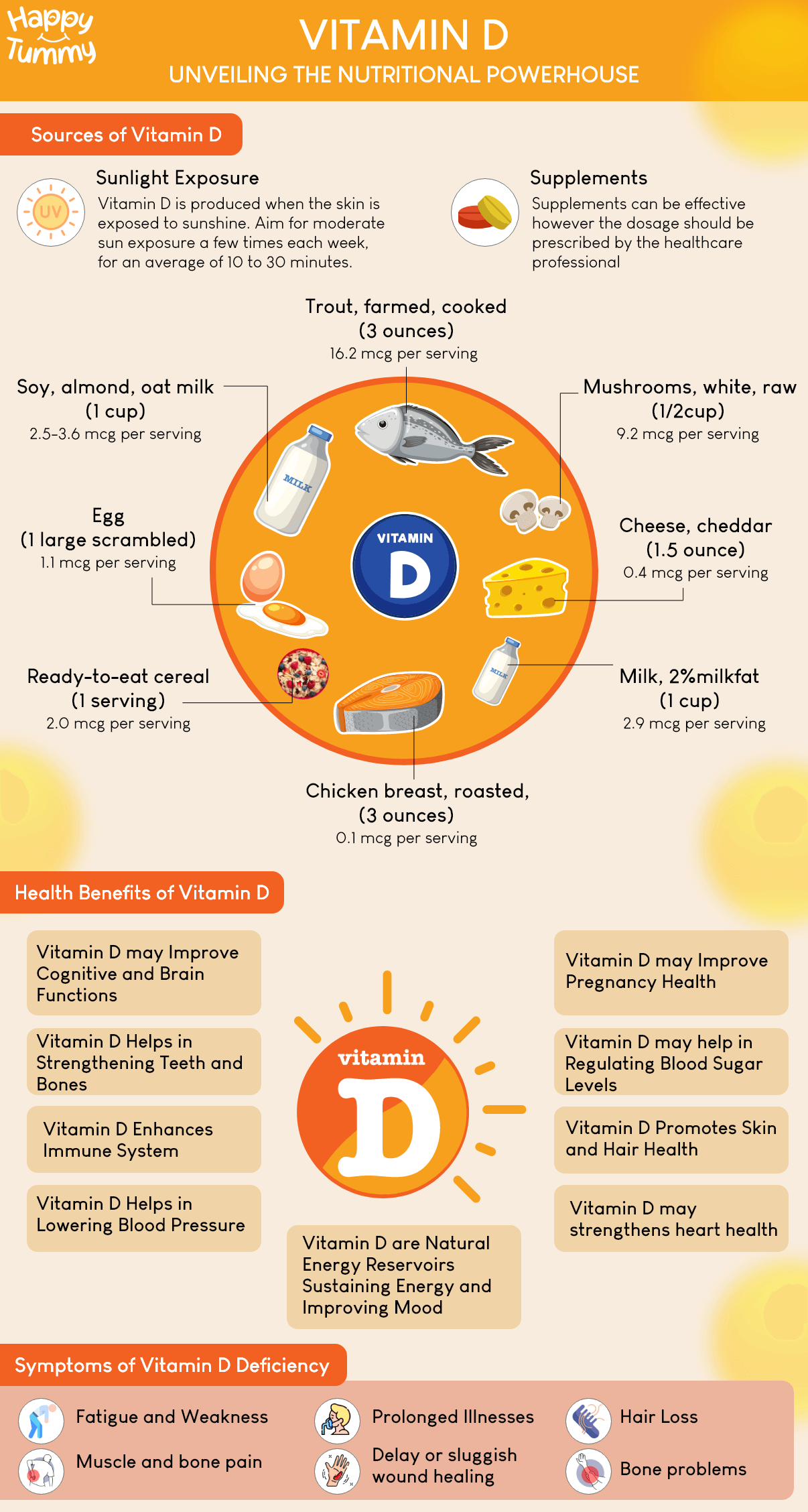
Have you ever popped a vitamin pill “whenever” and then assumed the job was done? Imagine this: your supplement is like a tiny delivery truck, and your meal is the road. Without the road, the truck may still move—just not with the same efficiency. Today’s question is delightfully mischievous: why does your vitamin D supplement seem to work better when it’s paired with food rather than a quick snack?
Vitamin D’s “fat-loving” nature: why meals matter
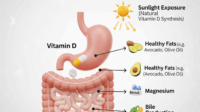
Vitamin D is fat-soluble, meaning it prefers to ride along with dietary fats. Think of it as a VIP guest who doesn’t want to sit on the curb. When you take it with a meal that includes some fat—like olive oil, eggs, yogurt, or nuts—your digestive system has more resources to package vitamin D in a form that can be absorbed more effectively.
With a proper meal, your body can produce bile and other digestion aids that help break down fats and escort vitamin D into the bloodstream. If vitamin D arrives while your stomach and intestines are lightly “equipped,” absorption can be less robust. The result is not necessarily that it becomes useless—more that it may underperform.
So the potential challenge is this: you might be taking vitamin D on a schedule that feels convenient, but convenience can be a sly saboteur when it comes to absorption.
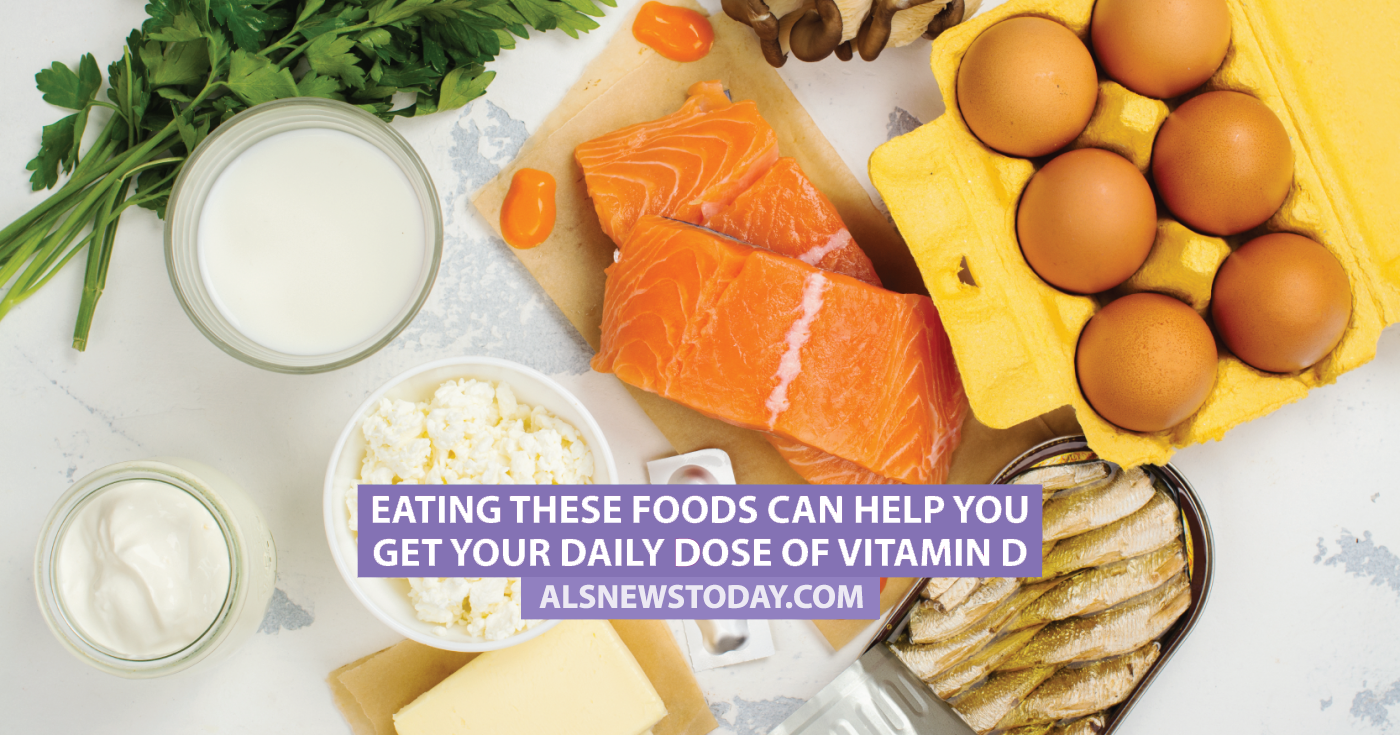
A snack isn’t always the same as a meal
Let’s puncture a common myth gently. Snacks can be fine, but “snack-sized” portions may not supply enough fat or enough time for digestion to create the best absorption conditions. A handful of plain crackers, dry toast, or fruit alone may not provide the same digestive setup as a fuller meal.
Even when a snack includes something fatty, the overall context matters. A true meal often brings more coordinated digestion: stomach secretions, bile flow, and a steadier transit through the gastrointestinal tract. That choreography can help vitamin D travel the distance from ingestion to utilization.
In other words, the difference between a supplement taken with a meal versus a small snack can be subtle—but cumulative. Over weeks and months, subtle inefficiencies can mean your vitamin D status doesn’t improve as quickly as hoped.
How digestion timing influences absorption
Your digestive system doesn’t run like a switch—it behaves more like a dimmer. When you eat, your body ramps up. Enzymes activate. Bile production increases. Transport pathways become more responsive.
Taking vitamin D alongside a meal can align the timing of absorption with the period when your body is most prepared to handle fat-soluble nutrients. If you take it between meals, you might be asking absorption to happen during a quieter “off-shift” period.
Now picture a playful obstacle: you decide, “I’ll take it right after my coffee,” and then you skip breakfast. That scenario is surprisingly common. But without a meal, you may miss the optimal window for vitamin D uptake.
What counts as “with a meal”? Practical guidance
You don’t need a feast. But you do want something that functions like a meal in your routine—something your body recognizes as nutrition rather than a brief interlude.
Try pairing your dose with options like:
- Eggs or cheese on toast
- Greek yogurt or kefir
- Salmon, sardines, or other fatty fish
- Rice or quinoa with olive oil-based dressing
- Nuts or avocado as part of a larger plate
If your meal is very low in fat, consider whether the rest of your day is nutritionally balanced. For instance, a modest amount of dietary fat helps vitamin D do its job without turning lunch into a nutrition marathon.
Morning vs. evening: does it change the story?
You may have heard that timing depends on the clock. There’s some truth, but the bigger plot twist is still the meal. Vitamin D absorption is less about the hour and more about the biological environment during digestion.
That said, some people find it easier to remember with breakfast or dinner. Morning routines can be consistent and cue-driven; evening routines can be calmer and paired with dinner habits. If you choose a specific time, keep it steady. Consistency helps your body build a reliable rhythm.
If you want the simplest approach: take vitamin D with the meal you’re most likely to complete consistently.
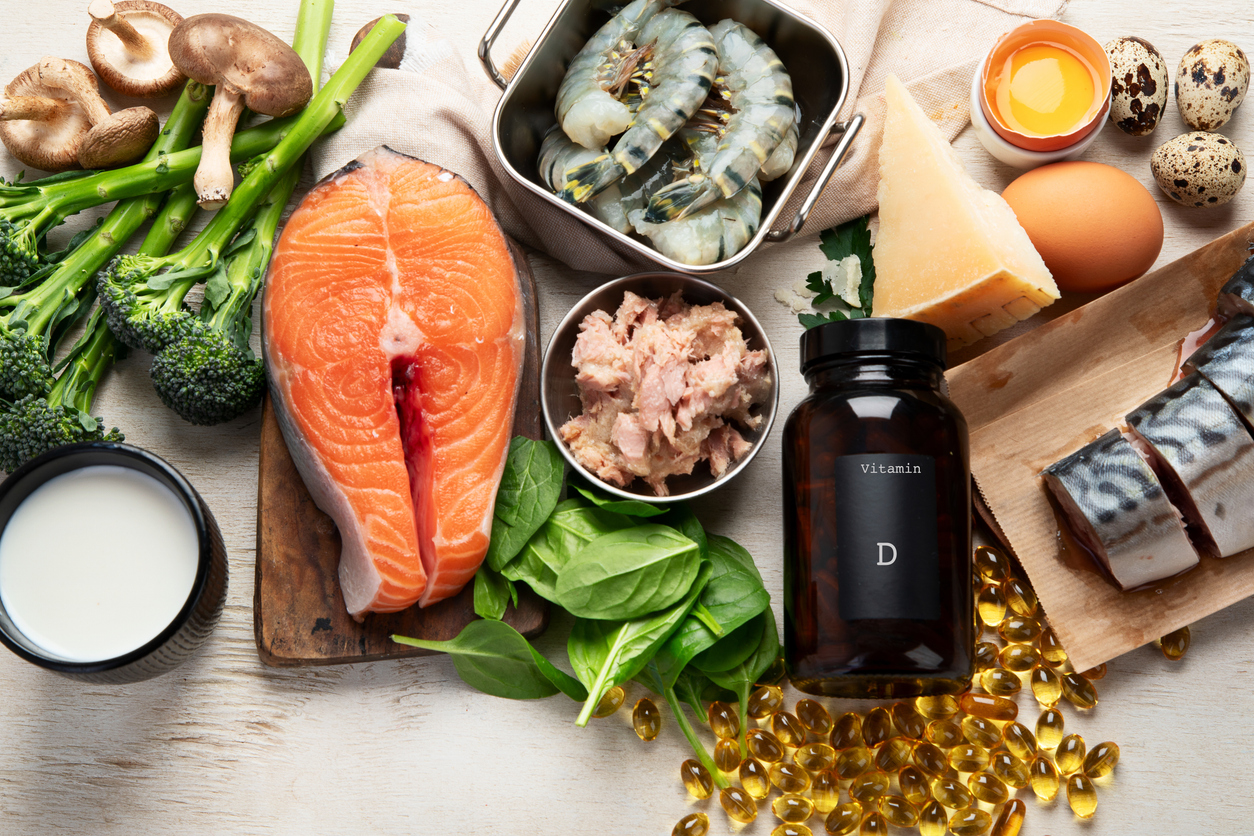
Consistency beats cleverness: turning a habit into a system
It’s tempting to micromanage—taking it “when conditions are perfect.” But life has weather systems. Work calls, travel, late nights, and skipped meals happen. So the real challenge is not just absorption; it’s adherence.
Pairing vitamin D with a regular meal anchors the habit. It transforms the supplement from a decision into a routine. When you attach it to breakfast or dinner, you reduce cognitive load. Your brain stops negotiating with the schedule.
Consider setting a small reminder next to everyday anchors: your coffee machine, your pill organizer by the stove, or your dinner plate. Habits are made of repeated cues, not heroic intentions.
Why vitamin D matters: more than a “single nutrient”
Vitamin D plays a multi-role performance in the body. It supports bone health by helping regulate calcium and phosphorus. It also contributes to immune function and may influence cellular processes throughout the body.
Because vitamin D often comes with low baseline intake—especially in regions with limited sunlight—many people rely on supplementation to close the gap. If you’re already investing in a supplement, it’s reasonable to maximize the chance that your body can use it.
Absorption is the bridge between “I took it” and “my body benefited.” A meal can be that bridge.

Safety, dosing, and when to check in
Vitamin D supplements come in different strengths. Whether you take 1,000 IU or a higher dose, the aim is to support healthy levels without overshooting. For that reason, follow the dosing guidance provided by your healthcare professional or label instructions.
Because vitamin D is fat-soluble, it can accumulate if taken in excess over time. That’s another reason meal pairing matters: not to “create more,” but to support efficient, predictable use at your prescribed dose.
If you’re unsure about your current vitamin D status, a blood test (often measuring 25-hydroxyvitamin D) can clarify where you stand. Then your dosing strategy becomes less guesswork and more targeted nutrition.
The takeaway: don’t let a snack steal the spotlight
Here’s the playful punchline to remember: your vitamin D supplement isn’t picky about being taken. It’s picky about being absorbed. A meal helps your digestive system do the heavy lifting—especially because vitamin D is fat-soluble.
So next time you reach for your pill, ask yourself that mischievous question again: “Am I taking it—or actually enabling it?” Pair it with a meal, keep timing consistent, and let your body receive the nutrient under the best possible conditions.