Your bones are not inert scaffolding. They are living tissue—quietly remodeling, quietly adapting. Yet many people only learn how fragile that process can become when a fracture arrives uninvited. That is why a bone density test matters: it turns an invisible risk into measurable information. And tucked inside that measurement is an essential supporting character—vitamin D—an ally that helps your body handle calcium with precision, rather than guesswork.
Bone density testing: translating “aging” into data
Bone density testing—often a dual-energy X-ray absorptiometry (DXA) scan—estimates the strength of your bones by measuring mineral content. The result is not simply a number; it’s a probability-weighted snapshot of how likely your skeleton is to withstand future stress.
When your clinicians discuss risk, they are often referencing the T-score and/or Z-score. These values help distinguish between age-related bone changes and medically significant bone loss. A short sentence can be true and still feel incomplete: “You may look healthy yet have low bone density.” But that’s exactly what these tests are designed to reveal.
Importantly, tests also create a baseline. Baselines matter because bone remodeling is continuous. Without a starting point, it’s difficult to tell whether interventions are working—or whether progression is occurring silently.
Why vitamin D is a keystone for bone mineralization
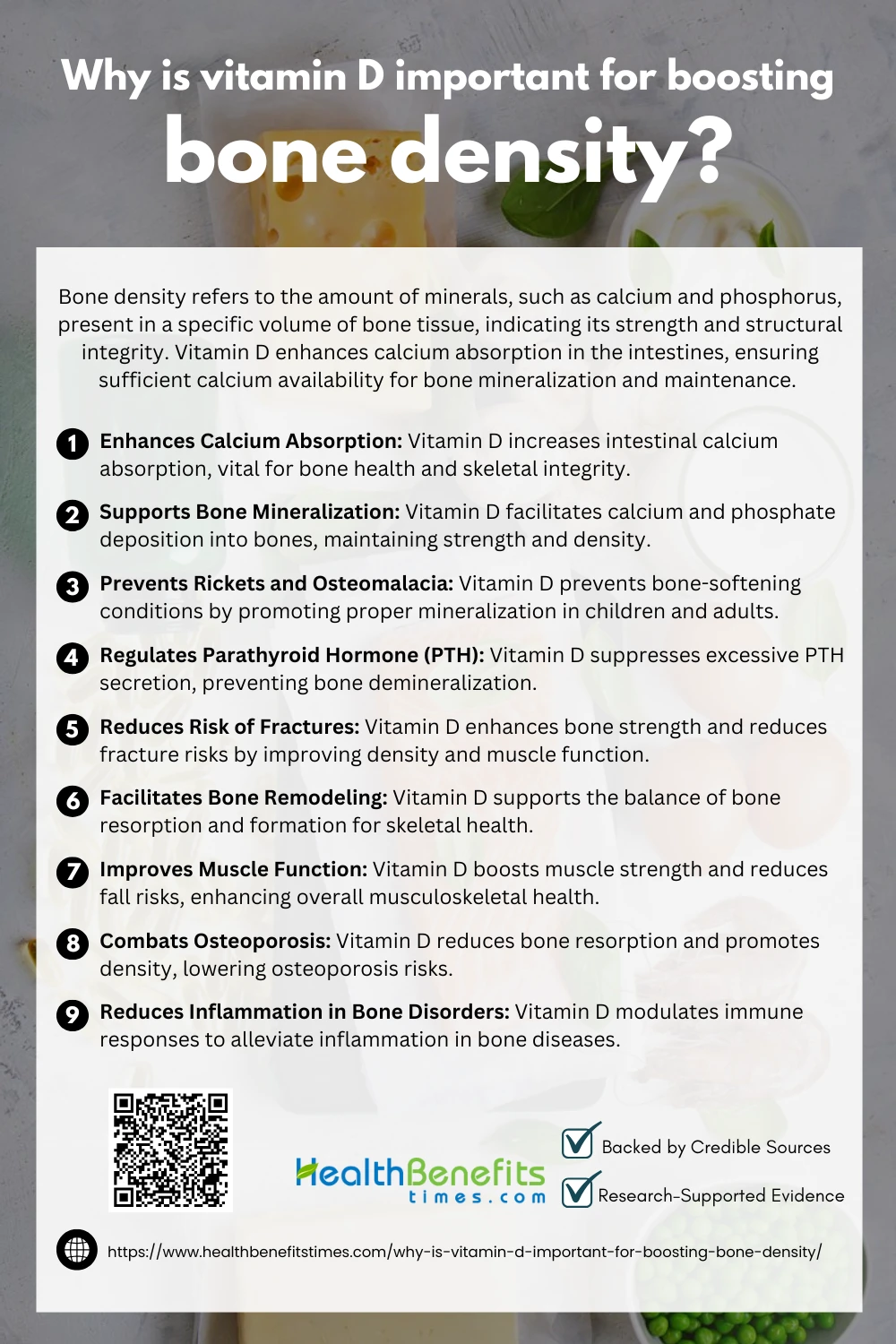
Vitamin D works like an internal logistics manager. Without adequate vitamin D, calcium struggles to cross the intestinal barrier efficiently. Even if your diet contains calcium, absorption can be suboptimal, leaving bones starved of the raw materials they require for mineralization.
But vitamin D does more than support absorption. It also participates in regulating bone remodeling by influencing osteoblast and osteoclast activity—the team that builds bone and the team that breaks it down. Too little vitamin D can tilt the balance toward net loss, especially over time.
Think of bone as a ledger. Calcium intake, absorption, and utilization determine whether the ledger stays solvent. Vitamin D is one of the major accountants.

Understanding different bone density patterns: more than “thin bones”
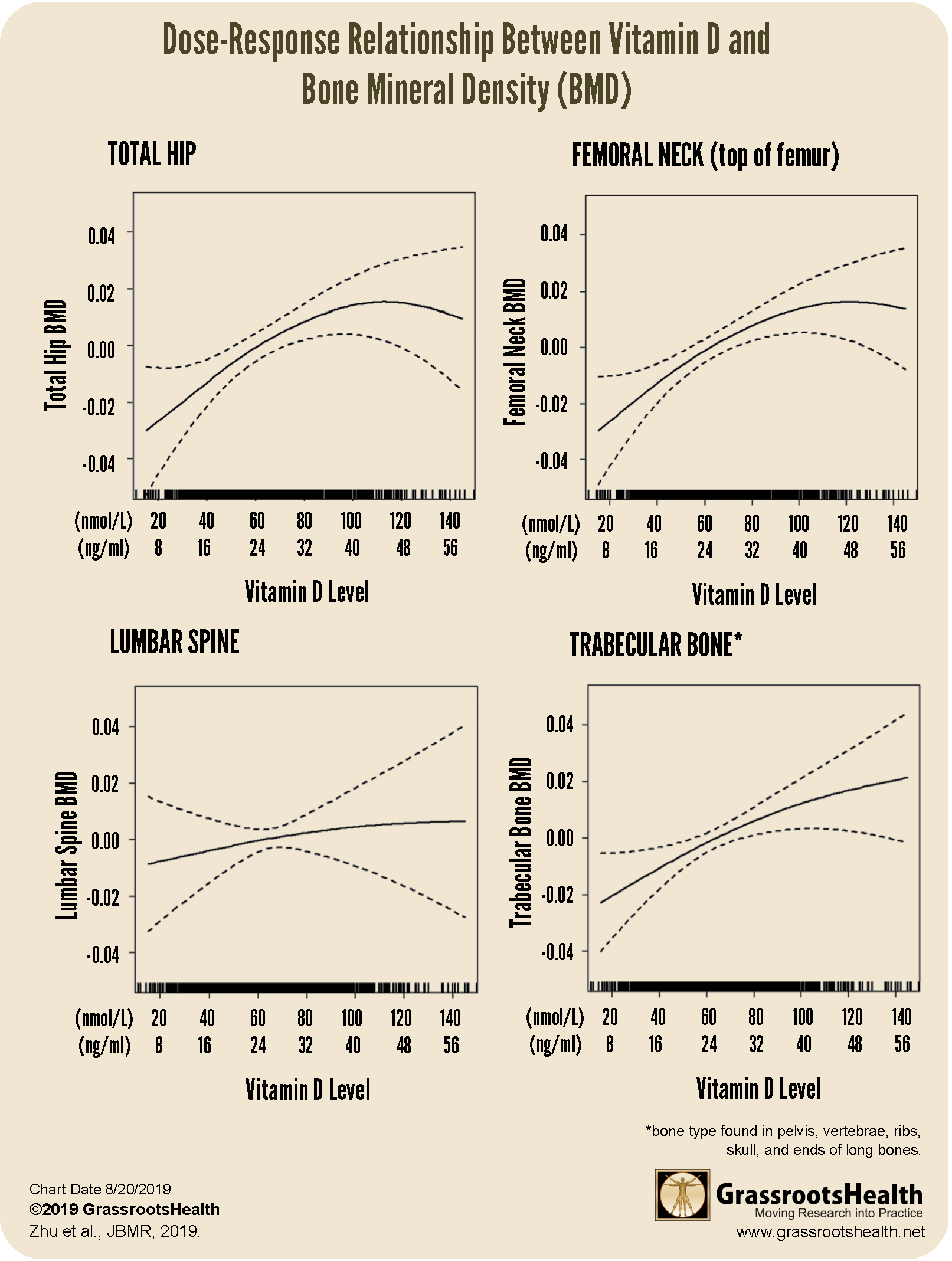
Low bone density is often discussed as a single problem, but it can appear in distinct patterns. Some individuals may show reduced density in the spine, others in the hip, and still others across multiple sites. Each location has its own mechanical demands and metabolic quirks.
The spine, for instance, is particularly sensitive to changes in trabecular bone—bone that is more porous and metabolically active. The hip tends to include cortical components that respond differently to remodeling pressures. That is why two people with similar histories can receive different management strategies based on where the density loss is most pronounced.
Bone density testing also helps separate osteoporosis from other possibilities. Sometimes what looks like “bone loss” is actually influenced by medications, endocrine disorders, or chronic inflammation. Testing becomes a diagnostic lantern, revealing the shape of the problem instead of offering vague reassurance.
Who should consider testing, and why timing changes outcomes
Not everyone needs a scan at the same moment. Many clinicians recommend testing when risk rises—age milestones, postmenopausal status, a history of fragility fractures, long-term glucocorticoid use, smoking, certain gastrointestinal conditions, or a strong family history.
However, the most underrated reason to test is timing. Detecting low bone density early can shift treatment from reactive to preventive. It’s the difference between placing scaffolding after structural cracks appear versus reinforcing the framework before the stress concentrates.
Even if you feel fine, risk accumulates gradually. A test can convert that gradual accumulation into a concrete action plan—sometimes including lifestyle adjustments, sometimes supplements, and occasionally prescription therapy.
What to expect before, during, and after a DXA scan
A DXA scan is typically quick, noninvasive, and low in radiation exposure. Most people can lie comfortably while the scanner passes over the body region being evaluated. It doesn’t require fasting for most patients. Still, it’s worth following specific clinic instructions—particularly if recent contrast imaging or positioning issues could affect accuracy.
After the scan, results are interpreted in context. Clinicians do not read a DXA report like a horoscope. They interpret it alongside your medical history, fracture history, lab values, and sometimes bone turnover markers. This helps avoid misclassification and supports a more nuanced approach.
Follow-up matters too. Many people benefit from repeat testing after a clinically appropriate interval to assess whether bone density is stabilizing, improving, or continuing to decline.
Vitamin D testing: pairing DXA results with lab reality
A bone density test can reveal the destination. Vitamin D blood testing—often measuring 25-hydroxyvitamin D—helps reveal the route that got you there. When vitamin D status is insufficient, calcium absorption can be compromised, and the body may compensate imperfectly.
With both measurements available, clinicians can tailor interventions. A person with low bone density might have a clear therapeutic target if vitamin D is low. Conversely, if vitamin D is adequate yet bone density remains poor, the plan may emphasize other factors—medication effects, hormonal changes, or nutritional insufficiencies such as inadequate calcium intake.
It’s not always either/or. Bone health is multiparametric, a symphony rather than a solo.
Beyond supplements: lifestyle mechanisms that support vitamin D and bone
Vitamin D can be obtained through sunlight exposure, diet, and supplements. Yet sunlight isn’t a universal solution. Skin pigmentation, latitude, seasonality, sunscreen use, clothing coverage, age, and time spent outdoors all influence cutaneous production.
Dietary vitamin D is often limited in many regions and eating patterns, and calcium intake can be similarly variable. That’s where bone density testing becomes a compass. It helps determine whether “probable” nutrition is actually sufficient for your physiology.
Physical activity is also central. Weight-bearing exercises, resistance training, balance work—these are not mere fitness trends. They influence mechanical loading, which encourages bone maintenance. In plain language: bones respond to stress in the right dosage.
Pair that with adequate protein, smoking cessation, moderation of alcohol, and careful review of medications that can affect bone. The best plans are rarely single-factor; they are layered.
Risk reduction: how bone density results shape prevention and treatment
Once you know your bone density status, you can address risk with more precision. If results suggest osteopenia or osteoporosis, clinicians may recommend changes in nutrition, supplementation, exercise, and fall prevention. If the risk is higher, prescription therapies may be considered—sometimes including bisphosphonates, denosumab, or other osteoporosis medications depending on individual circumstances.
Crucially, vitamin D plays a supportive role in many treatment frameworks. Even if medications are employed, correcting vitamin D insufficiency can help optimize the environment in which bone-building processes occur. Without adequate vitamin D, treatment efforts can feel like trying to reinforce walls while leaving the mortar cupboard understocked.
In the background, fall prevention also deserves attention: strength, vision checks, home hazard evaluation, footwear choices, and sometimes physical therapy. A strong skeleton is only part of the fracture equation; the environment decides how easily a fall becomes a catastrophe.
Common misconceptions that delay testing
Some people assume bone density issues only occur in older age or only in women. Others believe that feeling young means bones are protected. But bone changes are biochemical and structural, not cosmetic.
Another misconception is that supplements alone replace the need for testing. Supplements can help, but they are not diagnostic tools. Without a scan, it’s difficult to know whether you’re preventing a decline, reversing a trend, or merely maintaining a theoretical baseline.
Finally, there’s the belief that vitamin D is universally adequate. Yet deficiency can exist even in people who believe they eat well or get regular outdoor time. Testing brings clarity, not guilt.
A practical next step: making your results actionable
If you’re weighing a bone density test, consider it an investment in interpretive power. The scan provides a measurable view of skeletal strength. Vitamin D testing—paired with it—helps identify whether calcium logistics and bone remodeling regulation are functioning smoothly.
When you translate results into a plan, your future becomes less accidental. Short-term uncertainty becomes long-term direction. A bone density test doesn’t predict your life. It helps you steer it—before an emergency forces the conversation.