There’s a particular kind of fatigue that doesn’t behave like ordinary “I slept wrong” tiredness. It lingers. It gathers behind your eyes like a dim weather front. You might still function—emails get answered, responsibilities get met—but your body feels as if it’s running on a muted battery. While the obvious suspects include stress, poor sleep, and iron issues, an overlooked contender often works in the background: vitamin D deficiency. When vitamin D levels fall, the symptoms can masquerade as many other problems, making the fatigue feel strangely unexplained.
Fatigue That Feels Wear-Down, Not Wear-Off
Vitamin D deficiency can produce fatigue that is stubborn and diffuse. Not all tiredness is equal. Some people describe it as a heavy, leaden exhaustion; others feel “wired but weak,” where the mind is alert yet the body lacks momentum. This type of tiredness may worsen gradually, and it often doesn’t correlate with how much you sleep.
Why does this happen? Vitamin D participates in normal cellular signaling and may influence mitochondrial energy production—those tiny power stations that help your cells convert fuel into usable energy. When vitamin D is insufficient, energy metabolism can become less efficient, leaving you with an underwhelming sense of vitality. Short naps rarely fix it. Long weekends help only temporarily.
:max_bytes(150000):strip_icc()/VWH-JulieBang-VitaminDDeficiency-txt-4000x2700-25d3aac6e3914cf98d08db2ba4d87be2.png)
Muscle Weakness and Achy Body Signals
If your fatigue is accompanied by vague muscle weakness, it might not be “just getting older” or “being out of shape.” Vitamin D deficiency has a talent for presenting as generalized aches—thighs feel tired, calves feel unreliable, and stairs become more taxing than they used to be.
People often report soreness after minimal activity, or a nagging discomfort that migrates between muscle groups. This isn’t always dramatic pain. Sometimes it’s a dull, persistent sensation that reduces your range of motion. The pattern can be subtle enough that you stop noticing it—until you try to do something demanding and realize your body is buffering.
In some cases, deficiency contributes to decreased muscle function and may heighten the risk of falls, especially in older adults. Even if you’re not elderly, that same “muscle signal fatigue” can leave you feeling oddly unstable or uncoordinated.
Low Mood, Brain Fog, and the Quiet Cognitive Dimming
Vitamin D is more than a bone-health nutrient. It also seems to interact with brain function and mood regulation. When deficiency is present, some people experience a form of cognitive weariness—brain fog, reduced focus, and slower mental processing.
You may feel emotionally flattened. Not necessarily depressed in a clinical sense, but less buoyant. The days can feel longer, decisions take more effort, and motivation becomes a scarce resource. Short tasks become time-consuming, and concentration feels like pushing a shopping cart uphill.
Sleep hygiene can’t fully patch this. You can follow every guideline and still feel mentally dulled. This is one reason vitamin D deficiency is sometimes mistaken for burnout or chronic stress, even when stress levels have been relatively stable.
Bone Discomfort and the “Why Are My Bones Tired?” Feeling
While vitamin D is famous for supporting calcium absorption and skeletal health, deficiency can also create sensory symptoms—aching bones, tenderness, or a persistent “deep tiredness” in the body. You might notice discomfort in the lower back, hips, or pelvis, particularly during periods of low activity.
Importantly, the experience can be nonspecific. Instead of a single sharp injury, it can feel like your skeletal system is always on the verge of stiffness. Some people describe a vague soreness that improves with movement but returns once you settle again.
When deficiency is significant and prolonged, bone remodeling can shift in ways that make symptoms more pronounced. The result is not only fatigue—it can be a sense that your body is more fragile than it used to be.
Frequent Infections and the “Why Am I Always Getting Sick?” Pattern
Another stealth symptom can be a compromised immune response. Vitamin D supports immune function, and low levels may correlate with an increased tendency to catch infections, especially respiratory ones. You might find yourself dealing with lingering colds, recurrent sinus issues, or a body that takes longer to bounce back.
This doesn’t mean vitamin D deficiency is the only cause of frequent illness. But if fatigue is paired with a repeated “recovery lag,” it can form a compelling clue. The pattern can include symptoms like a sore throat that keeps returning, or illnesses that feel more stubborn than usual.
Think in cycles: you recover, you feel almost normal, then fatigue returns sooner than expected. Your immune system may be running a little harder with less biological support.
Excessive Sweating, Skin Changes, and Nonclassic Clues
Some deficiency clues are not strictly “nutrient textbook” symptoms. People have reported increased sweating, a sense of heat intolerance, or skin-related changes such as dryness or altered texture. These are not universal, but they can appear in the broader constellation of low vitamin D.
Skin is also a conversion interface—your body synthesizes vitamin D when sunlight strikes the skin. If sunlight exposure is limited, or if skin pigmentation reduces the efficiency of synthesis, deficiency risk can rise.
While skin symptoms can reflect many conditions, the key is pattern recognition. When fatigue is persistent and the rest of your lifestyle seems adequate, it becomes worth investigating less obvious nutritional gaps.
Who Is Most at Risk? Lifestyle, Physiology, and Timing
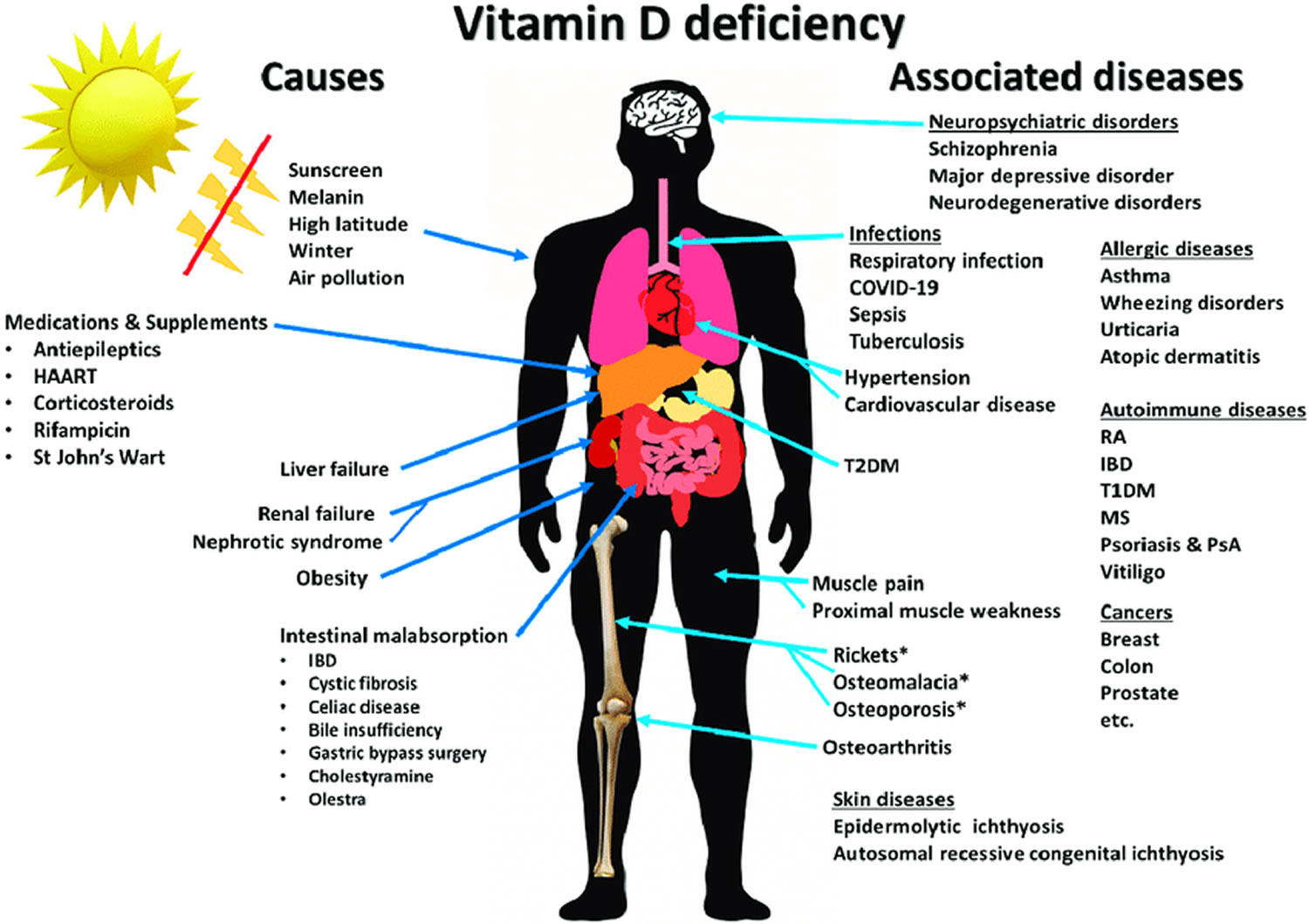
Vitamin D deficiency doesn’t discriminate, but risk is distributed unevenly. People who spend most of their time indoors—desk jobs, caregiving roles, or shift work—may miss regular sunlight exposure. Those who live in high-latitude regions may also receive less effective seasonal sunlight.
Diet matters too. If your intake is low in vitamin D–rich foods, or if your diet is heavily restricted, deficiency can develop over time. Body composition plays a role as well; vitamin D can be sequestered in adipose tissue, making it harder to maintain adequate circulating levels.
Additionally, certain medical conditions and medications can interfere with vitamin D absorption or metabolism. Even pregnancy and breastfeeding can shift needs, and older adults often produce less vitamin D in the skin.

How Deficiency Is Diagnosed: The Lab Marker That Matters
Fatigue can be caused by many things, so guessing can be expensive—in both time and frustration. The most direct route is a blood test that measures 25-hydroxyvitamin D, the best indicator of vitamin D status.
Clinicians may also evaluate related markers such as calcium, phosphorus, parathyroid hormone, and sometimes magnesium, depending on your symptoms and history. This helps determine whether deficiency is simply low intake and sun exposure, or whether there’s a more complex metabolic issue.
If you pursue testing, bring context: how long the fatigue has been present, whether you’ve had muscle aches or mood changes, and whether you’re frequently ill. These details can sharpen interpretation and guide next steps.
What to Do Next: Sunlight, Food, and a Smart Supplement Plan
Once deficiency is identified, recovery typically involves a blend of sunlight optimization (when safe), dietary support, and targeted supplementation. Food sources like fatty fish, fortified dairy alternatives, and egg yolks can contribute, though they may not fully correct low levels on their own.
Supplementation is often the fastest way to restore vitamin D stores. However, dosing should be personalized. Too little delays improvement; too much can be harmful. A clinician can suggest an appropriate regimen based on your lab results, body size, and risk profile.
As levels rise, many people notice changes—energy improves, aches diminish, and mental clarity returns gradually. Some symptoms respond quickly; others take longer, because muscle function, immune balance, and mood regulation are not instant switches.
When Fatigue Isn’t Just Vitamin D: Red Flags to Consider
Even if vitamin D deficiency is a possibility, fatigue that worsens rapidly or includes alarming features should be evaluated promptly. Unintentional weight loss, persistent fever, shortness of breath, chest pain, severe weakness, or symptoms of anemia require medical attention beyond nutrient optimization.
Also consider other common contributors such as sleep disorders, thyroid dysfunction, iron deficiency, and depression. Vitamin D deficiency can coexist with these conditions, and fatigue is often multifactorial.
The most helpful approach is not to blame your fatigue on a single nutrient, but to investigate systematically—using labs and clinical insight to uncover what your body is signaling.
Closing Thought: Treat the Pattern, Not Just the Tiredness
Feeling tired all the time is exhausting in more ways than one. It can drain your confidence, dull your joy, and make everyday tasks feel heavier than they should. Vitamin D deficiency hides in the background, turning subtle biological changes into a persistent sense of low energy.
If fatigue is paired with muscle aches, brain fog, frequent infections, or bone discomfort, it’s worth treating the pattern as meaningful data. With accurate testing and a thoughtful plan, the dim weather inside your body can lift—slowly, steadily, and in a way that feels like getting yourself back.