There’s a particular kind of quiet confidence that comes with strengthening your skeleton. You don’t notice it while you’re doing the work—lunges burn, stairs thrum, and squats demand concentration. But later, when your posture steadies and everyday movements feel less like negotiations, you understand the real prize: bones that can absorb load and endure time. Weight-bearing exercise is one of the strongest levers for bone health. Yet the transformation isn’t purely mechanical. Vitamin D acts like an indispensable coauthor, helping the body turn training effort into durable bone benefit.
Weight-Bearing Exercise: The Signal Bones Can’t Ignore
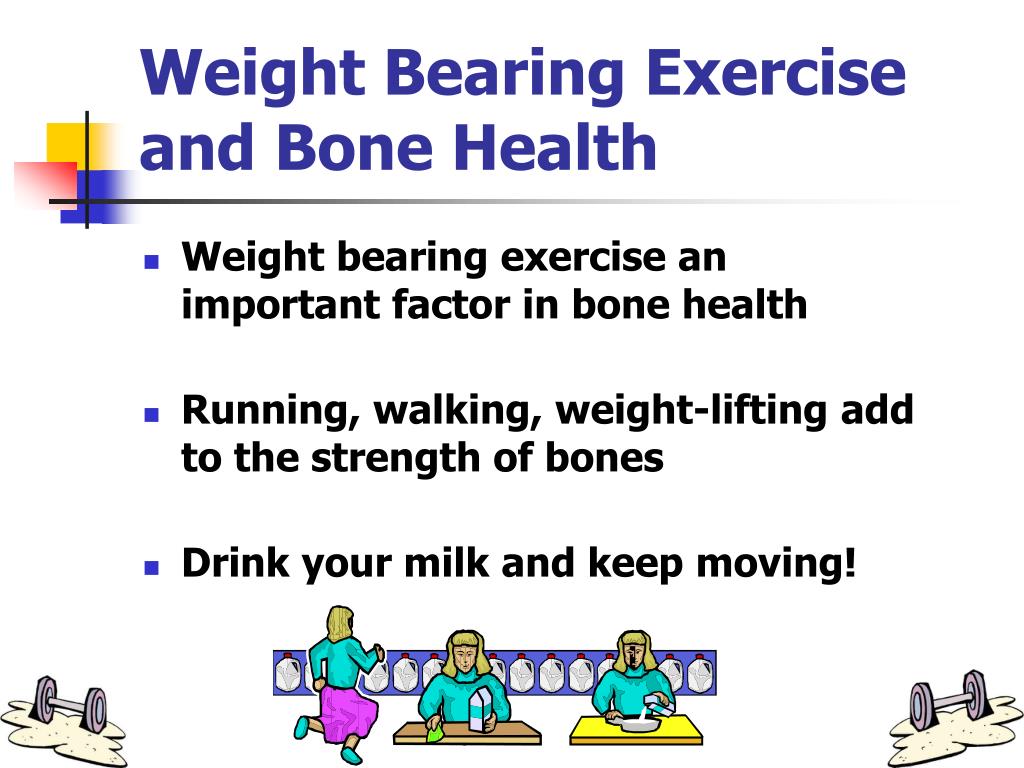
Bone tissue is not inert scaffolding. It is metabolically responsive, constantly remodeling in response to stress. When you stand, walk, climb, dance, or lift, you impose mechanical strain on the skeleton. That strain triggers a cascade of cellular communication—osteocytes sensing load, followed by coordinated action from osteoblasts and osteoclasts. The result is adaptation: bones become denser and more resilient, especially when loading is regular, progressive, and appropriately challenging.
Not all exercise delivers the same message. Weight-bearing activities force your body to work against gravity. Even modest impacts can be meaningful, because bone responds to both magnitude and frequency of stress. Still, the body needs the raw materials and biological conditions to convert that “training signal” into actual bone matrix. Without adequate vitamin D, the signal may be strong, but the construction crew can’t reliably build.
Vitamin D’s Core Role: Enabling Calcium, Not Just “Supporting” It
Vitamin D is often described as supportive, but its function is more catalytic than ornamental. The hormone-like vitamin enhances intestinal absorption of calcium. That matters because bone remodeling requires a steady supply of calcium and phosphate to mineralize new tissue. If vitamin D is insufficient, calcium intake—whether from food or supplements—may not translate efficiently into mineral availability.
Think of weight-bearing exercise as the blueprint and training stimulus as the blueprint’s urgency. Vitamin D is the logistics system that ensures materials arrive on time. When vitamin D levels are low, the body may compensate by pulling calcium from circulating stores, which is not the direction you want when trying to reinforce skeletal strength.
There’s also a second layer: vitamin D influences bone cell behavior directly. It helps regulate osteoblastic activity and contributes to the balance of remodeling. In other words, vitamin D isn’t merely a nutrient; it’s a conductor shaping the tempo of bone metabolism.

When You Train, the Math Changes: Demand for Mineralization Increases
Weight-bearing exercise doesn’t only create mechanical stress. It also amplifies the body’s remodeling workload. Over time, bones respond by laying down new collagen scaffold and then mineralizing it. This is where the micronutrients become high-stakes. Calcium availability must be sufficient to “harden” the new structure, improving strength and reducing susceptibility to fractures.
If vitamin D is inadequate, the body may still attempt remodeling, but mineralization can lag behind. The bones may adapt with a different quality of tissue—less mineralized and potentially less robust. That doesn’t mean exercise is pointless; it means the benefit may be blunted. The best outcome occurs when training and nutrition harmonize like well-practiced choreography.
Different Types of Weight-Bearing Exercise—Different Vitamin D Needs
Bone responds to a spectrum of loading styles. Some people focus on low-impact consistency; others seek higher intensity. The type of weight-bearing exercise shapes the stimulus, and vitamin D supports the biochemical conversion of that stimulus into bone benefit.
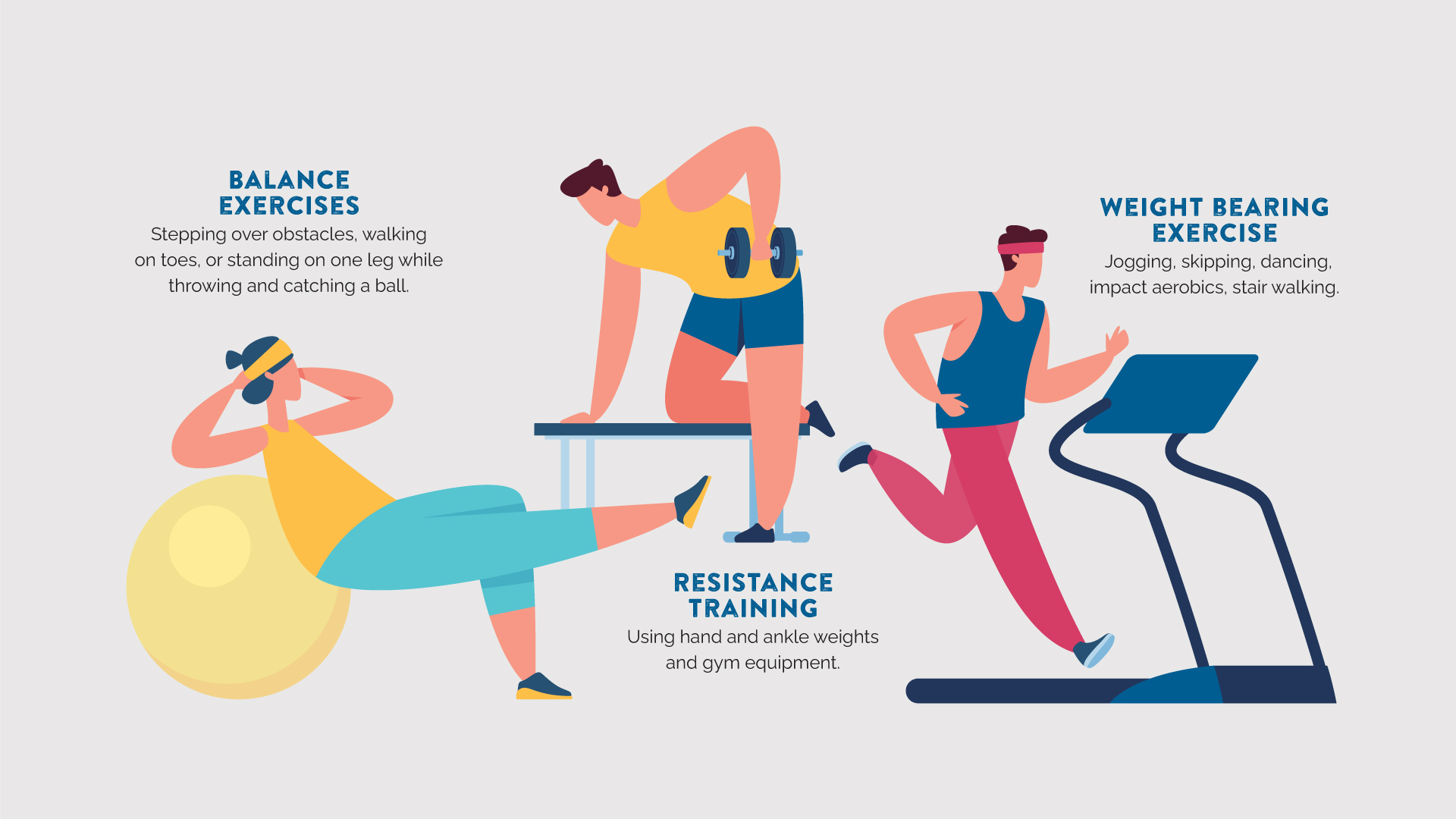
1) Walking and hiking: These are accessible and sustainable. Bone loading from walking is steady, though typically modest. Vitamin D remains important because even consistent loading depends on mineral availability for remodeling.
2) Stair climbing and jogging: These add higher frequency forces. The mechanical “frequency” component tends to strengthen bones more efficiently than purely static loading. Adequate vitamin D helps ensure the body can keep up with mineral deposition.
3) Jumping and plyometrics: Impact-rich movements can provide a potent stimulus. They are valuable, but they also increase the demand for recovery and mineralization. Vitamin D sufficiency supports the rebuilding phase so the adaptive response doesn’t fall behind.
4) Strength training with loaded movements: Squats, deadlifts, lunges, and presses challenge the skeleton through muscular pull and joint reaction forces. These exercises can be extremely effective. However, as intensity rises, so does the need for adequate vitamin D to help calcium absorption meet remodeling demands.
In short, vitamin D doesn’t replace exercise; it upgrades the effectiveness of exercise by improving the body’s internal capacity to translate training into lasting structure.

Sunlight, Diet, and Absorption: The Hidden Pathway to Adequate Vitamin D
Vitamin D is made in the skin through sunlight exposure. Diet contributes some through foods such as fatty fish, fortified dairy, and certain fortified alternatives. Yet real-world variables—latitude, season, skin pigmentation, clothing coverage, cloud cover, and sunscreen habits—can drastically influence production.
Absorption is another hinge point. Even when someone eats enough calcium, vitamin D insufficiency can still limit how much calcium is actually absorbed. That’s why bone-focused strategies often treat vitamin D and calcium as a paired system rather than unrelated supplements. When both elements are aligned, bone remodeling can proceed more efficiently.
Some people also have conditions that impair absorption or processing of vitamin D, such as certain gastrointestinal disorders or liver and kidney issues. In such cases, weight-bearing exercise is still beneficial, but the nutritional foundation becomes even more consequential.
Signs, Testing, and Personalization: Making Bone Care Less Guesswork
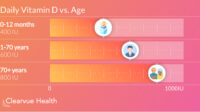
Vitamin D status is best assessed with a blood test measuring circulating 25-hydroxyvitamin D. Symptoms can be nonspecific—fatigue, musculoskeletal aches, or low mood—so relying on how you feel can mislead. Instead, individualized assessment helps match supplementation or nutrition steps to real need.
Bone health is also age-sensitive. Postmenopausal changes, aging-related declines in vitamin D production, and shifts in activity levels mean the “correct” approach differs across the lifespan. People new to exercise may require different staging compared to those with years of training. The most effective plan is not a one-size protocol; it’s a tailored rhythm of loading, recovery, and nutrient readiness.
Practical Guidance: Building a Cohesive Routine for Bone Strength
Start with weight-bearing consistency. Choose activities you can perform regularly—walking, stairs, strength training, or a progressive combination. Then ensure the internal environment is prepared: adequate vitamin D, sufficient calcium intake, and overall nutrition that supports connective tissue repair.
Progress matters. Increase intensity gradually so bones receive a stimulus they can adapt to, not an assault they can’t recover from. Pair training days with good sleep and protein sufficiency, because collagen formation and tissue repair require amino acids and metabolic support.
When appropriate, discuss vitamin D testing and supplementation with a qualified healthcare professional. The goal is not excess; it’s sufficiency. Bone benefit comes from balance, not brute force.
A Stronger Future Lives in the Intersection of Motion and Chemistry
Weight-bearing exercise teaches bones to live with load. Vitamin D teaches the body how to make that load count. Together, they orchestrate a remodeling process that enhances density, improves structural integrity, and supports long-term fracture resistance. The most compelling bone transformation is rarely dramatic in a single day. It is cumulative—built through steps, reps, and nutrient-enabled biology.
When training and vitamin D align, your efforts become more than activity. They become architecture. And architecture, done consistently, is what protects your future movements—quietly, reliably, and with growing resilience.