Vitamin D used to arrive like a quiet sunrise—steady, predictable, and natural. Today, many kids experience something closer to a trickle. Not because their bodies are incapable, but because their environment has changed. Between screen time that keeps them indoors, sunscreen habits that are sometimes overly cautious, and a lifestyle that squeezes outdoor play into smaller windows, vitamin D synthesis can fall short. The result can be subtle at first—then suddenly obvious as fatigue, mood shifts, and a weaker immune posture begin to surface.
What Vitamin D Actually Does for Growing Bodies
Vitamin D is often reduced to a single job—helping with calcium and bone strength. That’s the headline, not the whole story. In children, vitamin D participates in the choreography of growth: bone mineralization, muscle function, and even the signaling pathways that influence immune responses. When levels are low, the body may compensate in ways that feel like “normal childhood” at first—getting tired faster, moving less comfortably, or seeming more susceptible to common infections.
Think of vitamin D as a regulatory conductor. Without it, some instruments still play, but the performance becomes less coordinated. Over time, this disarray can translate into higher fracture risk, slower recovery, and a broader vulnerability during peak illness seasons.
The Indoor Shift: Screen Time as a Vitamin D Thief
Modern childhood is more screen-centered than most adults realize. Tablets, handheld games, streaming videos, and algorithm-driven feeds create a powerful gravitational pull indoors. The issue isn’t merely boredom or convenience—it’s the physics of sunlight exposure. Vitamin D production depends on ultraviolet B (UVB) radiation reaching the skin. When kids spend long stretches in rooms with windows that block or filter UVB, the vitamin D “supply chain” stalls.
Short bursts of outdoor play can help, but heavy screen time tends to compress the day’s sunlight exposure into brief intervals. Even when a child “goes outside,” their time may be spent in shaded areas, under awnings, or near structures that limit direct sun. A few minutes here and there aren’t always enough to maintain healthy status, especially during seasons with weaker UVB intensity.
Parents often notice the downstream effects: a child who seems lethargic after school, restless at bedtime, or irritable in a way that doesn’t match their usual temperament. These symptoms can be multi-causal, yet vitamin D insufficiency is a frequent contributing factor.
Sunscreen: The Safety Tool That Can Become a Bottleneck
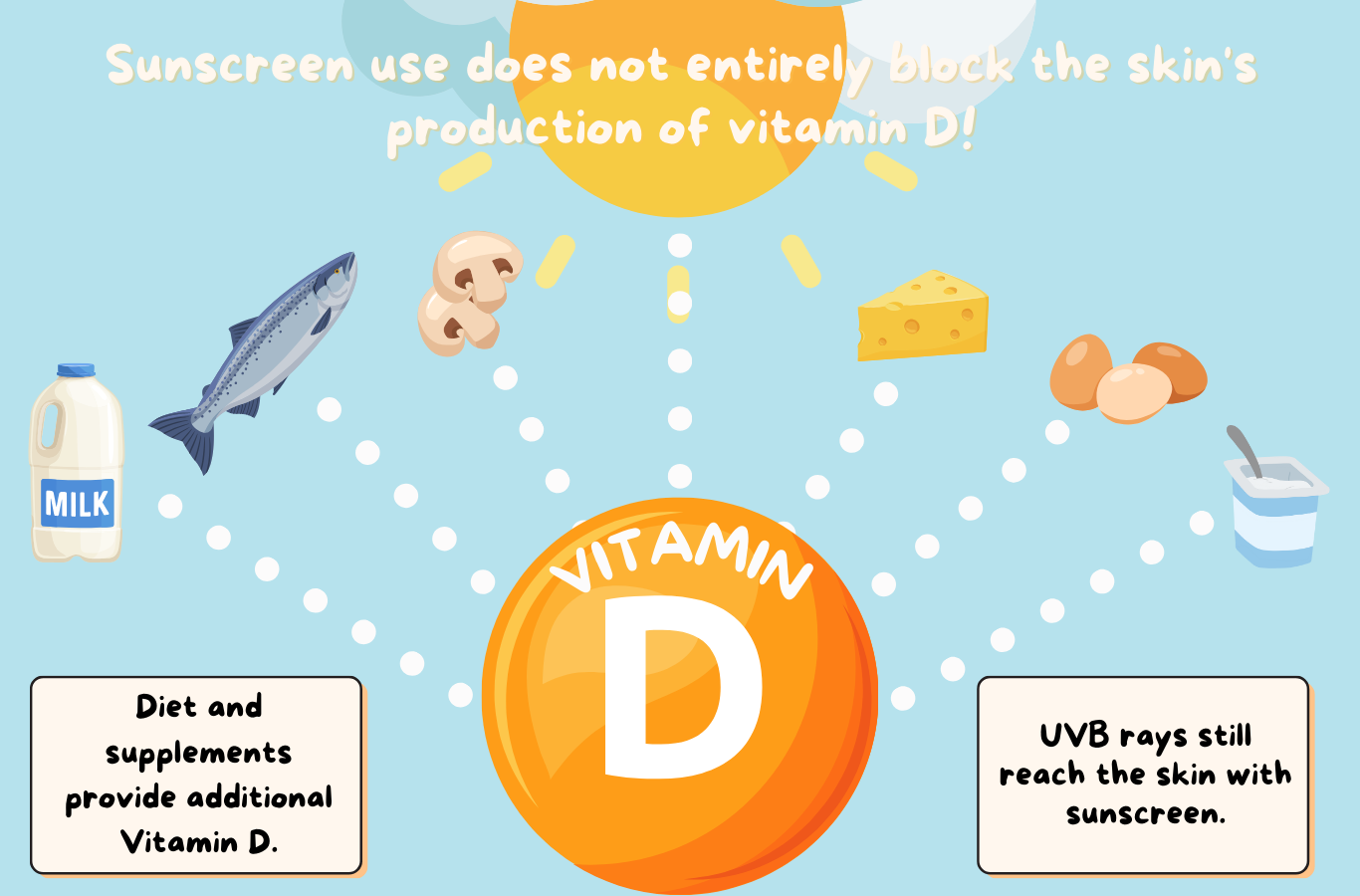
Sunscreen is a non-negotiable part of skin protection. Serious sunburn is harmful, and education around safe exposure should never be diluted. Still, sunscreen can reduce the skin’s ability to synthesize vitamin D because it blocks UV radiation. The nuance lies in timing, coverage, and how “outdoor” is structured throughout the day.
Some families apply sunscreen early and reapply frequently, which is excellent for preventing burns, but it may unintentionally suppress vitamin D production if the child spends most sun-exposed time in a fully coated state. There’s also the practical reality: many kids wear sunscreen on the face and arms but not consistently on legs, and clothing coverage can vary. The more skin sunscreen covers—especially when UVB exposure is already limited—the greater the chance that vitamin D synthesis stays low.
Effective sun protection can coexist with vitamin D awareness. The key is not abandoning sunscreen, but integrating smart outdoor routines that balance skin safety and physiological needs.
Seasonal Sunlight: Why Geography and Weather Matter More Than People Expect
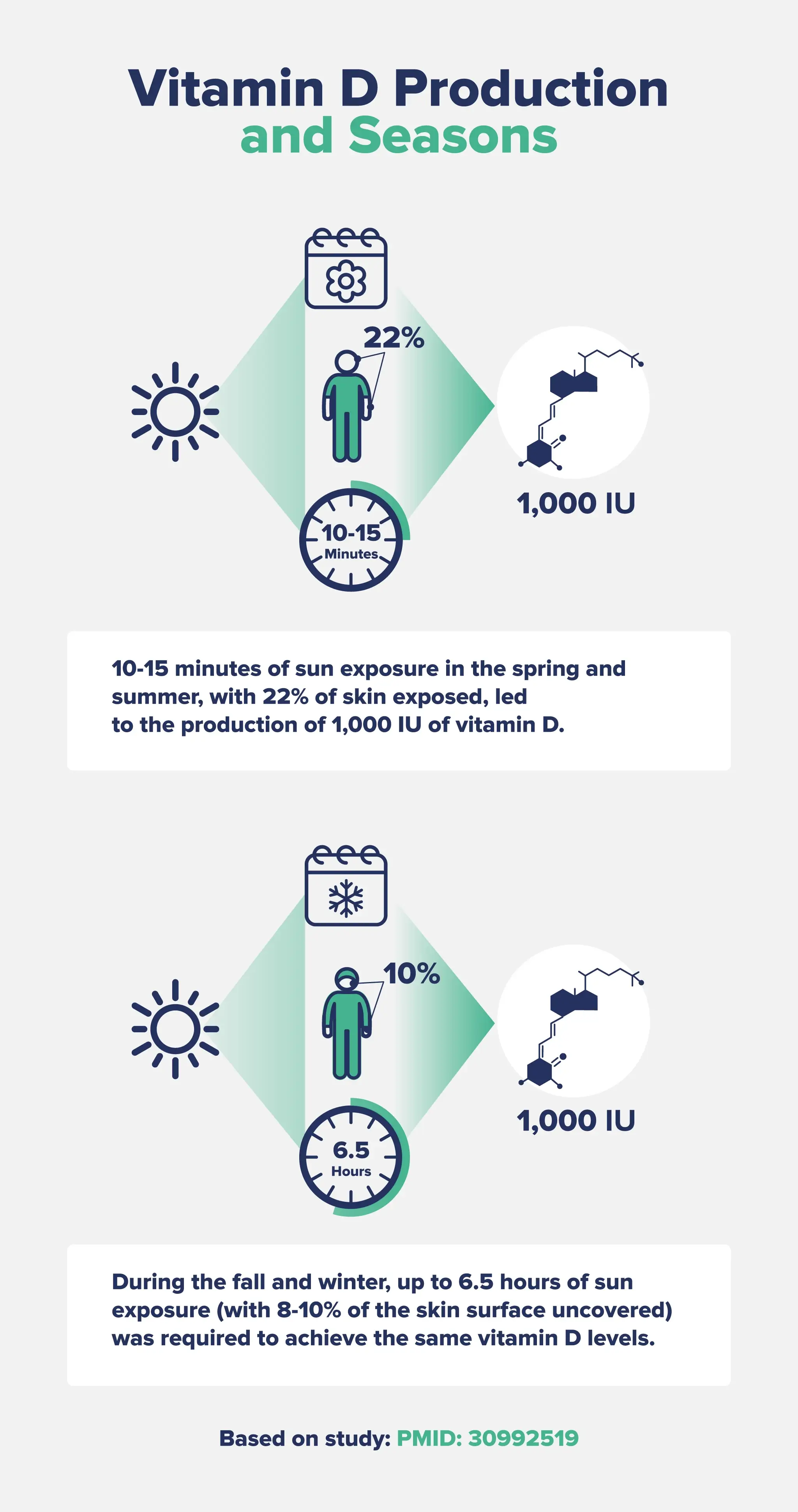
Even enthusiastic outdoor families can struggle when UVB levels are low. Winter months, overcast skies, indoor commutes, and northern latitudes all influence the strength of UVB radiation. A child may be outside for long periods but still receive UVB that’s insufficient for robust vitamin D synthesis.
Urban environments compound the issue. Tall buildings, air pollution, and heavy cloud cover can reduce effective UVB. The consequence is a kind of “false outdoor time”—it feels bright and summery, but the biological signal may be muted.
Seasonal patterns often show up in school-aged kids as a winter wobble: fewer outdoor hours, more indoor sports, and a higher frequency of winter colds. Vitamin D insufficiency can be one reason the immune system seems to run on a thinner margin.
Clothing, Shade, and the Modern Playgrounds
Clothing is protective, and shade is often chosen for comfort. But together, they can quietly reduce UVB exposure. Lightweight fabrics, full-coverage rash guards, and hats can block UVB to varying degrees. Shade from trees, umbrellas, and playground structures is safer for avoiding overheating, yet it may also limit the ultraviolet angle needed for vitamin D synthesis.
Kids also play differently today. Many activities occur on turf fields, in gyms, or on indoor courts. Outdoor play exists, but it’s increasingly scheduled around convenience and supervised commutes rather than unstructured sun-drenched wandering.
This doesn’t mean outdoor time is “bad.” It means outdoor time is changing in quality—less direct exposure, more intermittent exposure, and more reliance on surfaces that limit UVB contact with skin.
Diet: The Quiet Gap After Sun Exposure Drops
When sunlight is reduced, diet becomes the backup system. Yet many children don’t consistently eat vitamin D–rich foods. Fortified options can help, but food choices vary widely by household, budget, and cultural preferences. Some kids dislike certain textures, some families avoid fish, and others simply don’t encounter fortified dairy alternatives often enough.
Dietary vitamin D is helpful, but it rarely fully replaces the version made through skin exposure. That means low sunlight plus insufficient dietary intake can stack the risk in a way that’s easy to overlook.
Parents can look for clues in routine: the frequency of vitamin D–fortified products, the presence of oily fish, and whether breakfast is built around fortified staples or more sporadic snacking.
Signs That Might Point Toward Low Vitamin D
Vitamin D insufficiency can be tricky because symptoms overlap with everyday childhood experiences. Still, patterns matter. A child may show persistent fatigue, muscle aches, frequent infections, or delayed recovery after physical activity. Some kids experience cramps or a general reluctance to participate in sports—subtle, but consistent.
Another sign is mood and sleep disturbance. Vitamin D is not a magic switch for happiness, but low levels can correlate with irritability or disrupted sleep rhythms. Growth spurts can also make deficiency more noticeable, because the body’s demand for bone and muscle support intensifies.
These symptoms are not diagnostic on their own. The only way to confirm is through appropriate evaluation and testing, guided by a pediatric professional.
What Content Readers Can Expect: Practical, Narrative, and Evidence-Informed Guidance
To truly help families, the best vitamin D content doesn’t just list facts. It tells stories that feel recognizable—about mornings spent indoors, afternoons dominated by screens, and sunscreen applied with the best intentions. It also explains the “why” behind each recommendation, translating UVB science into everyday decisions.
Readers can expect three complementary types of guidance:
Practical routines: short, actionable strategies for incorporating safe outdoor time without risking sunburn.
Myth-aware education: clarifying misconceptions, such as the idea that “being outside” automatically guarantees vitamin D adequacy.
Food and lifestyle context: exploring how diet, seasonal changes, and activity patterns interact—so families can adjust multiple levers rather than hunting for a single fix.
This blend turns vitamin D from an abstract nutrient into a lived experience: a set of small decisions that add up.
Helpful Visuals: What Sun Protection and Sun Exposure Look Like
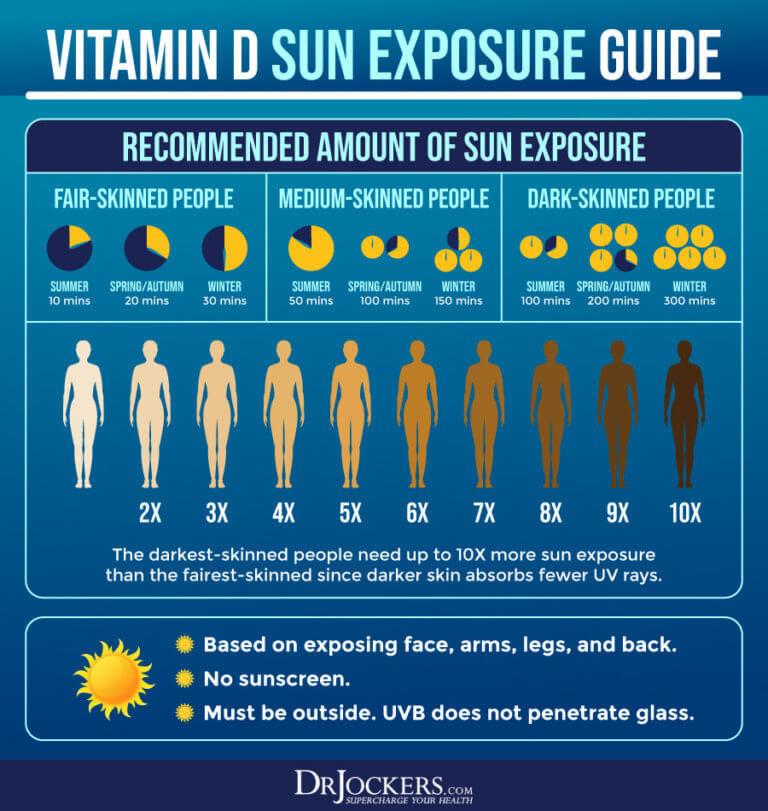
Sometimes understanding comes faster through imagery. A clear visual breakdown can show how sunscreen coverage, clothing choices, and outdoor timing affect skin exposure. Below are example visuals readers often encounter when learning about vitamin D and sun exposure.

A Balanced Next Step: Safety Plus Awareness
The goal isn’t to pit sunscreen against vitamin D. It’s to build a balanced routine that protects skin while supporting healthy levels. When screen time dominates afternoons and sunlight becomes a rarer resource, families benefit from intentional planning: regular outdoor play, mindful exposure during appropriate hours, and nutrition that fills gaps.
For some children, additional support may be necessary—especially in winter, at higher latitudes, or when dietary intake is limited. A pediatric professional can advise based on symptoms, risk factors, and testing. With the right approach, vitamin D can return to its rightful place: a quietly essential companion to growth.