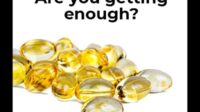
Every month, a familiar shadow seems to drift in—cramps tightening like a quiet fist, mood slipping into a gray weather system, and bloating that makes your body feel like it’s holding its breath. Many people wonder whether a simple nutrient could be part of the answer. Vitamin D, often framed as a “sunshine vitamin,” has become a recurring character in conversations about PMS. But the real question is more intriguing: can vitamin D meaningfully help with PMS symptoms, and if so, why does it appear to affect such different experiences—pain, mood, and retention of fluid?
Why PMS Symptoms Feel So Different (Yet Can Share One Thread)
PMS is not a single symptom—it’s a constellation. Some people mostly notice uterine cramping, others feel irritability and emotional sensitivity, and many report bloating or a “puffy” heaviness. At first glance, these seem unrelated. Pain involves nerves and inflammation; mood involves neurotransmitters and stress circuitry; bloating involves digestion, fluid balance, and hormone signaling.
Still, there’s a unifying theme: PMS often reflects how the body handles hormonal fluctuation. When estrogen and progesterone dip and rebound, they influence inflammatory pathways, the nervous system, and even how the gut and kidneys manage fluid. Vitamin D doesn’t act like a switch that turns PMS off. Instead, it can subtly modulate the internal environment—potentially lowering the intensity of inflammatory signaling, stabilizing mood-related processes, and supporting metabolic functions that affect water retention.
Vitamin D: More Than Bones, More Than Sunlight
Vitamin D is commonly remembered for calcium absorption and skeletal health. Yet it behaves like a hormone in the body, traveling through systems and influencing gene expression. Receptors for vitamin D appear in a surprising number of tissues, including immune cells, brain regions tied to mood regulation, and reproductive-associated pathways.
This matters for PMS because the syndrome is partly an “inflammatory weather report.” Many PMS complaints correlate with elevated inflammatory activity around the menstrual cycle. Vitamin D can influence immune behavior, nudging it away from an overreactive pattern. When inflammation is dialed down, cramping may become less fierce, and the overall sense of discomfort may soften.
There is also a deeper fascination here: the body’s hormonal axis is not isolated. It’s networked. Vitamin D’s influence on immune and nervous systems suggests it could act as an intermediary—bridging how hormone swings translate into symptoms.
Cramps and Inflammation: Could Vitamin D Reduce Pain Signaling?
Menstrual cramps are often driven by prostaglandins—compounds related to inflammation and uterine contractions. When prostaglandins run high, the uterus tightens more intensely, and pain perception can become sharper. Vitamin D is linked to immune modulation and inflammatory regulation, so it may indirectly affect prostaglandin activity.
Some people notice that their cramps improve when vitamin D status is corrected—particularly if they were deficient in the first place. Deficiency can be sneaky. You might feel “fine” year-round, then PMS hits with unexpected force. That mismatch can be a clue: the baseline resilience of the body might have been compromised, and the cyclical hormonal stress exposes it.
Think of vitamin D like a tuning fork rather than a drum. It doesn’t always create the rhythm of pain, but it can influence how loudly the body “rings” when inflammatory signals are present.
Mood Swings, Irritability, and the Brain’s Biochemical Weather
PMS-related mood changes can feel profoundly personal—more sensitive reactions, sudden irritability, low motivation, or tearfulness. These experiences can be driven by neurotransmitter dynamics, stress hormones, and the brain’s response to inflammatory signaling. Vitamin D participates in all three through a chain of biological conversations.
One compelling reason people are drawn to vitamin D for PMS is its relationship with serotonin-related pathways. Serotonin is not just a “happy hormone.” It affects mood stability, appetite, and pain perception. Vitamin D may support the machinery that helps regulate serotonin function, which could translate into fewer emotional aftershocks during the luteal phase.
There’s also a less obvious connection: chronic low-grade inflammation can influence mood by affecting the brain’s immune signaling. If vitamin D lowers inflammatory activity, mood might improve even if hormone levels remain unchanged. In other words, the symptom intensity could be reduced by changing the internal tone of the system.
Short version: mood is not merely psychological during PMS—it can be biochemical and neuroimmune.
Bloating and Fluid Retention: How Vitamin D Might Help the Body Breathe
Bloating can be maddening. It can make clothing uncomfortable, shift digestion into sluggish modes, and create a sense of internal pressure. The menstrual cycle affects fluid balance through hormones that influence the kidneys and the gut. Vitamin D influences metabolic and endocrine functions, which can indirectly support steadier fluid handling.
Another layer involves gut health and inflammation. When inflammatory signaling increases, digestion can become less efficient. Some people experience constipation or slower motility during PMS, which can worsen bloating. Vitamin D’s influence on immune regulation and gut-associated processes may help the digestive system function with less disruption.
It’s not always “water weight” alone. Sometimes bloating is a symptom of how the gut is reacting to hormonal shifts. Correcting vitamin D deficiency may help the body manage that response more smoothly.
So… How Would You Know If Vitamin D Is Relevant to Your PMS?
Vitamin D’s potential effect seems most promising when someone is low on it to begin with. Common clues include limited sun exposure, darker skin pigmentation (which can reduce vitamin D production efficiency), certain dietary patterns, and living in regions with less sunlight during parts of the year.
The most direct approach is testing serum 25-hydroxyvitamin D—a marker that reflects vitamin D stores. If levels are low, addressing them becomes more than wellness branding; it becomes a measurable intervention. If levels are already robust, vitamin D may still support overall health, but it might not dramatically change PMS symptoms.
Curiously, this is where fascination deepens: nutrient effects often look inconsistent across individuals because biology isn’t identical. Some people have a deficiency-driven vulnerability; others have different dominant PMS drivers.
Practical Considerations: Dosage, Timing, and Safety
If you’re considering vitamin D for PMS, treat it like a clinical question rather than a guessing game. Typical supplementation strategies vary by baseline levels, diet, body weight, and medical history. Many people take vitamin D3 because it’s effective at raising blood levels.
Timing also matters less than consistency, but some notice changes sooner when supplementation is started ahead of the luteal phase. If your symptoms reliably peak in the days before menstruation, it may help to begin supplementation earlier rather than waiting for cramps to arrive like an emergency.
Safety is non-negotiable. Vitamin D is fat-soluble, so it can accumulate. Over-supplementation risks hypercalcemia. That’s why discussing dosing with a healthcare professional—and testing levels—is a more stable path than chasing trends.
What Vitamin D Shouldn’t Replace: A Balanced PMS Strategy
Vitamin D is not a stand-alone spell. PMS often responds best to a layered approach: adequate sleep, regular movement, hydration, adequate magnesium and omega-3 intake, stress management, and—when appropriate—evidence-based medications for pain. Lifestyle changes aren’t dramatic, but they can be durable. They build a “buffer capacity” that helps your body absorb hormonal oscillations with less distress.
In that sense, vitamin D fits neatly into a broader wellness ecosystem. It may improve immune tone and metabolic balance, while other strategies address the nervous system, circulation, and gastrointestinal comfort.
When to Seek Medical Advice
Occasional PMS is common, but severe symptoms deserve attention. If cramps are debilitating, if mood changes feel unmanageable, or if bloating is extreme and persistent beyond the cycle, consider medical evaluation. Conditions such as endometriosis, fibroids, thyroid disorders, or anemia can mimic or intensify “PMS.” Testing vitamin D might be helpful, but it shouldn’t delay diagnosis when symptoms are intense.
The Bottom Line: A Plausible Ally, Not a Miracle Button
Vitamin D has a plausible role in PMS symptom support, especially for people with low vitamin D status. Its potential benefits may relate to inflammation regulation, immune-neuro interactions, and metabolic influences that affect pain sensitivity and fluid balance. The allure isn’t just that it’s available—it’s that it could address a hidden foundation under cyclical symptoms.
If you want a practical next step, start with a blood test, then create a safe supplementation plan with appropriate dosing guidance. And remember: even when vitamin D helps, the best outcomes often come from combining targeted nutrition with supportive habits. PMS may be cyclical, but your relief can be strategic.