Imagine your body as a sunlit conservatory. Vitamin D is the steady gardener—without it, the plants of calcium metabolism wither at the edges, even if the room looks bright. Vitamin D3 and D2 are two different seeds. They both grow toward the same mission, yet your doctor may still choose D2 in certain seasons of care. The choice can feel puzzling, almost like being offered a familiar key that turns slightly differently. And yet, there’s often a logic behind it—clinical, practical, and occasionally quietly elegant.
Two forms, one assignment: how vitamin D works in the body
Vitamin D isn’t a simple “vitamin” in the everyday sense. It behaves more like a hormone precursor, a biochemical courier that travels through a sequence of transformations. Once vitamin D enters the bloodstream, it’s metabolized in stages—first in the liver, then in the kidneys—until it becomes the active compound that helps orchestrate calcium absorption and skeletal integrity.
D2 and D3 both participate in this choreography. They differ in their origins and molecular architecture, but the end goal is similar: adequate levels of circulating vitamin D metabolites that support bone health, muscle function, and broader cellular signaling.
So when a clinician prescribes D2, the underlying intention is not “choose the lesser option.” It’s often “choose the option that fits the plan.” Think of it as selecting the right tool for a specific craft—one can be as effective as another, depending on the workshop.
D3 vs D2: origin stories and molecular nuances
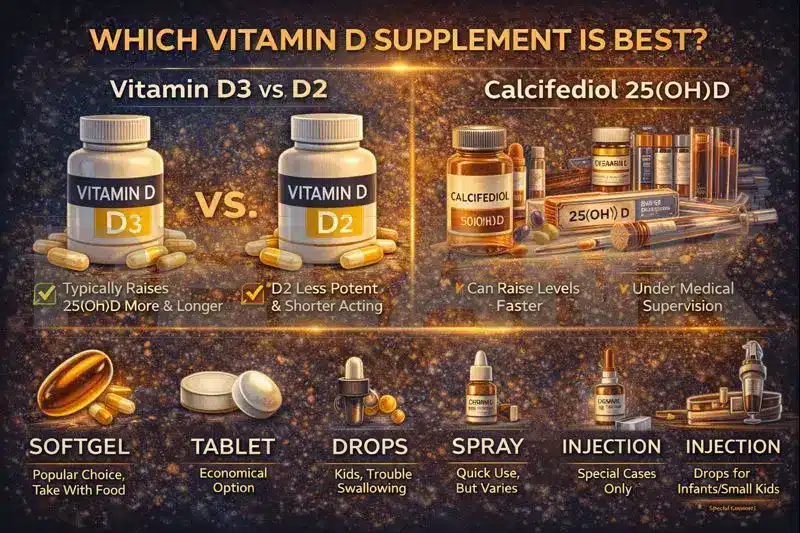
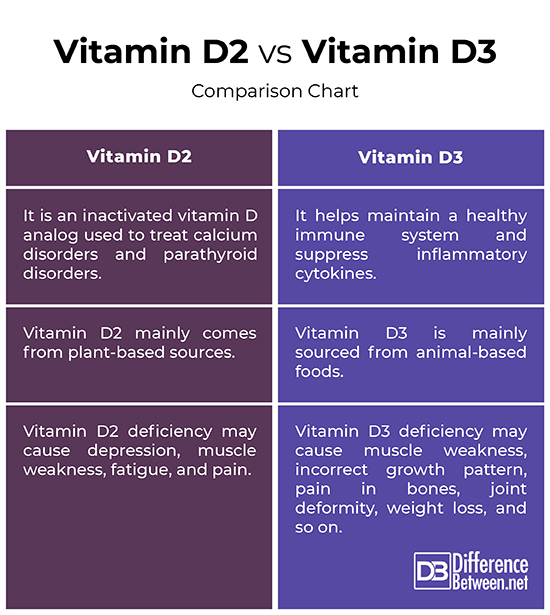
D3 is most famously linked with sunlight and animal-derived sources. Your skin can synthesize it after ultraviolet exposure, and it also appears naturally in certain foods. D2, in contrast, is derived from plant- or fungal-based sources and is commonly used in supplements. The body recognizes both forms, but subtle differences influence how they circulate and how persistently they remain measurable in your blood.
Those differences matter because laboratory measurements are like snapshots. They capture not only what you take, but also how your metabolism keeps it moving—or holds it in circulation—over time.
In plain terms: D2 and D3 may both raise vitamin D levels, but they can do so with different kinetics. That’s where many prescription choices begin.
Why a doctor might still prescribe D2: clinical pragmatism
Doctors prescribe within the boundaries of real life: availability, dosing regimens, insurance formularies, patient preference, and adherence patterns. D2 has often been used in clinical practice for longer periods and is widely stocked in many healthcare systems. When a regimen is already integrated into a clinic’s workflow, it can become a reliable bridge from deficiency to sufficiency.
Another pragmatic factor is dosing flexibility. Some protocols use high-dose schedules for repletion, followed by maintenance. D2 may be selected when that plan aligns well with follow-up testing timelines and the patient’s capacity to adhere to a structured course.
In metaphorical terms, if D3 is sunlight through a window, D2 can sometimes be the lantern placed on the table—controlled, predictable, and easy to manage.
Repletion strategies: “building stores” vs “keeping the lights on”
Vitamin D care often has two phases. The first is repletion: restoring deficient stores. The second is maintenance: preventing them from dipping again. A doctor may choose D2 because it can be effective for a repletion window, especially when paired with follow-up bloodwork to confirm response.
Think of vitamin D as a battery. Some patients need rapid recharging, while others need gentle trickle-charging. In some cases, D2 fits the recharging phase well, particularly when clinicians monitor and adjust based on measured outcomes.
That monitoring is key. No form of vitamin D is universally “best” for every person under every circumstance. The “best” formulation is often the one that brings your levels to target and keeps them there.
Blood test interpretation: why form matters more than you’d expect
Laboratory targets typically focus on 25-hydroxyvitamin D, a major circulating marker. Response to supplementation can vary by baseline deficiency, absorption efficiency, body composition, dietary habits, and metabolism speed.
D2 and D3 can contribute to 25-hydroxyvitamin D, but their relative persistence and conversion patterns may differ. This doesn’t automatically imply D2 “fails.” It suggests that a clinician may interpret trends differently and may choose a dosing schedule that compensates for how levels behave over time.
In practice, doctors use the lab like a compass. If the needle doesn’t move the way expected, the plan can be recalibrated—dose adjusted, adherence reviewed, or formulation reconsidered.
Adherence and tolerability: the quiet determinant of success
Even the most theoretically optimal supplement can underperform if it’s difficult to take consistently. D2 products sometimes come in dosing patterns that are more convenient for certain patients—weekly or intermittent schedules that reduce daily pill fatigue.
Adherence is not a footnote. It is often the deciding factor between a number on paper and a number in reality. A prescription for D2 may reflect confidence that the patient will actually complete the course.
Picture two swimmers. One has superior technique, but struggles to keep pace with the current. The other may be slightly less flamboyant, yet reaches the shore because the strokes are sustainable. In healthcare, sustainability frequently wins.
Special populations: when D2 becomes a reasonable option
Some clinical scenarios can influence which form is favored. Patients with certain malabsorption conditions may require tailored supplementation strategies. Others may have dietary limitations that make D2 more accessible. Those living in regions with limited sunlight or those with prolonged indoor routines may need structured dosing.
In addition, certain healthcare settings rely on standardized protocols. When a clinician is following an established pathway, D2 may be chosen because it integrates smoothly with other parts of the plan—repeat testing intervals, calcium strategy, and follow-up adjustments.
Ultimately, the goal remains consistent: adequate vitamin D status to support bone metabolism and muscular function.
Bone health, muscles, and the “infrastructure” view
Vitamin D supports calcium absorption, which is like ensuring building materials arrive at the construction site. Without it, bones lose their structural confidence over time. The same biochemical support influences muscle performance; deficiency can contribute to weakness and a higher risk of falls.
D2 can still contribute to these outcomes when it effectively raises vitamin D status. Doctors may prescribe it when they anticipate that it will accomplish the measurable goal—improved laboratory levels and, ideally, improved clinical markers like bone health and reduced symptoms.
Think of vitamin D as scaffolding. Whether the scaffolding boards are cut in a slightly different way (D2) or fashioned from a different wood (D3), the crucial question is whether the scaffolding holds enough weight at the right stage of building.
Safety considerations: what to watch regardless of form
Vitamin D is generally safe when dosed appropriately, but too much can lead to toxicity, typically through hypercalcemia. Symptoms can include nausea, constipation, excessive thirst, frequent urination, confusion, and in severe cases more serious complications.
That’s why follow-up matters. If your doctor prescribes D2, they’re not merely dispensing a product—they’re setting a monitored pathway. Blood tests, symptom review, and sometimes calcium evaluation can keep the plan on the safe side of the line.
Different forms are not a free pass. The total dose and duration are the governing variables.
Diet, sunlight, and the blended lifestyle approach
Supplements are often only one piece of a larger mosaic. Sun exposure may help some people, though latitude, skin pigmentation, sunscreen habits, and seasonality influence practicality. Food contributes too, but natural vitamin D content can be modest. Fat intake and overall diet quality also influence absorption.
Many clinicians treat vitamin D supplementation like a bridge—not a destination. The bridge connects current deficiency to long-term stability supported by diet, safe sunlight habits, and periodic laboratory reassessment.
So even if D2 is prescribed now, it can coexist with a broader plan that eventually reduces the need for frequent high-dose supplementation.
Questions to ask your doctor: make the prescription feel less mysterious
When D2 enters the conversation, it’s reasonable to ask why it’s chosen and what success looks like. Consider asking: What target level are you aiming for? How long will the course last? When will re-testing occur? If levels don’t improve, what’s the next adjustment—dose, duration, or switching to D3?
Also ask whether you should take it with food, whether any other supplements (like calcium or magnesium) are part of the plan, and how your specific risk factors—body weight, kidney function, malabsorption history—affect expectations.
These questions don’t challenge authority. They clarify the strategy. Clarity is a kind of medicine too.
The bottom line: “D2 instead of D3” often means “this plan fits you”
Vitamin D3 is celebrated for its sun-linked identity and widespread use, while D2 is sometimes viewed as the alternate path. But medicine rarely operates on popularity alone. D2 may be prescribed because it’s effective within a defined repletion and monitoring strategy, fits a clinic’s protocol, supports adherence, and aligns with real-world constraints.
Both forms can contribute to improving vitamin D status when used thoughtfully. The distinctive appeal of D2 in certain cases is its practicality and its ability to work as part of a monitored, individualized plan.
In the end, the most important “form” is the one that brings your levels to goal—and keeps them there—turning biochemical uncertainty into grounded, measurable progress.