There’s a particular kind of quiet irony in vitamin D: we often think of it as a simple “bone nutrient,” yet it behaves more like a backstage conductor—quietly influencing mood, cognition, and the body’s emotional weather. The question isn’t merely whether you can get vitamin D from the sun or from supplements. It’s which route aligns with your biology, your habits, and your temperament. And once you begin looking at it that way, the usual debate starts to feel less like a yes-or-no argument and more like a choice between two different rhythms—sunlight’s atmospheric symphony versus supplements’ deliberate precision.
Reframing Vitamin D: Not Just a Nutrient, a Mood Signal
Vitamin D is sometimes discussed as though it only serves structural purposes—bones, teeth, musculoskeletal sturdiness. But the narrative expands when you remember that vitamin D receptors are widely distributed in the body, including regions associated with mental health. In other words, vitamin D doesn’t just build the scaffolding of health; it also participates in the biochemical “conversation” that shapes how you feel.
This shift in perspective matters because mood enhancement is rarely a single-switch phenomenon. It tends to be multi-factorial: sleep quality, inflammation tone, stress physiology, social rhythms. Vitamin D can be one of the variables in that constellation. Think of it as a tuning fork—often subtle, sometimes surprisingly resonant, especially when baseline levels are low.
Sunlight as a Circadian Partner: The Biochemical Cascade
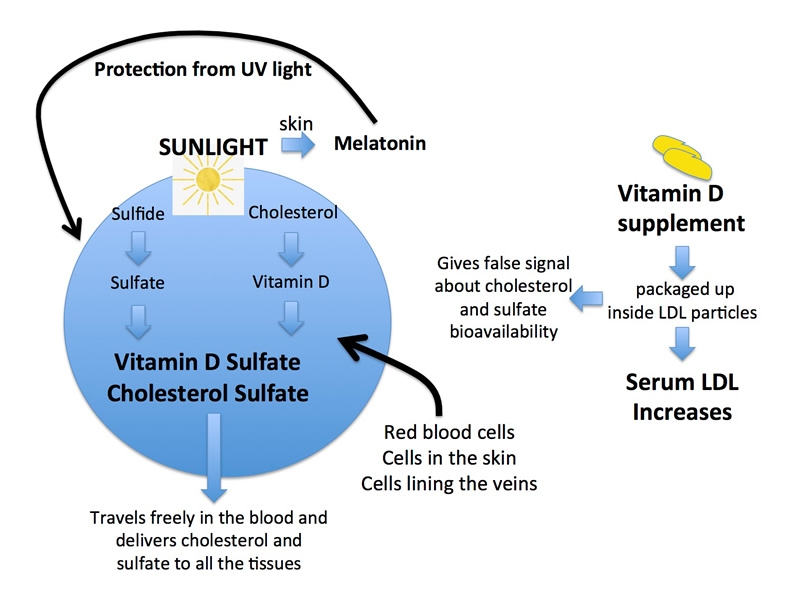
Sunlight is not simply light—it’s instruction. When UVB rays reach the skin, they help initiate the synthesis of vitamin D, which then undergoes transformation through the liver and kidneys. The process is both elegant and slightly unpredictable, like an improvisational jazz set. Time of day, latitude, season, cloud cover, skin pigmentation, and even clothing coverage alter how much usable UVB you receive.
Here’s where the curiosity really ignites: sunlight doesn’t only generate vitamin D. It often supports circadian alignment. Morning or midday exposure can reinforce the body’s timing system—an effect that can indirectly nurture mood. So while vitamin D levels may rise, other “sun-driven” signals may rise too: neurotransmitter regulation, alertness, and the day-night contrast your brain uses like an internal calendar.
In practice, sunlight can feel like the most intuitive approach. Yet intuition doesn’t always translate to consistency. On cloudy days, during long winters, or with schedules that keep you indoors, sunlight becomes episodic. And episodic vitamin D is a bit like trying to maintain a stable climate with occasional bursts of heat.

Supplements as Precision Instruments: Predictability Over Fluctuation
Supplements offer something many people crave: predictability. Rather than waiting on weather patterns, daylight angle, or skin exposure, you choose a dose. This can be valuable when life is structured around indoor work, winter seasons, or cultural clothing practices that reduce skin exposure.
However, predictability has a double edge. With supplements, it’s easy to assume “more” always equals “better,” which is not the case. Vitamin D is fat-soluble, meaning excess can accumulate. A mood-related goal doesn’t require maximal dosing; it requires appropriate dosing—often based on baseline status.
Supplements can also be psychologically clarifying. When you know you’re taking a consistent amount, you can observe patterns without the uncertainty of outdoor exposure. Some people find that clarity reduces stress—another quiet mood enhancer. The brain responds not only to chemistry but to expectation, certainty, and perceived control.
Mood Enhancement: How Vitamin D May Influence the Emotional Landscape
Mood isn’t governed by one molecule. Still, vitamin D may participate in several pathways that collectively influence emotional well-being. It’s been associated with neurotransmitter function and immune modulation. That matters because mood often flares when inflammation is high or when stress hormones remain elevated.
When vitamin D status is suboptimal, the body may behave as though it lacks a specific regulatory signal. Correcting that deficit can sometimes feel like the fog lifts. Not always dramatically, not overnight—but with a gradual, steady shift in energy, resilience, and emotional steadiness.
Sunlight and supplements can both raise vitamin D levels, yet they may do so within different contexts. Sunlight often travels alongside improved sleep timing and increased daytime activity, both of which can influence mood directly. Supplements, on the other hand, isolate the vitamin D variable more cleanly. Think of it like choosing between an orchestra rehearsal and tuning your own instrument—both aim at harmony, but the method differs.
The Hidden Variables: Timing, Skin, and Lifestyle Geometry
Not all sunlight exposure is created equal. Skin type alters UVB absorption and conversion efficiency; darker skin generally requires longer exposure for the same vitamin D production. Latitude and season determine UVB availability. Even the time of day matters: midday UVB is typically more productive than early morning or late afternoon.
Then there’s lifestyle geometry. If your schedule keeps you indoors during peak daylight, sunlight becomes a theoretical strategy rather than a practical one. Supplements can fill that gap elegantly. Conversely, if you can safely incorporate regular outdoor time, sunlight may offer advantages beyond vitamin D alone—especially for mood via circadian reinforcement and behavioral activation (walking, errands, social contact).
Once you start seeing these variables, the question becomes less about “which is better” and more about “which fits your environment.” The best choice is frequently the one you can sustain.
Safety and Strategy: Finding the Sweet Spot Without Overshooting
Whether choosing sun or supplements, the goal is balance. For sunlight, balance means avoiding excessive UV exposure and skin damage. For supplements, it means dosing responsibly and considering lab work when feasible. When vitamin D is too low, mood and energy may feel unstable. When it’s too high, other complications can emerge.
This is where a “strategy mindset” outperforms a “mood fix” mindset. Mood enhancement is not a quick patch; it’s a long game. A calm, measured approach tends to outperform dramatic efforts that people abandon after a week or two.
Imagining Your Best Route: A Personalized Decision Framework
Imagine vitamin D as a lever with multiple connections. Sunlight leverages the whole environment—light, timing, activity, and daily rhythm. Supplements leverage biochemical regularity. Neither approach has to exclude the other.
For some, a blend is compelling: sensible outdoor exposure when possible, paired with supplements during seasons or periods when sunlight is limited. This hybrid approach can feel like using a safety net while still enjoying the natural rhythm of daylight.
Curiosity can be a tool here. Ask: What does your typical week look like? How often do you see daylight? Do you tend to get winter-sunk or screen-stuck? Answering those questions transforms the topic from abstract health talk into a lived plan—one that your mood can actually benefit from.
What to Watch For: Subtle Changes and Feedback Loops
Mood improvements, when they occur, are often incremental. You might notice steadier energy in the afternoon, a less volatile emotional baseline, or improved sleep quality. Sometimes you feel more “coherent”—less mentally scattered, more capable of sustained attention. Other times, the shift is quieter: less irritability, more patience, a more grounded sense of motivation.
It helps to monitor your response as if you’re conducting a gentle experiment. Keep notes on outdoor time, supplement adherence, sleep timing, and perceived mood. Over weeks, patterns emerge. And once you observe patterns, you stop guessing. The body becomes less of a mystery and more of a collaborator.
The Takeaway: Choose the Path You Can Keep—Then Let Your Mood Catch Up
Sun vs supplements isn’t a contest—it’s a coordination problem. Sunlight can serve as a natural mood ally, offering vitamin D production alongside circadian reinforcement. Supplements can deliver reliable vitamin D dosing, reducing uncertainty when sunlight is scarce or inconsistent.
When the decision is aligned with your reality—your latitude, schedule, skin sensitivity, and seasonal variability—vitamin D becomes more than a number. It becomes a rhythm. And mood, like music, often improves when the timing is right.
If you want your mood to feel more dependable, start by shifting your focus from “vitamin D either/or” to “vitamin D strategy.” Then choose the route that lets consistency win—because consistency is where biochemical change becomes psychological change.