Imagine your body as a well-tuned instrument. Vitamin D doesn’t merely “support” the melody—it helps determine whether the notes land with clarity. For women, that clarity matters across decades: from the quiet groundwork of early adulthood to the bold metabolic recalibration of midlife, and onward into the sharp, protective vigilance of older age. Yet vitamin D often arrives in the public conversation as a vague wellness buzzword. What if it’s something more precise—an orchestrator of calcium balance, immune nuance, mood circuitry, and skeletal endurance? Let’s shift the lens. Not “Do I need vitamin D?” but “What changes when it’s present in the right measure?”
Vitamin D Isn’t Just a Vitamin—It’s a Hormone-Like Signal
Vitamin D earns its reputation the moment you consider how it behaves. Unlike many nutrients that simply vanish into daily metabolism, vitamin D acts more like a signaling molecule. Your body can convert it into an active form that communicates with cells throughout the body. Think of it as an interpretive translator between sunlight and function—turning environmental exposure into internal readiness.
This is where the conversation becomes intriguing. Vitamin D doesn’t focus on a single outcome. It touches multiple systems: bones and muscles, immune responses, and even gene expression pathways that influence inflammation and cellular differentiation. In other words, it’s not a one-trick supplement. It’s a regulator of readiness.

Why Women Are Especially Prone to Vitamin D Gaps
Here’s the paradox many women experience: you can feel healthy, move through your day confidently, and still carry low vitamin D reserves. Several factors can quietly tilt the scales. Sun exposure varies by climate, latitude, season, clothing choices, and even time spent indoors. Pigmentation, too, can reduce the skin’s efficiency at generating vitamin D from sunlight, which is why two people living under the same sky may have very different vitamin D status.
Hormonal transitions introduce another layer. Many women notice that aging doesn’t just change how they look—it changes how their bodies handle nutrients. As estrogen declines around menopause, bone remodeling accelerates, and the demand for supportive nutrients becomes more urgent. Add dietary patterns, absorption issues, and the simple reality of getting less sun than desired, and vitamin D insufficiency becomes less “rare” and more “predictable.”
So the curious question becomes: if your body’s signal system is underpowered, what symptoms might show up first?
The Bone Health Chapter: Calcium’s Long-Term Partner
Vitamin D’s most famous role is supporting calcium absorption in the gut. Without adequate vitamin D, calcium can’t be efficiently processed—meaning your bones may receive less of the raw material they require to remain dense and resilient.
For younger women, this may be the foundation phase: building peak bone mass. Peak bone density isn’t just about genetics; it’s also about timing and nutrient adequacy. When vitamin D is sufficient, calcium utilization improves, and bone cells can do their work with greater efficiency.
For women in midlife and beyond, the story changes from construction to maintenance. Bone turnover becomes more active as the body continuously balances breakdown and rebuilding. Vitamin D helps maintain the floor under that balancing act. When reserves are low, the floor becomes shaky—leading to a higher risk trajectory for osteopenia and osteoporosis.
It’s not only about fractures. It’s about the everyday confidence of strength: getting up from a chair, walking without hesitation, and moving without negotiating pain.
Immune Nuance: Vitamin D as an “Immune Player”
Your immune system is not a blunt instrument. It’s a sophisticated, adaptive network that must respond with precision—turning inflammation on when needed, and quieting it when the threat passes. Vitamin D is often described as important for immunity, but a more revealing framing is this: it helps the immune response behave with restraint and coordination.
When vitamin D levels are inadequate, immune signaling can become less balanced. Some studies associate low vitamin D with increased susceptibility to respiratory infections, and broader research explores its role in modulating inflammation. The message isn’t that vitamin D acts like a shield against every illness. It’s that it supports immune choreography—helping immune cells communicate in a more harmonious cadence.
In practice, that means vitamin D adequacy may contribute to resilience. Not instant invincibility—just better odds.

Mood and Cognitive Spark: More Than Sunlight Nostalgia
There’s a reason the word “sunshine” shows up in conversations about wellbeing. Vitamin D interacts with neurochemical pathways and may influence neurotransmitter function. This doesn’t mean vitamin D is a standalone cure for mood disorders. Still, when levels are low, some women experience a subtle dimming—fatigue, low motivation, or a persistent “drag” that feels out of proportion to lifestyle.
Seasonal variation can heighten awareness. In months with less daylight, many people notice changes in energy and mood. Vitamin D provides one potential mechanism—alongside sleep, activity levels, and broader seasonal rhythms.
Curiosity becomes especially valuable here: rather than assuming mood is purely behavioral, consider whether biology may be quietly contributing to the tone of daily life.
Muscle Function and Strength: Preventing the Slow Lean
Strong bones need strong muscles to move them well. Vitamin D supports muscle function through mechanisms that include calcium handling within muscle cells. Low vitamin D can be associated with muscle weakness and reduced physical performance, which is why adequacy often becomes a practical goal for women who want to stay active as they age.
The “slow lean” of aging can be deceptive. It’s rarely dramatic at first. It’s the gradual loss of springiness, the hesitation before stairs, and the shift toward caution. Correcting vitamin D insufficiency may not reverse everything overnight, but it can help your body respond better to exercise—strength training, balance work, and even simple daily walking become more effective when the underlying biochemical environment is supportive.
Heart, Metabolism, and Inflammation: The Hidden Web
Vitamin D’s influence extends into inflammation regulation and metabolic processes. Some women notice that improving micronutrient status aligns with broader wellness goals—better energy, more consistent appetite, and a calmer inflammatory baseline. While no single nutrient is a magic key, vitamin D may act like part of a larger lock-and-key system.
Inflammation isn’t “bad” by default; it’s necessary. But chronic, low-grade inflammation can interfere with metabolic health. Vitamin D is frequently discussed in research exploring immune signaling and inflammatory modulation, which makes it a relevant piece of the cardiometabolic puzzle.
The shift in perspective is important: vitamin D can be approached as a foundational variable—one that affects how other lifestyle efforts land inside the body.
Every Age, a Different Priority: What Changes Over Time
Young adulthood often emphasizes movement, independence, and long-term building. Here, vitamin D supports bone mass development and muscular readiness. Midlife brings hormonal transition and changing body composition. The conversation becomes more protective—maintenance, strength, and immune resilience start to matter more.
Later life introduces new considerations: increased risk of falls, reduced skin synthesis capacity, and the practical reality of less sun exposure. Vitamin D adequacy becomes part of a prevention strategy, not a “later” concern.
Even pregnancy and breastfeeding deserve attention in a tailored way. Vitamin D needs can shift, and adequate status supports maternal health and the complex demands of fetal development. The key is individualized guidance rather than generic dosing.
Supplements and Testing: Turning Guesswork into Precision
It’s tempting to rely on intuition—more sun, more pills, more optimism. But vitamin D works best when monitored with a measure of precision. Blood testing can reveal whether vitamin D stores are adequate, insufficient, or deficient. When you know the starting point, dosing becomes more rational and less arbitrary.
Supplement forms vary. Some people prefer vitamin D3 due to how it’s processed in the body, while others require medical supervision. Whether choosing drops, capsules, or tablets, consistency matters. Vitamin D is fat-soluble, so taking it with a meal that includes dietary fat can improve absorption for many people.
Still, caution is wise. Over-supplementation is possible, and it can lead to unwanted effects. The ideal approach is individualized—guided by lab values, health conditions, and concurrent medications.

Practical Steps: A Calm Plan You Can Start Now
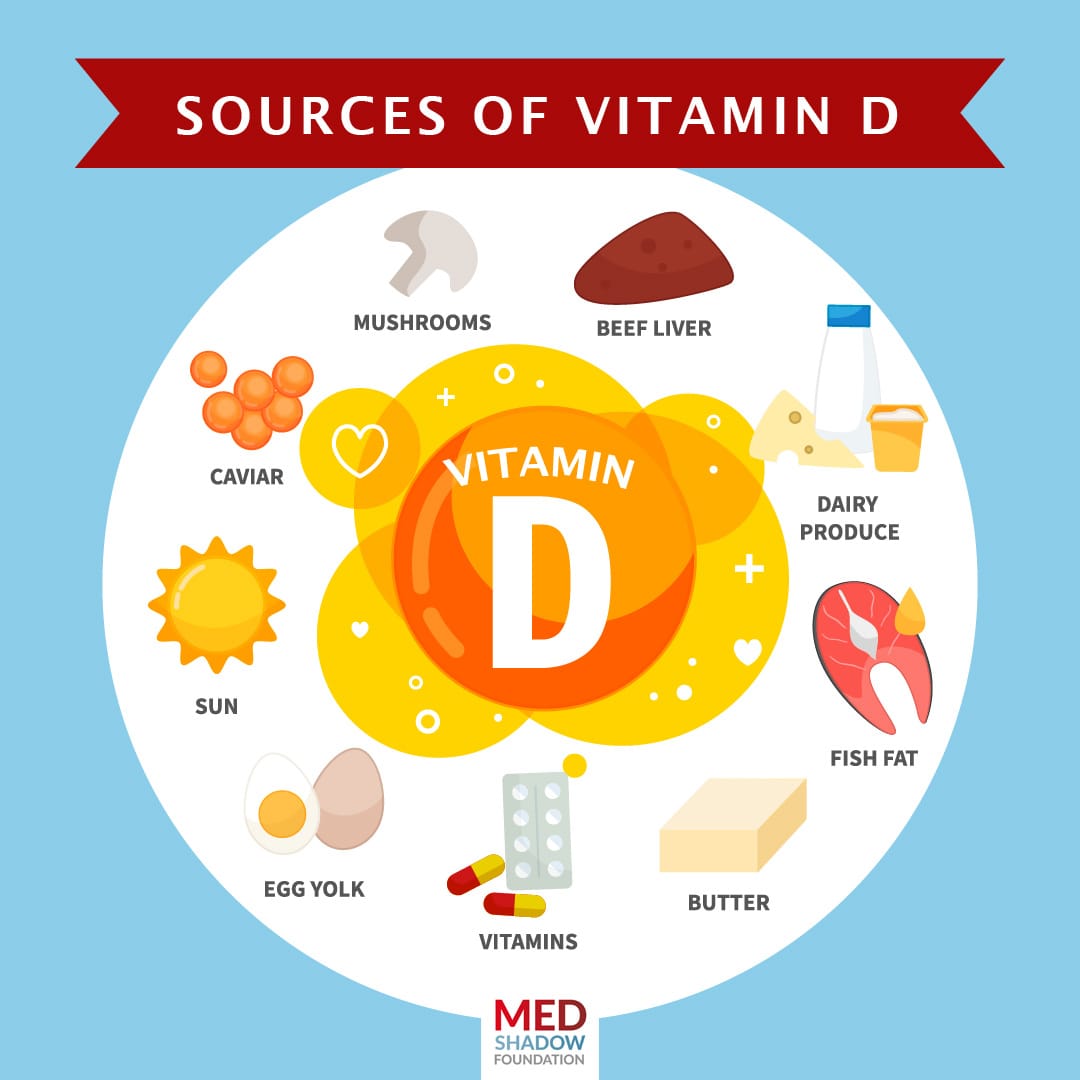
Begin with awareness. Notice how much time you spend outdoors, what seasons look like in your routine, and whether your diet includes vitamin D–rich foods. Then decide whether testing makes sense—especially if you have limited sun exposure, darker skin tones, a history of deficiency, bone health concerns, or symptoms that keep returning.
Next, create a modest, consistent strategy: appropriate supplementation if needed, a meal-based routine that supports absorption, and lifestyle choices that complement biology. Add resistance training and balance work when possible. Vitamin D is supportive—but movement turns support into strength.
Finally, keep the mindset that vitamin D is a long game. The most satisfying results often show up gradually: fewer cracks in energy, steadier muscles, and a body that seems to respond better to everything else you’re doing.
Vitamin D isn’t only essential at every age—it’s essential to how you experience your age. When the signal is tuned, your life feels more “in tune” too.