Ever feel like your body is running a marathon on low battery—yet the finish line refuses to appear? Post-viral fatigue can be maddening. One day you’re “almost back to normal,” and the next you’re wiped out after a short walk, a shower, or even a conversation that doesn’t require much effort. And here’s the playful-but-serious question: what if a sunshine vitamin—one your body usually manufactures with light—could be quietly influencing how you recover?
Why Post-Viral Fatigue Can Linger
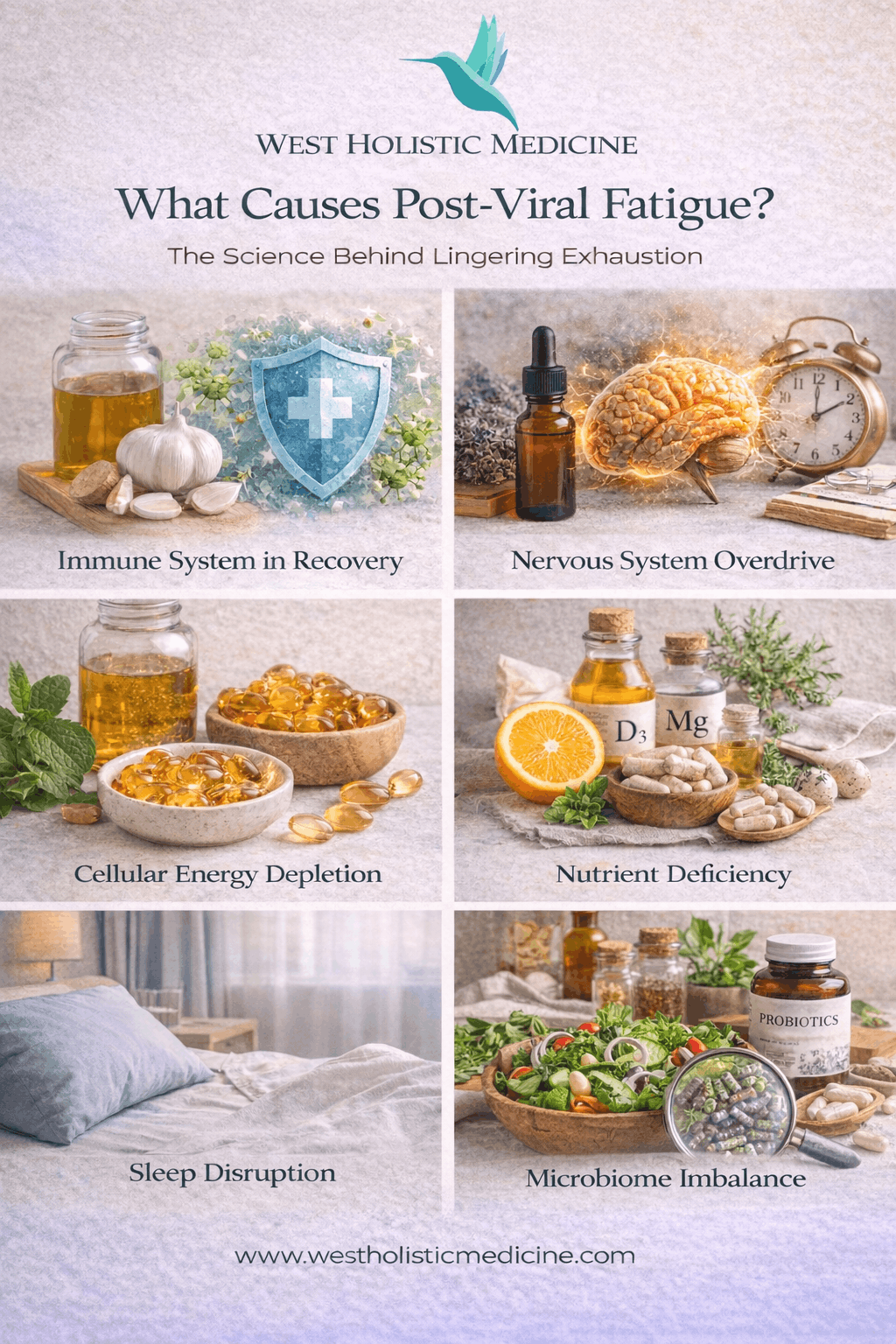
Post-viral fatigue doesn’t always behave like typical tiredness. It can arrive with malaise, brain fog, fluctuating energy, and a strange sense that recovery is “stuttering.” Sometimes the immune system remains in a heightened state, like a smoke alarm that keeps chirping even after the cooking is done. Sometimes inflammation takes longer to settle. Sometimes sleep becomes fragmented, and then the nervous system stays on alert—chronically.
In that environment, vitamin D status becomes more than a trivia fact. It’s potentially part of a larger biochemical conversation involving immune regulation, muscle function, and cellular signaling. Think of it as a molecular referee trying to restore order after the game has gotten chaotic.
Potential challenge: many people assume they’ll feel better on their own and never check their vitamin D status. Others take a generic supplement without considering dosage, baseline levels, or timing. That can turn recovery support into a guessing game.
Vitamin D: More Than Bone Health
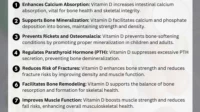
Vitamin D is commonly associated with bones, but its influence is broader and more intriguing. It supports immune function through pathways that help modulate inflammation. It also affects the way cells communicate—by participating in gene transcription regulation through the vitamin D receptor.
When your recovery is complicated by fatigue, your body needs efficient signaling. It also needs to rebuild muscle energetics. Vitamin D may help create conditions favorable for muscular function and recovery processes, especially when deficiency is present.
Picture recovery like restoring a dimmer switch rather than flipping a light switch. Even if the “off” state ends, the dimmer might still be set too low—leaving you feeling drained. Vitamin D could be one of the elements that helps recalibrate that dimmer.

How Vitamin D Might Influence Immune Recovery
After a viral illness, the body often needs time to return to immune equilibrium. Vitamin D is thought to play a role in balancing innate and adaptive immune responses. In practical terms, this can mean less inflammatory “noise” and a more coordinated immune recovery trajectory.
Some individuals experience prolonged symptoms that feel like the immune system never truly clocked out. If vitamin D levels are low, immune dysregulation may be more likely to persist. That doesn’t mean vitamin D is a cure. It means it could be a supportive lever—one that nudges recovery toward stability.
Here’s a useful way to think about it: vitamin D helps the immune system communicate with fewer misunderstandings. Fewer misunderstandings can translate into fewer lingering flare-ups and a steadier return to stamina.
Fatigue, Muscles, and the Recovery “Engine”
Fatigue after a viral event often comes with physical heaviness. Muscles may feel underpowered, and recovery between activity bouts can be slower than expected. Vitamin D is linked with muscle performance and regeneration. In states of insufficiency, the body may struggle with maintaining normal muscle function.
Imagine your recovery engine as a hybrid system. You need both fuel efficiency and control logic. Vitamin D contributes to the control logic—while other factors provide fuel. If vitamin D is missing, the engine may run, but inefficiently.
This matters because post-viral recovery frequently involves pacing: gentle movement, gradual reconditioning, and avoiding the “too much too soon” trap. If muscle function is compromised, pacing becomes harder—because your body offers less predictable feedback.

Signs You Might Need to Check Your Levels
Vitamin D deficiency can be silent. That’s why some people get surprised when a blood test reveals low status. Still, there are clues that can nudge you toward evaluation. Limited sun exposure, darker skin pigmentation (which reduces UV-driven vitamin D synthesis), living far from the equator, colder seasons with indoor time, and dietary patterns low in vitamin D can all increase risk.
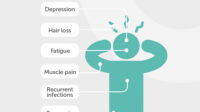
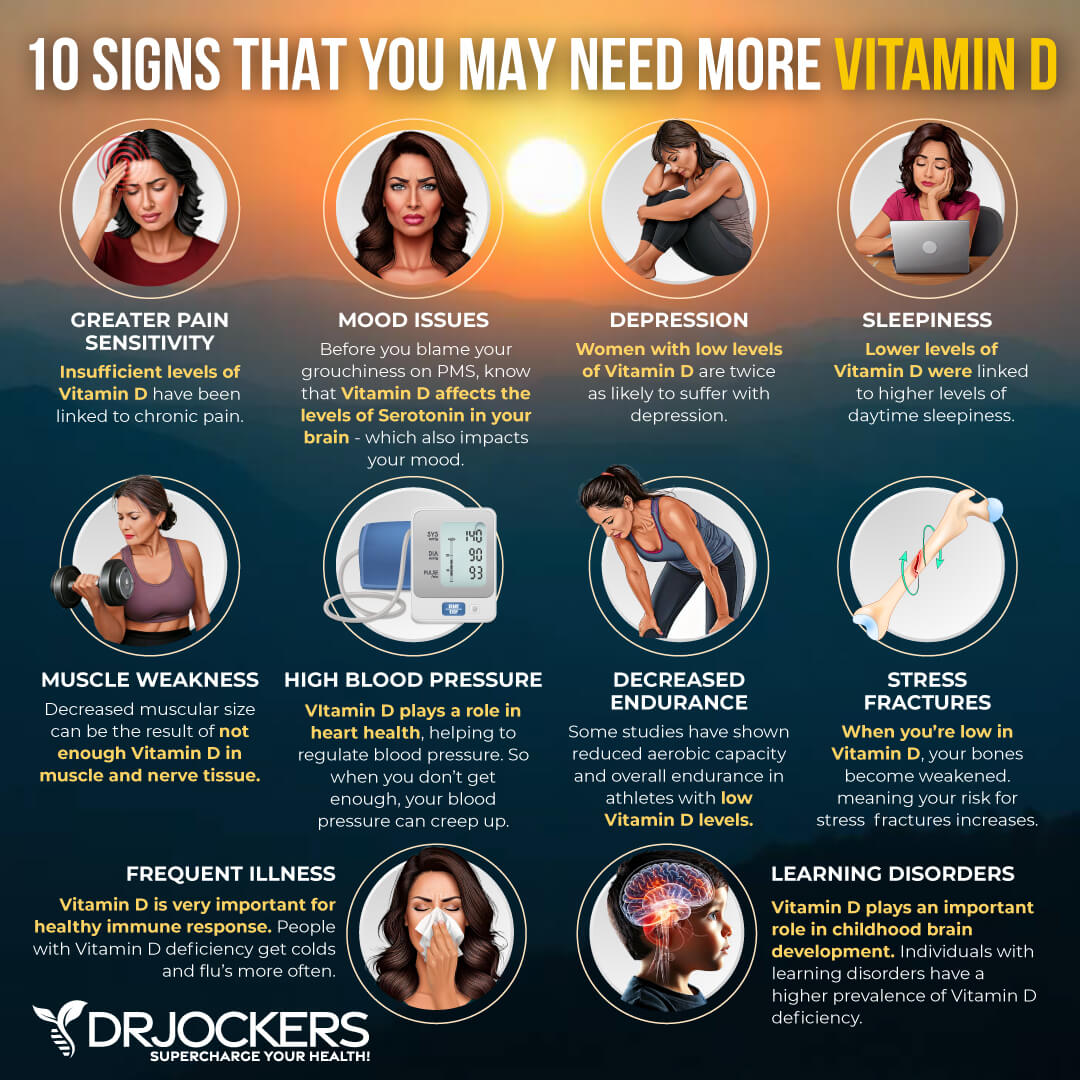
Symptoms are not specific—fatigue has many causes—but low vitamin D status may contribute to overall sluggishness, aches, or low mood. If fatigue is persistent and recovery feels uneven, checking levels can turn uncertainty into a plan.
Potential challenge: relying on symptoms alone. Symptoms are like weather forecasts: useful, but not definitive. Lab testing is the compass.
How Much Vitamin D to Take (And Why Personalization Matters)
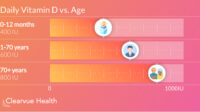
The best vitamin D strategy depends on baseline 25(OH)D levels, body weight, sun exposure, diet, and medical context. A supplement dose that works for one person may be insufficient—or excessive—for another.
Some people choose maintenance dosing. Others require a short corrective phase, followed by a maintenance plan. The goal is to bring vitamin D into a healthy range safely.
Timing can also matter. Many find vitamin D absorbed more effectively when taken with a meal containing fat. Consistency tends to outperform sporadic “catch-up” behavior.
Because vitamin D is fat-soluble, it can accumulate. That’s why professional guidance—especially if taking high doses—is a prudent move.
Pairing Vitamin D With Recovery-Friendly Habits
Vitamin D doesn’t work in isolation. Recovery is a systems-level phenomenon. Sleep architecture matters. Hydration matters. Protein intake matters. Gentle movement matters. Stress regulation matters. Even breathing mechanics matter, particularly after respiratory illness.
Consider building a “support stack.” Vitamin D may assist immune and muscular recovery, while adequate protein provides building blocks. Magnesium and vitamin K2 are often discussed in vitamin D conversations, though supplementation should be tailored to individual needs and dietary intake.
Also consider sunlight as a supplement to supplementation. Safe sun exposure—depending on skin type and local guidance—can complement lab-supported dosing. But if sun exposure is limited, supplements can help bridge the gap.
When to Be Cautious and Seek Medical Guidance
If fatigue is severe, worsening, or accompanied by red flags—shortness of breath, chest pain, fainting, significant weight loss, or persistent fevers—medical evaluation is essential. Post-viral fatigue can overlap with other conditions, and it’s important not to assume a single nutrient is the whole explanation.
Similarly, people with kidney disease, certain endocrine disorders, a history of high calcium levels, or those on medications that affect calcium balance should consult a clinician before starting higher-dose vitamin D.
This isn’t to dampen hope. It’s to keep the recovery plan safe, evidence-informed, and sustainable.
A Simple Recovery Mindset: Steady, Not Spectacular
Recovery rarely behaves like a cinematic transformation. It’s more like the slow turning of a key in a stubborn lock. Vitamin D may help the mechanisms behind the scenes, but it won’t rewrite time itself.
So here’s the challenge again, wrapped in a friendly bow: don’t let fatigue convince you that help is impossible. Ask the next good question—consider checking vitamin D status, discuss appropriate dosing, and pair it with pacing, sleep, and nutrient-dense rebuilding.
When the battery slowly recharges, you’ll notice it in small wins: the walk that doesn’t wreck you, the afternoon energy that arrives on schedule, the mind that feels less foggy. Those wins deserve attention. They’re the body’s way of saying, “We’re not done.”