There’s a quiet kind of curiosity that rises when people notice how often vaginal discomfort, dryness, and recurring infections seem to “move with the seasons.” Cold months, reduced outdoor time, and lower sun exposure can appear to nudge the body toward imbalance. And then—almost like a recurring character in a well-written story—vitamin D reappears. It’s not only about bones. Vitamin D is also a molecular backstage manager, influencing immune behavior, microbial harmony, and the resilience of the tissues that line the vagina. What begins as a common observation can become a deeper fascination: why would a vitamin produced through sunlight so often feel relevant to intimate health?
Vitamin D: More Than a Sunlight Vitamin
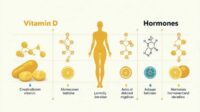
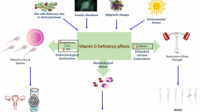
Vitamin D is a secosteroid hormone, meaning it acts less like a simple vitamin and more like a regulator. Your body can synthesize it when skin is exposed to ultraviolet B (UVB) radiation. Once produced or ingested, it travels through a two-step metabolic transformation—first to 25-hydroxyvitamin D, then to the hormonally active form that can interact with cellular receptors. Those receptors are present in many tissues, and the vaginal environment is not exempt.
Because vitamin D signaling touches immune pathways and epithelial function, its influence can feel broad—sometimes subtle, sometimes unmistakable. Think of it as a conductor that tunes multiple instruments. When vitamin D levels are low, the orchestra may still play, but the harmony becomes harder to sustain.
The Vaginal Microbiome and Why Balance Matters
The vagina hosts a living ecosystem, often dominated by lactobacilli that help maintain an acidic environment. That acidity and the protective bioactive compounds produced by lactobacilli can suppress opportunistic microbes. When the ecosystem tilts—through antibiotics, hormonal shifts, stress, hygiene practices, or other disruptions—the protective landscape weakens.
Vitamin D’s interest in this story comes from its immunomodulatory capacity. It can affect how innate immune cells respond to microbial signals, which in turn may influence how readily certain imbalances take hold. In simpler terms: vitamin D may not “create” good bacteria, but it can help the body sustain conditions where the microbiome is more likely to remain stable.
Immune Modulation: The Deeper Reason Vitamin D Intrigues
Many people first learn about vitamin D through its association with immune support. But the mechanism is more nuanced than a generic boost. Vitamin D helps calibrate inflammation. Too little immune readiness can leave tissues vulnerable, while excessive inflammatory signaling can also contribute to irritation and disruption.
In the vaginal region, where mucosal surfaces are constantly interacting with external and internal signals, immune regulation is especially critical. Imagine a thermostat rather than a flashlight. A thermostat doesn’t eliminate darkness; it prevents overheating and freezing. Vitamin D’s role can resemble that stabilization. When levels are inadequate, the immune system may respond in a more chaotic, less coordinated manner—making recurring issues more likely.
Vaginal Epithelial Health and Tissue Resilience
The vaginal lining is not just a passive barrier. It’s an active tissue layer with cells that require a healthy environment to function properly. Vitamin D participates in epithelial homeostasis—supporting how cells differentiate, repair, and maintain structural integrity.
This matters because tissue resilience can influence comfort. Dryness, micro-irritations, and sensitivity can worsen when the mucosa is less capable of sustaining hydration and appropriate cellular renewal. Over time, repeated irritation can amplify discomfort, even if the original trigger was minor.
There’s also an elegance to how vitamin D may intersect with wound-healing pathways. When tissues can recover efficiently, the cycle of inflammation → irritation → further imbalance becomes less likely to lock in.
Dryness, Irritation, and Comfort: How Symptoms Connect
It’s common to hear someone describe dryness, burning, or discomfort during certain seasons, after travel, or around periods of stress. While these symptoms can have multiple causes—including hormonal variations, infections, or dermatologic issues—vitamin D enters the conversation because it supports immune balance and mucosal health.
Low vitamin D is often associated with greater susceptibility to infections in general. When applied to the intimate context, the relevance is not that vitamin D “prevents everything,” but that adequate levels may help the body maintain steadier defenses. Symptom patterns sometimes reflect subtle systemic factors. In that sense, the fascination is logical: intimate health is local, but the body is not compartmentalized.
Hormones, Life Stages, and Changing Needs
Vaginal health doesn’t exist in a vacuum. Estrogen influences the thickness of the vaginal lining and helps shape the microbiome. During life stages such as postpartum recovery, perimenopause, or menopause, estrogen levels can fluctuate or decline. Those hormonal changes can alter pH and microbiome composition, potentially creating conditions where irritation or recurrent discomfort becomes more frequent.
Vitamin D doesn’t replace estrogen, but it can contribute to a broader environment of mucosal support and immune regulation. Some people notice that when they address vitamin D status alongside other health factors—hydration habits, gentle care practices, and clinician-guided evaluation—symptoms become more manageable.
Vitamin D Deficiency: Common Signs and Practical Clues
Vitamin D deficiency can be quiet for a long time. Some individuals experience fatigue, low mood, diffuse aches, or weakened immunity. Yet symptoms are not always specific. That’s why testing is often the turning point between speculation and clarity.
If you suspect low vitamin D, asking a clinician about a blood test can be a more reliable path. It’s easy to overcorrect or undercorrect when relying on guesswork, and vitamin D is a fat-soluble nutrient—meaning it can accumulate. A measured approach helps avoid the temptation of “more is always better.”
How to Improve Vitamin D Levels: Food, Sunlight, and Supplements
Sunlight exposure can help the body synthesize vitamin D, though practical factors—latitude, skin pigmentation, sunscreen use, seasonality, and clothing—affect how much UVB reaches the skin. In many regions, certain months offer limited UVB, making dietary and supplemental strategies more relevant.
Dietary sources include fatty fish, fortified dairy or plant milks, egg yolks, and some fortified cereals. Still, many people find it challenging to reach optimal levels through food alone.
Supplements may be considered, especially when lab results show deficiency or insufficiency. The key is personalization: the right dose depends on baseline levels, body weight, absorption factors, and medical history. If you’re pregnant, managing chronic conditions, or taking medications that affect vitamin D metabolism, it’s wise to coordinate with a healthcare professional.
Vitamin D and Vaginal Probiotics: A Complementary Perspective
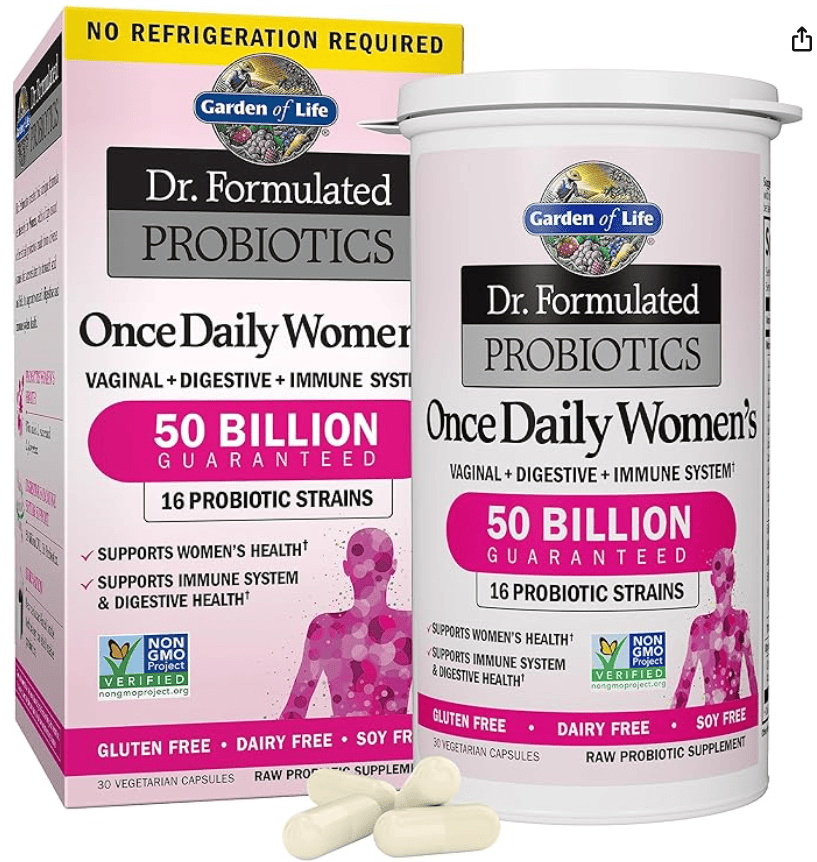
Some people pair vitamin D strategies with probiotic approaches, especially when they’re targeting microbiome stability. Probiotics can introduce beneficial lactobacilli—or support their activity—while vitamin D may help the immune environment remain less reactive and more conducive to balance.
That combination can feel intuitive: one angle works on microbial ecology, and the other supports immunologic “tuning.” Still, it’s important to remember that symptoms should be assessed thoughtfully. Probiotics can be helpful for some, but they aren’t a universal remedy for every cause of vaginal discomfort.
If symptoms are persistent, severe, or accompanied by unusual discharge, odor, pain, or bleeding, professional evaluation is the safest compass.
When to Seek Medical Advice (and Why It’s Not Overreacting)
Vaginal health issues deserve attention, not dismissal. Certain symptoms can signal infections, inflammatory conditions, or dermatologic changes that require targeted treatment. Waiting too long can make recovery harder and increase the likelihood of recurrence.
Vitamin D may contribute to overall mucosal resilience, but it should not be used to replace evidence-based care. Consider vitamin D as part of a wider framework: testing, symptom assessment, and a plan tailored to your physiology.
Building a Balanced Routine: Small Habits, Big Influence
Even when vitamin D status is optimized, day-to-day choices influence vaginal comfort. Gentle hygiene practices, breathable underwear, avoiding harsh irritants, and maintaining hydration can reduce friction and inflammation. Antibiotic courses, new sexual partners, and stress can shift the microbiome; awareness can help you act early.
It’s also worth noting that the body responds to patterns. Consistent support—whether through appropriate vitamin D levels, nutrition, sleep, or stress management—often outperforms sporadic interventions. The fascination with vitamin D becomes clearer when viewed this way: it’s not only a nutrient, it’s part of a long-term equilibrium.
The Bottom Line: A Scientific Bridge to Comfort
Vitamin D can be a meaningful contributor to vaginal health because it supports immune calibration, mucosal resilience, and potentially microbiome stability. The common observation—seasonal or recurring shifts in comfort—often hints at deeper biology, where systemic factors quietly influence local tissue behavior.
If you’re exploring vitamin D as part of your intimate health strategy, start with curiosity, then move toward precision. Testing clarifies. Clinician guidance prevents missteps. And a cohesive routine—nutrition, gentle care, and symptom-informed decisions—helps transform fascination into practical, lasting comfort.