Vitamin D is the sun’s quiet messenger—arriving on your skin like a handwritten note. Yet your body doesn’t live on sunlight alone. It needs building blocks that can help manage inflammation, support healthy membranes, and keep energy metabolism humming. Nuts—those compact, nutrient-dense “storerooms”—offer a fascinating intersection of fat quality and vitamin D–related pathways. If vitamin D is the headline, the right fat profile is the understudy that delivers the final scene with precision. So which nut truly plays the strongest supporting role? Let’s journey through the orchard of fats to find the standout.
Vitamin D: More Than a Hormone, a Regulatory Conductor
Vitamin D is often described as a vitamin, but it behaves like a regulatory conductor. It influences gene expression, calcium handling, immune modulation, and muscle function. When vitamin D status is low, the body becomes less efficient at orchestrating these processes. That’s where dietary fats can become surprisingly relevant—not because fats replace vitamin D, but because fat quality can affect how your system handles fat-soluble nutrients and inflammatory signals.
Vitamin D is fat-soluble, meaning it travels through the bloodstream in a lipid-friendly environment. Think of it as a traveler who prefers roads paved with the right kinds of fats. When your dietary fat pattern is supportive, the overall “transport ecosystem” can function more smoothly. This is not a magic trick; it’s a choreography.
The Fat Profile Prism: Saturated, Monounsaturated, Polyunsaturated
To compare nuts, you need a prism. Not every fat is the same. Saturated fats tend to be more rigid in structure. Monounsaturated fats—often abundant in certain nuts—are like flexible joints, maintaining membrane integrity. Polyunsaturated fats include omega-3 and omega-6 fatty acids, which can be metabolically active and influence inflammatory tone.
A “best fat profile” usually means a balance: enough unsaturated fats to support cell membranes, and a reasonable omega-6 to omega-3 ratio to avoid excess pro-inflammatory signaling. It’s less about chasing one nutrient and more about crafting a lipid landscape where the body’s systems don’t have to struggle to keep equilibrium.
Nuts as Nutrition Capsules: Why Fat Quality Matters
Nuts are not just snack food—they’re portable chemistry. Their fats help maintain the architecture of cell membranes, which affects signaling and permeability. Membranes are like the walls of a theater: if they’re poorly built, even a great performance can’t land.
Additionally, unsaturated fats can modulate inflammatory pathways. Since vitamin D has immune-related roles, there’s a conceptual bridge: supportive fats may help the immune system operate with less friction. Imagine vitamin D as a dimmer switch and fats as the wiring that ensures the light behaves predictably.
Which Nut Offers the Strongest Fat Profile for Vitamin D Support?
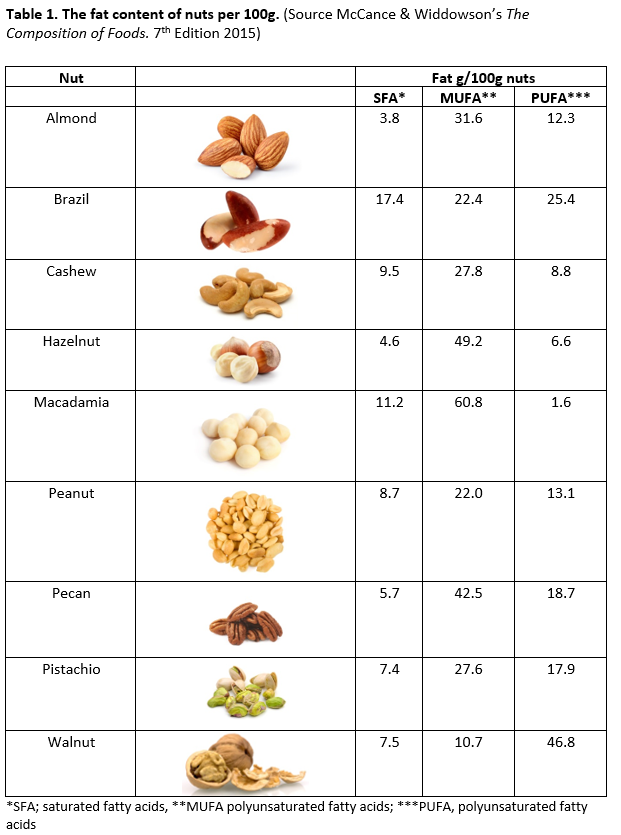
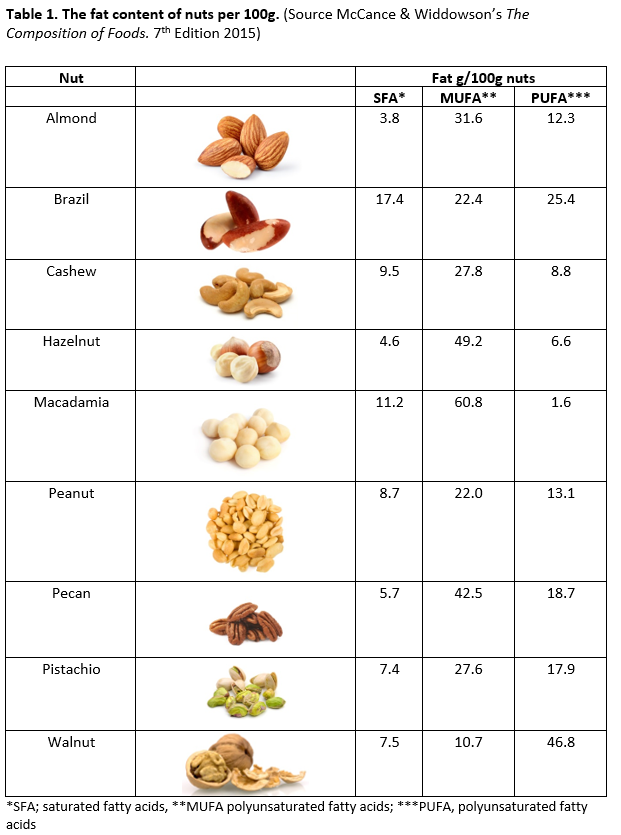
If the goal is a nut that best complements a vitamin D–supportive diet, the leading candidate is typically walnuts. Their fat profile is distinctive because they provide a higher proportion of omega-3 polyunsaturated fats (particularly alpha-linolenic acid, ALA) compared with most other common nuts. Omega-3 fats are often associated with anti-inflammatory potential, which may create a more harmonious internal environment—especially relevant when vitamin D is involved in immune regulation.
Walnuts also offer a spectrum of micronutrients—magnesium, polyphenols, and antioxidants—that pair well with the body’s metabolic needs. However, “best” can be a matter of nuance. If your overall diet already contains ample omega-3s, other nuts with excellent monounsaturated profiles might become equally compelling.
Still, in the “fat profile spotlight,” walnuts tend to stand out for the way their lipid composition leans toward unsaturated richness—an attribute that feels less like a single ingredient and more like an ecosystem.
Walnuts: The Omega-3 Lantern
Picture a lantern in fog. Walnuts don’t just contribute fats; they contribute a directional signal. Their omega-3–heavy tilt can help counterbalance the inflammatory bias that can accumulate when omega-6 intake is high and omega-3 is scarce.
That balancing act matters because fat quality is linked to how immune cells behave. Vitamin D influences immune function, and an environment that supports a calmer inflammatory profile may align well with vitamin D’s regulatory tendencies.
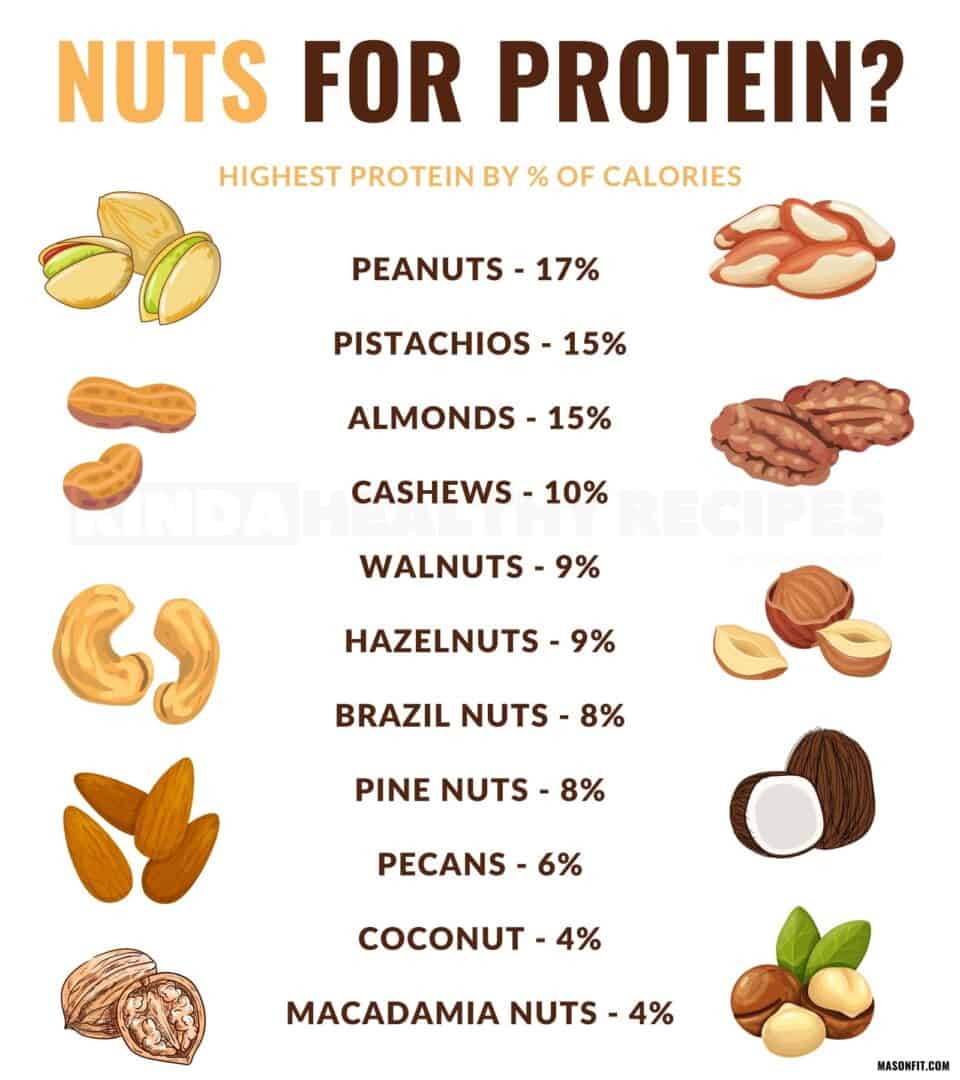
Walnuts have another endearing feature: they taste “deep,” almost earthy. A snack that feels indulgent can help adherence, which is where real-world nutrition wins.
Almonds: The Monounsaturated Backbone
If walnuts are the omega-3 lantern, almonds are the steady bridge. Almond fat is dominated by monounsaturated fats, which support cell membrane stability. This can be particularly useful for diets that aim to reduce reliance on saturated fats.
Monounsaturated fats are often associated with improved lipid profiles in the broader sense. That doesn’t automatically prove a vitamin D effect, but it creates a body environment where fat-soluble nutrient handling is not constantly under strain.
Almonds are also versatile: sprinkle them, blend them, snack on them. Their culinary flexibility makes them easy allies in a long-term routine.
Hazelnuts and Cashews: The Gentle Craftsmen
Hazelnuts bring a mellow, monounsaturated-forward profile. They tend to be less omega-3–intense than walnuts, but their overall fat quality can still be favorable for dietary patterning. Think of them as craftsmen: not stealing attention, but quietly producing solid structure.
Cashews also offer a distinctive fat profile and culinary appeal. They can fit well in mixed nut blends, but their fat composition is typically less omega-3–rich than walnuts. Still, a nut doesn’t need to be the lone hero to be useful. Nutrition is ensemble work. When combined wisely, different nuts can “cover the stage,” so to speak.
Brazil Nuts: A Cautionary Chapter on Nutrient Density
Brazil nuts are often celebrated for selenium. But selenium has a narrow comfort zone: too little is unhelpful, too much can be problematic. Regarding the vitamin D question, Brazil nuts may not be the top choice purely for fat profile optimization, especially if the goal is omega-3–friendly balance.
That said, Brazil nuts can be a thoughtful occasional inclusion. Their unique appeal lies in nutrient density and flavor. Consider them like a rare spice—useful, memorable, and best in measured portions.
Seeds as Supporting Cast: Flax and Chia Near the Spotlight
Though the question focuses on nuts, it’s worth acknowledging that seeds often rival or surpass nuts for omega-3 contributions. Flax and chia are famous for ALA. Their inclusion can sharpen the overall fat profile of your diet, creating a more cohesive vitamin D–supportive framework.
Metaphorically, seeds are like the “supplemental ink” that clarifies the story. Nuts provide texture and satiety; seeds can add the omega-3 punctuation.
How to Choose Your Nut: A Practical Decision Path
Start with your diet’s broader rhythm. If you rarely eat fish and your omega-3 intake is modest, prioritize walnuts. If you want a heart-friendly monounsaturated foundation, choose almonds. If you enjoy variety, build a rotation: walnuts for omega-3 emphasis, almonds for everyday consistency, and hazelnuts or cashews for texture and taste.
Portion matters. Nuts are nutrient-dense, not calorie-free. Think in small handfuls, not endless pours. A disciplined portion is like a good conductor’s baton—precise enough to keep the performance elegant.
Pairing for Maximum Synergy: Timing, Meal Context, and Vitamin D Reality
Vitamin D status depends primarily on sun exposure and, when necessary, supplementation. Food supports the system, but it doesn’t replace sunlight for most people. Still, you can create a more supportive environment by pairing nutrient-dense fats with meals that help absorption and consistency.
Consider eating nuts as part of a balanced plate: nuts with fruit, yogurt or legumes, or alongside vegetables. Fat slows gastric emptying and can support the absorption of fat-soluble nutrients. The meal becomes a micro-climate—stable, supportive, and less likely to feel chaotic.
The Bottom Line: Walnuts Typically Win, But Your Diet Chooses the Finale
When asking, “Which nut has the best fat profile in the context of vitamin D support?” the answer most often points to walnuts—their omega-3–leaning composition gives them a distinctive advantage. Almonds and other nuts still offer valuable monounsaturated fats that support cell membranes and metabolic balance.
The intriguing part is not that one nut is perfect. It’s that fats are a language your body understands fluently—so long as you speak in a balanced vocabulary. Choose the nut that matches your dietary landscape, and let vitamin D’s message arrive on schedule, delivered by a lipid backdrop that’s ready to receive it.