Vitamin D often gets treated like a background character in the theater of reproduction—helpful, quiet, dependable. Yet when hormonal contraceptives enter the stage, the plot can shift. Think of vitamin D as a conductor with a baton made of sunlight. Hormonal contraceptives, meanwhile, are like a rewiring of the orchestra’s wiring: subtle at first glance, but capable of changing who plays when, how loudly, and in what key. The interaction between vitamin D and contraception isn’t a simple “yes” or “no” relationship. It is a dynamic conversation between metabolism, hormone signaling, and the body’s intricate endocrine choreography.
Vitamin D as an Endocrine Interpreter
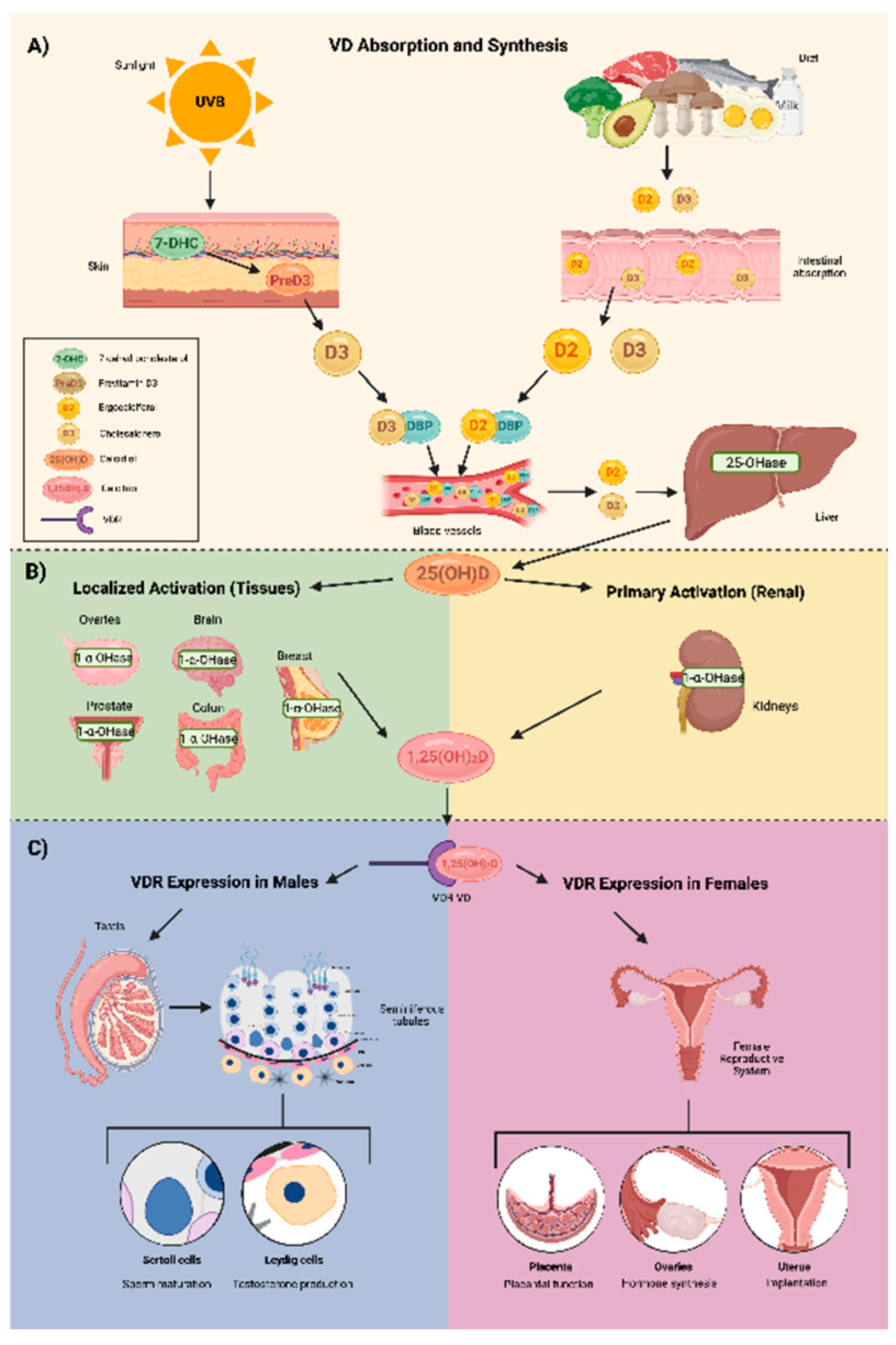
Vitamin D is more than a bone-building nutrient. In reproductive and endocrine contexts, it functions as an endocrine interpreter—translating signals into cellular behavior. It travels through the bloodstream and is transformed into active forms that influence gene expression, immune modulation, and even inflammatory tone. The body treats it like a molecular adjuster knob: turn it up, and certain pathways become more responsive; turn it down, and the system may become sluggish or dysregulated.
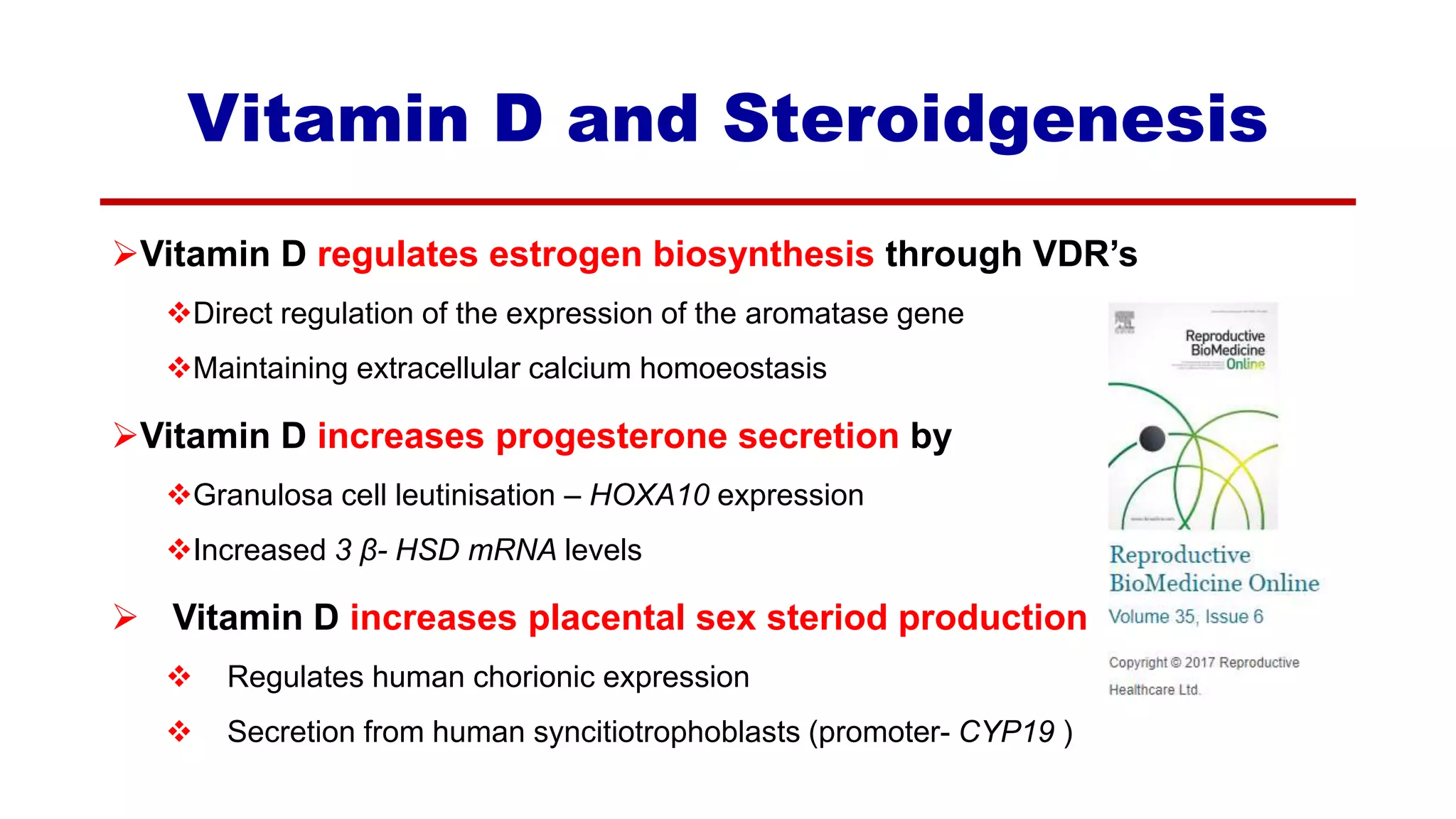
This matters because the reproductive axis is exceptionally sensitive. Ovarian function, cycle regularity, steroid signaling, and tissue microenvironments all rely on a coordinated endocrine network. Vitamin D—by affecting vitamin D receptor activity and related pathways—can influence how tissues “listen” to hormonal messages. When contraception changes hormonal patterns, the listening process may also be altered.
Hormonal Contraceptives: Not Just Prevention, but System Modulation
Combined hormonal contraceptives—typically containing estrogen and a progestin—do more than prevent ovulation. They modify circulating hormone levels, change receptor dynamics, and reshape the hormonal landscape. A key feature is the estrogen component, which can alter hepatic protein synthesis. In plain terms: it changes what the liver produces and, consequently, how hormones are transported around the body.
One of the most important transport-related changes involves sex hormone-binding globulin and other protein pathways. Even when vitamin D doesn’t directly “compete” with contraceptive hormones, the downstream biochemical environment can shift. And in endocrine systems, context is everything. A small change in transport and metabolism can become a larger ripple in bioavailability.
Binding Proteins and Bioavailability: The “Transport Highway” Effect
Vitamin D circulates bound to transport proteins. This means its story is not only about how much vitamin D exists, but also about how it travels and how readily it can enter tissues. When estrogen is introduced through combined contraceptives, it can change the levels of certain binding proteins, potentially influencing vitamin D’s distribution dynamics.
Imagine vitamin D as a suitcase. The suitcase’s contents might be identical, but if the airline (binding proteins and transport systems) changes boarding rules, the suitcase’s destination timing and accessibility can be different. The result can be altered laboratory measures and, depending on baseline status, varying physiological interpretations.
Hepatic Metabolism: When the Liver Becomes a “Re-Programmer”
Estrogen can influence hepatic enzyme activity. The liver is the metabolic re-programmer of the endocrine world: it processes hormones, activates or inactivates signaling molecules, and governs many circulating factors. Vitamin D undergoes metabolic steps in the liver before further activation elsewhere. If estrogen affects hepatic metabolism, vitamin D kinetics can shift.
Short sentences can be revealing here: metabolism is timing. Timing determines effect. So even if vitamin D intake stays constant, the body may handle it with a different rhythm under combined hormonal contraceptives. For some individuals, this could mean vitamin D levels decline, for others it may remain stable, and for a subset it could even rise—especially when dietary intake, sunlight exposure, or supplementation are already strong.
Insulin Sensitivity, Inflammation, and the Reproductive Microclimate
Vitamin D influences immune modulation and inflammatory tone. In reproductive health, the “microclimate” around ovarian and endometrial tissues matters. Inflammation can tilt the reproductive environment, affecting processes like follicular development, implantation readiness, and endometrial receptivity.
Hormonal contraceptives also influence inflammatory signaling and metabolic parameters indirectly. For example, changes in insulin sensitivity and lipid profiles may occur in some users. Vitamin D’s role in metabolic regulation can therefore intersect with contraception-driven metabolic shifts. The interaction becomes less about a single molecule and more about a network—like a city’s traffic system where a change in one intersection affects the entire commute.
Why Baseline Vitamin D Status Changes the Outcome
The interaction is rarely uniform because vitamin D status is not uniform. A person who is already sufficient may experience little noticeable change. In contrast, someone who begins with low vitamin D reserves could be more vulnerable to any contraceptive-related shifts in vitamin D kinetics or transport.
This is the “starting point” principle. Biological systems are iterative. They do not start from zero; they start from history. If baseline vitamin D is low, even a modest change in metabolism or binding can nudge the system toward insufficiency. If baseline is adequate, the system may compensate more effectively.
Clinical Implications: Testing, Interpretation, and Timing
When clinicians evaluate vitamin D under contraception, interpretation matters. Laboratory values reflect what is circulating and how it’s bound, not always what is biologically active inside specific tissues. The presence of combined hormonal contraceptives can change binding protein dynamics, which may alter measured total vitamin D even if free or tissue-relevant activity behaves differently.
Still, testing can be useful for pragmatic reasons. It provides a snapshot of current status and can guide whether supplementation is reasonable. Timing is also relevant: if someone newly starts hormonal contraception, vitamin D-related changes might not appear instantly. The body needs time to reach a new biochemical equilibrium.
Supplementation and Lifestyle: Turning Complexity into Choice
Nutrition and sun exposure remain foundational. Dietary sources of vitamin D include fatty fish, fortified foods, and—depending on local practices—supplementation options. When contraception and vitamin D interact, lifestyle can become a stabilizing scaffold.
Some people benefit from a structured approach: consistent intake, periodic re-evaluation, and attention to seasonal variation. Short term swings happen. Winter and limited daylight can reduce cutaneous synthesis. Hormonal shifts can add another layer. The most resilient strategy is consistency rather than emergency correction.
Special Considerations: Adolescents, PCOS, and Fertility-Adjacent Care
Adolescents may have different nutritional patterns, body composition considerations, and lifestyle constraints, which can shape vitamin D outcomes under hormonal contraceptive use. For individuals with fertility-adjacent concerns—such as polycystic ovary syndrome—both vitamin D insufficiency and endocrine imbalance have been discussed in the broader medical landscape.
Importantly, contraceptives are often prescribed to regulate cycles, reduce androgen-related symptoms, and provide contraception. Vitamin D is not a substitute for hormonal therapy, and hormonal therapy is not a substitute for addressing vitamin D insufficiency when it exists. Yet together, they may influence metabolic health, inflammatory signaling, and cycle regularity in complementary ways—sometimes synergistically, sometimes independently.
Myths and Nuances: Avoiding Oversimplified Conclusions
It’s tempting to frame the interaction as a single statement: “contraceptives lower vitamin D” or “contraceptives improve vitamin D.” Biology rarely complies with such tidy slogans. The truth is more nuanced—shaped by estrogen dose, progestin type, baseline vitamin D status, body mass index, sun exposure, dietary intake, and individual metabolic variability.
Another nuance: “normal” laboratory values might not reflect a person’s lived experience, fatigue, mood changes, musculoskeletal symptoms, or reproductive concerns. Those experiences warrant thoughtful clinical interpretation, not automatic dismissal. Similarly, vitamin D supplementation decisions should not be automatic; they should be tailored, measured, and revisited.
A Balanced Perspective: Partnership Between Molecules and Medication
Vitamin D and hormonal contraceptives interact like two forces in a shared ecosystem. One provides molecular instruction rooted in sunlight and nutrient intake. The other reorganizes hormonal signaling and modifies metabolic and transport conditions. The resulting effect depends on the starting reserve and the body’s adaptive capacity.
In the end, the goal is not alarm. It is clarity. When healthcare providers consider vitamin D status in people using combined hormonal contraceptives, they can better support long-term metabolic health and reproductive well-being. The endocrine system thrives on equilibrium, not on fear. And when vitamin D is treated as an essential interpreter—not a background actor—the conversation becomes more informed, more personalized, and ultimately more empowering.