Vitamin D can feel like a quiet ally—an invisible foreman overseeing bone maintenance, immune signaling, and cellular choreography. But when the dose is cranked up into “high-dose” territory, that same ally can start to resemble a wildfire: potent, swift, and potentially hazardous if the fuel load is misjudged. So the bottom line isn’t simply “helpful” or “dangerous.” It’s a question of calibration, context, and individual biology. High-dose vitamin D may be appropriate for some people under clinical supervision, yet it can also become an uninvited intruder when taken casually.
Vitamin D in Plain Metaphor: The Sun’s Translator
Think of vitamin D as the sun’s translator. Your skin converts sunlight into a precursor, and then your body edits and refines it into its active forms. This circulating nutrient helps the gut absorb calcium, supports bone mineralization, and influences immune responses. Like a librarian retrieving the correct volume, vitamin D helps your body “find” calcium in the right place at the right time.
Under typical circumstances, vitamin D supplementation aims to correct deficiency. High-dose vitamin D, however, is less like topping off a glass and more like refilling a reservoir quickly. That’s why the same nutrient can move from supportive to problematic depending on dosage, duration, and your baseline vitamin D status.
When “High-Dose” Actually Means Something
Not all “high-dose” claims are equal. Some regimens are temporary—used to rapidly correct deficiency—while others are prolonged and self-directed. The term can cover everything from elevated daily dosing to large intermittent “bolus” schedules.
In practice, healthcare protocols often rely on lab measurements, particularly serum 25-hydroxyvitamin D, because that marker reflects the body’s vitamin D stores. Without that context, high-dose vitamin D can turn from targeted therapy into guesswork.

The Beneficial Case: Deficiency, Rescue, and Clinical Logic
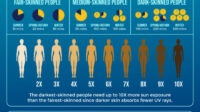
High-dose vitamin D may be helpful when a person is genuinely deficient or at high risk of deficiency. Low vitamin D is often linked to limited sun exposure, darker skin pigmentation, higher latitudes, malabsorption disorders, obesity, certain medications, and older age. When the deficit is real, the “rescue” approach can restore normal calcium handling and improve downstream outcomes.
In deficiency states, vitamin D can support bone health by enabling calcium absorption. It may also help correct secondary hyperparathyroidism—an endocrine compensation mechanism where the body raises parathyroid hormone to maintain calcium levels. Lowering that hormonal stress can reduce bone turnover and stabilize skeletal integrity.
Importantly, benefits are more likely when the dosing is time-limited, monitored, and followed by a maintenance strategy. A short, surgical burst is far different from an unending flood.
The Dangerous Case: Hypercalcemia and the Body’s Alarm System
If vitamin D is taken in excess, it can increase calcium absorption beyond what your body can comfortably manage. The key hazard is hypercalcemia—high blood calcium. This is not a minor annoyance; it can trigger systemic symptoms because calcium is a major player in nerve signaling and muscle contraction.
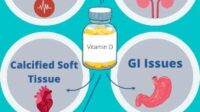
Possible signs include nausea, constipation, excessive thirst, frequent urination, confusion, muscle weakness, and fatigue. In more severe cases, it can contribute to kidney stones, renal impairment, and abnormal heart rhythm patterns.
One metaphor fits especially well: vitamin D excess is like turning up the thermostat for calcium. The body may not “boil,” but it can certainly start behaving as if everything is overheating—internally, not visually.
How It Happens: The Mechanism Behind Vitamin D Toxicity
Vitamin D toxicity is largely mediated through increased serum calcium. When vitamin D levels rise too high, the gut absorbs more calcium. The kidneys may be forced to excrete the surplus, and if that happens repeatedly, crystals can form. Over time, this can compromise renal function.
Another layer is that people can have different susceptibilities. Conditions such as granulomatous diseases (for example, some inflammatory disorders), certain lymphomas, or diseases that increase conversion of vitamin D into active forms can raise risk. Some individuals also have lower tolerance due to underlying metabolic factors.
So while vitamin D itself may be the spark, the “dry forest” includes existing health variables.
Who Should Be Cautious: High-Risk Profiles and Medication Interactions
High-dose supplementation requires extra scrutiny for those with kidney disease, a history of kidney stones, hyperparathyroidism, sarcoidosis-like conditions, or other disorders affecting vitamin D metabolism. Pregnancy, too, is a distinct scenario where safe dosing must be carefully negotiated with clinicians.
Medication interactions matter. Thiazide diuretics can raise calcium levels. Steroids can alter vitamin D activity and calcium balance. Some anticonvulsants accelerate vitamin D metabolism. Cholestyramine and other malabsorption-related medications can reduce absorption. In short, high-dose vitamin D isn’t operating in isolation; it’s moving through a biochemical neighborhood with shared roads.
Symptoms vs. Lab Work: Why You Can’t Always “Feel” Your Way to Safety
Vitamin D excess can masquerade as ordinary illness. Fatigue may look like stress. Constipation can be dismissed as diet-related. Even nausea can be written off as a stomach bug. This is why symptom tracking alone is insufficient.
Clinicians typically rely on lab monitoring: serum calcium, kidney function markers (like creatinine), and vitamin D levels. Sometimes parathyroid hormone is evaluated to understand calcium regulation dynamics. The body’s feedback mechanisms may be slow or ambiguous; lab work is the measuring tape rather than the gut instinct.
Finding the Sweet Spot: Dosing Strategies That Reduce Risk
A safer approach is not to avoid vitamin D entirely—it’s to use it like a precise tool. For deficiency correction, some protocols use higher doses for limited durations, followed by maintenance dosing that matches individual needs.
For many people, moderate daily supplementation plus lifestyle adjustments—responsible sun exposure, dietary sources (fatty fish, fortified foods), and routine monitoring—can be more sustainable than repeated high-dose bursts.
The “sweet spot” is different for each person. Baseline levels, sun habits, diet, body composition, and comorbidities determine where that spot lies.
Bone Health, Immunity, and the Temptation of Oversimplification
Vitamin D is often marketed as a universal shield. Bone health is one domain where it clearly matters, but immunity is more complex. Research findings vary across outcomes, partly because vitamin D status, baseline health, and dosing regimens differ widely.
So if someone takes high-dose vitamin D hoping for broad benefits—better immunity, more energy, improved mood—the risk calculus shifts. The body’s systems are not vending machines. You can’t assume that “more” equals “better,” especially when the nutrient is fat-soluble and accumulative.
Practical Safety Checklist: A Calm, Rational Way Forward
Before taking high-dose vitamin D, consider a few grounding steps. First, test vitamin D status if feasible—especially if you have risk factors. Second, discuss dosing with a healthcare professional, particularly if the regimen extends beyond a short correction window. Third, monitor calcium and kidney function when high doses are used. Fourth, avoid stacking supplements unknowingly; multivitamins, fortified drinks, and separate vitamin D products can overlap.
Finally, treat symptoms seriously. If nausea, dehydration, frequent urination, confusion, or weakness appears during aggressive supplementation, it deserves prompt medical evaluation.
The Bottom Line: Helpful in the Right Dose, Dangerous in the Wrong Pattern
High-dose vitamin D can be helpful when deficiency needs correction and when dosing is structured, time-limited, and guided by labs. It becomes dangerous when it’s taken as a casual lifestyle hack, prolonged without monitoring, or used despite conditions that heighten risk.
The real lesson is metaphorical but practical: vitamin D is both a scaffold and a spark. In the right hands and under the right measurement, it builds. In the absence of calibration, it can burn.
Choose the route of precision over assumption. Let biology, labs, and careful dosing lead the story—because the best outcomes are rarely the loudest; they’re the most thoughtfully engineered.