Vitamin D is often described as sunshine in pill form. For many people, that metaphor holds true—gentle, reliable, restorative. But every story has an overreach, and too much vitamin D can turn that sunshine into something sharper. When the body’s calcium “currency” gets overprinted, it can ripple through nerves, kidneys, heart rhythm, and even the way you interpret thirst and fatigue. Knowing when vitamin D toxicity is more than a bad supplement day—and when it becomes an emergency—can be the difference between a quick correction and a prolonged medical ordeal.
How Vitamin D Toxicity Happens: The Body’s Calcium “Overdraft”
Vitamin D’s main job is to help the intestines absorb calcium. In a well-calibrated system, calcium supports bone architecture, muscle contraction, nerve signaling, and vascular function. Yet when vitamin D intake rises beyond what the body can metabolize, calcium levels may climb into dangerous territory. Think of calcium as the bricks in a building: the body needs them in a measured supply, but not a flood that undermines the foundation.
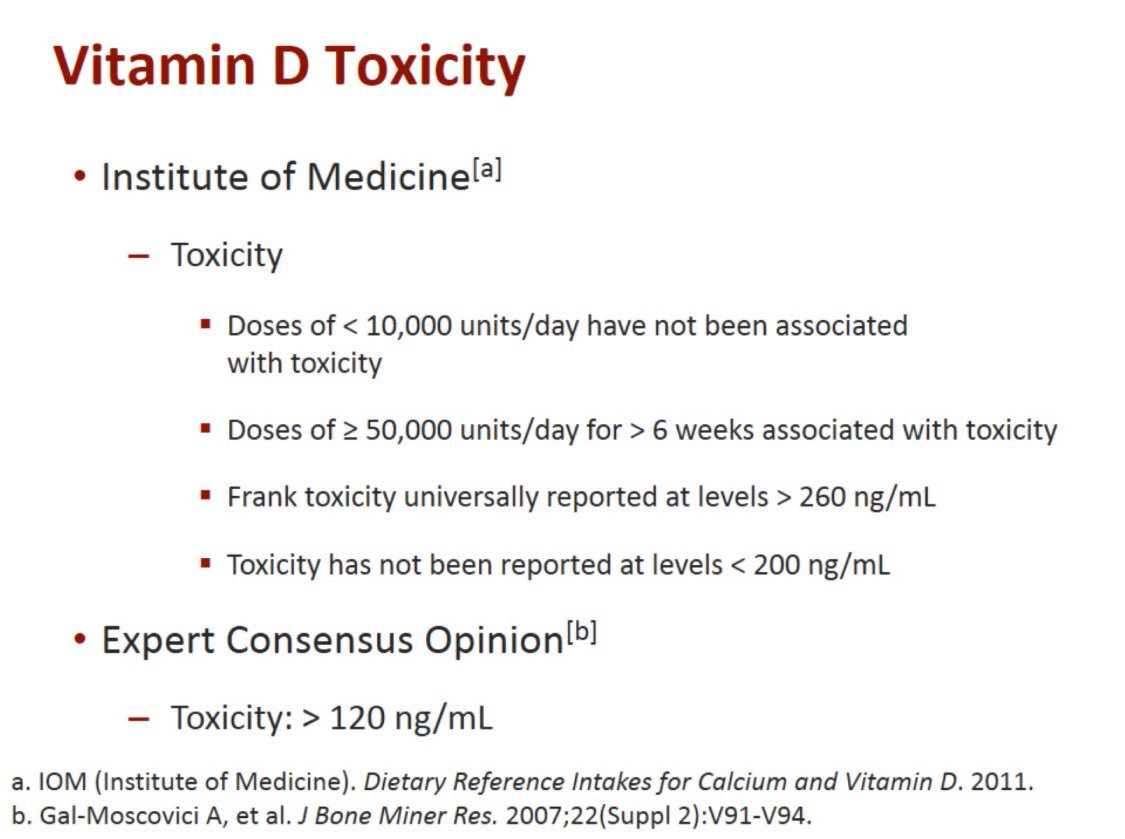
Vitamin D toxicity is sometimes slow-brewing, especially with high-dose supplements. It may also follow accidental overconsumption—multiple products stacked, dosing errors, or supplement “upgrades” without appropriate lab monitoring. The liver and kidneys can only buffer so much before they begin to struggle, and the earliest symptoms can be deceptively ordinary: nausea, constipation, unusual fatigue. In that liminal zone, your body may look like it’s “coming down with something,” but it’s actually recalibrating to chemical imbalance.
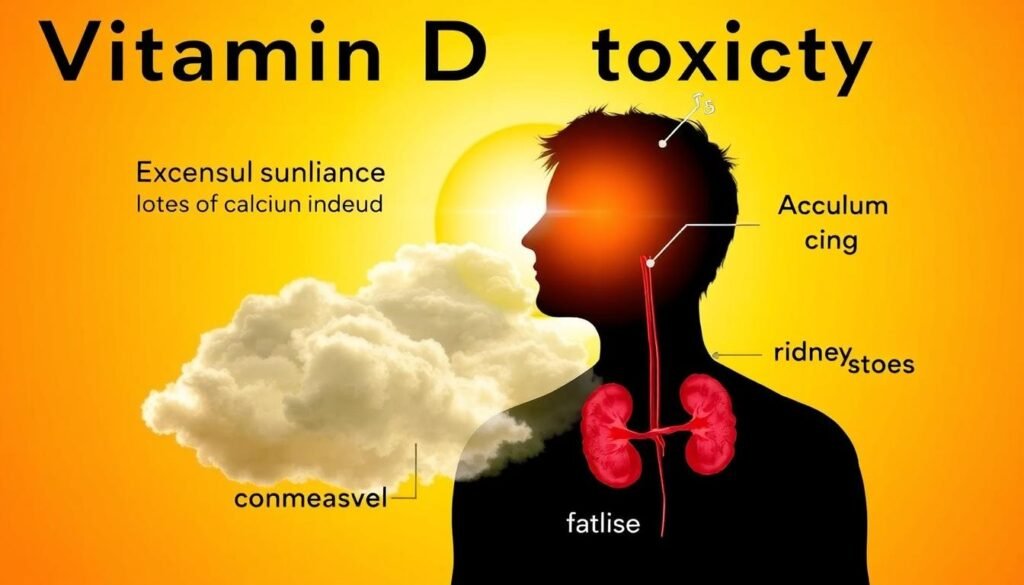
One of the most consequential outcomes is hypercalcemia, an elevated calcium state. Hypercalcemia can affect nearly every organ system. The danger is not just the number on a lab report—it’s the way calcium influences electrical activity, fluid balance, and inflammation pathways.
Early Warning Signs: When the “Sunshine” Starts Acting Strange
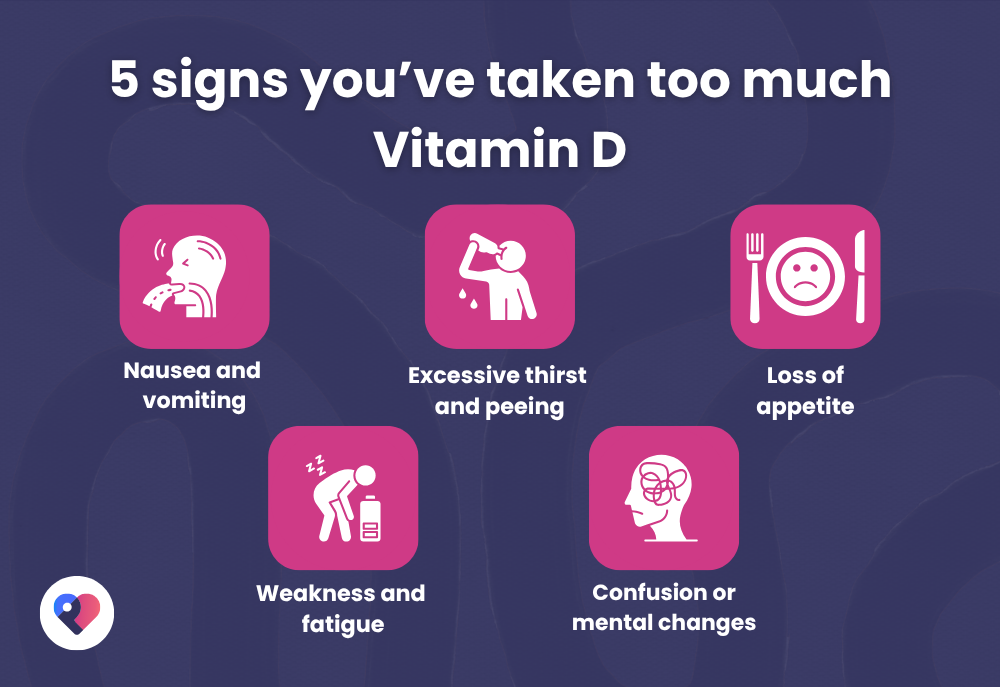
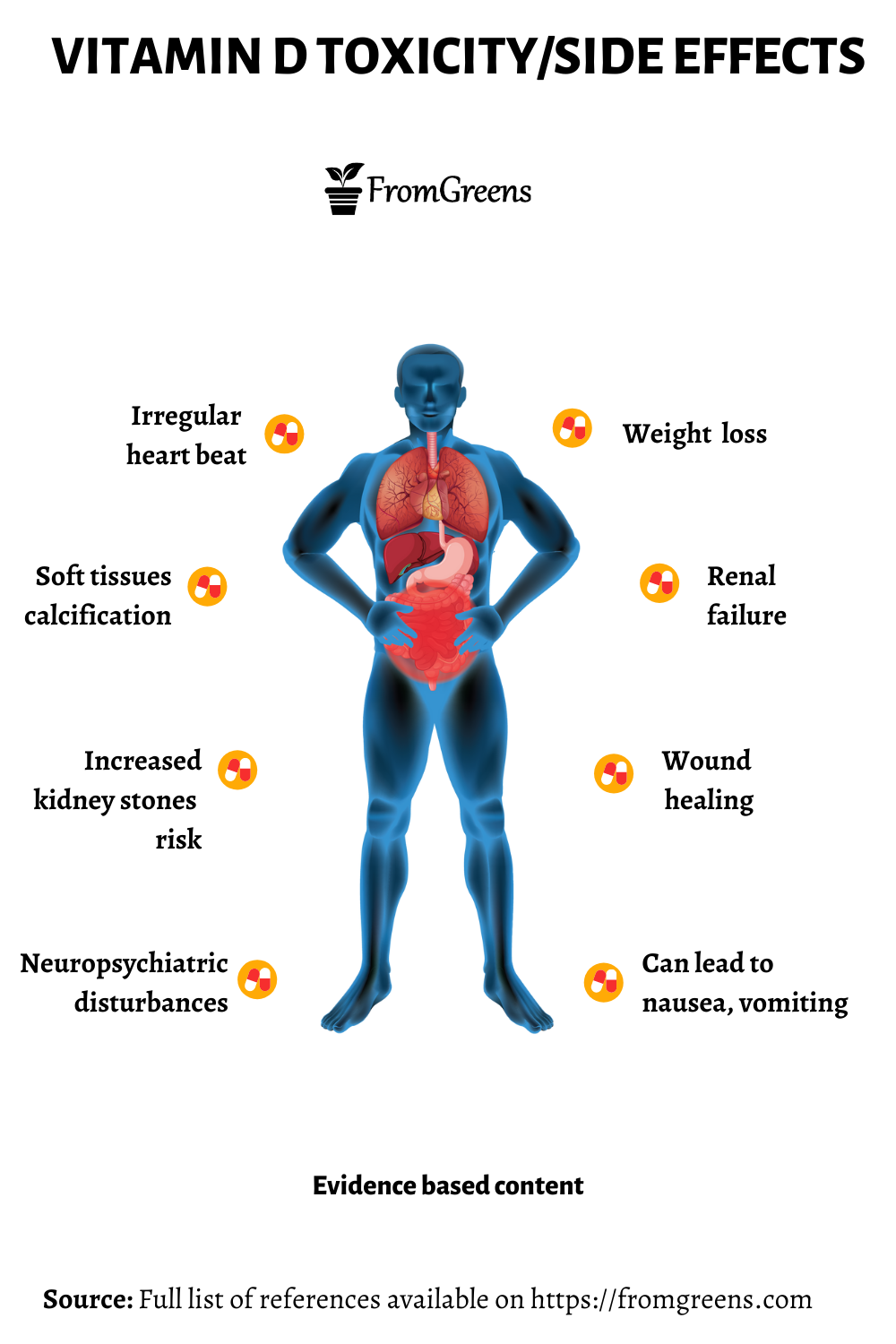
Early signs of vitamin D toxicity are often vague, which makes them easy to dismiss. A person may feel persistently weak, unusually drowsy, or mentally foggy—like the lights are on but the brain’s wiring is running on low voltage. Other early hints include loss of appetite, nausea, vomiting, constipation, and increased thirst.
Thirst is a classic bell in this scenario, but it can be missed because thirst is common during heat, illness, or stress. Hypercalcemia also can lead to frequent urination. The body tries to shed excess minerals, and kidneys become the reluctant cleanup crew. If thirst and urination escalate rapidly, that’s not just discomfort—it’s a sign of systemic tension.
Some people notice muscle aches or cramps. Others describe abdominal discomfort that seems unrelated to diet. When symptoms persist after stopping the supplement—or worsen—your body is essentially waving a red flag with a slightly delayed signal.
Progression: What Happens as Calcium Levels Climb
As vitamin D toxicity intensifies, the chemistry becomes increasingly disruptive. Calcium can alter the electrical gradient used by the heart and nerves. That means early GI symptoms may be followed by neurological and cardiovascular symptoms. Confusion, lethargy, or difficulty concentrating can appear. Severe cases can lead to dehydration and kidney stress.
The kidneys may experience reduced efficiency in filtering and concentrating urine. Over time, calcium deposits can contribute to kidney injury. This is where the metaphor shifts from “sunshine” to “calcification”—the body’s internal environment becoming too mineral-rich to function gracefully.
If vomiting continues, the risk of dehydration rises quickly. Dehydration itself can worsen kidney function, and kidney strain can further amplify the problem. It’s a feedback loop: toxicity causes symptoms, symptoms drive dehydration, dehydration intensifies vulnerability.
ER vs. Urgent Care: How to Recognize the Line
Not every case requires emergency care, but certain patterns do. Consider the emergency room when symptoms suggest significant hypercalcemia, dehydration, kidney involvement, or dangerous neurologic/cardiac effects.
Go to the ER or call emergency services if you experience:
1) Severe vomiting or inability to keep fluids down, especially if accompanied by marked weakness.
2) Confusion, severe drowsiness, or altered mental status.
3) Signs of dehydration such as dizziness, fainting, very low urine output, or extreme dry mouth.
4) Persistent severe abdominal pain or worsening constipation with significant discomfort.
5) Chest pain, palpitations, or shortness of breath, which could indicate rhythm disturbances.
6) Signs of kidney trouble such as flank pain (pain in the side/back below the ribs), reduced urination, or swelling.
If you’re unsure, treating uncertainty as risk is usually wiser. ER clinicians can quickly check calcium levels, kidney function, and ECG changes. Urgent care may be appropriate for milder symptoms with stable vitals—but the threshold for escalation should be low if symptoms are progressing.
Metaphor in Medicine: The “Mineral Flood” and the Body’s Panic Brake
Imagine your body as a finely tuned canal system. Vitamin D opens gates that let calcium flow into the bloodstream. With proper dosing, the canal is measured and calm. With excessive vitamin D, the gates overrun—water surges, banks erode, and every downstream mechanism strains.
In this metaphor, hypercalcemia is the floodwater rising. At a certain height, the panic brake triggers: nausea and thirst become the earliest sirens; later, confusion and dehydration are like the collapse of the levee. When the overflow threatens vital structures—especially the heart rhythm or kidney filtration—the response must be immediate.
This is why timing matters. Toxicity isn’t always dramatic in the beginning. The body often tries to compensate. But compensation is not cure. Once the biochemical terrain crosses a safety threshold, the ER becomes the right kind of intervention: fast, controlled, and equipped to interrupt the cascade.
What the ER Typically Does: Rapid Assessment and Calcium Control
In the ER, the clinical focus is speed and precision. Expect blood tests for calcium, kidney function (such as creatinine), electrolytes, and sometimes vitamin D metabolite levels. Clinicians may also order a urinalysis to assess kidney stress and mineral excretion.
An ECG may be performed if symptoms suggest cardiac involvement. That’s not just formality; calcium can influence the electrical timing that keeps the heart beating in synchrony. Imaging may be considered depending on severity, especially if kidney stones or complications are suspected.
Treatment often begins with measures to restore fluid balance—intravenous fluids can help the kidneys clear excess calcium. In more severe cases, medications may be used to lower calcium levels. The specifics depend on lab results and patient factors, including kidney health and overall medical history.
Throughout treatment, clinicians monitor for electrolyte shifts and symptom evolution. The goal is not only to reduce numbers but to stabilize the body’s internal rhythm—like returning a storm-tossed ship to a steady course.
At-Home Steps Before Going: What Helps, What Harms
If you suspect toxicity, the first step is to stop taking vitamin D supplements immediately. If the cause may be accidental dosing, review what was taken—dose amount, product strength (especially IU), frequency, and any concurrent calcium supplements or multivitamins. Bring the product bottle or label details to medical care if possible.
Hydration can be helpful if you are not vomiting and can drink safely. However, avoid aggressive supplementation or “detox” strategies. Some actions can worsen the situation—particularly taking additional calcium, continuing high-dose vitamin D “to catch up,” or using home remedies that delay medical evaluation.
If symptoms are mild and stable, contacting a clinician for same-day guidance may be appropriate. But if red-flag symptoms appear—especially confusion, severe GI symptoms, or reduced urination—do not wait at home.
Who Is at Higher Risk: Hidden Vulnerabilities
Vitamin D toxicity risk increases with certain patterns: prolonged high-dose supplementation, repeated intake without lab monitoring, and co-administration of multiple products containing vitamin D. People with underlying kidney conditions may be more vulnerable, because the kidneys play a central role in mineral regulation and clearance.
Some individuals have medical conditions that affect vitamin D metabolism. Others may have trouble absorbing nutrients correctly, which sometimes leads to compensatory high-dose regimens prescribed over time. Age can also matter; older adults may have changes in kidney function and medication sensitivity.
Pregnancy and chronic illness add complexity. In those scenarios, dosing should be carefully supervised, and lab monitoring is often more important than many realize.
Prevention: Keeping Sunshine in Its Lane
Prevention begins with clarity. Check the IU amount on every supplement label. Be cautious with “stacking,” where a multivitamin plus a standalone D3 plus an additional product quietly multiplies your total dose. Track what you’re taking and for how long.
Whenever possible, align vitamin D dosing with lab testing—especially if you’ve ever had abnormal levels, kidney issues, or ongoing supplementation. Follow clinician guidance rather than trending wellness narratives.
Think of vitamin D maintenance as gardening. You don’t flood the bed every morning. You water in accordance with the soil’s needs. With appropriate dosing, vitamin D supports bones and immunity without turning into a chemical overreach.
The Bottom Line: When to Go to the ER
Vitamin D toxicity can masquerade as ordinary sickness at first. Yet as calcium rises, symptoms can escalate beyond “uncomfortable” into potentially dangerous territory. If you experience severe vomiting, confusion, signs of dehydration, chest symptoms, significant weakness, or reduced urination—seek emergency care immediately. Delaying evaluation can allow hypercalcemia to deepen and kidney strain to progress.
Your body is not being dramatic to scare you. It’s responding to a biochemical imbalance that sometimes requires rapid, monitored treatment. When sunshine becomes a mineral flood, the ER is the right place to restore control and protect what matters most.