Vitamin D is often portrayed as a quietly virtuous nutrient—one of those helpful background players that keeps bones steady and immunity alert. Yet beneath that reassuring reputation lives a paradox: the same vitamin that can strengthen physiology can also injure it when dosage and circumstances get out of alignment. The kidney, in particular, becomes the unlikely protagonist. Not dramatically, not always immediately, but with a slow, biochemical inevitability that feels—at first—like “mysterious fatigue” or “just another lab abnormality.” The real risk of vitamin D toxicity and kidney damage isn’t loud. It’s subtle. And that subtlety is exactly what makes it so fascinating and, frankly, so dangerous.
Why Vitamin D Seems So Safe—Until It Isn’t
Many people approach vitamin D as though it’s “fixed by the body” the way water is replaced by a glass refill. That belief is comforting, but it’s not fully accurate. Vitamin D is fat-soluble, which means it can accumulate instead of simply flushing away. When levels rise, the body doesn’t always throttle the process the way it would with water-soluble compounds.
The fascination begins here: vitamin D sits at the intersection of sunlight, metabolism, and endocrine signaling. It behaves like a hormone precursor, influencing calcium handling, parathyroid activity, and even cellular behavior beyond the skeleton. That broad reach is part of what makes it compelling—and part of what turns excess into a systemic problem.
At normal concentrations, vitamin D helps regulate intestinal absorption of calcium and supports bone remodeling. When levels overshoot, calcium can become the central character, flooding tissues and triggering downstream stressors that the kidneys must filter.
The Kidney’s Role: Calcium Traffic Control Gone Wrong
The kidney isn’t merely a passive cleanup crew. It actively manages electrolyte balance, including calcium. When calcium surges in the bloodstream, the kidneys attempt to excrete the excess. Unfortunately, their capacity isn’t infinite.
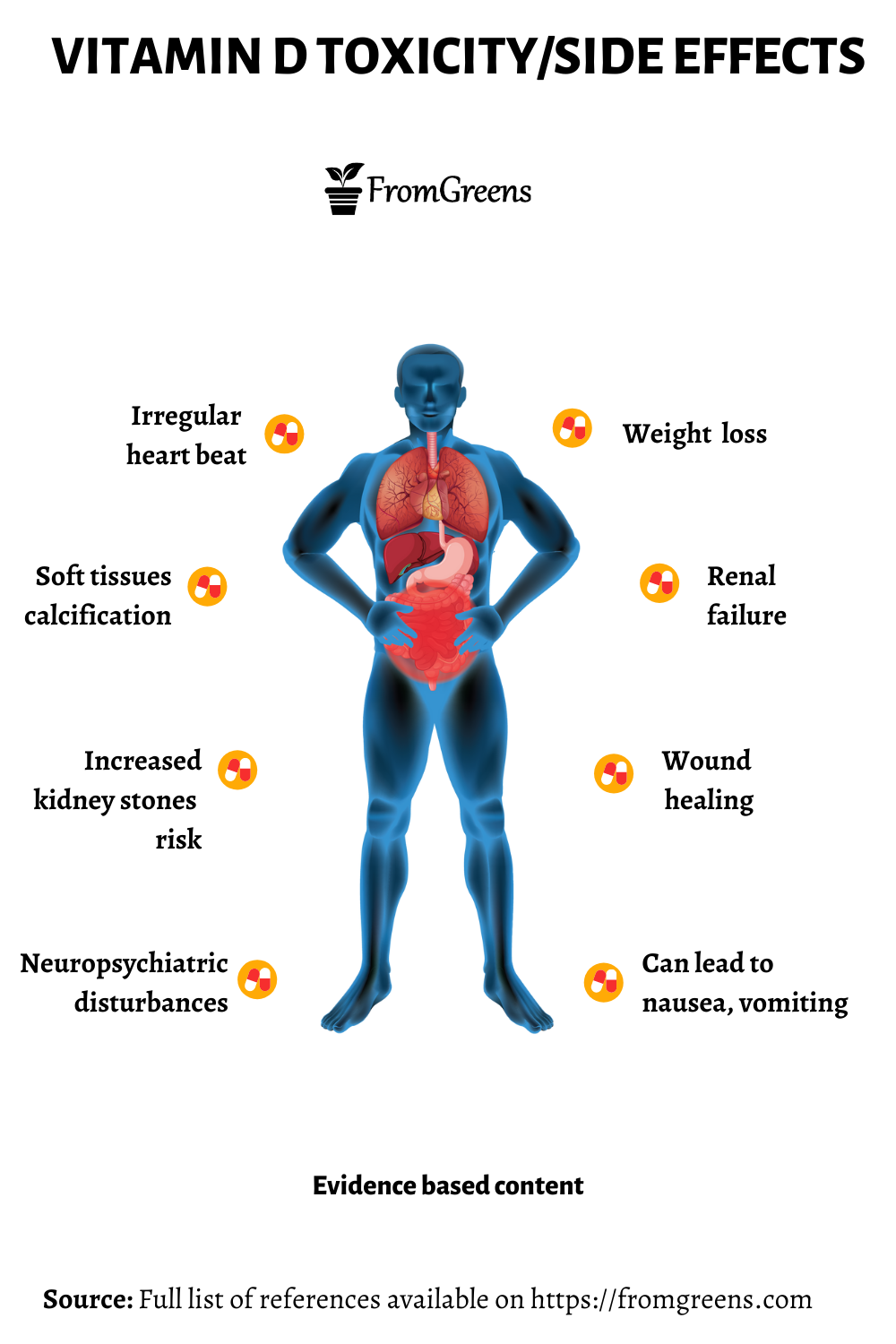
High calcium can lead to precipitation—an elegant chemistry turning troublesome under the wrong conditions. Calcium can crystallize in urinary pathways, forming kidney stones. It can also contribute to renal injury by increasing tubular workload and promoting inflammatory and oxidative strain within kidney tissues.
Here is the key mechanism in plain terms: vitamin D toxicity raises calcium levels; elevated calcium forces the kidneys into overdrive; overdrive can provoke structural damage. What begins as “too much supplementation” can end as “kidney distress,” sometimes with symptoms that arrive late.

Vitamin D Toxicity vs. Vitamin D “Too High”: The Difference Matters
Not every elevated lab number is toxicity, and not every case of toxicity looks identical. “High” can be a snapshot, while toxicity is the pattern—high blood levels plus the downstream physiological consequences.
One common observation is that people feel fine while labs quietly drift upward. Then, after a threshold is crossed, the body starts issuing warnings: nausea, constipation, excessive thirst, frequent urination, muscle weakness, confusion, or persistent malaise. These symptoms can be mistaken for dehydration, dietary issues, or unrelated illness.
Deeper reasons for this confusion exist. Calcium imbalances can mimic other conditions, and chronic effects may develop slowly enough to blur the timeline. Additionally, different individuals have different sensitivity due to variations in baseline vitamin D status, kidney function, body composition, and concurrent medical factors.
Common Pathways to Excess: The Real-Life Story
Vitamin D toxicity rarely occurs from a single accidental pill. More often, it unfolds through a series of small decisions: stacking supplements, continuing high-dose therapy longer than intended, taking vitamin D plus multiple fortified products, or using “mega-dose” strategies without monitoring blood levels.
Some people start with legitimate deficiency treatment and then keep going long after repletion. Others assume that because vitamin D is over-the-counter, it behaves like a benign vitamin rather than a compound with endocrine-level potency.
Also, certain health contexts raise vulnerability. Reduced kidney function can compromise calcium and vitamin D metabolism. Some granulomatous diseases can increase vitamin D activation. Certain medications can amplify hypercalcemia risk. The fascination—and danger—comes from how vitamin D doesn’t act alone; it collaborates with physiology.
Signs and Red Flags: When to Suspect Kidney Involvement
Kidney damage doesn’t always announce itself. Yet there are warning patterns worth treating seriously.
Look for clues such as increased urination, persistent thirst, flank discomfort, or symptoms that cluster with dehydration-like feelings. In lab terms, hypercalcemia and elevated creatinine can be meaningful. Urinalysis may show markers consistent with stone formation or renal stress.
In some cases, mitochondrial dysfunction and cellular stress pathways become relevant. When kidney cells experience metabolic strain, energy production and repair mechanisms may falter, making recovery slower. The injury can be more than a straightforward “too much calcium” event—it can become a cascade.
Why Lab Testing Is Not Optional for High-Dose Use
Monitoring is where caution becomes precision. Vitamin D dosing works best when it’s guided by baseline measurement and follow-up results. Without testing, it’s easy to overshoot—especially if the body’s starting stores are already robust.
A practical approach typically includes evaluating 25-hydroxyvitamin D levels, calcium, and sometimes parathyroid hormone depending on the clinical picture. Kidney function tests help detect whether the organ is handling the calcium load effectively.
Testing also prevents a subtle cognitive bias: “I feel better, so I must be okay.” Symptom relief can reflect correction of deficiency—but it doesn’t guarantee that calcium dynamics remain within safe boundaries. The body can feel improved while the kidneys quietly struggle.
How Toxicity Develops: A Biochemical Chain Reaction
Excess vitamin D increases intestinal calcium absorption. The result is higher serum calcium. Elevated calcium can reduce parathyroid hormone in certain contexts, but it simultaneously increases calcium burden in the renal system.
When calcium levels remain high, the urine may become supersaturated, raising the likelihood of crystal formation. Stones are one visible consequence. Another is renal injury driven by tubular stress, oxidative load, and inflammatory signaling.
This is where the “deeper reasons for fascination” show up: the kidneys are engineered to handle variability, but toxicity introduces sustained extremity. The organ’s adaptive mechanisms are not designed for prolonged hypercalcemia. The body can compensate briefly, then fail gracefully—meaning the transition from normal to injured can look gradual until it doesn’t.
Long-Term Consequences: More Than a Temporary Detour
Kidney damage from hypercalcemia can range from mild, reversible stress to more significant injury. Timely recognition improves the odds of recovery, but delays can complicate outcomes.
Possible long-term issues include recurring kidney stones, persistent reduction in renal performance, or chronic vulnerability to calcium balance disturbances. Even after supplementation is stopped, the physiological aftermath can linger depending on the severity of the initial insult.
This is why the story should be treated seriously even when it starts quietly. Chronic kidney stress is not a cosmetic problem—it’s a structural one.
Prevention: Safer Supplementation Without Losing the Benefits
Prevention is a blend of discipline and individuality. Start with an evidence-based dose plan rather than guesswork. If supplements are needed, use the smallest effective strategy and reassess after a reasonable interval.
Avoid stacking multiple sources unintentionally. Check labels on multivitamins, calcium products, and fortified foods. Be especially careful with high-dose regimens intended for short-term deficiency correction.
If there is existing kidney disease, a history of stones, or other medical conditions that affect calcium metabolism, extra caution is warranted. In those situations, professional guidance isn’t merely “recommended”—it’s essential.
What to Do If Toxicity Is Suspected
If symptoms align with hypercalcemia—particularly with new urinary changes or persistent gastrointestinal issues—seek medical evaluation promptly. A clinician can measure serum calcium, vitamin D levels, kidney function, and related parameters. Imaging may be considered if stones are suspected.
Stopping vitamin D supplementation is often part of early management, but the safest path is individualized treatment rather than improvisation. Hydration strategies, monitoring schedules, and medication adjustments may be needed depending on severity.
The most important takeaway is urgency with discernment: kidney injury can be preventable, and early action can transform a potentially serious trajectory into a manageable correction.
The Balanced Takeaway: Vitamin D Can Heal—or Harm—With the Same Molecule
Vitamin D is neither a villain nor a saint. It is a powerful biochemical switch that requires respectful calibration. The common observation is that “more is better,” but the deeper truth is more nuanced: vitamin D influences calcium like a conductor guiding an orchestra, and the kidney is the backstage logistics team that has to manage the performance.
When the conductor oversteps, the orchestra doesn’t just play louder. It plays out of tune—crystals form, tissues strain, and renal cells absorb the consequences. The real risk of vitamin D toxicity and kidney damage isn’t inevitable. It’s avoidable. And understanding the chain of events turns fear into foresight.