Some health observations feel almost too tidy: a nutrient we associate with sunlight suddenly appears in conversations about migraines. People notice it first as a pattern—those with low vitamin D seem more likely to suffer—and then they ask a sharper question: if vitamin D is part of the story, what dosage actually matters for prevention? In small studies, the answer rarely arrives as a single, clean number. Instead, it emerges as a constellation of dosing strategies, biological plausibility, and individual variability. The fascination is understandable. Migraines are not merely headaches; they are neurovascular events with inflammatory undertones, and vitamin D sits at an intersection where immune signaling, neuronal excitability, and vascular tone can all plausibly meet.
Why small studies keep circling vitamin D
A common observation drives the research: vitamin D deficiency is disproportionately present among people with migraine, and correlational findings often report links between lower serum vitamin D levels and higher migraine burden. But correlation is not causation, and the deeper fascination lies in what vitamin D can do beyond bone. Vitamin D acts through the vitamin D receptor, which influences gene transcription across multiple systems. That means it can plausibly modulate processes relevant to migraine, such as inflammatory cytokine signaling, oxidative stress handling, and neuronal regulation.
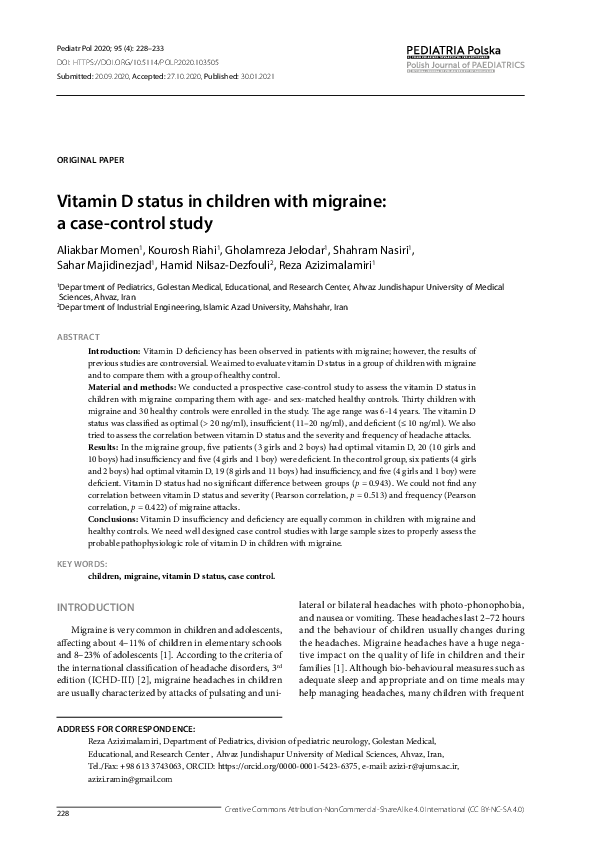
Small studies are often the first to test these mechanisms in a practical way. They enroll limited cohorts, measure baseline vitamin D status, and then observe whether supplementation changes headache frequency, severity, or related biomarkers. When results trend in the same direction—fewer attacks, improved symptom scores, or better vitamin D repletion—the hypothesis feels momentarily vindicated. Yet small samples also explain why the dosing question remains unsettled.
The dosage question: repletion versus “extra” vitamin D
In everyday life, vitamin D dosing falls into two broad conceptual buckets. One aims to replete deficiency—bringing blood levels up toward sufficiency. The other explores whether supraphysiologic or “extra” dosing yields migraine benefits even in those who may already be adequate. Small migraine studies tend to hover closer to the first bucket, because deficiency is common and measurable. If someone starts low, supplementation can function like a correction rather than an experiment in excess.
However, the migraine pathway may not respond linearly. A person’s baseline, season, body mass, absorption efficiency, and adherence can shift outcomes dramatically. That is why studies that appear similar on paper may yield different effects. Vitamin D might be most relevant when the nervous system is operating under a “nutrient scarcity” signal—one that is subtle, systemic, and cumulative.
Typical dosing patterns seen in small prevention trials
Because these are smaller studies, dosing protocols often vary. Some administer moderate daily doses, while others use larger weekly or bolus-style regimens. The goal usually stays consistent: raise serum 25-hydroxyvitamin D to a target range and maintain that repletion long enough to see clinical change. Migraines, after all, follow rhythms; a short trial may capture placebo fluctuations rather than true neurobiological settling.
Common trial approaches include daily vitamin D3 supplementation for several weeks to a few months, or weekly dosing designed to rapidly correct low levels. Investigators also sometimes tailor the dose to baseline severity—those with more profound deficiency receive higher starting amounts, then transition to maintenance. This strategy resembles how clinicians handle other deficiencies: stabilize the system first, then observe downstream effects.

How improvements are actually measured
When people hear “prevention,” they often imagine a dramatic drop in migraine attacks overnight. In real studies, the outcomes are more nuanced. Many trials track headache days per month, migraine days per month, or changes in validated symptom scales. Some also assess medication use, aura presence, or disability-related metrics. Small studies may report improvement trends that are statistically fragile but clinically intriguing—suggesting that vitamin D may shift susceptibility rather than simply suppress triggers.
Another detail matters: vitamin D levels are not static. Participants may begin with low status, but levels can change with sunlight exposure during the trial itself. That introduces noise. Yet if researchers still observe consistent repletion and correlated symptom improvement, the signal becomes harder to dismiss.
Why the benefit might require time
Migraines are mediated by complex systems: trigeminovascular pathways, cortical excitability, and immune-vascular interactions. Vitamin D doesn’t flip a single switch. Instead, it nudges gene expression and immune modulation, and these effects accrue gradually. Cells need time to alter inflammatory signaling patterns and oxidative stress resilience. Neurons need time to adjust excitability thresholds. Vessels and endothelium may take time to “calm” into a more stable functional state.
That is why small studies that last long enough to sustain measurable vitamin D repletion tend to be more persuasive. Short exposures may raise blood levels but not yet remodel the downstream networks that influence migraine physiology. The fascination isn’t merely that vitamin D can help—it’s that the timing of biological change can map onto the timing of symptom evolution.
Vitamin D plus other interventions: why combinations appear
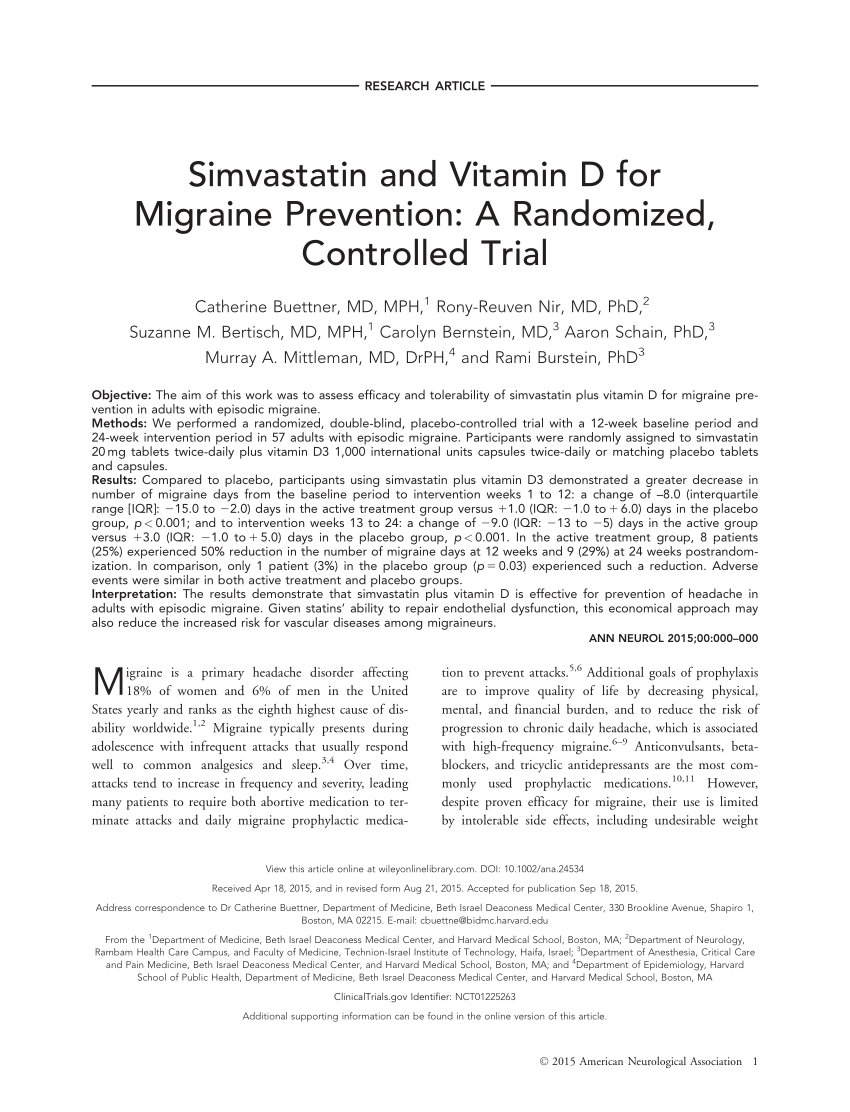
Some studies explore vitamin D in conjunction with other substances, including agents that influence lipid metabolism or inflammatory tone. The idea is not simply to “stack” supplements, but to address migraine’s multifactorial nature. Vitamin D may reduce inflammatory transcription patterns, while another compound might influence vascular or neuroinflammatory pathways. When two mechanisms intersect, even modest doses could have amplified relevance.
Still, combinations complicate dosing interpretation. If migraine outcomes improve during combined therapy, it becomes harder to isolate the specific contribution of vitamin D. Yet the pattern can guide real-world reasoning: vitamin D might not act alone for everyone, but it could be part of a broader preventive strategy that addresses inflammation, metabolism, and neuronal excitability simultaneously.
Baseline status may determine whether dosing “works”
One of the most instructive observations from small studies is that response may correlate with starting vitamin D level. People with marked deficiency often show more pronounced changes in serum concentration and sometimes more noticeable clinical improvement. This suggests that vitamin D supplementation may be most effective when it restores a missing regulatory brake—rather than when it adds an already adequate signal.
However, baseline status also hints at a deeper reason for the research: deficiency may be a proxy for lifestyle factors—reduced outdoor time, altered dietary intake, different activity patterns—that themselves influence migraine susceptibility. Vitamin D might be the measured variable, but the story could include correlated environmental elements. That possibility doesn’t negate vitamin D’s relevance; it contextualizes why small studies can look inconsistent across populations.
Safety and the “ceiling” problem
Vitamin D is generally well tolerated when dosed appropriately, but the ceiling matters. High intake can contribute to hypercalcemia and related complications. Small migraine studies usually avoid extreme dosing, especially when they aim for physiological repletion rather than maximal blood concentrations. Even so, the practical takeaway is clear: supplementation should be guided by clinical context and, ideally, lab monitoring.
Monitoring matters not only for safety but for interpretation. If dosage is adequate but blood levels remain low, adherence, absorption issues, and individual metabolism could be the limiting factors. Conversely, if levels become high quickly, the dosing strategy may need adjustment to avoid unnecessary risk.
What a “reasonable” migraine-focused dosing strategy looks like
Small studies suggest a plausible strategy: identify deficiency or insufficiency, correct it with a regimen designed to raise serum 25-hydroxyvitamin D into a target range, then maintain. The exact dose varies by trial design, baseline status, and monitoring practices. Still, the conceptual blueprint stays consistent: repletion first, observation next, maintenance afterward.
Because migraines occur in cycles, prevention trials often favor persistence rather than sporadic intake. A dosage that raises levels sustainably and keeps them stable may matter more than brief, high-dose interventions. That aligns with a neuroimmune model of migraine: steady regulatory shifts may reduce susceptibility to triggers over time.
Where the research needs to go next
Small studies can be fascinating precisely because they reveal early signals. But they also leave dosing details underdetermined. Larger, well-controlled trials are needed to compare daily versus weekly regimens, to stratify participants by baseline vitamin D status, and to explore whether certain subtypes of migraine respond differently. Researchers also need consistent reporting of serum targets, adherence measures, and outcome definitions—so that what counts as “improvement” is uniform across studies.
Until then, vitamin D dosage for migraine prevention remains a hypothesis being tested in real time—less a single prescription and more a guided correction of a biological condition that may lower the volume on migraine’s inflammatory and neuroexcitable circuitry.
A practical closing thought
If the common observation is that low vitamin D tracks with migraine, the deeper fascination is that supplementation might address a modifiable factor in a disease network rather than a symptom alone. Small studies hint that dosing matters, but not in a simplistic way. It matters through repletion, through time, through baseline context, and perhaps through the way vitamin D interacts with broader inflammatory and vascular dynamics. For migraine prevention, vitamin D is best viewed not as a magic bullet, but as a potential stabilizer—one that may make the nervous system slightly less reactive, fewer days per month.