Vitamin D is often described as a “sunshine vitamin,” yet it is best understood as a tightly regulated hormone precursor. In 2025, the conversation has matured: people want the benefits—bone resilience, immune modulation, and mood support—while also minimizing the quiet danger of toxicity. The good news is that safe supplementation is not guesswork. With the right dose, the right form, and the right timing, you can build a plan that is effective and remarkably restrained.
1) Vitamin D Basics: What It Really Does in the Body
Vitamin D participates in calcium and phosphorus homeostasis, acting like a conductor for mineral absorption. When levels are adequate, intestinal uptake improves, bones can mineralize effectively, and muscle function typically becomes more reliable. But vitamin D is more than a skeletal assistant. It also interfaces with immune signaling pathways and may influence inflammatory tone.
What makes vitamin D unique—and sometimes misunderstood—is its fat-soluble nature. It can accumulate when intake consistently outpaces usage. This is why “more” is not automatically “better.” The body has feedback systems, but they are not infallible, especially when high doses are taken for extended periods.

2) The Safety Equation: Understanding Toxicity Risk
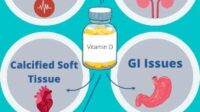
Toxicity usually does not happen from normal daily maintenance doses. It typically emerges from chronic over-supplementation, certain medical conditions, or the combination of high-dose intake plus other sources. The pathway most people should care about is hypercalcemia—elevated calcium levels in the blood—which can cascade into kidney strain and cardiovascular complications.
Symptoms can be subtle at first: nausea, constipation, unusual thirst, frequent urination, fatigue, and a “foggy” mental state. Over time, severe cases may involve confusion and dehydration. Since these symptoms overlap with many unrelated conditions, the best defense is prevention through dosing discipline and, when appropriate, laboratory confirmation.
3) Who Needs Vitamin D Most—and Who Should Proceed Carefully
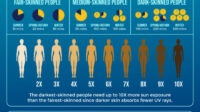
Some groups are more likely to have low vitamin D due to reduced sun exposure, darker skin pigmentation, higher latitudes, limited outdoor activity, or lifestyle constraints. Others may be at increased risk if they already have medical issues involving calcium balance.
Proceed with heightened caution if you have kidney disease, sarcoidosis or other granulomatous disorders, hyperparathyroidism, certain lymphomas, or a history of kidney stones. Pregnancy and breastfeeding can also warrant careful calibration, since requirements and tolerability vary. If you belong to any high-risk category, a clinician-guided plan is the most prudent route.
4) Types of Vitamin D: D2 vs D3, and Why Form Matters
Vitamin D comes primarily as D2 (ergocalciferol) and D3 (cholecalciferol). In practice, D3 is often preferred for maintaining or raising blood levels more consistently. Both can work, but the consistency of response is a central consideration when safety is the priority.
You will also see different delivery formats: tablets, softgels, gummies, drops, and occasionally fortified foods. Each format has tradeoffs. Drops can be convenient for fine-tuned dosing. Gummies are popular for adherence, but dosing variability can occur if servings are not measured carefully. Softgels may support absorption for some people.
5) Reading Labels Like a Pro: IU, Micrograms, and Hidden Sources
Label comprehension is where safety is won. Vitamin D quantities may be written in IU or micrograms (mcg). A conversion shortcut can help: 1 mcg of vitamin D is approximately equal to 40 IU. Still, conversions are not a substitute for accuracy—always confirm the unit listed.
Watch for hidden sources. Many multivitamins contain vitamin D, and some calcium supplements are paired with it. If you combine a multivitamin with a separate vitamin D product, you may unintentionally double your dose. One conservative strategy is to sum the total daily IU across all products before committing.
6) Recommended Dosing Strategies for Safe Supplementation (2025 Approach)
Safe supplementation usually follows one of three patterns: maintenance dosing for those with adequate sun exposure, repletion dosing for confirmed deficiency, and cautious intermediate dosing when testing is unavailable.
For maintenance, many adults use modest daily amounts. For repletion, clinicians may prescribe higher doses for a limited period, followed by a maintenance regimen. The toxic risk rises when high dosing continues after levels normalize. If you choose self-directed supplementation, consider adopting conservative doses and using periodic blood tests to confirm stability.
Take a deep breath and remember this principle: dosing is temporal. Your body’s stores are measured over time, not by a single day’s tablet.
7) Timing and Absorption: How to Make Vitamin D Work Without Overdoing It
Vitamin D absorption improves when taken with dietary fat. If you swallow it on an empty stomach, absorption may be less predictable, which can create the temptation to increase the dose to “make it work.” A safer approach is consistent timing with a meal containing some fat—think yogurt, eggs, olive oil dressing, nuts, or fish.
Morning vs evening is less critical than consistency. Some people prefer morning routines because they simplify adherence. Others like evening dosing because it pairs naturally with dinner or their nightly supplement stack. Choose the timing that you can sustain without escalating doses impulsively.
8) Testing and Monitoring: When and Why Bloodwork Matters
Blood testing turns uncertainty into precision. The commonly measured indicator is 25-hydroxyvitamin D, which reflects vitamin D stores. If you are supplementing at more than a modest dose, monitoring becomes especially valuable. It helps you avoid the “overshoot” scenario where supplementation outpaces need.
Calcium may also be evaluated if there are symptoms, high-dose use, or high-risk conditions. Kidney function checks can be relevant in certain populations. Monitoring does not have to be frequent, but it should be strategic—before a large adjustment, after a repletion phase, and occasionally during maintenance.
9) Red Flags: Signs You Should Pause and Reassess
Stop and reassess if you experience persistent nausea, constipation, excessive thirst, frequent urination, unusual muscle weakness, confusion, or dehydration-like symptoms. Also reassess if you notice kidney stone history worsening or if you suspect you are taking vitamin D from multiple products.
High-risk individuals should not rely solely on symptom awareness. Toxicity can sometimes develop silently. That is why label audits and—when appropriate—blood tests are the smartest safety tools.
10) Special Situations: Medication Interactions and Unique Life Stages
Vitamin D can interact with certain medications indirectly by affecting calcium metabolism or competing pathways. Some anticonvulsants can increase vitamin D catabolism, lowering effectiveness. Corticosteroids may reduce calcium absorption, changing how vitamin D translates into outcomes. Orlistat can impair fat absorption, which may reduce vitamin D uptake. These situations require individualized planning rather than generic dosing.
During pregnancy or breastfeeding, the objective is balanced sufficiency. Over-supplementation should be avoided. A clinician-supervised regimen can help ensure both maternal stability and fetal needs are respected.
11) Food, Sun, and Supplements: A Three-Track Safety Blueprint
Sun exposure can contribute, but it is variable and influenced by latitude, season, clothing coverage, and skin tone. Food sources—fatty fish, fortified dairy, and certain fortified beverages—can help but are rarely sufficient alone for people with low baseline levels.
The safest pattern is tri-track planning: modest supplementation to fill gaps, dietary enrichment to support overall absorption, and realistic sun habits when appropriate. This blended approach reduces the pressure to “push dose” and improves the odds you will stay within a non-toxic range.
12) A Practical 2025 “Final Plan” Checklist
Before starting, audit your current products for total vitamin D IU. Choose a form that fits your routine and measured dosing. Pair your dose with a meal containing fat. Keep the dose conservative unless deficiency is confirmed and supervised. Recheck blood levels after a reasonable interval when using higher doses. Watch for red flags, and pause if symptoms emerge or if multiple sources stack unexpectedly.
Vitamin D safety is less about fear and more about choreography. When supplementation is measured, monitored, and aligned with real-life absorption, the toxicity risk shrinks dramatically—leaving room for the benefits you actually want.