Have you ever wondered why your body sometimes feels like it’s running on “low battery” long before an actual emergency shows up? Not dramatic, not sudden—just… subtly off. Vitamin D deficiency can be that quiet saboteur. It doesn’t always announce itself with obvious symptoms. Instead, it nudges your mood, muscles, bones, and immune system in ways you might chalk up to stress, aging, or a busy schedule.
Here’s a playful challenge: for the next few days, try noticing the little complaints you usually ignore. Then ask yourself a different question—what if those “small” signals are actually your vitamin D status waving from the shadows?
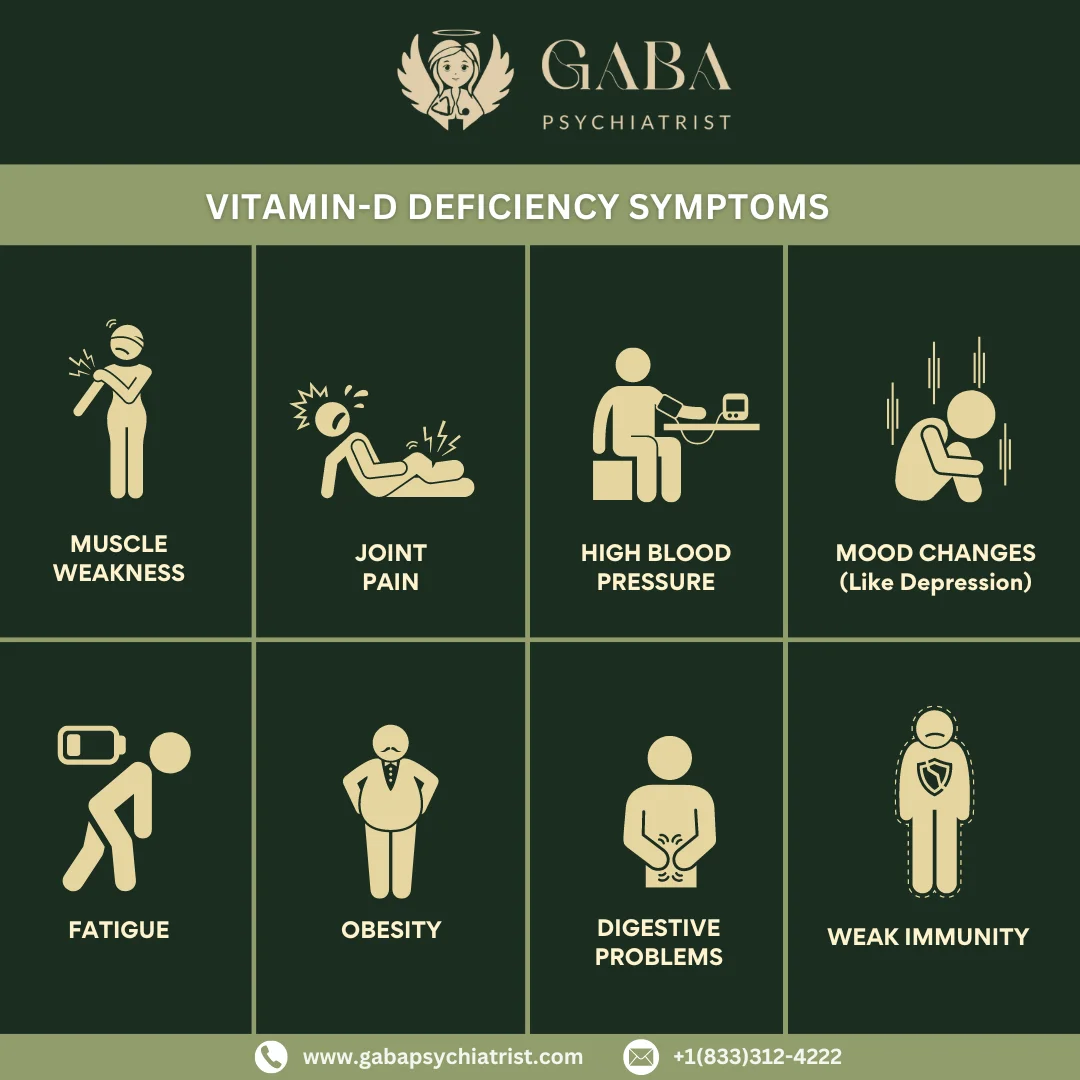
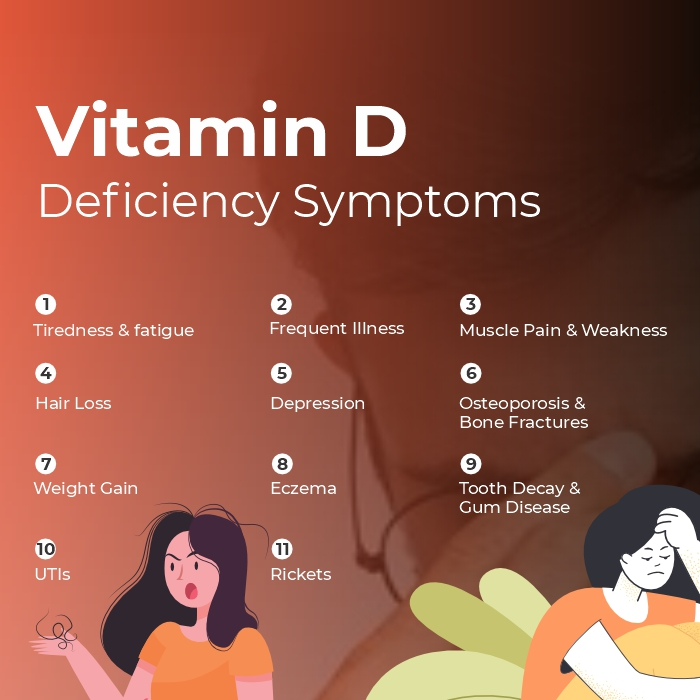
1) Fatigue That Feels Unfair
Not the kind of tired that disappears after a good night’s sleep. More like a persistent, low-grade weariness. People often describe it as languor or a heavy-limbed slowness. You may wake up already dragging, or you might feel drained midway through your afternoon.
Vitamin D plays a role in muscle function and immune regulation. When levels are insufficient, your energy regulation can become a little noisier—like a thermostat stuck between settings.
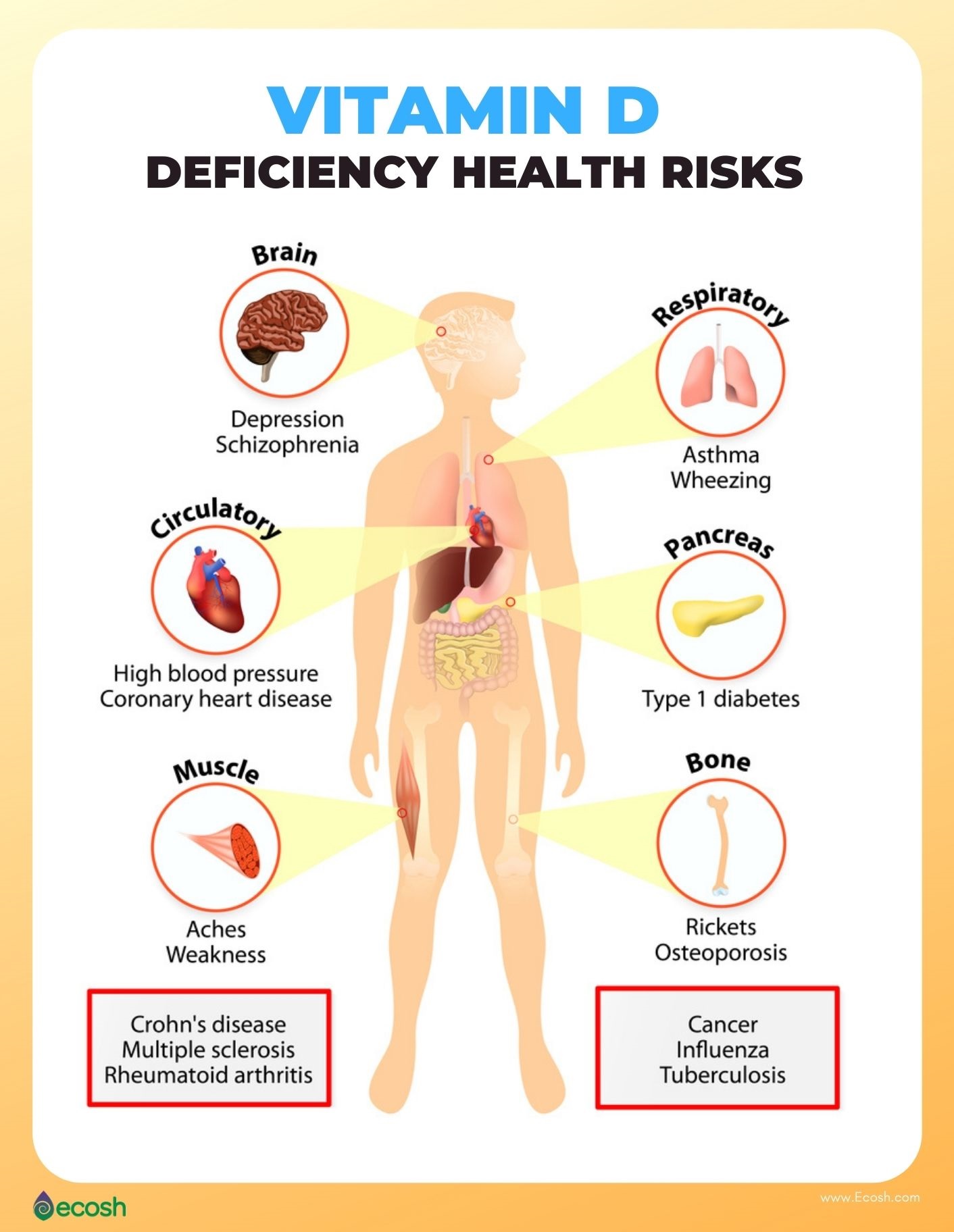
2) Muscle Weakness and “Clumsy” Movements
Sometimes weakness appears as a soft inability: climbing stairs feels harder, getting up from the floor takes extra effort, or you notice shaky legs when standing up quickly. You might feel less coordinated, as if your muscles are slightly out of sync.
This can progress gradually. The challenge is that it doesn’t scream “medical.” It often disguises itself as “I’m just not as strong lately.”
3) Achy Bones or Deep, Diffuse Discomfort
Instead of one sharp pain, deficiency may cause dull aches—especially in the back, hips, or bones. It can feel like background discomfort you stop noticing until you compare “then versus now.”
Because these sensations can be nonspecific, they’re frequently misattributed to posture, mattress quality, or everyday strain.
4) Bone Fragility Over Time
Long-term deficiency can undermine bone mineralization. Think of it as slow remodeling without enough scaffolding materials. Over time, that can increase fracture risk—even with relatively minor falls or stresses.
This is the kind of symptom that doesn’t always arrive with fireworks. It may appear as a fracture that seems “too easy,” or it may be discovered after an imaging test.
5) Mood Changes: The Gray-Sky Effect
Vitamin D influences more than bones; it intersects with neurotransmission and inflammatory pathways. When levels drop, some people experience irritability, low motivation, or a persistent “blah” mood—especially during darker months.
Not everyone links mood to vitamin status, which is exactly why the connection is easy to miss. Your brain can interpret low vitamin support as emotional weather.
6) Frequent Colds or a Sagging Immune Response
Do you seem to catch bugs more often than friends, co-workers, or family? While no vitamin can guarantee immunity, low vitamin D may contribute to a less resilient immune response.
You might notice more frequent infections, slower recovery, or longer “linger” periods after you’re already technically “over it.”
7) Sweats, Back Pain, and That “Something’s Off” Vibe
Some people report bodily sensations that are difficult to categorize—back discomfort that returns, sleep disruption, or general unsteadiness in physical comfort. These can blend into the background of daily living.
When symptoms are intermittent, it’s easy to underestimate them. Yet deficiency can be exactly that: a pattern of small disturbances rather than one dramatic event.
8) Headaches and Brain-Fog Moments
Brain fog can feel like mental cotton. You might struggle with focus, feel slower to process information, or forget simple tasks you normally handle effortlessly. Some individuals also experience headaches that seem disproportionate to stress levels.
Because these symptoms are common in many conditions, the tricky part is noticing a trend—especially if your fatigue, mood, and concentration all appear to drift together.
9) Dental Issues and Gum Sensitivity
Oral health can be influenced by systemic factors, including inflammation. While dental problems have many causes, long-term deficiency may contribute to discomfort in gums or an unusual tendency toward oral inflammation.
If you notice persistent gum sensitivity alongside other systemic symptoms, it’s worth considering a broader picture rather than treating it as an isolated problem.
10) Reduced Exercise Tolerance and “Why Can’t I?”
You plan to exercise. You even feel motivated. But your body responds as if the engine is missing a few parts: low stamina, muscle soreness that arrives faster, or a sense that workouts are harder than they used to be.
Vitamin D supports muscle performance and recovery. Without enough, the body may feel like it’s fighting uphill even during routine movement.
11) Slow Healing and Ongoing Inflammation
Have minor injuries been taking longer to settle? Cuts that feel slower to recover, lingering tenderness after exercise, or general inflammation that seems persistent may occur in deficiency states.
While healing varies from person to person, a repeated pattern—especially when paired with fatigue and bone or muscle discomfort—can become a clue worth investigating.
12) The “Why Is It Worse in Winter?” Pattern
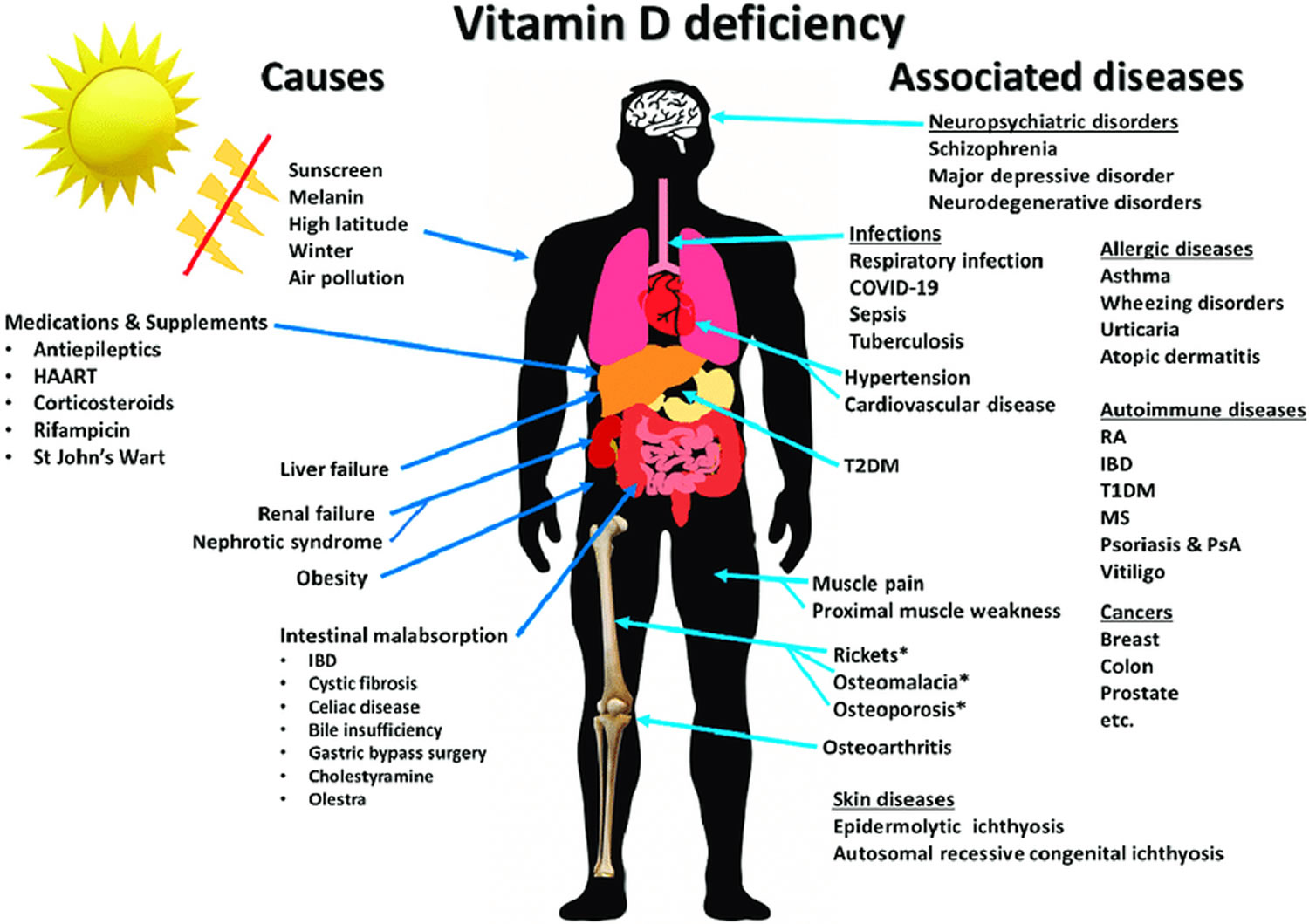
Many people notice changes in colder months. Less sun exposure can reduce vitamin D synthesis in the skin. If your symptoms intensify when daylight shrinks, that seasonality can be a meaningful signal.
It’s not just about being indoors. Clothing, sunscreen habits, skin pigmentation, latitude, and time outdoors all influence vitamin D status. The result can look like a lifestyle issue—even when it’s a nutritional one.
How Deficiency Is Usually Confirmed
If you suspect a shortfall, the most reliable step is a blood test for 25-hydroxyvitamin D. This helps translate your “hmm, something feels off” into measurable data.
Clinicians may also evaluate calcium levels and other related markers depending on symptoms and risk factors. This matters because bone health and muscle function are interconnected with mineral balance.
Risk Factors: Who Should Pay Extra Attention?
Some groups face higher risk: limited sun exposure, darker skin, older age, malabsorption conditions, obesity, and certain medications that interfere with vitamin D metabolism. Dietary patterns can also contribute, especially when vitamin D-rich foods are scarce.
Pregnancy, breastfeeding, and chronic illnesses can further complicate baseline needs. If any of these apply, your “subtle symptom cluster” deserves extra attention.
What to Do Next (and a Practical Plan)
Start by monitoring your symptoms for a couple of weeks. Note changes in energy, mood, muscle discomfort, and recovery. Then consider discussing testing with a healthcare professional—particularly if multiple symptoms overlap or worsen seasonally.
Whether supplementation is appropriate depends on your levels, health history, and goals. Vitamin D isn’t a one-size-fits-all solution. Done thoughtfully, it can help restore steadiness—energy, mood clarity, muscle comfort, and long-term bone support.
So, back to the playful question: which of these subtle signs have you been quietly tolerating? If your body has been dropping hints—fatigue, aches, mood shifts, or the winter-worsening pattern—your next step could be surprisingly simple: verify, then respond.