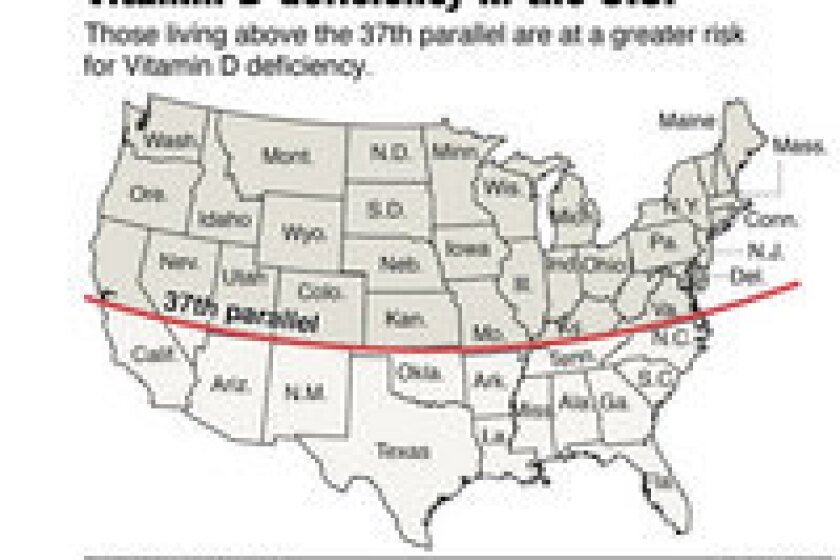
Winter arrives with its customary mischief: shorter days, brisk winds, and sun-starved routines that quietly erode one of the body’s most dependable allies—vitamin D. If you’ve ever wondered why January sometimes feels more like a foggy hallway than a fresh beginning, here’s a playful question to test the atmosphere: What if your mood, muscles, and immune defenses are all wearing the same invisible winter coat—simply because your vitamin D reserves are underfed? Now, consider a challenge: pick a state on the map below and ask yourself whether you’d confidently name the risks, the reasons, and the practical next steps. Most people can’t. And that’s exactly why winter vitamin D matters—especially in high-risk regions.
The Winter Vitamin D Paradox: Fewer Sunbeams, More Consequences
In summer, vitamin D often behaves like a cheerful background character—available, steady, and easily “generated” when skin is exposed to sunlight. Winter is different. The sun may still appear, but it’s stingier: lower solar angles, fewer daylight hours, and more time spent indoors. That combination can reduce vitamin D synthesis in the skin, even when it’s “bright” outside.
Vitamin D isn’t just a bone-related footnote. It participates in immune modulation, muscle function, and cellular signaling. When levels drop, some people notice subtler symptoms—fatigue that feels disproportionate, aches that linger after activity, or a seasonal emotional slump that doesn’t quite lift.
And here’s the trap: vitamin D deficiency can be gradual. You may not “feel” low vitamin D immediately. It can accumulate like dust in the corners of a room—quiet at first, then suddenly noticeable when the light hits.
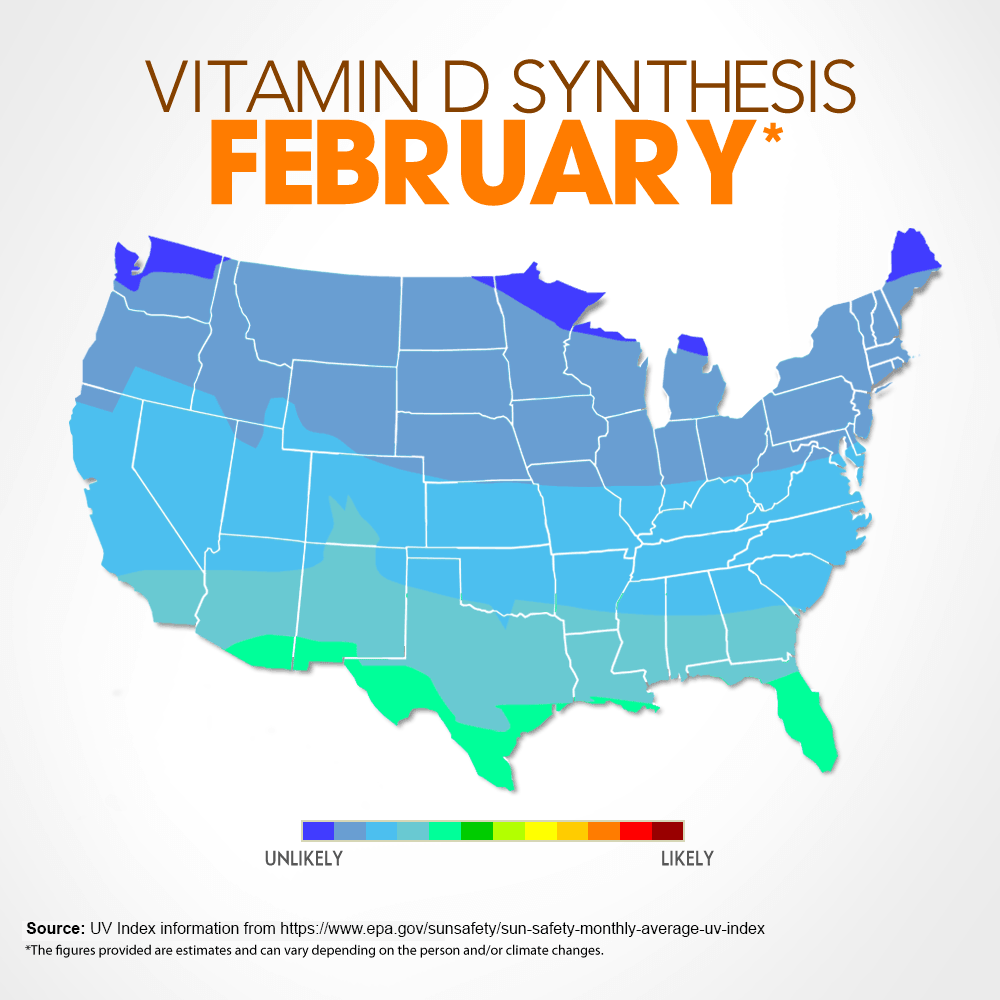
Reading the US Map: Why Certain States Look Like “High-Risk Zones”
The seasonal risk landscape is shaped by latitude, winter duration, and typical outdoor exposure. States farther north (or those where winter persists longer) often experience reduced UVB availability—an ingredient your skin needs to help manufacture vitamin D.
On a winter-focused map, clusters of high-risk states tend to overlap with regions where sunlight is weaker for longer stretches. That doesn’t mean you’re doomed if you live there. It means your baseline may require more deliberate support—through diet, supplementation, and smart sunlight habits when feasible.
Think of vitamin D like a seasonal budgeting system. In some states, winter is a long “expense month” with few “income days.” Without planning, balances shrink.
What Makes Winter Risk Worse: Short Days, Covered Skin, and Indoor Life
Vitamin D isn’t only about geography. It’s also about behavior, clothing, and the rhythm of daily life. Winter tends to concentrate people indoors. Even when you do go outside, skin coverage increases—coats, scarves, hats. That’s sensible for warmth, but it means less skin surface available for UVB-driven vitamin D synthesis.
Then there’s the “daylight schedule.” Many people commute during limited UVB hours. Morning light may be dim, and evening outdoor time can be short or absent. In practice, the body becomes an underutilized solar panel.
One more wrinkle: cloud cover and air quality can further soften UVB exposure. Snow can reflect light, but reflection doesn’t always translate into sufficient UVB for meaningful vitamin D production—especially if the sun’s angle is low.
Symptoms and Signals: How Deficiency Can Sneak In
Vitamin D deficiency can be a stealthy stowaway. Some individuals feel it as generalized fatigue or a “heavy” body. Others notice muscle weakness, slower recovery after exercise, or a persistent sense of low resilience during the colder months.
Seasonal patterns matter. If you observe a familiar cycle—energy dipping, mood flattening, or aches becoming more prominent—vitamin D is worth investigating. Not as the only possible explanation, but as a credible suspect in the winter drama.
To be clear: symptoms are not diagnostic. The body can mimic deficiency with many other conditions. Still, mapping your symptoms to seasonality can guide more targeted conversations with clinicians.
Who’s at Higher Risk? The “Compound Factors” Checklist
Even within high-risk states, not everyone faces the same probability of deficiency. Risk tends to amplify when multiple factors stack together. Consider these common amplifiers:
Skin pigmentation: Melanin can reduce vitamin D synthesis from sunlight.
Age: Older adults often synthesize vitamin D less efficiently and may have lower intake.
Body composition: Vitamin D can be sequestered in adipose tissue, making it harder to raise blood levels.
Dietary intake: Limited consumption of vitamin D–rich foods can leave reserves thin.
Indoor occupation: If your workday occurs under fluorescent light and behind windows, sunlight exposure may be minimal.
Health conditions and medications: Certain gastrointestinal issues, kidney or liver problems, and some drugs can influence vitamin D metabolism.
Here’s the playful challenge again: take a moment and score yourself mentally—how many boxes can you check? The goal isn’t worry. It’s awareness.
Beyond Bones: Immune Function, Mood, and Muscle Performance
Vitamin D is often discussed in terms of skeletal health, but winter deficiency conversations should also include immune and neuromuscular outcomes. Vitamin D helps regulate gene expression involved in immune responses. When levels are low, the “communication system” between cells may not function as smoothly.
Muscles, too, can feel the impact. If you notice reduced strength, a “stiff” feeling in winter workouts, or slower movement confidence, vitamin D status may be one piece of the puzzle—especially when paired with low physical activity or limited outdoor time.
And for mood: winter blues can have many causes—light exposure, sleep changes, stress, routine shifts. Yet vitamin D is biologically plausible as part of the backdrop, particularly for people already prone to seasonal changes.
Practical Steps for Winter Readiness: Food, Sun, and Supplement Strategy
So what do you do with this map of possibility? Start with three pillars: food, feasible sunlight, and supplementation if appropriate.
Food: Fatty fish (salmon, sardines), fortified dairy or plant milks, egg yolks, and some fortified cereals can contribute. Food helps, but it may not be enough during deep winter for everyone.
Sun: When conditions allow, brief outdoor time can be beneficial. However, sun exposure is not a universal solution in winter states. UVB availability may be too low, and skin safety matters.
Supplementation: Many people use vitamin D3 (cholecalciferol) because it’s widely studied. Still, dosing is individualized. The smartest path is usually to confirm with blood testing and then adjust under medical guidance.
In other words: don’t gamble in the dark. Use data where possible, and use common sense always.
Testing and Timing: When to Check and How to Think About Levels
If you’re in a high-risk region, winter is a logical time to consider testing—especially if you’ve had recurrent symptoms, limited intake, or multiple risk factors. Timing matters: levels can fluctuate, and you want a snapshot that reflects your winter baseline rather than a temporary moment of sun.
Ask for clarity on what “normal” means and how your specific situation relates to it. Vitamin D status is often discussed via 25-hydroxyvitamin D measurements. Then clinicians may recommend a plan and recheck after an interval to verify response.
Long sentences are easy; precision takes attention. Aim for precision.
Turning the Map Into Action: A Personal Winter Plan
Maps can be dramatic. They can also be empowering—if they lead to tangible steps. Choose one action you’ll complete this week. Maybe it’s reviewing your dietary vitamin D sources. Maybe it’s scheduling a discussion about testing. Maybe it’s adjusting your winter routine to include safe, brief outdoor exposure when UVB is possible.
And here’s the final playful prompt: If winter is a season of reduced sunlight, why not treat it like a season of improved strategy? Your body can’t always manufacture vitamin D on demand, especially in higher-risk states. But it can respond—when you feed it, measure it, and plan for it.