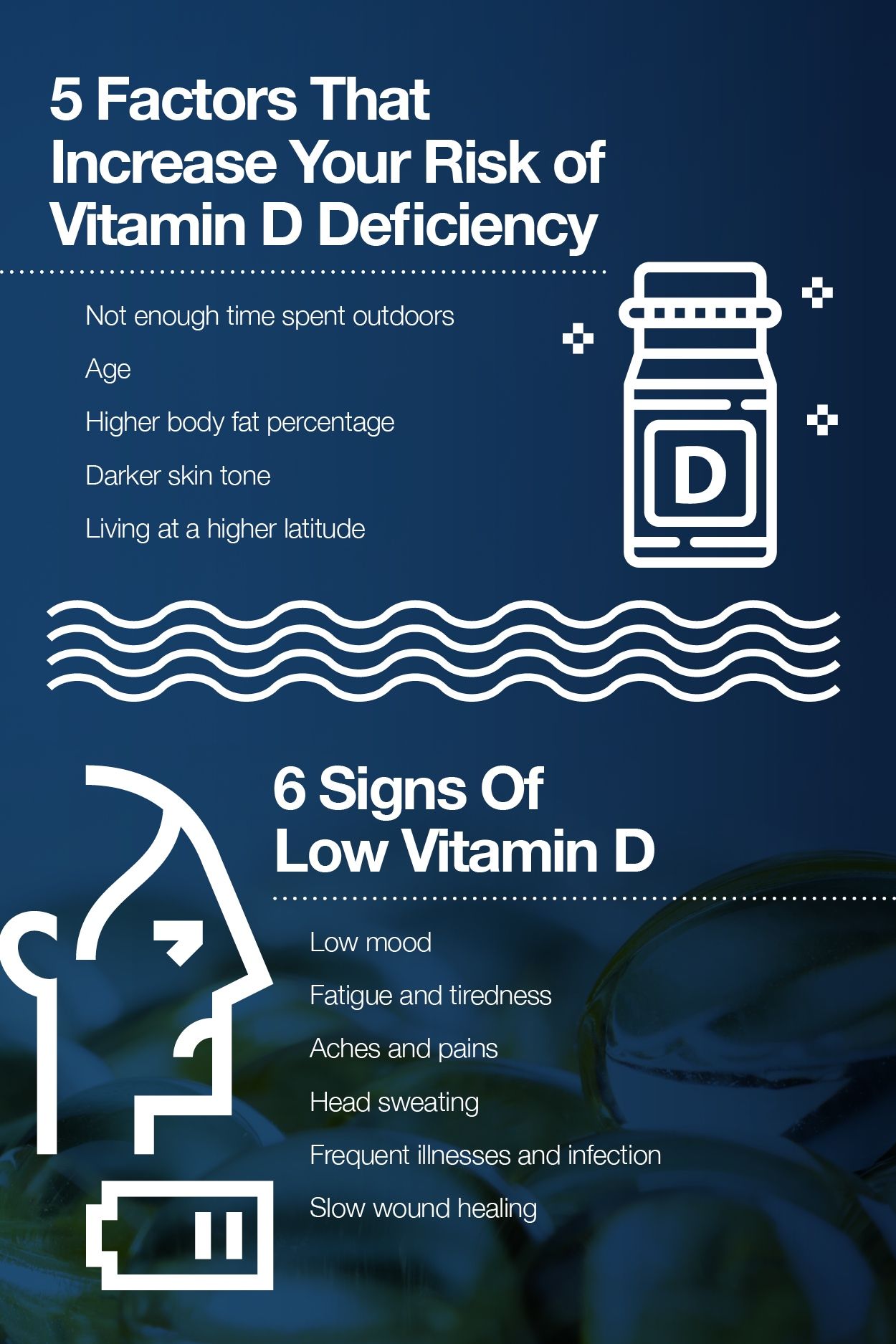
New England winters can feel like a perfectly choreographed ballet: crisp air, steel-gray skies, and sidewalks that vanish under snow. But what if the “cold-season choreography” quietly includes something else—something invisible, yet consequential? Here’s a playful question to haunt the next snowfall: have you ever felt unusually sluggish, achy, or moody, then blamed it all on winter vibes? The potential challenge is real—without enough vitamin D, your body can’t reliably marshal its defenses, and even ordinary days can feel like a small uphill expedition.
Why Winter in New England Turns Up the Vitamin D “Scarcity”
Vitamin D is often called the “sunshine vitamin,” but in New England winters, sunshine becomes an unreliable narrator. Shorter daylight hours, overcast skies, and heavy cloud cover reduce the skin’s ability to synthesize vitamin D. Add snow cover and darker mornings, and your exposure to ultraviolet B (the kind of light vitamin D production depends on) drops dramatically.
And then there’s the lifestyle element. People hunker down. Layers thicken. Outdoor time becomes more selective—less strolling, more rushing from car to building. This doesn’t mean you’re doing anything wrong; it means your body is working with a smaller input.
When the “supply line” for vitamin D gets constrained, a cascade can follow—subtle at first, then more noticeable. Think of vitamin D as a backstage stage manager: not the star, but crucial for keeping the show running smoothly.
The Body’s Role: What Vitamin D Actually Helps You Do
Vitamin D is best understood as a hormone-like regulator that supports multiple systems. It assists calcium absorption in the gut, helping maintain bone mineralization. It also participates in neuromuscular function—your muscles and nerves rely on the right biochemical environment to coordinate gracefully.
Beyond the bones, vitamin D contributes to immune regulation. This is why low levels can be associated with frequent infections or prolonged recovery from illness. Not every winter cold is a vitamin D problem, of course. Yet deficiency can tilt the “likelihood ratios,” making your system less resilient.
Vitamin D is also tied to mood and energy. That doesn’t mean it’s the sole cause of seasonal affective symptoms, but low levels may amplify feelings of fatigue, low motivation, or irritability—like a dimmer switch on your day.
Common Symptoms That People Mislabel as “Just Seasonal”
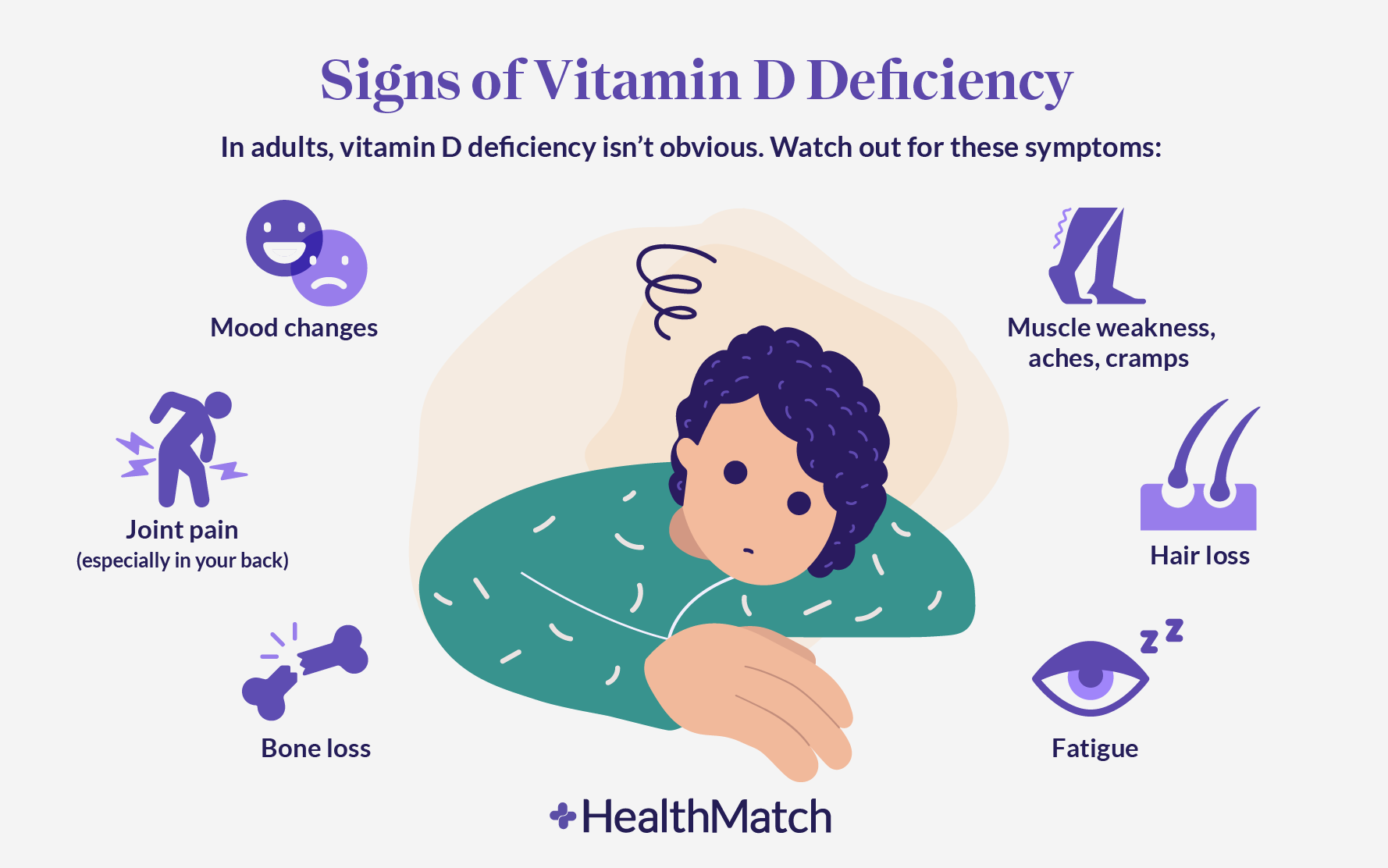
Winter can mask deficiency symptoms under the blanket of “well, it’s cold.” But vitamin D deficiency has its own recognizable rhythms. People may notice:
Muscle aches or generalized soreness that feels persistent rather than incidental.
Weakness, especially in the hips, thighs, or back—sometimes described as heavy-legged fatigue.
Bone discomfort or a vague tenderness, not necessarily pinpointed to one injury.
Frequent colds or a longer-than-expected recovery window.
Mood changes—more crankiness, low drive, or a “foggy” head that doesn’t lift even when sleep improves.
Here’s the catch: these symptoms overlap with lots of winter realities—low activity, stress, inadequate sleep, or simply eating less produce. That overlap is the trap. The solution isn’t panic; it’s discernment.
Red Flags That Deserve a Closer Conversation
Most vitamin D deficiency is not an emergency, but some situations justify prompt evaluation. Consider reaching out to a clinician if you experience:
Recurrent falls or balance issues.
Unexplained fractures or worsening bone pain.
Severe fatigue or progressive muscle weakness.
Known risk factors such as darker skin pigmentation, limited sun exposure, obesity, malabsorption conditions (like celiac disease or Crohn’s), chronic kidney disease, or certain medications (including some anticonvulsants or corticosteroids).
Vitamin D deficiency can sometimes hide behind other diagnoses. A targeted lab test—commonly 25-hydroxyvitamin D—helps cut through conjecture.
How to Know: Testing Without Guesswork
Guessing is common, but testing is more precise. The typical blood measurement, 25(OH)D, reflects vitamin D stores. Clinicians often interpret results alongside calcium levels, symptoms, and overall health context.
Testing is especially valuable if you’ve had prior deficiency, have risk factors, or you’re planning supplements. A “more is better” mentality can backfire, because vitamin D is fat-soluble and can accumulate if taken excessively.
In other words: treat testing like a compass. It doesn’t replace the journey—but it keeps you from walking in circles.
Food: The Winter Pantry’s Quiet Contribution
You may not get enough vitamin D from diet alone in deep winter, but food can still play a supportive role. Naturally occurring sources are limited, yet fortified foods can help bridge gaps.
Look for:
Fatty fish such as salmon, sardines, and mackerel.
Egg yolks (moderate contribution).
Fortified milk or plant milks, fortified yogurts, and fortified cereals.
Diet works best when it’s consistent. A single vitamin D–rich meal won’t compensate for weeks of low sun exposure. But a steady routine can reduce the deficiency “gravity” over time.
Supplement Strategy: Practical, Safe, and Tailored
For many people, supplementation becomes the most reliable tool in New England winter. Yet the ideal dose depends on baseline levels, body weight, medical conditions, and whether you’re aiming for maintenance or repletion.
Common forms include vitamin D3 (cholecalciferol) and vitamin D2 (ergocalciferol). Vitamin D3 is frequently used for supplementation. Taking it with a meal that includes fat can improve absorption.
Do not treat dosing like a guessing game. Excessive vitamin D can contribute to high calcium levels, which can cause symptoms such as nausea, constipation, confusion, and kidney complications. If you choose supplements, a clinician-guided plan is the safest route.
Think of supplementation as tuning an instrument. You want the right frequency, not just louder volume.
Light Without Sunburn: Smart Ways to Increase Exposure
Outdoor winter light still contains some beneficial components, even if it’s not the same as summer intensity. The goal is not to chase tanning fantasies. The goal is to increase incidental exposure when possible—especially on bright days when cloud cover loosens its grip.
Try:
Short daylight walks during midday breaks.
Exposing arms and legs briefly when appropriate for skin type and weather conditions.
Planning outdoor time around sunniest windows rather than evening commutes.
Be mindful of skin protection, especially with prolonged exposure. Winter can trick people into thinking UV intensity is harmless. It isn’t always.
Mobility and Exercise: The Winter Antidote That Isn’t Just “Cardio”
Exercise can influence vitamin D status indirectly by supporting bone health and muscle strength. Resistance training helps maintain muscle mass, improving balance and reducing fall risk. Weight-bearing activities also stimulate bone remodeling.
In practice, that might mean strength workouts a couple of times per week, gentle mobility sessions, and regular walking. Winter often encourages a sedentary posture—rounded shoulders, stiff hips, tight calves. Vitamin D doesn’t “fix posture,” but it can support the muscular machinery that keeps you upright.
Long sessions of indoor inactivity can feel like a slow lock. Movement is the key.
Playbook for a Smooth Winter: A Week-by-Week Survival Guide
Let’s turn all this into something you can actually use. Here’s a cohesive plan that doesn’t require heroics.
Week 1–2: Assess habits. How many days did you get daylight? What does your diet look like? If you have risk factors, consider testing early rather than waiting for symptoms to escalate.
Week 3–4: Build a vitamin D routine. Add fortified foods consistently or discuss supplementation with a clinician. Pair it with a meal to improve absorption.
Week 5–6: Add strength training and balance work. Focus on legs, hips, core, and posture. Keep it modest, steady, and realistic.
Week 7–8: Reassess. Are symptoms easing? If not, investigate other contributors—sleep disruption, iron deficiency, thyroid issues, low protein intake, or depression-like symptoms that worsen in winter.
Winter isn’t just a season. It’s a systems test. Pass it with preparation, not denial.
When to Seek Help: Don’t Wait for the Worst-Case Plot Twist
If muscle weakness worsens, pain becomes persistent, or you experience frequent falls, don’t “power through” on pure determination. Seek medical evaluation. Severe deficiency can contribute to bone problems, and treating it earlier can prevent longer-term consequences.
Remember: you don’t need to be certain that vitamin D is the culprit to justify checking. You only need enough concern to ask good questions.
Because sometimes the bravest survival move isn’t enduring the cold—it’s addressing the silent imbalance underneath.
Imagery That Helps You Recognize the Signs
Visual reminders can sharpen attention. If you’re trying to connect symptoms with possibilities, look at educational references and compare patterns, not panic.

Final Thought: Winter Is Tough—Your Plan Can Be Tougher
New England winters will continue to be what they are: brilliant, brutal, and occasionally bitingly beautiful. Your job isn’t to pretend the cold can’t affect you. Your job is to notice the quieter consequences—especially those that emerge when sunlight disappears.
So the next time you step outside and the air snaps your lungs awake, consider a different kind of resilience. Build a winter strategy for vitamin D: daylight when possible, food that supports you, supplements when appropriate, and strength training that keeps your body coordinated.
Survive the season—then thrive through it.