Rainy seasons arrive like a soft curtain—gentle at first, then quietly consequential. One day children are perfectly playful; the next, afternoons blur into indoor time, and the sky seems to dim their usual routines. Somewhere inside that weather pattern lives an invisible risk: vitamin D deficiency. It doesn’t announce itself with dramatic flair. Instead, it creeps in through reduced sunlight exposure, dietary gaps, and physiological “weathering” that can be harder to notice in younger bodies.
Rain, Sunlight, and the Unexpected Arithmetic of Vitamin D
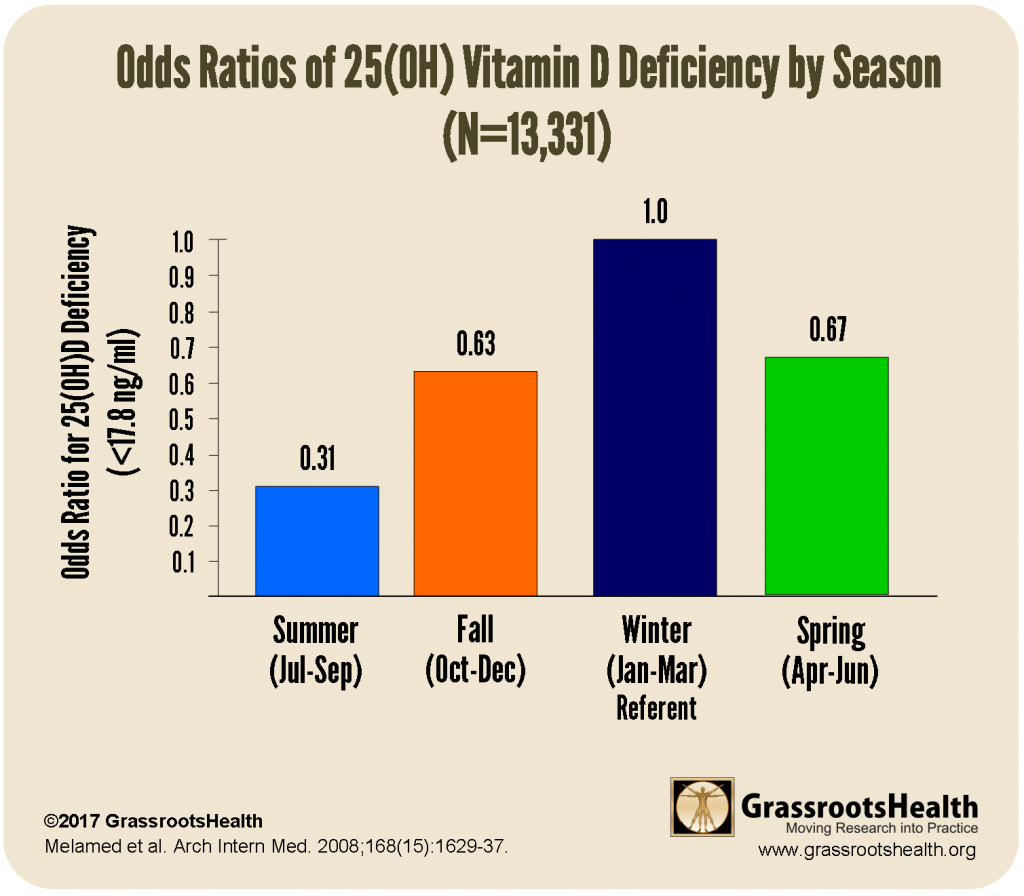
Vitamin D behaves like a solar rumor—its most reliable “source” is ultraviolet B light striking the skin. During rainy seasons, clouds thicken, daylight becomes muted, and outdoor play often contracts. Even when children do step outside, the intensity and duration of effective sunlight can be lower. The result can feel paradoxical: rain is life-giving, yet it may reduce the very exposure the body uses to manufacture vitamin D.
Consider how a rainy season changes the day’s choreography. Morning light may arrive late. Even when it appears, it can be diffuse. Then evening settles early, and screens, classrooms, and indoor activities occupy the remaining hours. This isn’t mere inconvenience; it alters a biological timetable.
It’s worth remembering a subtle point. Vitamin D status isn’t determined only by “whether the sun exists,” but by whether the skin receives adequate UVB. That calculation is easily disrupted when cloud cover increases or when children stay indoors longer than usual.
Indoor Hibernation: How Daily Habits Rewrite Vitamin D Outcomes
Rainy seasons often restructure routines in ways families may not recognize as health-related. Umbrellas and jackets keep children dry—but they also cover skin. Widespread use of sun-protective clothing, while sometimes essential, can further limit UVB reaching the skin. In some households, rain becomes an excuse for fewer walks and fewer playground visits. In others, it leads to earlier bedtimes and reduced exposure windows.
Short sentences carry the message: less sun, fewer opportunities. Longer sentences deepen it: even with a generally healthy diet, reduced sunlight can still tip the balance toward deficiency, because vitamin D is unique among vitamins—it can be synthesized by the body.
There’s also the “indoor light illusion.” Many people believe bright indoor lighting substitutes for sunlight. It doesn’t. Ordinary indoor illumination generally lacks the UVB spectrum necessary for vitamin D synthesis.
Dietary Patterns During Monsoon Months: Convenience vs. Nutrition
Diet can become a quiet accomplice to deficiency. Rainy seasons change what’s available, what’s affordable, and what feels comfortable to cook. Staples may shift. Fresh foods can become harder to obtain consistently, and the household rhythm may lean toward convenience foods that are satisfying but not necessarily vitamin D-rich.
Natural dietary sources of vitamin D are relatively limited. Fatty fish, fortified dairy or alternatives, and egg yolks can help, yet not every child receives these regularly. If rainy-season eating patterns skew toward quick meals—something hot, something filling, something easy—vitamin D intake may inadvertently shrink.
Another nuance: children can have good overall nutrition while still missing vitamin D. That’s because vitamin D is not present in many everyday foods. It’s like a rare key required to unlock a specific metabolic door.
Who Is Most at Risk? Curiosity About Vulnerability
Not all children are equally affected. Some are more susceptible due to skin pigmentation, body composition, limited sunlight exposure, or existing nutritional patterns. Darker skin often requires more UVB exposure to produce the same amount of vitamin D. Similarly, children who spend most of their day indoors—due to school schedules, health limitations, or family routines—can accumulate a longer “deficiency debt.”
Breastfed infants may require special attention depending on vitamin D supplementation guidance in their region. Adolescents can be vulnerable too, especially if they adopt indoor-centered lifestyles during rain-heavy months.
These risks don’t mean danger is inevitable. They mean vigilance pays dividends. The body often forgives early adjustments, but it struggles when deficiency becomes persistent.
The Body’s Tell-Tales: Symptoms That May Feel Like “Just Childhood”
Vitamin D deficiency doesn’t always come with one dramatic symptom. Instead, it can present as a slow narrative: general fatigue, increased susceptibility to infections, muscle aches, or delayed growth milestones. Some children experience bone discomfort that parents might label as “growing pains.”
There’s also a more serious consequence when deficiency is prolonged: rickets. Rickets involves inadequate bone mineralization, affecting skeletal development. In milder cases, subtle changes may appear first—like decreased bone density or delayed motor confidence.
Because symptoms can overlap with common childhood issues, the most reliable approach is not guessing. It’s noticing patterns. If multiple signs cluster during rainy months—less activity outdoors, recurrent aches, reduced energy—checking vitamin D status becomes a sensible question.
Beyond Bones: Brain, Immunity, and the Larger Web
Vitamin D is often described as a bone vitamin, and that’s true—but it’s not the whole story. Vitamin D receptors exist in many tissues, and the vitamin participates in immune modulation. Children with low vitamin D may face a different immune “setting,” potentially influencing how the body responds to infections.
There’s also interest in vitamin D’s role in neuromuscular function—coordination, muscle performance, and the smooth orchestration of movement. When children feel weaker or less steady, they may avoid physical play even more. That becomes a loop: reduced play leads to reduced sunlight exposure, which further increases deficiency risk.
It’s easy to miss how quickly a lifestyle loop forms. A rainy season can start as weather. Then it becomes behavior. Then it becomes biology.
Measuring Vitamin D: Testing Without Guesswork
Testing offers clarity when the stakes include growth and long-term skeletal health. Clinicians often evaluate 25-hydroxyvitamin D, because it reflects vitamin D stored and available in the body. If deficiency is suspected—especially in children with symptoms, limited sun exposure, or dietary constraints—lab evaluation can guide the next step.
Testing is not a dramatic intervention. It’s a map. With a map, families can choose safer, more targeted strategies rather than relying on assumptions.
It’s also important to consider that supplementation should be individualized. Vitamin D dosing depends on the child’s age, baseline level, and clinical context. Overcorrection can be harmful, so guided supplementation is the thoughtful path.
Prevention That Doesn’t Feel Like a Lecture
Prevention can be both practical and gentle. Start with small shifts that fit rainy-season reality. Encourage safe outdoor time whenever there’s a break in rainfall—short, consistent exposures can be more useful than rare long sessions. Think of it as “micro-dosing sunlight” in daily life, not as a single heroic outdoor event.
Diet is the second lever. Families can incorporate vitamin D–supportive foods: fortified milk or yogurt (where available), fortified plant-based alternatives, eggs, and fatty fish. If dietary variety is difficult, consider whether vitamin D supplementation is appropriate—this is best discussed with a pediatric clinician.
Clothing choices also matter. During breaks in sun, lighter skin coverage can help UVB access, while during harsh midday sun, balanced protection remains important. The goal is not reckless exposure; it’s reasonable, responsible sunlight access when conditions allow.
Supplementation and Safety: The Balance Between Hope and Precision
Supplementation can be transformative when guided correctly. Many rainy-season deficiencies improve when vitamin D intake rises—either through diet, supplementation, or more regular safe sunlight exposure. Yet dosing must respect age and baseline status.
A thoughtful approach looks like this: identify risk factors, consider testing when needed, then follow evidence-based supplementation guidance. Short-term relief is possible, but rebuilding a stable vitamin D reserve takes time. Patience matters. The body doesn’t rewire overnight.
Parents and caregivers should also watch for side effects and maintain follow-up when clinicians recommend it. The best plan is not only effective; it’s carefully monitored.
A Rainy Season Game Plan: Turning Concern Into Action
Imagine a rainy season as a story with controllable chapters. You can’t change the sky. You can change the plot. Make outdoor time a routine when breaks arrive. Keep vitamin D–supportive foods on the menu. Consider testing if symptoms or risk factors accumulate. Discuss supplementation if a clinician recommends it.
Curiosity is powerful. When families ask better questions—“Could low vitamin D be contributing?”—they often find better answers. And better answers can mean steadier bones, stronger muscles, and a more resilient immune posture as the weather continues to change.
Eventually, the rains lift. But the habits you built during the season may remain—quietly improving health long after the clouds move on.